
Best Boots for Dachshunds: Our 2026 Checklist for Small Paws
Disclosure: We may earn a commission when you buy through links on this page, at no extra cost to you. As an Amazon Associate I earn from qualifying purchases. Learn more

Choose the best boots for dachshunds by paw width, closures and shaft height, with training and care tips for small paws.
Dog boots protect paws from hot pavement, road salt, ice, mud and rough ground, but a set that fits a large breed rarely suits a dog with tiny paws and very short legs. The best boots for dachshunds stay on slim ankles, bend with each step and clear the ground without rubbing. This guide gives you a clear checklist so you can compare the comparison table below.
Start with where your dog actually walks. A city dog crossing treated sidewalks needs different protection from a country dog on gravel paths. Your usual route and climate will point you to the right style, and the sections below match each need to size, closure, sole and care.
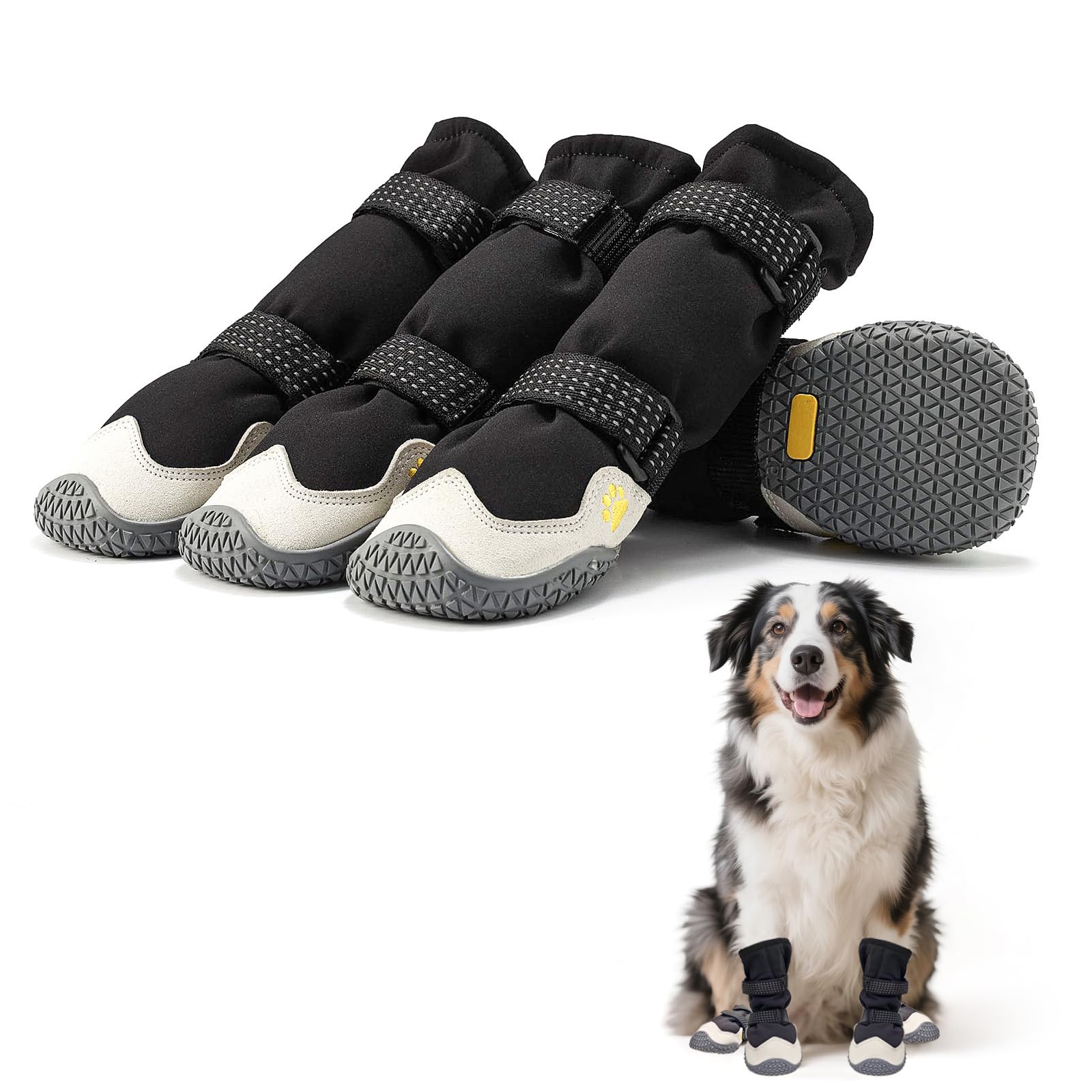

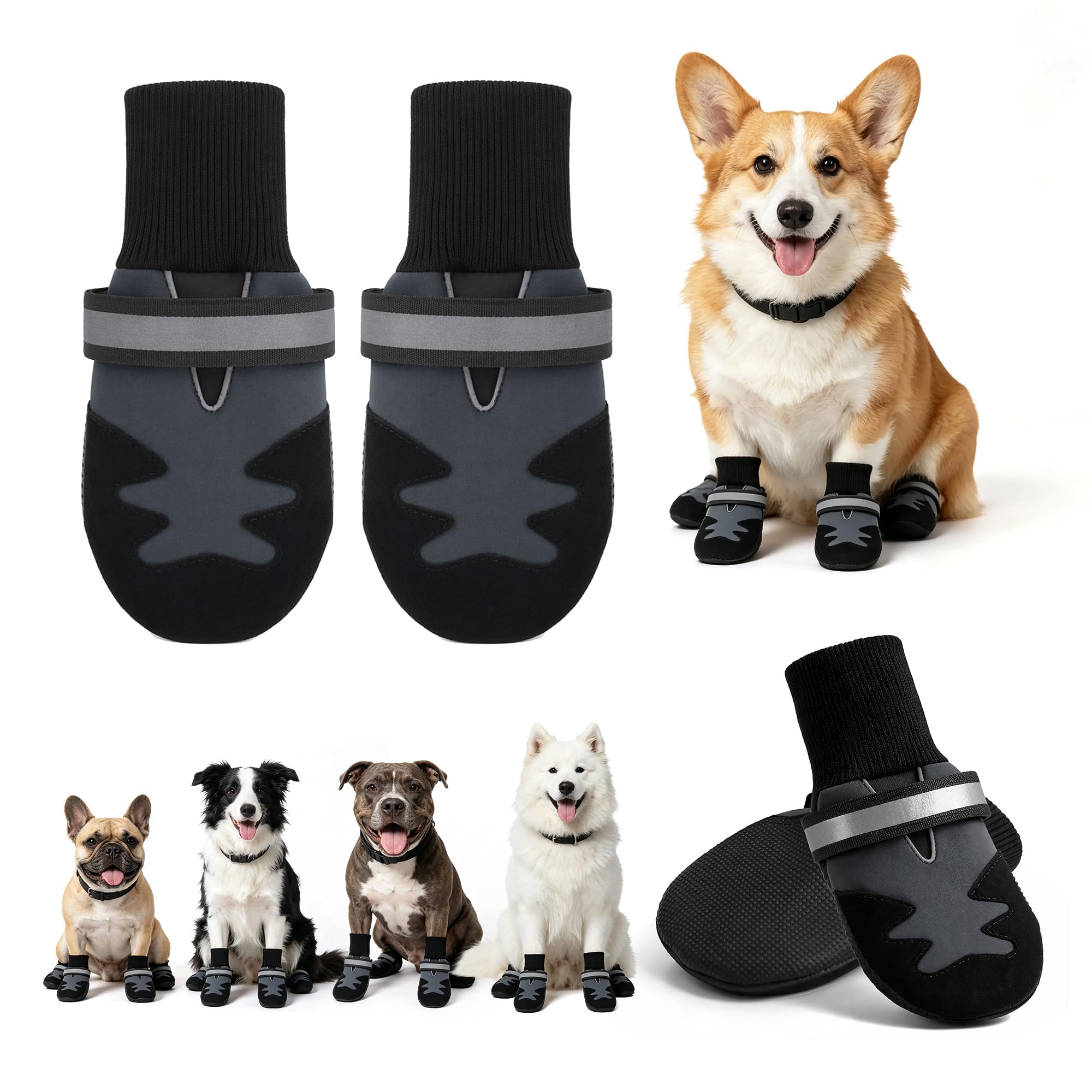


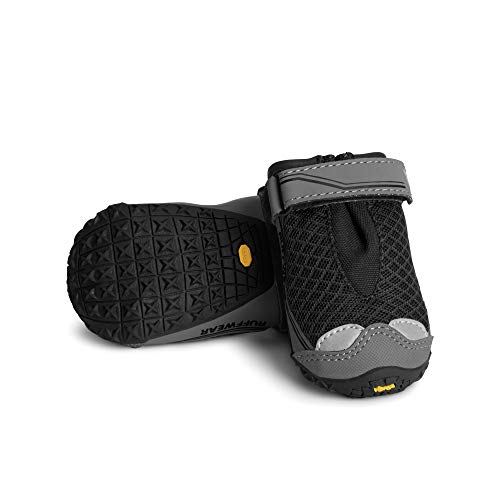
Who Should Buy Dog Boots for a Dachshund?
Most dachshunds do not need boots for every short trip outside. They earn their place when the ground itself is the problem, or when small paws need grip and cover that bare feet cannot give.
City Dachshunds on Hot or Salted Pavement
Your dog walks close to the ground, so heat rising from pavement and salt scattered in winter reach the belly as well as the paws. Boots with a closed upper and a solid sole shield paw pads from burns, drying salt and sharp grit in sidewalk cracks. Choose a style you can put on quickly, because a fussy routine makes daily city walks harder to keep up.
Senior Dachshunds Who Need Extra Grip
Older dogs often slide on smooth floors and struggle to rise. Light boots with textured soles can give steadier footing on wood, tile and wet steps. Watch for limping, constant paw licking, redness between the toes or a sudden refusal to walk, and talk with your veterinarian about those signs before relying on boots, since your clinician knows your dog and can advise on personal needs.
Outdoor Dachshunds Facing Snow, Mud and Trails
Your dog loves longer walks where snow balls up between small toes and mud hides thorns and stones. A taller, water resistant boot keeps snow and slush out and gives you less cleaning at the door. Pick a flexible sole, because a dachshund takes short, quick steps and needs the paw to roll naturally.
Key Features to Compare
When you shop for the best boots for dachshunds, work through size, closure, sole, height, weather cover and weight in that order, because a boot that falls off cannot protect anything.
Paw Size and Shape Come First
Dachshund paws are small and fairly narrow, and the front pair can measure slightly wider than the back pair. A boot sized from a generic small dog chart often turns out too wide, so the paw slides inside and the boot twists. Look for brands that size by measured paw width and length, offer several small sizes close together, and ideally sell front and back pairs in different sizes.
Closures That Stay on Slim Legs
The closure does more work on a dachshund than on a tall dog, because there is very little leg for a strap to grip. Adjustable hook and loop straps that wrap fully around the ankle hold better than elastic tops alone, and two straps spread pressure more evenly than one. Check the closure indoors first, since a strap that loosens on carpet will not survive a muddy path.
Flexible Soles With Real Grip
A good sole bends where the paw bends, so your dog can still feel the ground and place each foot with confidence. Thin rubber soles with a clear tread pattern grip wet pavement better than flat plastic, which can skate. Thick, stiff soles lift a short leg higher and can change the stride, so save heavy treads for rocky ground and choose lighter soles for town walks.
Shaft Height and Soft Edges for Short Legs
Boot height is a dachshund problem that bigger breeds never face. A shaft that reaches too high can rub the elbow or the belly and push the whole boot down as the dog walks. Look for a short to medium shaft that ends below the leg joint, with soft, padded edges and no rough seams inside. Fleece linings help in cold weather, but check they do not bunch around tiny toes.
Weather Protection Matched to Your Climate
Match the upper to your worst walking weather, not your mildest. Water resistant coated fabric suits rain, snow and slush, while open mesh panels suit hot, dry days where airflow matters more. Fully sealed boots keep water out but hold warm air in, so paws can sweat on long summer walks. For heat, check pavement with the back of your hand for about seven seconds; if it feels too hot to hold, your dog needs boots or a shaded route.
Light Weight and Quiet, Soft Materials
Small legs tire quickly under heavy gear, so every extra gram changes how willingly your dog walks. Soft fabric boots weigh less and make less noise on hard floors than rigid styles, which helps nervous dogs accept them.
How to Measure and Fit Boots on a Dachshund
Measure while your dog stands with full weight on the paw, because a relaxed paw lifted off the floor measures smaller. Place the paw on paper, mark the widest points at the sides and the length from heel pad to the tip of the longest nail, then repeat for a back paw. Measure in the evening after a walk if you can, since paws spread slightly through the day.
Compare your numbers with the maker sizing chart and choose the size that matches width most closely, because extra width causes more slipping than a little extra length. Once the boots arrive, watch your dog walk indoors: the boot should stay straight, the toes should not curl, and one fingertip should slide under the strap without forcing it.
Build acceptance slowly instead of heading straight out. Let your dog sniff the boots, wear one boot briefly with praise and a treat, then add the rest for short indoor sessions over a few days. Most dogs high step at first and settle once the sole feel becomes familiar.
Common Mistakes to Avoid
These errors explain most boots that end up lost on a walk or chewed in a corner.
- Guessing size from breed alone gives you boots that twist on narrow paws and fall off mid walk.
- Pulling straps as tight as possible cuts into slim legs and makes your dog resist the next fitting.
- Choosing tall, stiff boots for a short legged dog causes rubbing at the joint and a sore, shortened stride.
- Skipping indoor practice and starting with a long walk overwhelms your dog and builds a lasting dislike of boots.
- Leaving wet boots on after a walk traps moisture against the paw and invites sore, irritated skin.
Care and Maintenance for Dachshund Boots
Shake off grit and check inside each boot after every walk, because a small stone trapped against a tiny paw can cause a limp by the next outing. Brush dried mud from soles and straps, and rinse salt off promptly in winter, since dried salt stiffens fabric and can irritate skin. Most fabric boots wash by hand in cool water with mild soap.
Dry boots open and upright away from direct heat, and let them dry fully before storing, because damp straps lose grip and start to smell. Inspect tread depth, strap stretch and seams about once a month, and store pairs together in a dry spot near the door. Replace a boot when the sole wears smooth, the strap no longer holds tension, or the upper tears.
FAQ
Do dachshunds need waterproof boots for rain and snow?
No, dachshunds do not need fully waterproof boots for light rain, but water resistant boots help a lot in snow and slush. A low belly sits close to puddles, so splash reaches further up the leg than on taller dogs. Choose sealed seams and a higher shaft for deep snow, and dry the chest and paws at the door even on short wet walks.
How long does a dachshund take to get used to wearing boots?
Most dachshunds accept boots within about three to seven days of short daily practice. The odd marching gait in the first session is normal and fades as the dog learns the soles still grip. Keep early sessions under ten minutes, end with play or food, and never scold paw lifting, because pressure at this stage can turn a mild dislike into a lasting refusal.
Can a dachshund wear dog boots all day at home?
No, a dachshund should not wear boots all day at home. Paws need open air to stay dry and healthy, and straps worn for hours can rub slim legs and hide a sore spot. Use boots for walks and for short grip support on slippery floors, then remove them so you can check the paws.
Are pricey dog boots worth it for a small dachshund?
They can be, if the extra cost buys closer small sizes and straps that truly hold. A dachshund wears each boot out slowly because the dog is light, so a well made set can last several seasons of regular walks. Spending more makes little sense for rare snow days, where a simple water resistant set at around $20 to $40 usually covers the need.
How often should dachshund boots be replaced?
Replace dachshund boots when the tread looks smooth, the strap stretches out, or your dog starts losing one on walks. For daily pavement use, check the set closely after about six months, because thin soles wear fastest at the toe. Keep the sizing notes from your first good fitting, since reordering the same size saves fresh measuring.
Final Thoughts
Fit decides everything with this breed: measure both paw pairs, choose closures that grip slim ankles, and keep the shaft below the leg joint. Match weather cover to your climate, train in short indoor sessions, and use the product table above to compare sizes and soles.
When you judge the best boots for dachshunds by those points, the right set is usually clear. Buy the lightest boots that stay on and protect the ground you walk most.


