
Best Boots for Cruiser Motorcycle: Buying Guide for 2026
Disclosure: We may earn a commission when you buy through links on this page, at no extra cost to you. As an Amazon Associate I earn from qualifying purchases. Learn more

Compare cruiser motorcycle boots by protection, grip, fit and waterproofing, with sizing help and care tips to choose the right pair for your rides.
Cruiser boots have a harder job than their relaxed look suggests. Your feet sit near a hot engine, rest on pegs or floorboards for hours, and hold a heavy bike steady at stops. The best boots for cruiser motorcycle riding protect your ankles, grip on slick pavement, and feel good when you park and walk. This guide shows what to compare, and the comparison table below pulls the key choices together.
Start with your typical ride rather than the tallest boot or the lowest price. Short town hops, long highway days, and daily commuting each reward a different mix of height, weather protection, and walking comfort. The sections below match rider types to styles first, then cover protection and fit.


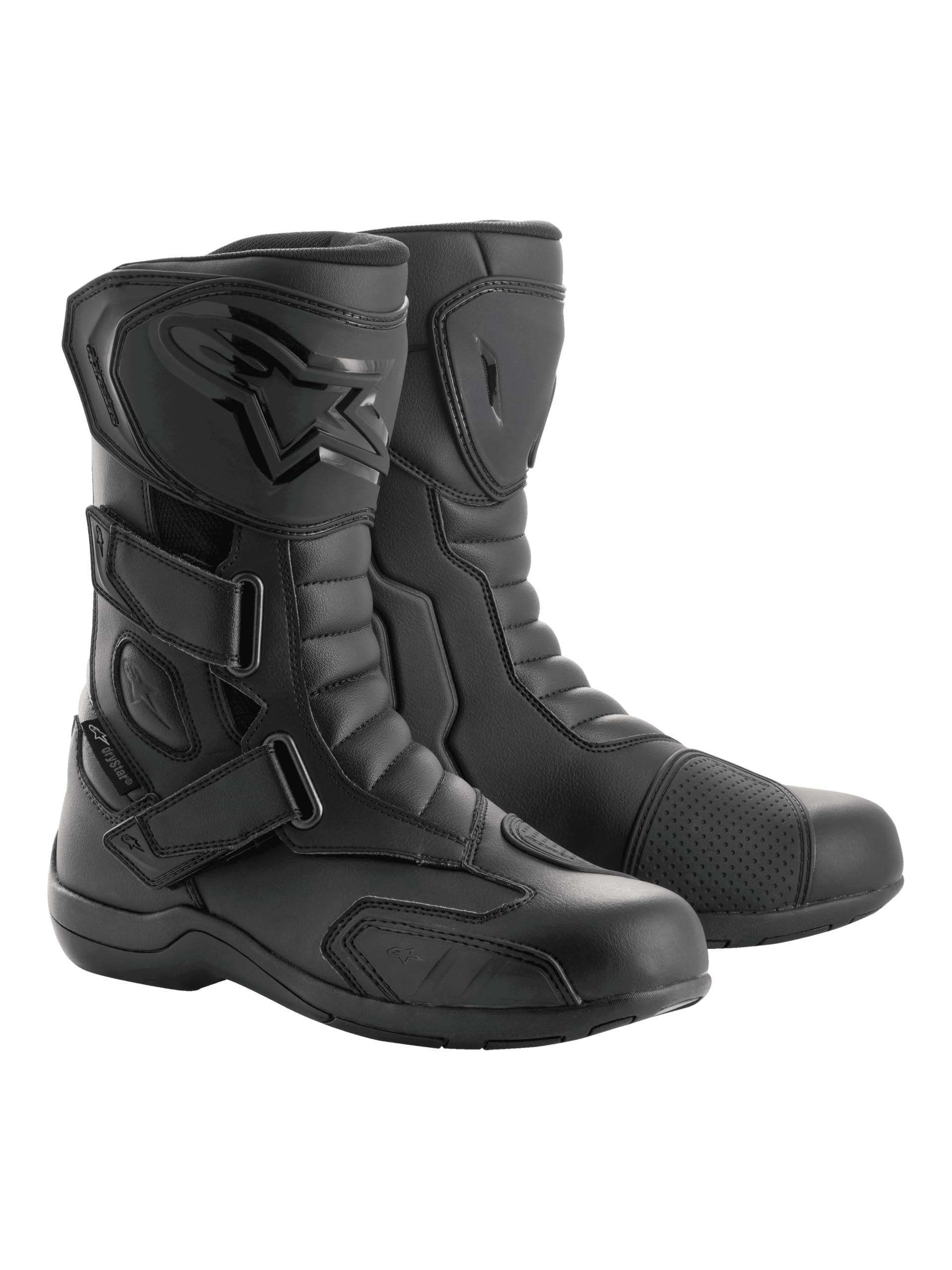


Who Should Buy Which Cruiser Motorcycle Boots?
Your seat height, controls, and how far you walk after parking shape the right choice more than style alone. Riders who also use other machines can see our guide to the best motorcycle boots for the wider category, then return here for cruiser details.
Around Town Riders Who Stop Often
You ride short miles, put your feet down at lights, and walk into shops in the same boots. Choose a mid height boot with a flat and grippy sole and a modest heel, because flat footing a heavy cruiser matters more than extra shaft coverage. A side zip speeds entry, and flexible ankle panels keep walking natural.
Highway and Touring Riders Who Cover Long Miles
You spend hours with your feet forward, exposed to wind, road spray, and heat from the exhaust. Choose a taller waterproof boot with a stiff shank, a cushioned insole, and room for thick socks. Riders comparing broader touring choices can also see our guide to the best motorcycle riding boots, but for a cruiser, check toe fit at the shifter.
Riders Who Wear Their Boots All Day
You commute, work on your feet, or attend rallies where the bike stays parked for hours. Choose a boot with a replaceable insole, moderate weight, and a sole that flexes at the ball of the foot, because a fully rigid sole tires your feet on pavement. Classic styling helps on foot, yet ankle cups and a reinforced toe must stay.
Key Features to Compare
When you compare the best boots for cruiser motorcycle use, work through protection first and style last. A handsome boot that twists at the ankle or slips at a stop fails at its main job. Use the checks below in order.
Ankle, Heel and Toe Protection
Look for firm ankle cups, a reinforced toe box, and a heel counter that resists side crushing. Many quality boots carry a CE rating under the EN 13634 standard, which tests impact, abrasion, and cut resistance. Armor should sit over the ankle bone without pressing on it, and the boot should resist twisting in your hands. After a fall, seek prompt medical care if swelling grows quickly, numbness spreads, pain is severe, or you cannot move your ankle, and talk with your clinician about your needs.
Outsole Grip, Heel Shape and Shifter Wear
A cruiser sole must grip pegs, hold on wet pavement at stops, and survive the shifter rubbing the left toe. Choose an oil resistant rubber sole with a defined heel of about half an inch to one inch, because that heel catches the peg and helps you brace the bike. A reinforced shifter pad spreads toe wear, while tread at the ball and heel sheds water. Avoid smooth dress soles, since they skate on painted lines.
Leather, Shaft Height and Heat Protection
Full grain leather around 1.2 to 1.4 mm thick resists abrasion and molds to your foot over time, while thin synthetics often scuff through faster. Shaft height runs about 6 to 12 inches, and taller shafts shield your calf from engine and exhaust heat and from road debris. Check that the top edge does not dig into your calf when your feet rest forward.
Fit, Width and Closures for the Riding Position
Try boots late in the day with your riding socks, because feet swell on long rides and after standing. You want firm hold at the heel and midfoot, toe room, and no pressure where the shifter lands. Many cruiser boots run narrow, so wide sizes matter if your forefoot spreads under load. Laces set fit with the finest control, a side zip speeds daily entry, and buckles must lock flat. For a women specific last and lower shafts, see our guide to the best women's motorcycle boots.
Weather Protection and Walking Comfort
A waterproof membrane keeps socks dry in rain and road spray, but it also holds warmth, so vented leather suits dry summer riding better. Sealed seams and a gusseted tongue matter as much as the membrane, because water enters at openings first. For walking, look for a cushioned insole and a sole that flexes at the front. Expect to pay about $120 to $250 for boots with real armor, leather, and weather protection.
Cruiser Boot Styles Compared
Style on a cruiser is not only about looks, because shaft shape and sole change how a boot works with forward controls and low seats. Use this comparison with our guide to the best cruiser boots to narrow the shape you want.
Tall Engineer and Harness Boots
These classic pull on styles rise to about 10 to 12 inches and suit riders who want calf coverage and a clean look with jeans. Buckles adjust calf fit, and with no laces, nothing can snag on controls. The tradeoff is a looser heel for some feet, so try walking on a slope in the store.
Mid Height Touring Boots
Touring boots usually stand about 8 to 10 inches tall and pair a side zip with waterproof lining and stronger ankle armor. They suit riders who face changing weather and want one boot for commuting and weekend trips. The toe tends to be slimmer, which helps with tight shifter spacing.
Short Boots for Warm Weather Cruising
Short boots end just above the ankle at about 6 to 7 inches and feel cooler and lighter in summer traffic. They walk well and fit easily under straight leg pants, but they leave your calf open to heat and debris. Ankle armor still matters here, because the ankle bone sits close to hot parts and hard ground.
Common Mistakes to Avoid
Most returns and sore feet trace back to a short list of buying errors that cost little to check.
- Buying by shoe size alone leaves wide feet cramped, which causes numb toes and sloppy shifts.
- Choosing a smooth fashion sole makes wet stops risky, because the boot can slide as you brace the bike.
- Wearing short boots with short pants exposes your calf to exhaust heat, which can burn skin in slow traffic.
- Leaving long lace loops loose lets them catch on pegs or controls, which can pull your foot.
- Storing wet boots in a closed bag breeds odor and mold, which weakens leather and lining.
- Skipping the seated fit check hides toe and calf pressure, because forward controls change how the boot bends.
Care and Maintenance for Cruiser Boots
Brush dust from the leather after rides and wipe salt or fuel splashes with a damp cloth, then let the boots dry at room temperature away from direct heat. Heat from a vent or radiator dries leather until it cracks, so patience protects the upper. Once dry, work in a conditioner made for motorcycle boots.
Inspect the sole each month for worn tread at the heel and ball, cracks near the shifter pad, and loose stitching at the welt. Pull the insoles out between rides so moisture escapes, and store the boots upright with newspaper or boot trees inside. Replace boots after a hard impact that crushes the toe or ankle cups, because damaged armor may not protect you again.
FAQ
What features matter most in boots for a cruiser motorcycle?
Protection, sole grip, and secure fit matter most, in that order. One check many riders miss is floorboard clearance. If your cruiser has floorboards instead of pegs, choose a lower heel and a flatter sole so the boot sits level and your ankle stays relaxed. Peg riders gain more from a defined heel.
What safety certification should cruiser motorcycle boots carry?
Cruiser motorcycle boots should carry a CE mark tested to EN 13634, shown on a label inside the shaft. Level 1 passes a lower impact and abrasion bar, while Level 2 uses higher thresholds for riders who want the strongest tested protection. The label also rates height, abrasion, and cut resistance separately.
How tall should cruiser motorcycle boots be for highway riding?
For highway riding, choose a shaft of about 9 to 12 inches so the top edge sits above the widest part of your calf. That height keeps pant legs from riding up and exposing skin, and it gives the exhaust side more coverage in wind. If the edge presses your calf when seated, try a wider calf cut.
Can you walk all day in cruiser motorcycle boots?
Yes, you can walk all day in cruiser motorcycle boots if the sole flexes at the front and the insole cushions the heel. A practical test is to walk the store for ten minutes and climb stairs, because stairs reveal heel slip that flat floors hide. Loosen the top buckle or laces slightly while parked, then secure them before riding.
How do you break in new cruiser motorcycle boots?
Break in new cruiser motorcycle boots with short rides and house wear over one to two weeks, not one long tour. Leather softens where it creases at the ankle and toe, and short sessions let those creases form without blisters. If a hot spot appears, adjust your socks or lacing that day rather than pushing through.
Our Verdict
Match the boot to your ride first: mid height and grippy for town use, tall and waterproof for highway miles, and flexible with real support for all day wear. Protection, fit, and sole grip outrank styling details. Use the product table above to compare height, weight, and price.
When you shop for the best boots for cruiser motorcycle riding with those checks in hand, the right pair feels obvious in the store and stays comfortable mile after mile. Choose the simplest boot that passes every check.


