Best Boots for Crampons: Buying Guide for 2026
Disclosure: We may earn a commission when you buy through links on this page, at no extra cost to you. As an Amazon Associate I earn from qualifying purchases. Learn more

Compare boots for crampons by stiffness, welt fit, insulation and sizing, so your bindings stay secure and your feet stay warm on snow and steep ice.
A crampon can only grip as well as the boot holding it. If the sole flexes or the binding has no solid welt to clamp, metal points shift under your weight on hard snow. The best boots for crampons match your binding type, your terrain, and the socks you actually wear, and the comparison table below groups current options by those needs.
This guide explains stiffness ratings, welt fit, sizing, and insulation in plain terms, and shows how to check the pairing at home first.



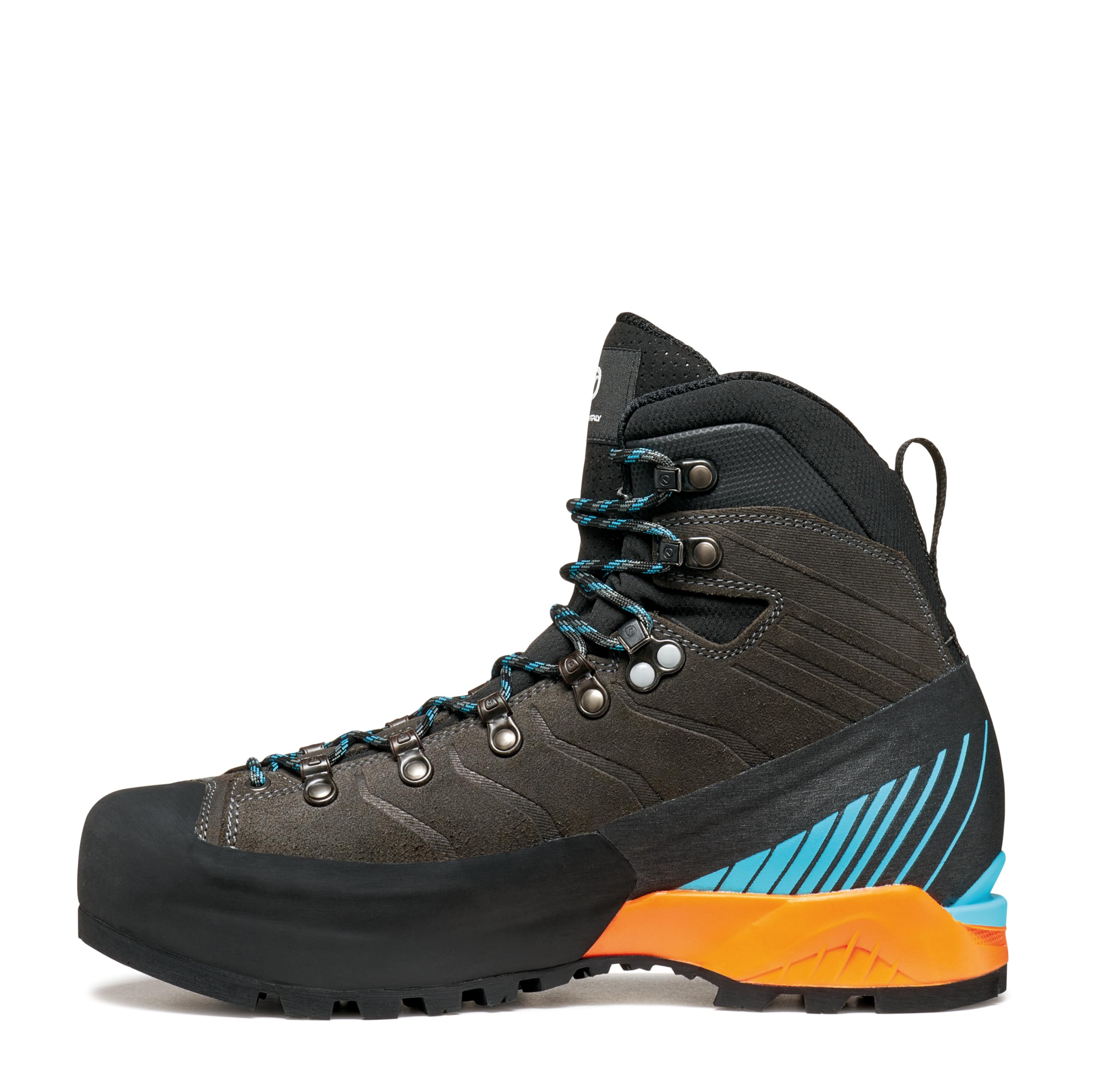


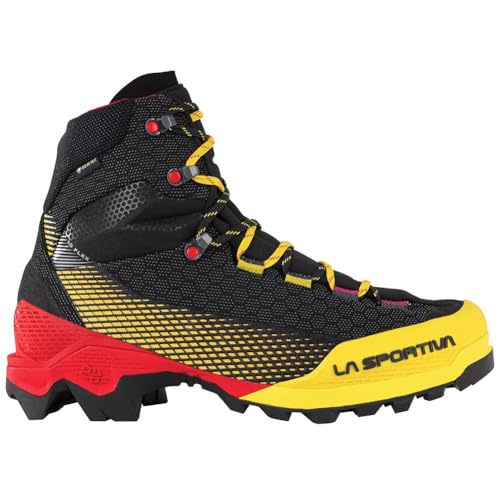
Who Should Buy Boots That Take Crampons?
Your route decides how stiff the boot needs to be. Match the groups below to the steepest ground you plan to cross.
Winter Hikers Moving Onto Steep Snow
You walk trails and open slopes where a slip would mean a long slide, but you do not climb vertical ice. A flexible B1 boot with strap on crampons gives enough hold for firm snow and icy paths while still walking naturally. For binding basics, see our guide to the best crampons for hiking boots before you pair the two purchases.
Alpine Climbers Tackling Ice and Mixed Ground
You kick steps on steep snow, front point up frozen runnels, and edge across rock with crampons still on. You need a stiff B2 or rigid B3 boot whose sole barely bends, because flex under front points tires calves fast and makes points skate. Choose higher ankle support and a close heel fit, since precise footwork matters more than soft walking comfort.
Mountaineers on Multi Day Snow and Glacier Routes
You cross glaciers, carry a loaded pack for days, and may wait at belays in deep cold. An insulated B2 or B3 boot with a waterproof membrane protects against meltwater and spindrift while its rigid sole carries pack weight without folding. Warmth and toe room matter more at altitude, where feet swell during slow rope work.
Key Features to Compare
When you compare best boots for crampons side by side, work through the six factors below in order. Binding fit and stiffness come first, because cushioning cannot fix a pairing that can pop loose.
Crampon Binding Type and Welt Fit
Bindings attach in three ways. Strap on bindings wrap any boot but can loosen as straps stretch when wet. Semi automatic bindings use a heel lever that needs a rear welt, a lip at the back of the sole. Step in bindings need rear and front welts and give the most secure hold for steep ice. Check that the welt is deep, clean, and unbroken all the way around.
Stiffness and Sole Rigidity for Crampon Boots
Stiffness is graded B1, B2, and B3. B1 soles bend at the toe for walking and suit gentle snow slopes. B2 soles resist bending and support edging and short ice steps. B3 soles are fully rigid, so front points stay planted while your heel stays level. Try the twist test in store: if the sole wrings easily, it will feel vague once points bite into hard ice.
Fit, Sizing, and Toe Box Room in Crampon Boots
Measure your feet late in the day, wearing your thickest winter socks, because feet swell and socks add real volume. Leave about a thumb width, roughly 10 to 15 mm, ahead of your longest toe so toes never slam the front when you kick steps or descend. The heel should stay down when you lunge forward. A wide toe box with firm arch support suits broad feet, while a snug midfoot prevents sliding and blisters.
Waterproofing and Insulation for Snow and Ice
A waterproof membrane such as Gore Tex keeps meltwater out when you posthole through soft afternoon snow, and insulation matters once temperatures drop below freezing for hours. Single layer boots dry faster in a tent, while double boots with removable liners suit very cold trips. Persistent numbness, white or waxy skin, or blistering after cold exposure are warning signs that need prompt medical care, and readers with poor circulation should talk with their clinician about personal cold protection needs.
Outsole Grip, Ankle Height, and Boot Weight
Deep, widely spaced lugs shed snow and grip muddy approaches before you put crampons on, and a firm midsole keeps that grip stable under a pack. High cuffs support ankles on side slopes and keep snow out, but they feel clumsy on flat trails. Weight adds up over thousands of steps, yet a light boot that flexes too much costs more energy on steep ground than a heavier rigid boot.
Upper Materials and Durability Against Crampon Points
Full grain leather uppers shrug off scrapes from rock and from your own points, and they suit repeated wet and dry cycles with regular waxing. Synthetic uppers weigh less and need almost no break in time, but sharp points wear their fabric panels faster. Look for a rubber rand around the lower upper, since it takes most knocks, and repair rand damage near the welt quickly so a binding cannot sit unevenly.
Boot Classes Compared for Crampon Use
The B rating is a quick filter, not a guarantee. Use these classes to shortlist, then confirm the exact binding pairing for your model.
Flexible Walking Boots Rated B1
B1 boots feel like sturdy hiking boots with a stiffer sole and a higher cuff. They pair only with strap on crampons and shine on winter trails and moderate snow slopes. Walkers who spend most miles on bare ground choose this class, because its flex makes ordinary hiking far more comfortable.
Stiff Mountain Boots Rated B2
B2 boots cover the widest range of alpine use, from glacier travel to summer ice and rocky ridges. Most accept semi automatic bindings, and some accept step in bindings where the maker confirms a front welt. If you own one pair for varied mountain days, this is usually the class to buy.
Rigid Technical Boots Rated B3
B3 boots are built for steep ice, mixed climbing, and high, cold peaks, and they accept step in bindings. Their soles do not bend, so walking on flat trails feels awkward. Climbers accept that tradeoff for security on vertical ground. Tourers who travel mainly on skis use a different system, explained in our guide to the best crampons for ski boots.
Common Mistakes to Avoid
Most failed pairings come from fit and compatibility checks skipped at home, not from the price of the boot.
- Buying a flexible boot for step in bindings, which lets the sole bend until the front bail can work loose on steep ice.
- Sizing with thin everyday socks, which leaves toes crushing the front of the boot once thick winter socks go on.
- Assuming every boot with a heel lip fits a heel lever, which risks a loose fit when the welt shape differs from the binding.
- Choosing an uninsulated summer boot for deep winter routes, which leaves feet numb and slows your reactions on exposed ground.
- Skipping a home practice session, which means your first attempt at fitting bindings happens with gloves on and wind rising.
Care and Maintenance for Crampon Compatible Boots
Good care protects the welts and membranes your safety depends on, and minutes after each trip prevent most early failures.
- Brush grit and mud from welts and lug grooves, since trapped stones can hold a binding slightly off the boot.
- Air dry boots at room temperature with liners removed, away from heat that can crack leather and warp soles.
- Reproof leather uppers when water stops beading, and check membrane boots for worn lining at the heel.
- Inspect welts, stitching, and the rand before big trips, and repair small cuts early so water cannot reach the midsole.
- Store boots upright in a cool, dry place with loose paper inside to hold the toe box shape.
Retire a boot when the sole delaminates, the welt chips away, or the upper cracks deeply at the flex point, since a binding is only as trustworthy as the structure it clamps onto.
Frequently Asked Questions About Boots for Crampons
What stiffness rating do boots need for crampons on steep ice?
Steep ice calls for B3 boots, and B2 boots handle short, less steep ice steps. A rigid sole keeps both front points weighted evenly, which a flexible sole cannot do. Confirm the maker lists your exact binding style as approved, since boots with the same B rating can have welt shapes that suit different heel levers.
How should boots for crampons fit with thick winter socks?
Boots for crampons should feel roomy at the toes and locked at the heel when you wear your thickest socks. Toes must wiggle freely, because wiggling keeps blood moving in cold weather. If toes turn numb after twenty minutes standing still, try a half size up or a wider last rather than adding a second sock, which often reduces circulation.
Can flexible hiking boots take strap on crampons safely?
Yes, flexible hiking boots can take strap on crampons safely on gentle snow and icy trails. The pairing fails on steep slopes, where sole flex lets the frame bend away from the boot. Soft footwear shows the same limit, as our guide to the best crampons for snowboard boots explains for strap systems on flexible soles.
Do boots for crampons need insulation for winter alpine use?
Yes, winter alpine boots for crampons need insulation matched to the coldest temperature and the slowest part of your route. Belay stops and glacier queues cool feet far more than steady walking does. For spring snow in mild weather only, an uninsulated waterproof boot with warm socks can work and serves better on summer approaches.
How do I check that crampons fit my boots before a trip?
Fit crampons to your boots at home, then stand, lunge, and twist on a soft surface to check the hold. The frame should follow the sole edge with no gaps, and the heel lever should close with firm pressure, not force. Mark each crampon left and right after adjusting, and pack the tool your binding needs for field repairs.
The Bottom Line
Start with the binding your terrain demands, then match stiffness, welt fit, and sizing with your winter socks on. Insulation and waterproofing protect you once the pairing is sound. Chosen in that order, the best boots for crampons feel secure on steep snow and calm on the walk in. Compare finalists in the product table above and check the pairing at home first.