
Best Boots for Colorado Elk Hunting in 2026: A Buyer Checklist
Disclosure: We may earn a commission when you buy through links on this page, at no extra cost to you. As an Amazon Associate I earn from qualifying purchases. Learn more

Use this checklist to compare the best boots for colorado elk hunting by insulation, stiffness, fit and weight, with price bands and red flags.
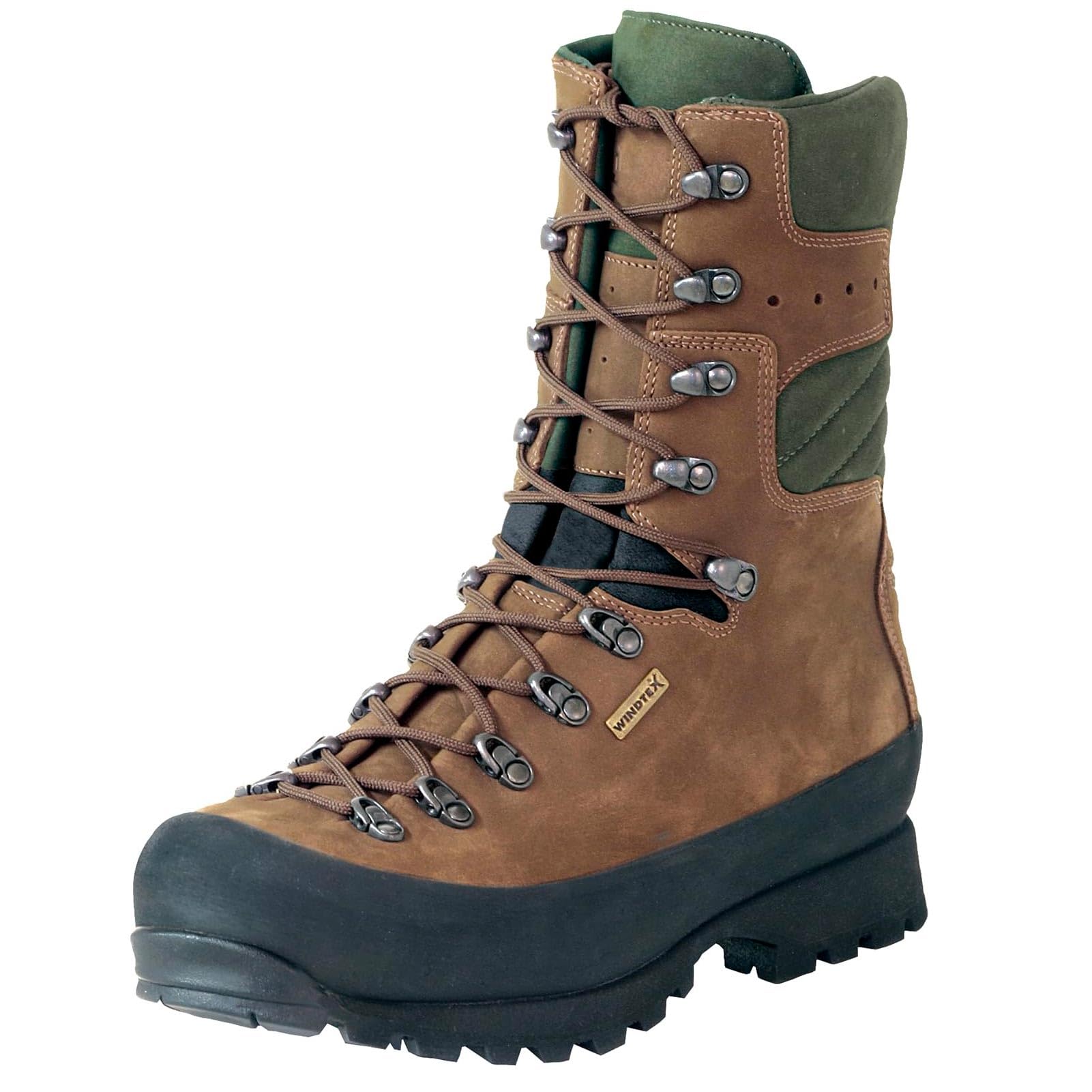
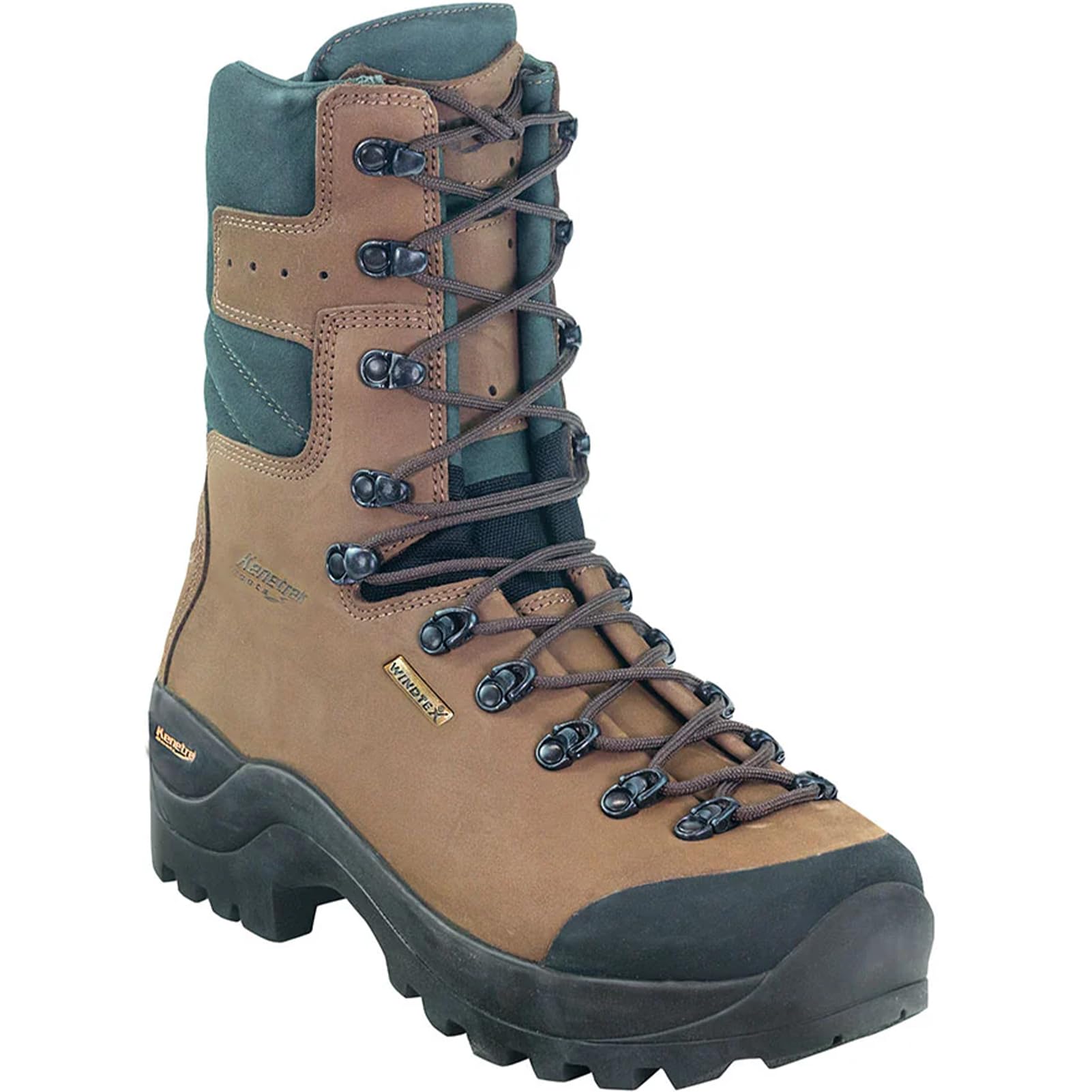
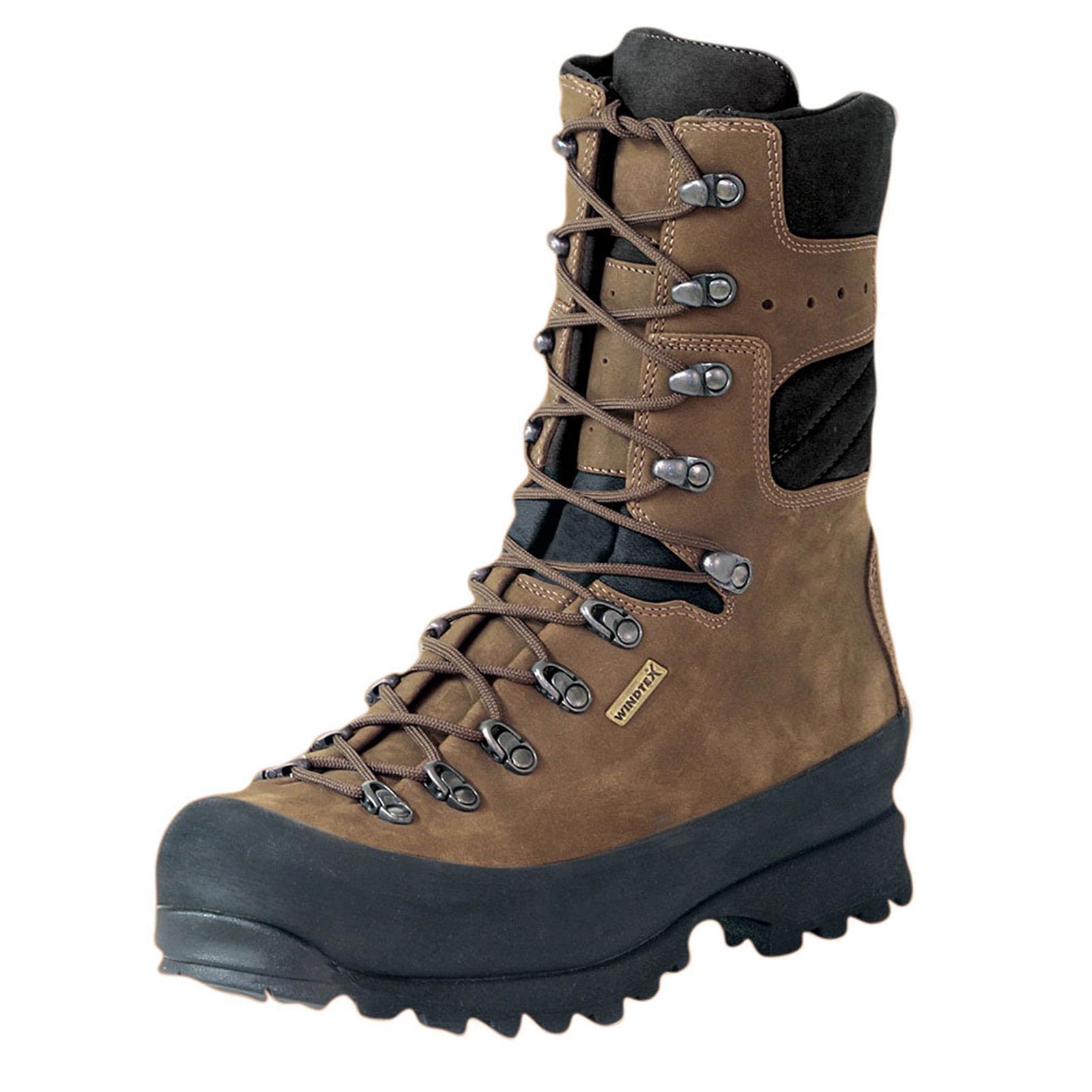
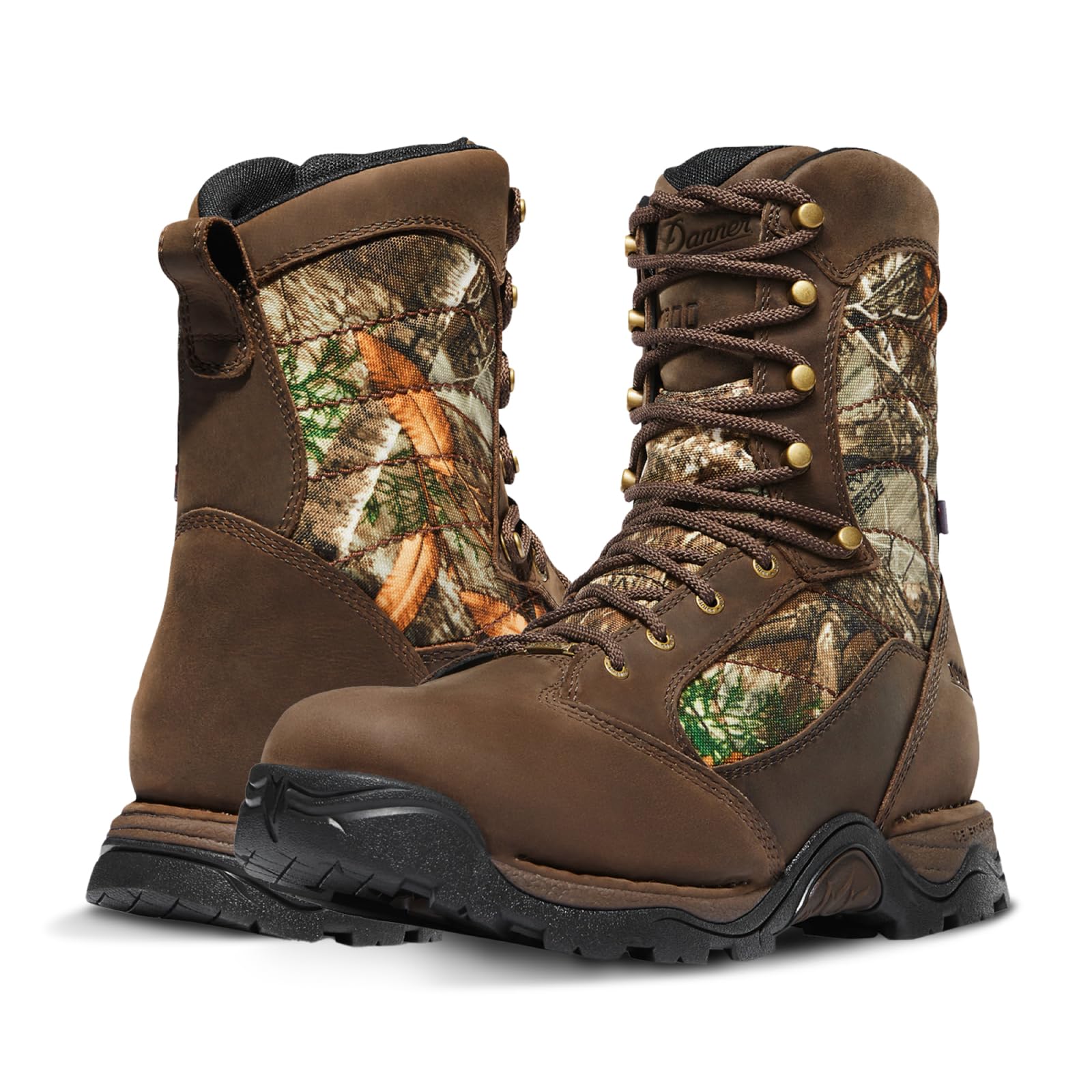
Elk country in Colorado is steep, high and cold, and a boot that fails there ends a hunt faster than any other gear mistake. This guide is a checklist, not a ranking: any boot that passes every criterion is a sound buy. The best boots for colorado elk hunting share three traits, the right insulation for the season, enough stiffness for side hills, and a fit that survives long miles. The comparison table below collects current options to check against the list.
Seasons change the answer, because a September archery hunt and a November rifle hunt ask very different things of the same boot. The checklist below is written for Colorado terrain, from timberline basins to dark timber, and each criterion names the threshold to look for. Readers comparing the wider category can also start from the guide to best hunting boots for elk hunting and then narrow to the state specific points here.



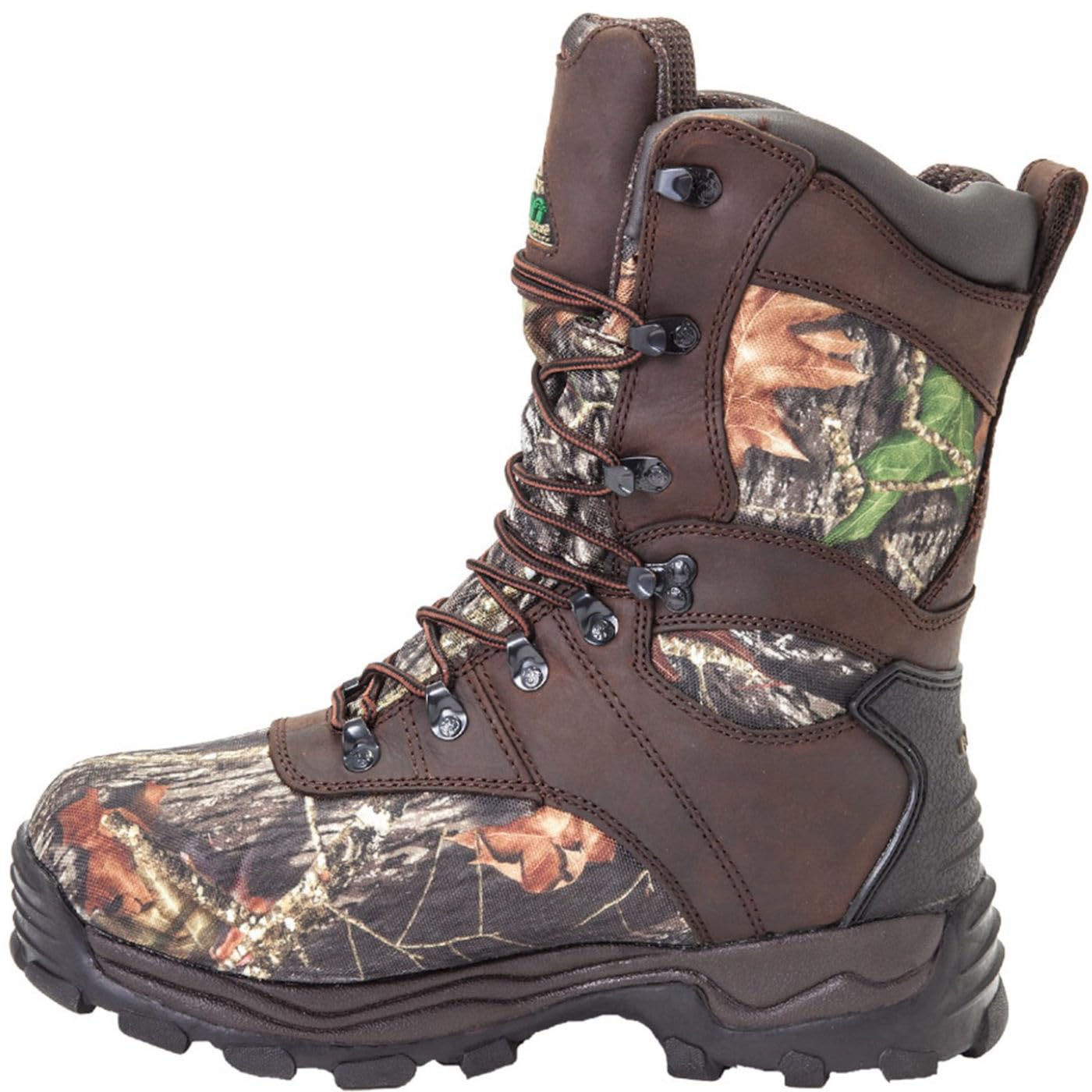
A Buyer Checklist: The Specs That Matter
Score each boot against the criteria below, in this order. Insulation and stiffness come first because they are fixed by the season and the terrain, while fit can sometimes be adjusted with socks and insoles. The glassing half of the kit matters too, and our guide to best elk hunting binoculars covers the optics that pair with these boots.
Insulation Matched to the Season
Read the insulation against the season first, because the same boot cannot suit both ends of the elk calendar. Early season hunts in September are warm and mobile, so an uninsulated boot that breathes is the right call. Late season hunts in November bring snow and long, still glassing sessions, and there you want about 400 to 800 grams of insulation. Mid season sits between, where about 400 grams covers most hunters who keep moving.
Stiffness for Steep Side Hills
Stiffness is the second fixed choice, because Colorado elk live on slopes and crossing a steep side hill loads the edge of the boot all day. A stiffer shank and a firm ankle keep the foot from rolling on that traverse and spread the load across the sole. Soft, flexible boots feel kind in camp but tire the ankle on side hills within a few miles. Match the stiffness to the steepest ground you honestly expect to cross, not the trailhead walk.
Fit, Sizing, and Toe Box
Fit comes third, and it is personal: measure your feet in the evening and try boots on with your hunting socks. Your toes need room to spread on descents, because a tight toe box turns every downhill into bruised toenails by day three. Heel hold matters just as much, since a loose heel on climbs is the classic recipe for blisters. When you are between sizes, the larger size with a thicker sock is usually the safer elk country choice.
Break In and Comfort Out of the Box
No elk boot should make its first climb on opening morning. Plan about 25 to 50 miles of walking before the season, spread over several weeks, so the leather and your feet adapt together. A boot that still has a hot spot after that mileage needs a different insole or a different size, not more hope.
Weight and Flexibility
Weight governs how many miles you can cover, because elk hunting days are measured in elevation as much as distance. A pair around 3 pounds climbs all week without punishing your legs, while a pair near 5 pounds earns its keep only in the coldest, roughest country. Every extra pound on your feet costs more energy than the same pound in your pack. Choose the lightest boot that still passes the insulation and stiffness checks for your season.
Outsole Traction and Terrain
The outsole has to bite on wet rock, mud and patchy snow without loading up with clay. Deep lugs, around 5 millimeters, clear mud as you walk and grip on loose descents, while a defined heel breast helps you brake on steep downhill steps.
Durability and Expected Lifespan
Full grain leather uppers with few seams resist the abrasion of rock and brush better than panels of thin fabric. A stitched or well bonded sole joint matters, because delamination miles from the truck is a hunt ending failure. Expect roughly 500 to 800 miles from a quality pair before the tread and cushioning fade.
What the Budget Bands Buy
The product table above shows where current options land, and the bands below explain what the extra money buys in the best boots for colorado elk hunting. Hunters who mostly walk trails rather than side hills can also compare best hiking boots for elk hunting, which trade stiffness for lighter weight. State specific picks are gathered in the guide to best hunting boots for colorado as well.
Under About $200
Boots under about $200 usually pass the fit check but compromise on insulation range and sole stiffness. If this band is your budget, spend your remaining money on good socks and an aftermarket insole.
About $200 to $350
The middle band is where season specific boots appear, with real insulation choices and stiffer shanks. Leather quality improves, waterproof membranes become standard, and most makers offer wide fittings here. For a hunter who draws one Colorado tag a year, this band covers the whole checklist.
Above About $350
Above about $350 you pay for premium leather, precise construction and resolable soles on some designs. The gains are durability and fit refinement rather than warmth, so the jump suits hunters who spend weeks each year in steep country. Try this band last, and only after the cheaper bands fail a checklist item you cannot compromise on.
Quick Buyer Checklist
Ask these questions of any boot before it goes in the cart. One clear no on the first three questions should end the discussion.
- Does the insulation match your season, uninsulated for early hunts and about 400 to 800 grams for late hunts?
- Is the boot stiff enough to hold an edge on a steep side hill?
- Do your toes clear the front of the toe box on a downhill slope?
- Have you planned 25 to 50 miles of break in before opening day?
- Does the outsole have deep lugs and a heel that can brake a descent?
- Is the weight honest for the miles you plan to cover each day?
Red Flags to Watch For
Boots that fail in the mountains usually show a sign on the product page first.
- Insulation listed without a gram weight, which makes the season rating impossible to check.
- A soft, sneaker like sole sold for mountain hunting, a design that will punish your ankles on side hills.
- Waterproof claims with no membrane or seam sealing described, which usually means a light coating only.
- Sizing that runs only in whole sizes with no widths, a poor sign for a boot worn on long miles.
- A warranty of a few months on a boot priced for several seasons of use.
Care and Storage Tips
After a hunt, rinse off mud, pull the insoles out and let the boots dry slowly away from direct heat that cracks leather. Condition leather uppers once they are clean and dry, so the surface stays supple through the off season. Store the pair upright in a cool, dry place rather than crushed under other gear. A boot that is cared for this way keeps its fit and its waterproofing far longer.
Your Questions Answered
What features matter most in boots for Colorado elk hunting?
Insulation matched to the season matters most, followed closely by stiffness for steep ground. Those two are fixed by when and where you hunt, so they outrank brand, color and small comfort features. A point worth adding: altitude changes the comfort equation, because feet swell on long climbs above timberline. Leave a little extra toe room if most of your hunting happens that high.
How long is the break in period for elk hunting boots?
Allow about 25 to 50 miles, spread over several weeks before the season opens. Stiff late season boots sit at the long end of that range. Wear your hunting socks and your loaded pack on the later walks, since weight changes how the boot flexes. Never let opening morning be the first real test of a new pair.
Are expensive elk hunting boots worth the money?
They can be, but only after the checklist is passed. Premium prices buy thicker leather, better construction and sometimes a resolable sole, which pays off across many seasons. A hunter who goes one week a year often gets more value from a mid priced boot plus a spare pair of quality insoles. Fit beats price every time, so never trade a good fit for a famous name.
Do elk hunting boots in Colorado need to be waterproof?
For late season hunts, yes, because snow, creek crossings and wet meadows are part of the country. A waterproof membrane keeps feet dry from the outside, though it cannot stop water that comes over the top of the shaft in a deep crossing. Early season hunters in dry September weather can skip the membrane for better breathability. Whatever you choose, carry a spare pair of dry socks for the walk out.
How often should elk hunting boots be replaced?
Replace them when the tread is worn smooth, the midsole feels dead, or the upper leaks after reproofing. For most hunters that lands around 500 to 800 miles, which can mean several seasons of use. A resolable boot can gain a second life with a new sole instead of a full replacement. Retire a pair gradually into training walks rather than trusting it on one last big hunt.
How should boots for Colorado elk hunting fit?
They should hold the heel firmly, leave room for toes on descents, and match the sock system you hunt in. Try them on in the evening, when feet are largest, and walk down an incline in the shop if one is available. Thick late season socks can add half a size of volume, so fit the boot to the thickest socks you will wear. A small amount of heel lift in a stiff new boot is normal and fades as it breaks in.
Wrapping Up
Work the checklist in order: season first, then stiffness, then fit, then weight. A boot that passes all four will serve you anywhere elk live in Colorado, from September timber to November snow. Compare the candidates in the product table above against each criterion, and choose the best boots for colorado elk hunting for the season you actually drew. Prices and availability can change, so check the product page before ordering.


