Best Boots for Climbing Trees: A First Time Buyer's Guide for 2026
Disclosure: We may earn a commission when you buy through links on this page, at no extra cost to you. As an Amazon Associate I earn from qualifying purchases. Learn more

Shopping for boots for climbing trees for the first time? Learn spur and rope needs, fit, shank support and grip, and avoid common rookie mistakes.
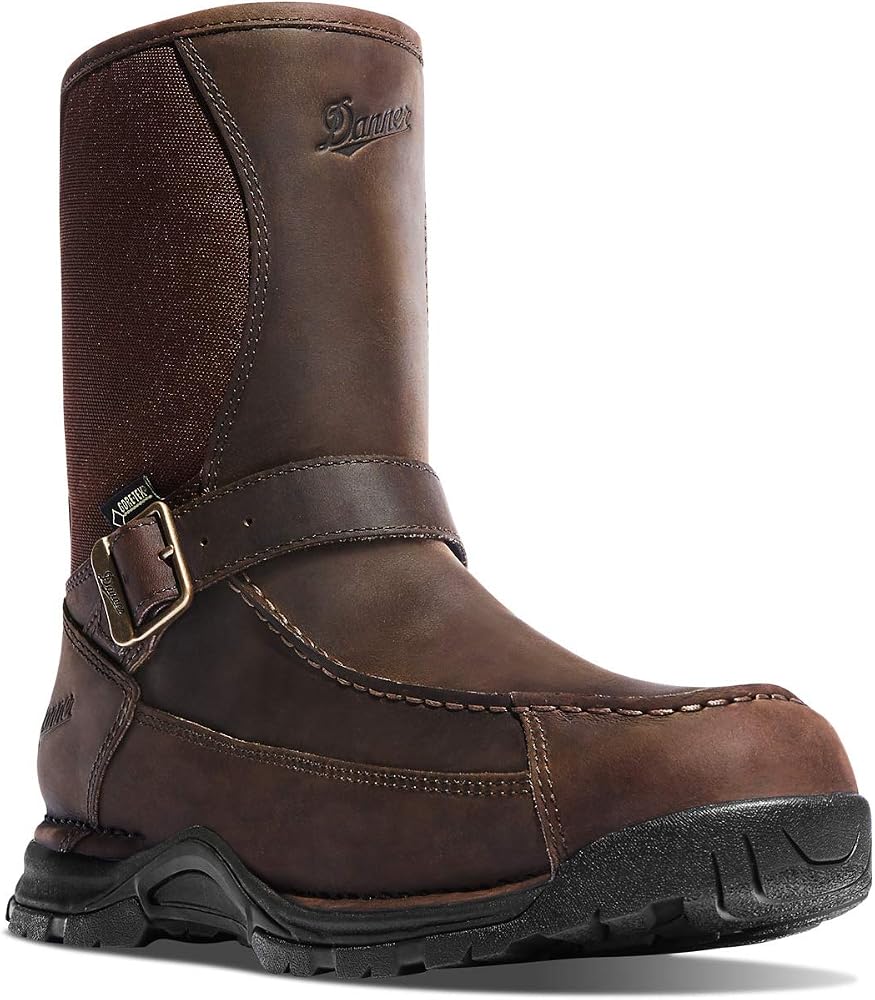
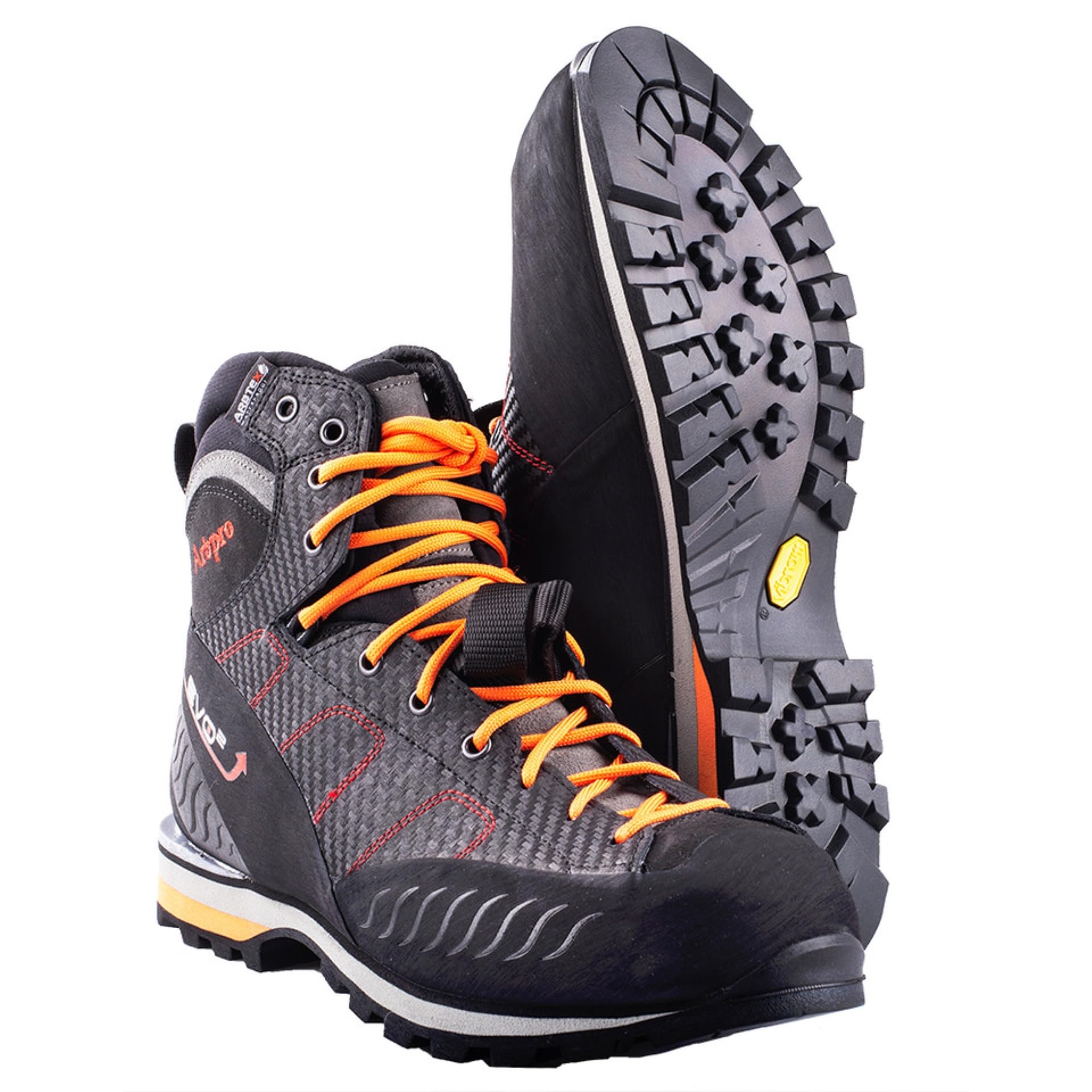
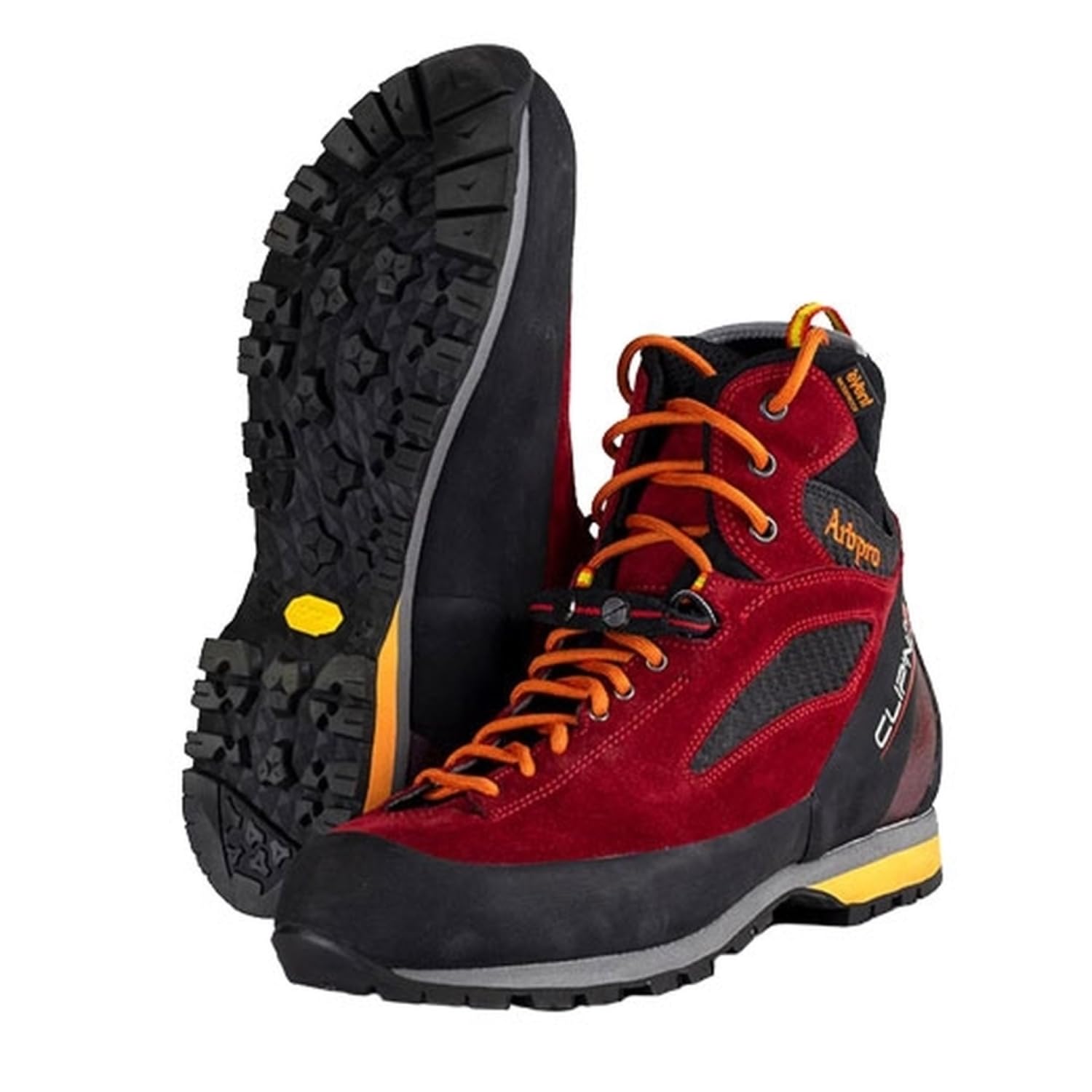
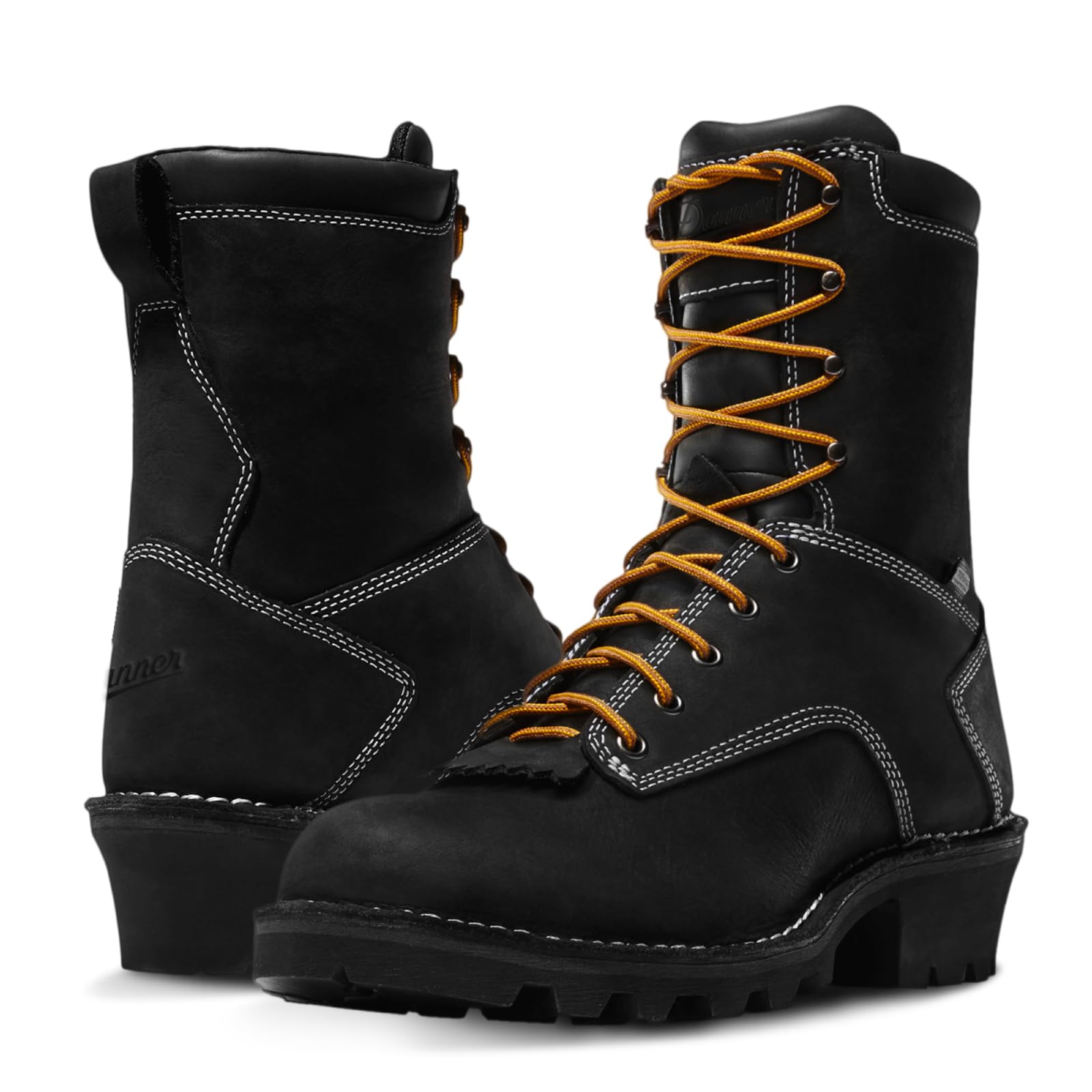
Buying climbing boots sounds simple until you learn that the method changes everything. A boot built for spurs feels very different from one built for rope work. The best boots for climbing trees match your method, your feet and the bark you will stand on, and this guide starts with those basics. Use the comparison table below to check each model against the points that follow.
Think first about how you will climb. Will you wear spurs on removals, move on a rope for pruning, or climb for recreation? Each answer points to a different heel, shank and sole, so settle that question before you compare prices.
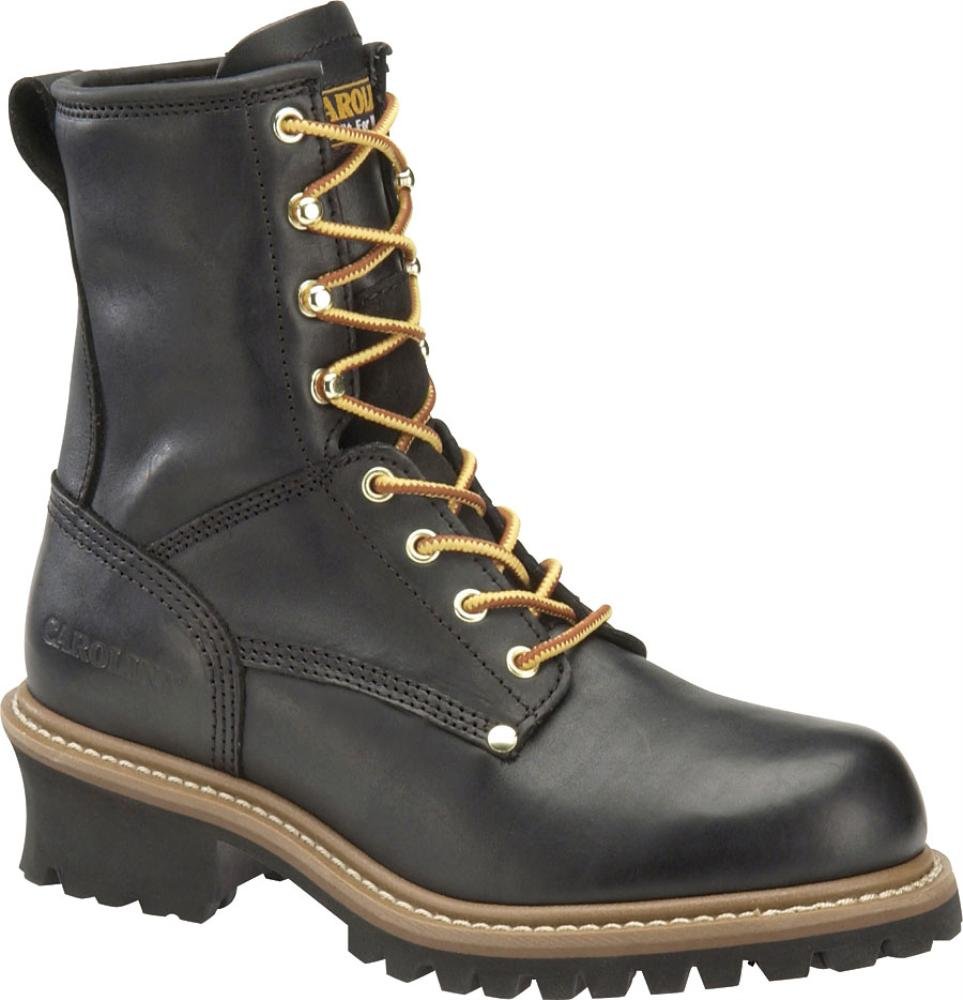
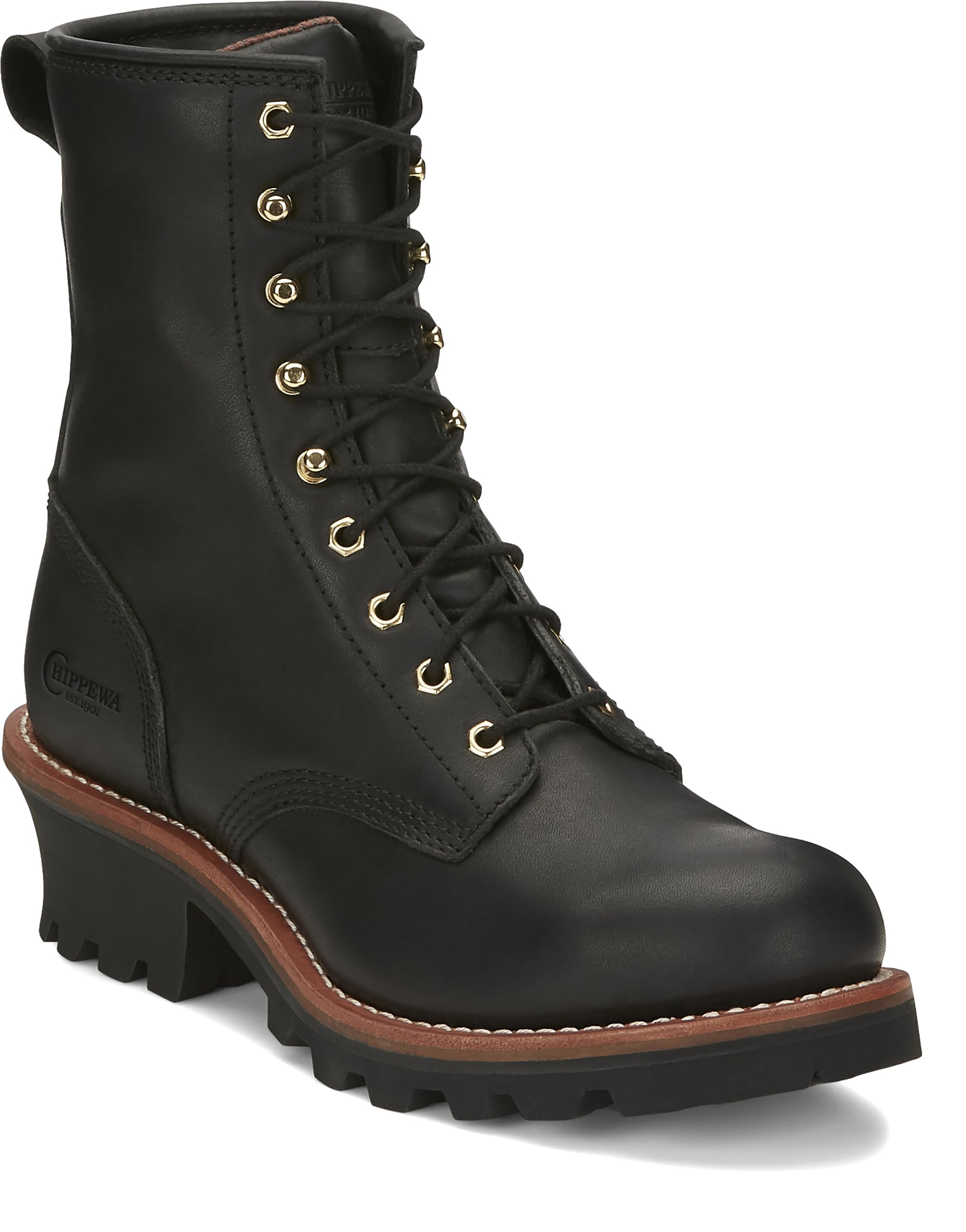
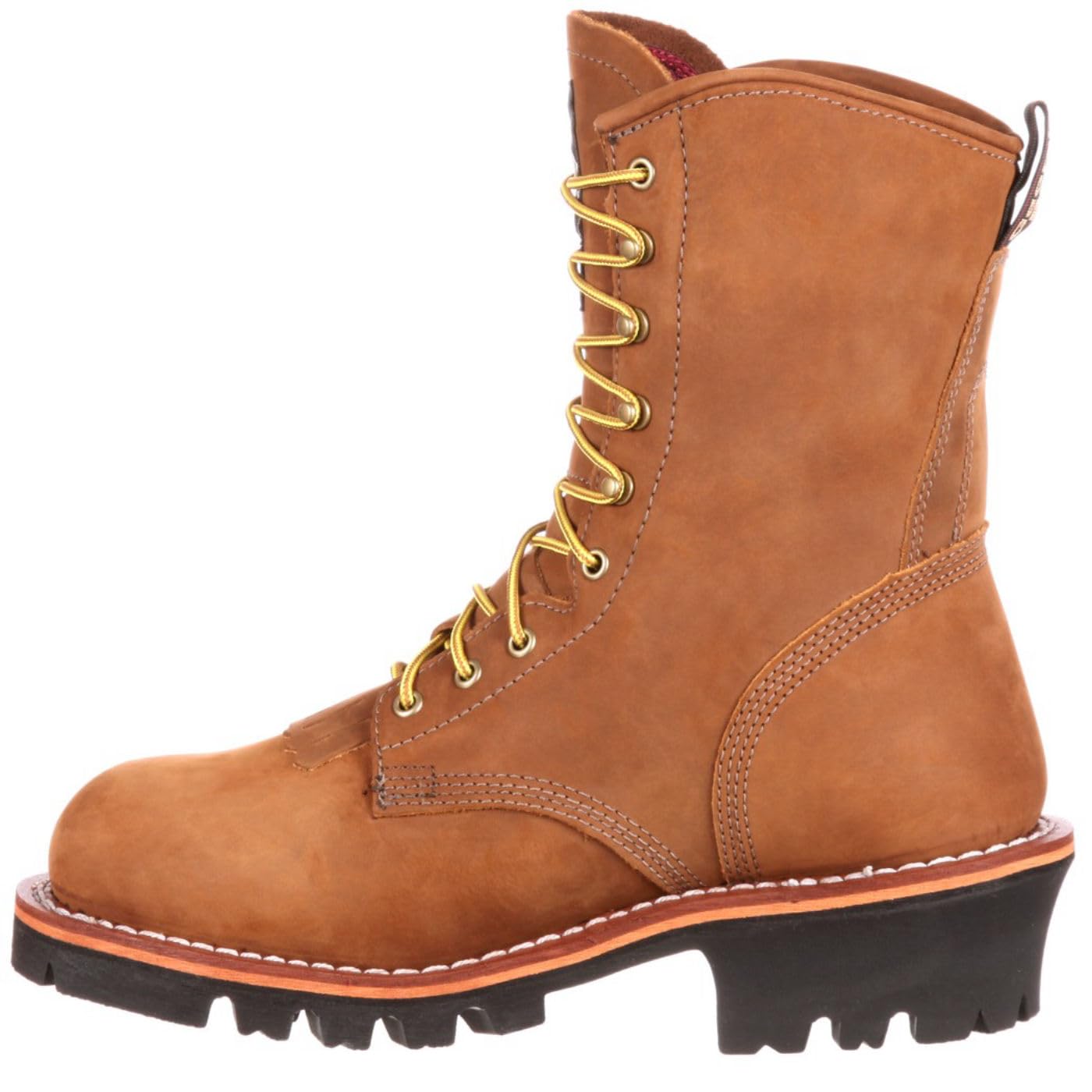


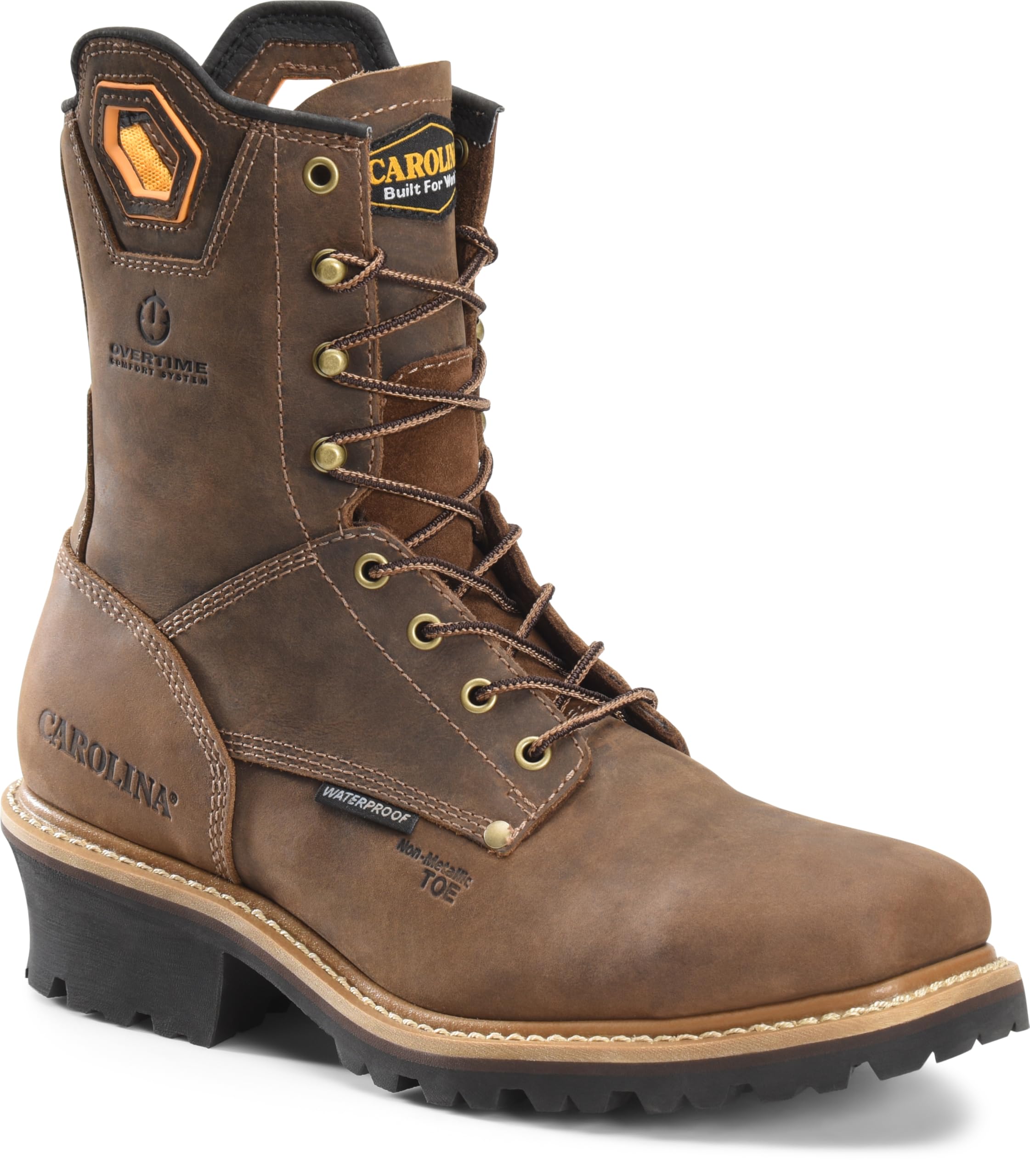
Boots 101: The Basics for First Time Tree Climbers
A tree climbing boot supports you on bark, branches and climbing gear rather than on flat ground. The sole must grip rounded and often damp surfaces, and the upper must resist scuffs from rough bark.
Two terms explain most of the range. Spur climbing uses metal climbers strapped to your lower legs, and it calls for a stiff shank and a defined heel. Rope climbing uses a harness and rope, and it rewards sole grip and an ankle that can flex for a foot lock. General footwear in our guide to the best climbing boots covers a wider mix of ground, while tree work narrows the choice to bark and rope contact.
Who Should Buy Which Boots for Climbing Trees?
Your climbing method and weekly routine matter more than a label. Match the groups below to your first season.
New Rope Climbers and Recreational Climbers
Choose a mid height boot with a grippy rubber sole, a flexible ankle and firm arch support. You will spend time learning foot locks, limb walks and balance on branches, so traction and controlled flex help more than maximum stiffness. A lighter boot also reduces leg fatigue during practice sessions close to the ground.
Trainee Arborists Who Will Climb With Spurs
Choose a taller boot with a stiff shank, a clear heel breast and a durable leather upper. The shank spreads your weight across the climber, and the tall shaft adds support against bark and strap pressure. If pole work may follow later, compare the fit notes in our guide to the best lineman climbing boots, since pole climbers place similar demands on heel and shank.
Ground Crew Members Moving Into the Canopy
Choose a versatile boot that walks well on the ground and still grips bark during short climbs. You will haul brush and walk on soil and pavement between climbs, so cushioning and a moderate heel to toe drop matter for the ground hours. Avoid an extreme spur only design if most of your day stays on the ground.
Arborist Boot Specs Decoded for New Climbers
Read each spec through your climbing method. The right choice for the best boots for climbing trees on spurs can be the wrong choice for rope work, and the notes below show where that split falls.
Features That Matter for Climbing Trees
Traction, shank stiffness and heel shape lead this list. Lugged rubber grips bark better than a smooth sole, and deeper lugs shed mud after ground work. A stiff shank matters most on spurs, where your weight rests on a narrow metal support. A defined heel helps locate a stirrup and keeps straps seated, while rope climbers should value sole grip and ankle flex more.
Fit, Sizing, and Toe Box
Measure both feet late in the day, when they are at their largest, and try boots with the socks you will climb in. Your heel should stay seated as you flex, your toes should clear the front on a slope, and the toe box should let your toes spread without side pressure. If you fall between sizes, choose the size that prevents heel lift, since lift causes blisters and weakens control on small footholds.
Durability and Expected Lifespan
Bark is abrasive, so look for a tough leather or reinforced synthetic upper, protected stitching and a sole built for resoling where the maker offers it. Lifespan depends on hours aloft, spur use and wet work rather than on miles walked. Inspect wear monthly and retire a boot once grip or support fades.
Softening New Climbing Boots Before Your First Big Ascent
Stiff leather spur boots often need several short wears before the shaft and shank feel natural, while softer rope climbing boots may feel ready sooner. Break a new pair in on the ground and on low practice climbs, adding time each day instead of starting with a full day aloft. Mild stiffness is normal, but sharp pressure or numb toes are fit problems, not stages to endure.
Weight and Flexibility
Heavier boots usually bring thicker leather, taller shafts and stiffer shanks, which help on spurs and during rough removal work. Lighter boots flex more, suit rope movement and feel less tiring on long approaches. Neither end wins for everyone. Spur climbers should accept extra weight for support, while rope climbers can trade some protection for flex, as long as the sole still grips bark and the ankle feels stable on branches.
Cushioning and Support
Cushioning softens ground impact when you walk between trees, but too much soft foam can feel vague on a branch. Arch support and stability matter more aloft, where a firm midsole helps your foot bridge a crotch or rest on a climber. A modest heel to toe drop suits most new buyers. If you feel sharp pain, numbness or loss of feeling, come down, and seek medical care if those signs continue. Talk with your clinician about personal needs if you have circulation concerns or a past foot injury.
Getting Started: Setup and First Use in the Trees
Lace new boots firmly from the lowest eyelets upward, snug across the midfoot and slightly easier at the top if your ankle needs to flex for rope work. Check that spur straps sit flat, then stand on a low sturdy branch before you gain height. Keep early sessions short and supervised by a trained climber.
Waterproof boots with a Gore Tex membrane help on wet bark and in morning dew, yet they breathe less in heat and dry slowly once soaked inside. Very rigid footwear in our guide to the best ice climbing boots solves a different problem, crampon use on ice, so do not copy that stiffness for tree work.
Common Mistakes to Avoid
- Buying hiking boots for spur work leaves you without the stiff shank and defined heel the climbers need.
- Choosing size from street shoes alone ignores climbing socks and foot swell, and it leads to pinched toes aloft.
- Testing grip only on dry pavement hides how a sole behaves on wet bark, where a slip carries real risk.
- Skipping break in time and starting with a long climb turns normal stiffness into blisters and sore arches.
- Climbing beyond your training puts you at height without the skills to descend safely.
- Ignoring worn lugs or a cracked shank lets a small defect fail while your weight rests on it.
Care and Maintenance of Boots for Climbing Trees
Brush bark, soil and sawdust from the upper and sole after each climb, and pull the insoles out so the inside can dry. Air dry wet boots away from direct heat, since high heat can crack leather and warp adhesives.
Clean leather with a soft brush and mild cleaner made for footwear, then condition it once it feels dry and stiff, taking care not to soften a spur boot so much that support fades. Check laces, eyelets, stitching and heel edges before each outing, and store boots upright out of direct sun.
FAQ
What features matter most in boots for climbing trees for a first climb?
Grip on bark, a fit with no heel lift and support matched to your method matter most for a first climb. Add one point many new buyers miss: check how the boot feels while you stand still on a branch for a full minute. A sole that feels fine in motion can still roll or ache under a steady load.
How long is the break in period for boots for climbing trees?
The break in period for boots for climbing trees is often one to two weeks of short wears for stiff leather models, and less for softer designs. Keep a log of sore spots, since a spot that moves as the leather softens is normal, while a spot that stays and worsens points to a fit fault.
Are expensive boots for climbing trees worth the extra cost?
Expensive boots for climbing trees can be worth it when the price buys a stiffer shank, better leather and a sole that can be renewed. The clearest value test is cost per season of safe use, not the ticket price alone. A budget pair replaced after one hard season may cost more over time than a durable pair that stays supportive, provided the fit was right from the start.
Do I need waterproof boots for climbing trees?
You need waterproof boots for climbing trees only if you often climb in rain, wet canopy work or heavy dew. In dry heat, a waterproof membrane can leave feet hotter and sweatier, which raises blister risk on long ground walks. Many first time buyers do better with one breathable pair for fair weather, then add a waterproof pair once wet work becomes regular.
How often should I replace boots for climbing trees?
Replace boots for climbing trees when grip, shank support or upper integrity fades, not on a fixed calendar date. One useful check is the heel edge: once it rounds over, stirrup contact and branch footing feel less secure even if the upper looks sound. Spur users should also retire a boot when the shaft softens enough that straps shift during a climb.
Wrapping Up
Settle your climbing method first, then judge fit, shank support and bark grip in that order. Rope climbers need flex and traction, spur climbers need stiffness and a defined heel, and ground heavy crews need walking comfort too. Use the product table above to compare shaft height, sole and weight against those priorities.
When you shop for best boots for climbing trees with a clear method and a careful fit check, your first pair can support your learning instead of fighting it. Start low and climb with training.