
Best Boots for Climbing Spurs: A First Time Buyer's Guide for 2026
Disclosure: We may earn a commission when you buy through links on this page, at no extra cost to you. As an Amazon Associate I earn from qualifying purchases. Learn more

Shopping for the best boots for climbing spurs for the first time? Learn the terms, compare options, and avoid rookie mistakes with this easy guide.
Buying your first pair for spur climbing can feel confusing, because a normal work boot is not built for the job. The best boots for climbing spurs give your foot a firm platform while a steel point carries much of your weight against a trunk or pole. This guide starts with the basic terms, then moves to fit and features.
Think about where you will climb, how long you will stay aloft, and how much ground work you will do between climbs. Those answers point you to the right shaft height and heel shape. Use the comparison table below to check those points side by side.
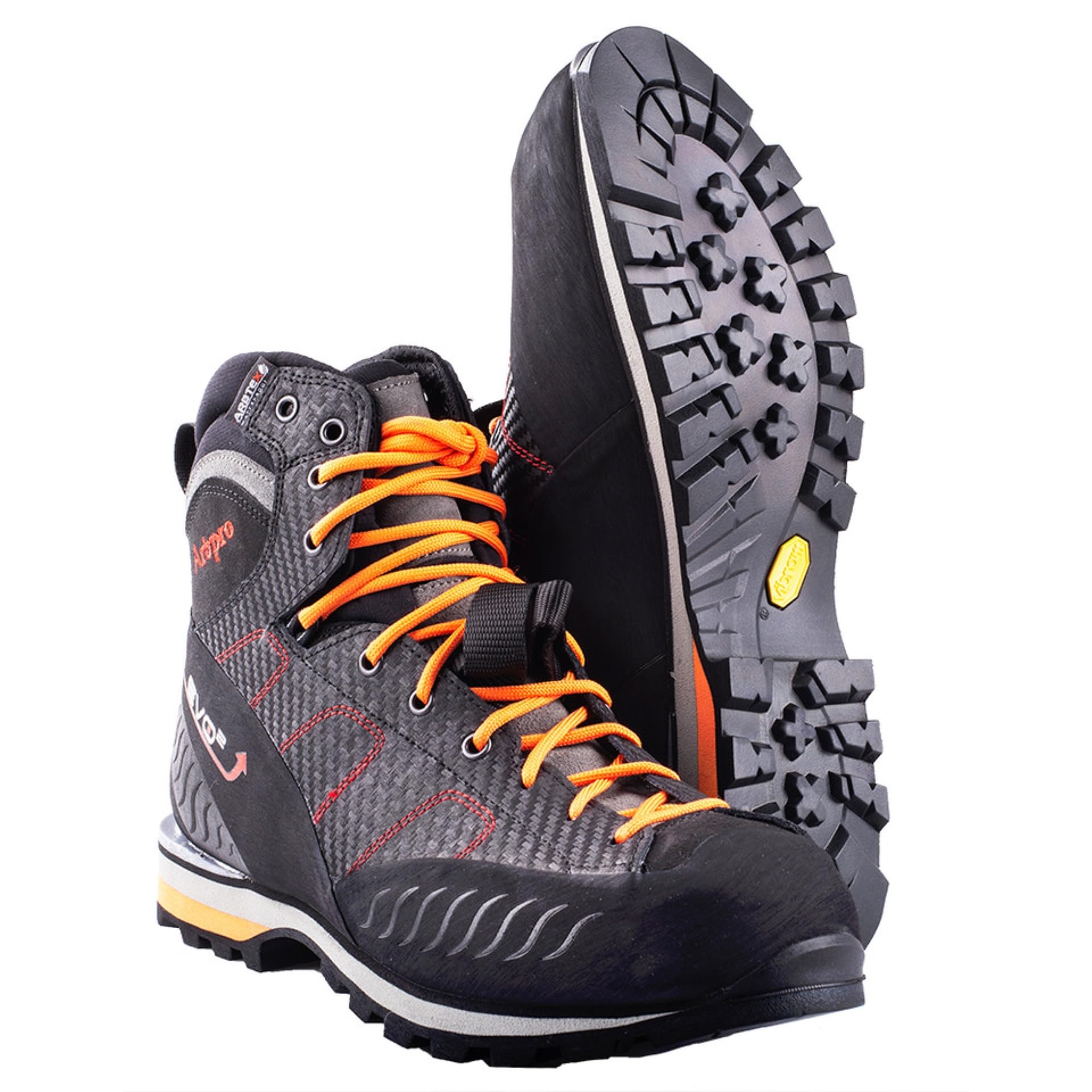
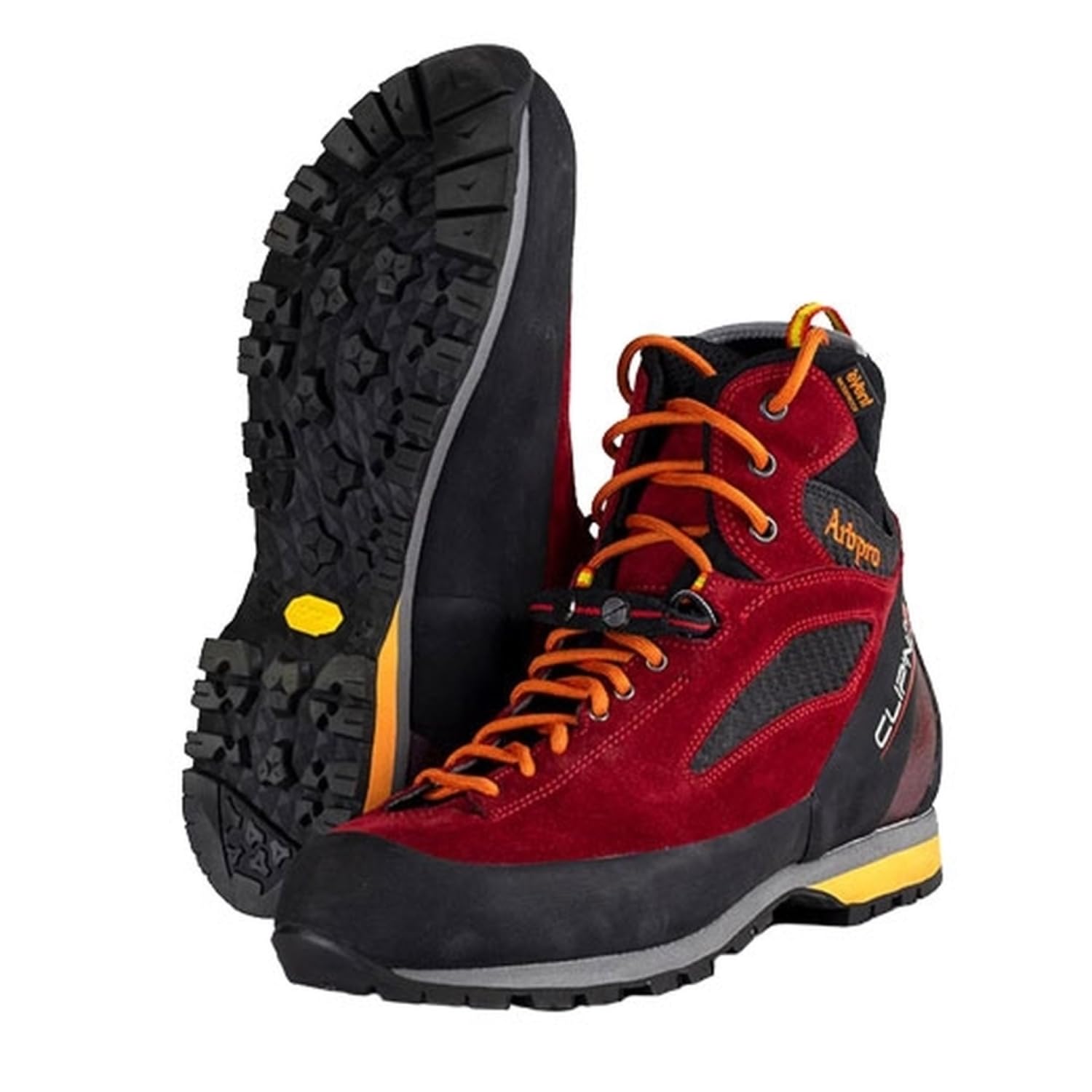

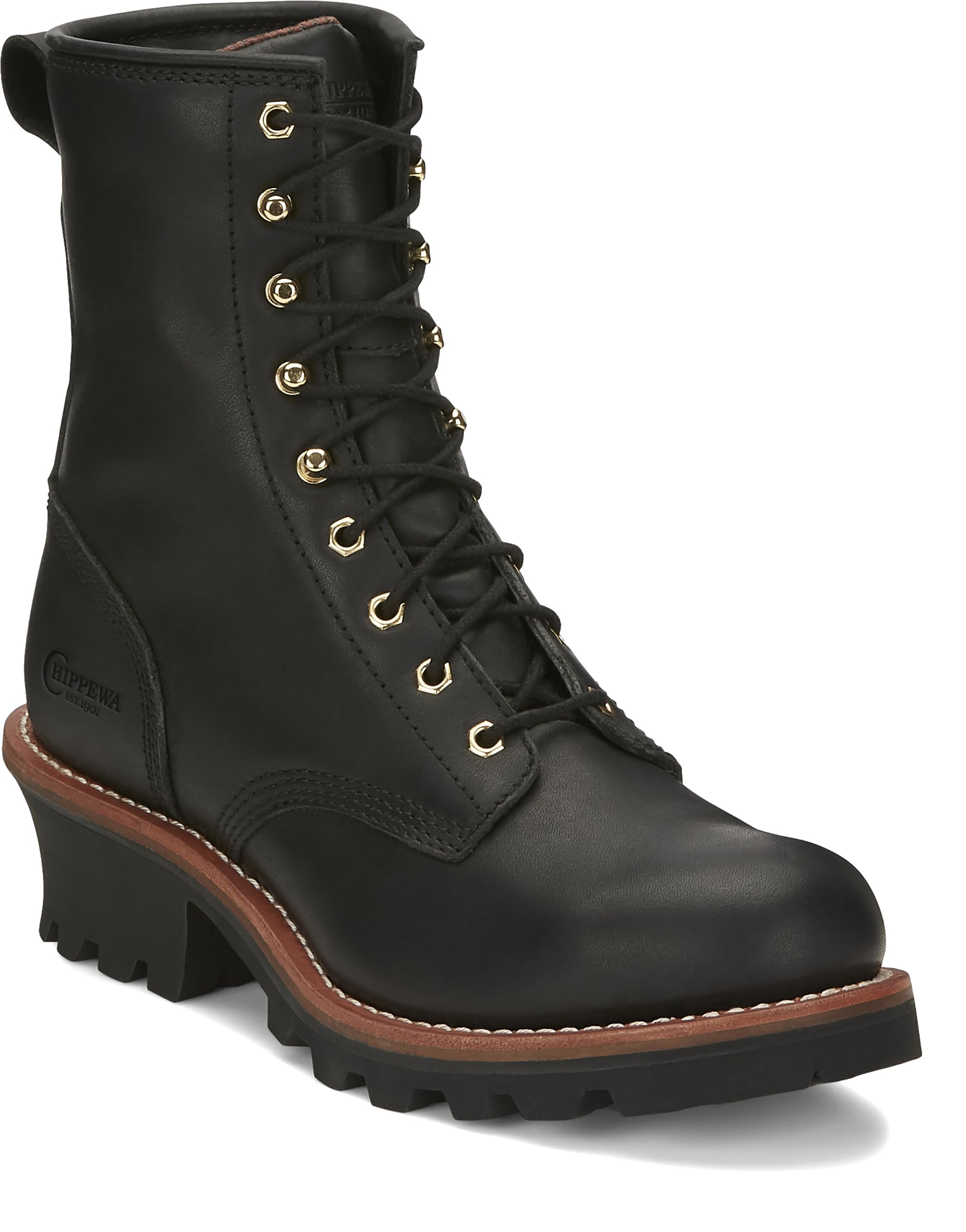
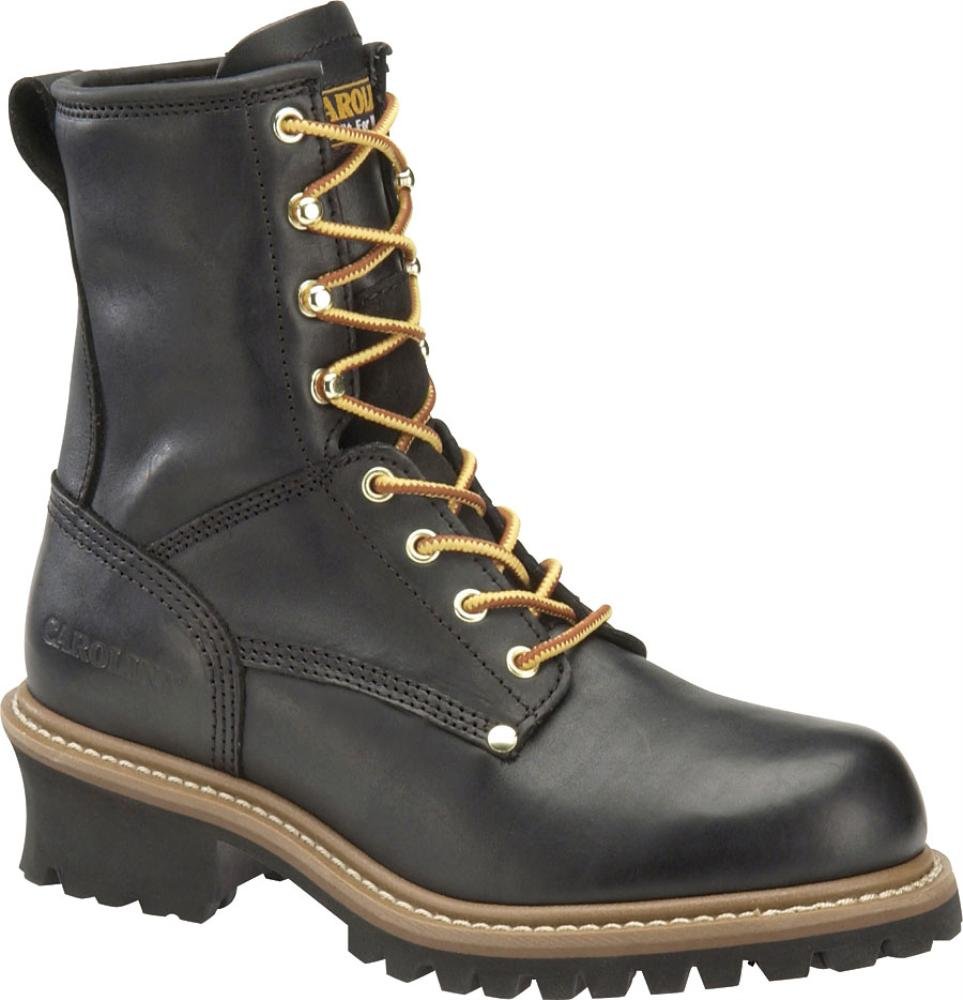



Boots 101: The Basics for Spur Climbing
Climbing spurs, also called gaffs or climbers, are steel frames strapped to your lower leg and boot. A pointed gaff near the ankle digs into wood, while the metal stirrup under your arch carries your weight. The boot is the foundation for that system, so flex that feels fine on the ground can become painful pressure aloft.
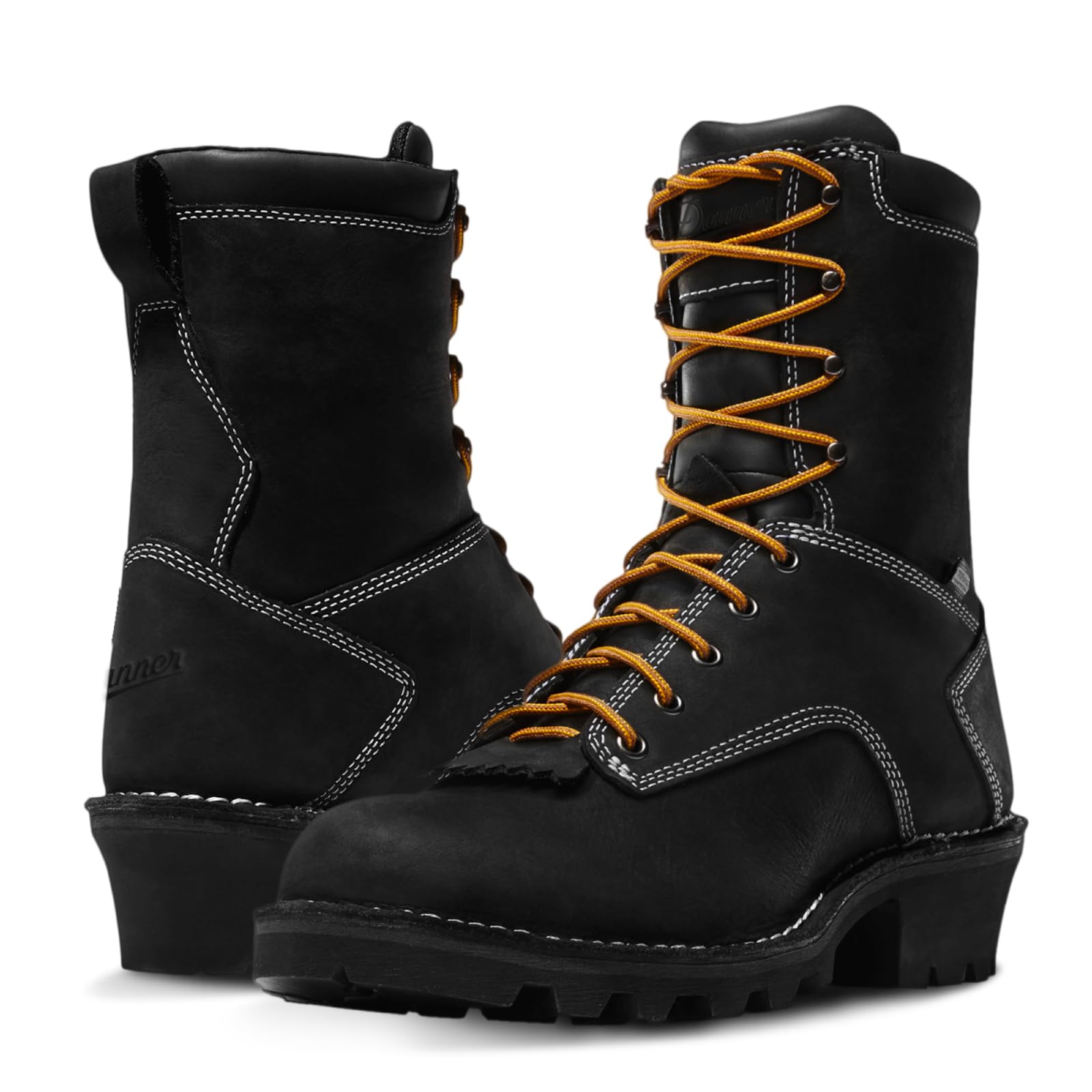
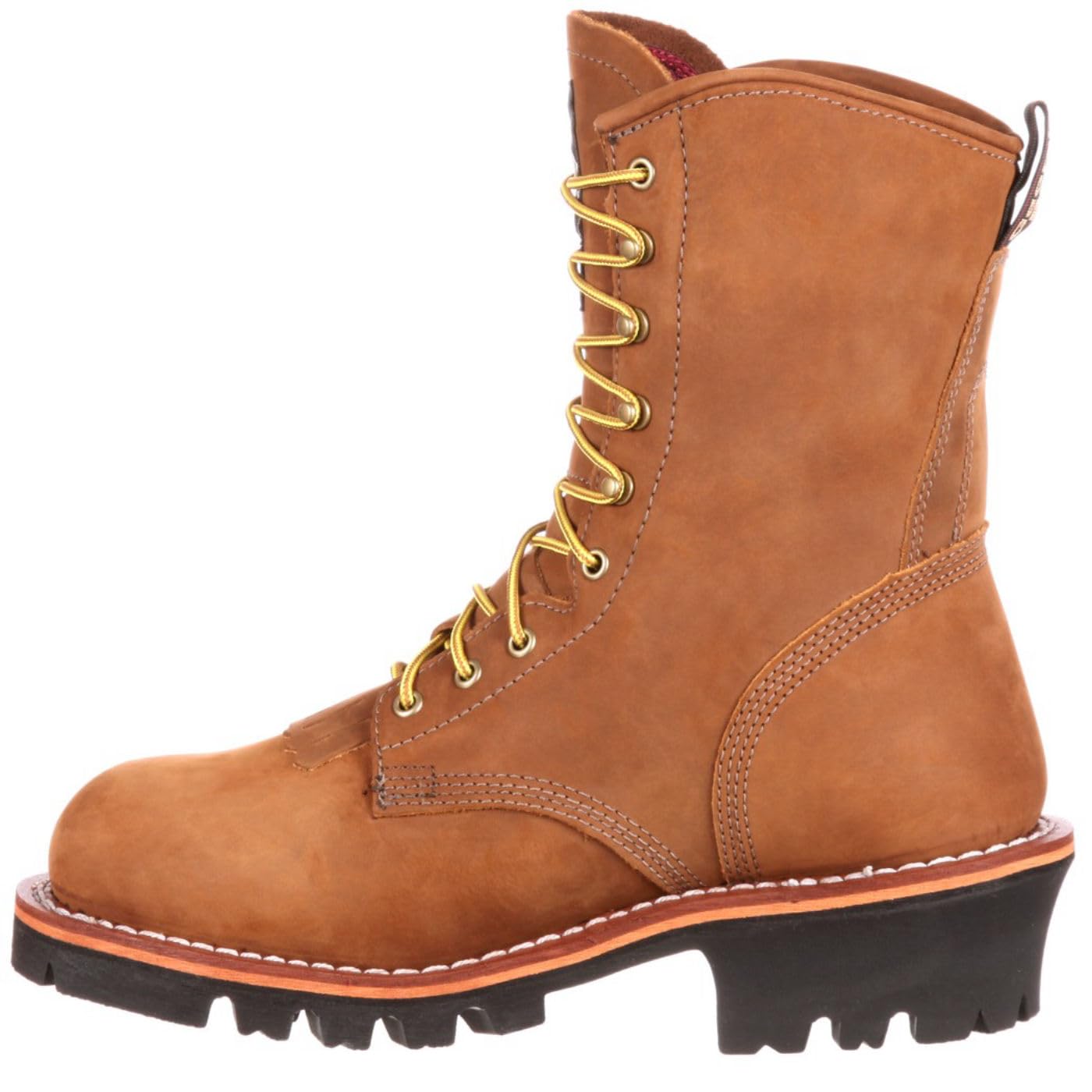
That is why the best boots for climbing spurs differ from ordinary hiking or work styles. They use a stiff shank inside the sole, a tall shaft that supports the spur strap and pad, and a clear heel that helps locate the stirrup. If you compare other climbing footwear, see our guide to the best climbing boots to understand how rock designs serve a different purpose.
Who Should Buy Which Boots for Climbing Spurs?
Your main climbing setting shapes the boot you need most. A tree, a utility pole and a short climb place different demands on leather and safety features.
New Arborists Learning Tree Climbing
You need strong arch support and a shaft that holds the spur pad steady while you learn foot placement on bark. Choose sturdy leather and a pronounced heel, because trunks vary in diameter and footing changes often. For a broader look at arborist footwear, see our guide to the best tree climbing boots.
Lineman Apprentices Working on Poles
You climb a smoother, narrower surface and may need added protection at the toe and against electrical hazards, depending on your employer rules. Ask your training program what rating it requires before you buy. A taller, firmer boot often suits repeated pole work, and our guide to the best lineman climbing boots covers that use in more depth.
Occasional Climbers Who Also Work on the Ground
You may climb for short tasks, then spend most of the day walking, clearing brush or loading wood. Choose a mid height shaft and a sole with enough cushioning for ground work, while keeping the shank firm enough for the stirrup. A tall and heavy boot can feel tiring if climbs are brief.
The Specs That Decide if Your Spurs Work Safely
Compare these factors in order, because the first two decide whether the spur system can work safely and comfortably at all.
Rigid Shank and Arch Support for the Spur Stirrup
The shank is a stiff plate inside the sole, often steel, that spreads stirrup pressure across your arch instead of letting it press into one sore spot. Press the boot at the midfoot before you buy, because a boot that folds easily there will feel unstable on the irons. A removable insole with firm arch shape can fine tune fit for flat feet or high arches without softening the platform.
Tall Leather Shaft and Spur Strap Fit
Shaft height is commonly about 10 to 16 inches, and taller shafts give the upper strap and leg pad a stable surface that resists twisting. Thick full grain leather holds its shape under strap pressure and resists cuts from bark better than thin leather. Check that the shaft fits your calf with work pants tucked or worn outside, because a shaft that gaps at the top lets the pad shift with every step.
Defined Heel and Lug Outsole for Bark and Poles
A defined heel, often about 1 to 2 inches high, gives the stirrup a clear place to sit and helps your foot locate the gaff angle by feel. The front face of the heel, called the breast, should be straight and sturdy rather than rounded. Deep lug tread on the outsole adds grip on bark covered ground and slopes, while a smoother sole area under the arch keeps stirrup contact predictable.
Fit, Sizing and Toe Box for Long Climbs
Measure both feet in the afternoon, when feet are at their largest, and try boots with the thick socks you will climb in. Your toes should brush nothing at the front, and the toe box should let toes lie flat without squeezing, because feet swell during a long climb. Your heel should stay seated when you flex. If you feel numbness, tingling or sharp arch pain, come down at once, loosen the straps, and seek medical care if those signs persist, and talk with your clinician about your personal needs.
Safety Toe, Water Resistance and Breathability
A steel or composite safety toe protects against falling limbs and tools, and composite toes feel lighter and conduct less cold, while steel toes often allow a slimmer profile. Choose only the rating your work rules require, because added protection adds weight. Water resistant leather and sealed seams help in wet bark and dew, while breathable lining panels reduce sweat on warm days. Light boots may feel pleasant at first, yet thin soles rarely support spur straps well.
Breaking In Boots Before Your First Climb
Break in new boots on the ground first, wearing them for short walks over several days until the leather softens at the ankle bend. Stiff leather that fights your ankle on flat ground will distract you aloft, where your attention belongs on placement and balance.
For your first fitting, put the spurs on while seated, set the stirrup under your arch, and adjust straps so the pad sits snug without cutting circulation. Stand and walk a few steps. Take your first climbs low and short, under training and supervision, and check strap position each time you come down. Spur climbing carries real fall risk, so learn from a qualified instructor rather than teaching yourself from videos alone.
Rookie Mistakes to Avoid
Most first time problems come from treating spur boots like ordinary work boots.
- Buying soft soled boots lets the stirrup dig into your arch and makes each step ache within minutes.
- Choosing a shaft that is too short lets the spur pad slide and twist against your calf.
- Wearing thin socks invites blisters and lets your heel lift inside the boot while you climb.
- Skipping the break in period turns stiff leather into ankle rub that ruins your focus aloft.
- Ignoring employer or training rules on toe protection can leave you with boots you are not allowed to use.
- Climbing before you have proper instruction raises fall risk, even when the boots fit well.
Care and Maintenance of Boots for Climbing Spurs
Brush off bark, soil and sawdust after each use, and wash heavy mud with lukewarm water and a soft brush. Stuff the boots with newspaper and let them air dry away from direct heat, because strong heat can crack leather and weaken glues in the sole. Once dry, apply a leather conditioner so the shaft stays supple enough to flex without splitting.
Inspect the heel breast, sole stitching and shank before every climb, and stop using a boot with a loose heel, a cracked sole or a soft spot at the midfoot. Check eyelets and hooks as well, because a failed lace point changes fit at the ankle. Store boots upright, and ask a cobbler about resoling once tread is worn smooth but the upper and shank remain sound.
FAQs
What features matter most in boots for climbing spurs?
A rigid shank and a tall, sturdy shaft matter most in boots for climbing spurs. Together they carry stirrup pressure and hold the leg pad steady. After those two, check heel shape. A useful quick test is to stand on a narrow step edge at the midfoot, since a boot that sags there will likely feel worse on the irons.
How should boots for climbing spurs fit before a climb?
Boots for climbing spurs should fit snug at the heel and midfoot, with clear space ahead of your longest toe. Snug does not mean tight across the toes. Do a final fit check after your warm up walk to the tree or pole, because laces often settle and need one small adjustment before you strap on the spurs.
Can I wear boots for climbing spurs all day on the ground?
Yes, you can wear boots for climbing spurs during a full day that mixes climbing and ground work, if the fit is right. Expect a firmer and heavier feel than a hiking boot, because the stiff shank that helps aloft reduces flex underfoot. If your day is mostly walking on pavement, rotating to a lighter boot on non climbing days can save tread.
How long is the break in period for boots for climbing spurs?
The break in period for boots for climbing spurs is usually about one to two weeks of regular ground wear. Thick leather shafts soften slowly, and the ankle crease forms where your leg actually bends. Wearing the boots for a full day straight from the box is the fastest way to earn blisters, so build wear time gradually.
How often should I replace boots for climbing spurs?
Replace boots for climbing spurs when the midfoot feels soft, the heel is worn unevenly, or the shaft no longer holds the pad in place. Those changes matter more than age alone, because support loss shows up first as arch soreness after short climbs. Keep a simple note of purchase date and major repairs, since gradual decline is easy to miss.
Final Thoughts
Start with the platform, then refine the details. A firm shank, a shaft that holds the straps, and a fit checked with your climbing socks will prevent most first time buying regrets. Match toe protection and shaft height to your setting, and give new leather time to break in on the ground.
When you compare best boots for climbing spurs with those points in mind, use the product table above to confirm size, shaft height and weight before you order. The right pair should feel steady on the stirrup and calm on the ground.


