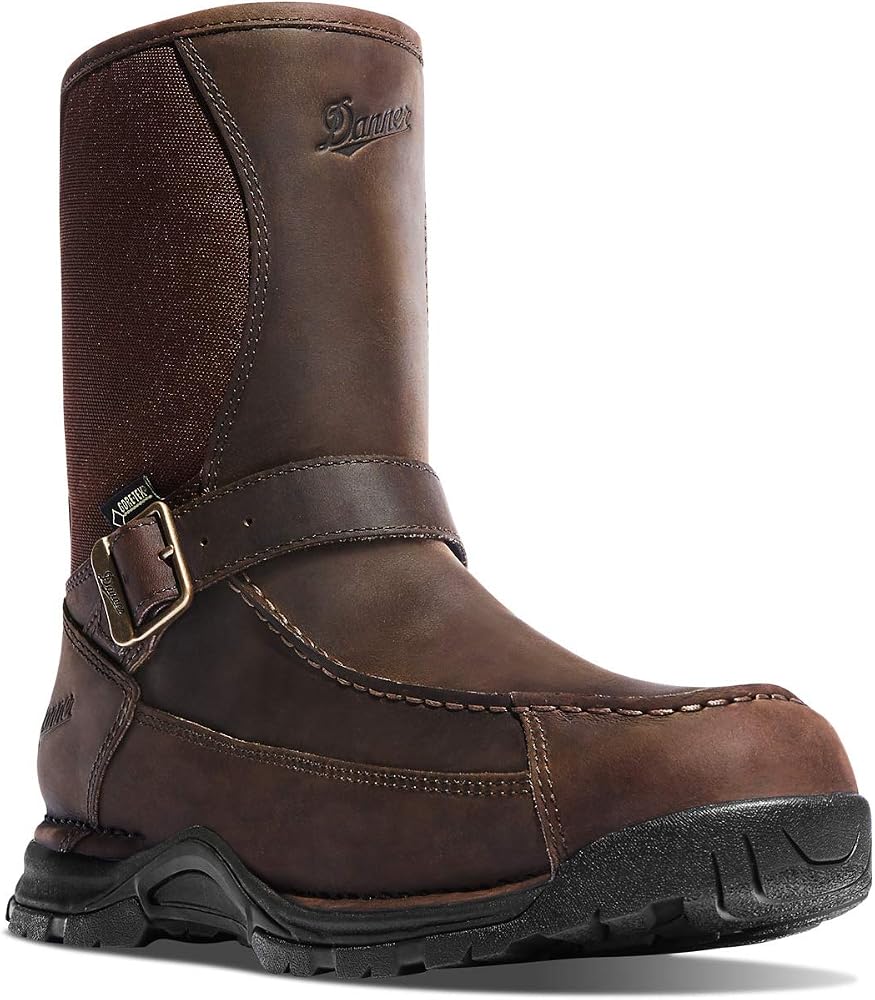
Best Boots for Bushcraft: Which Style Fits How You Work in the Woods for 2026
Disclosure: We may earn a commission when you buy through links on this page, at no extra cost to you. As an Amazon Associate I earn from qualifying purchases. Learn more

Camp chores, uneven ground and wet leaves test every pair. Compare the best boots for bushcraft by traction, support, fit and weather protection.
There is no single boot that suits every person who practices bushcraft, because the work itself changes from trip to trip. A day spent carving and cooking near camp asks far less of your footwear than a wet weekend of shelter building, firewood hauling, and cross country walking on soft ground. Choosing the best boots for bushcraft starts with your real use, not with the tallest shaft or the stiffest sole on the shelf.
This guide works through that decision in order. It matches boot styles to user groups first, then explains the fit, support, traction, and weather features that matter most in the woods. Use the comparison table below to narrow your shortlist by height, material, and waterproofing.
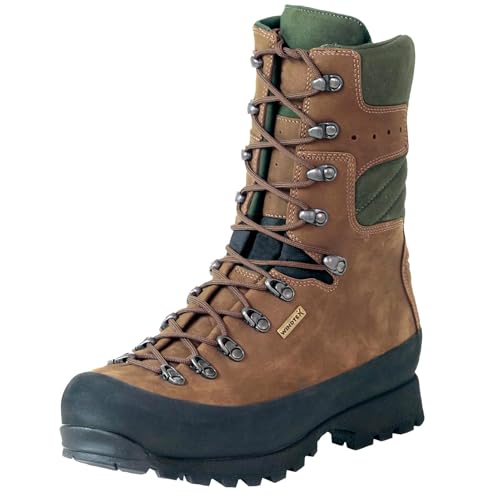


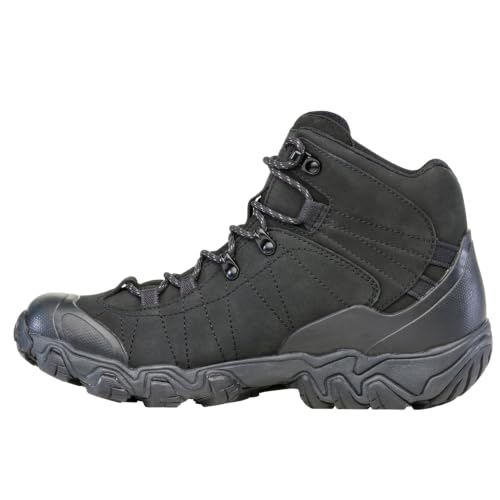

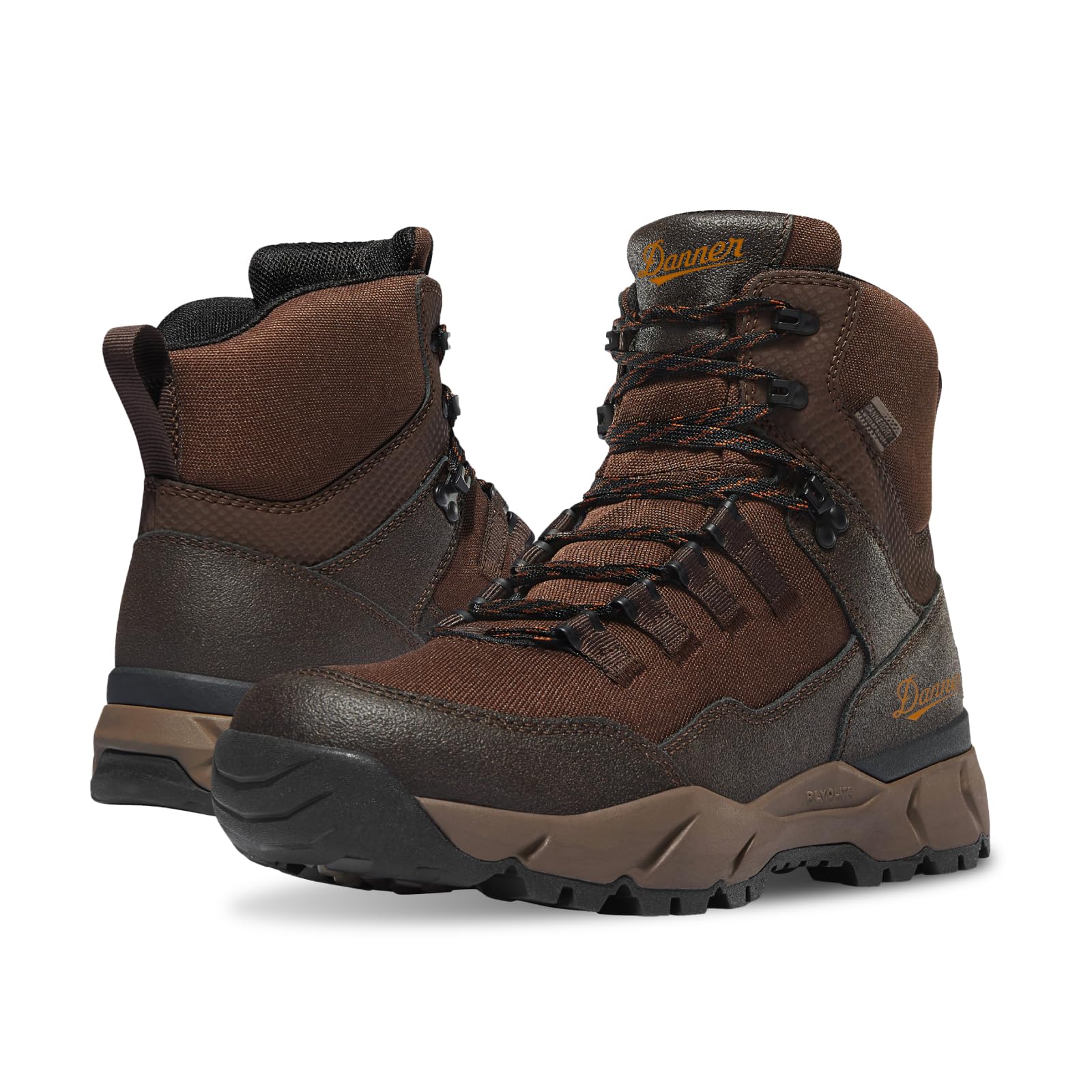

Who Should Buy Which Bushcraft Boots?
Bushcraft covers a wide range of activity, from quiet hand tool work at a fixed camp to long approaches through mud and leaf litter. The four groups below describe the most common patterns of use. Find the one that sounds most like you, and let its priorities lead the rest of your shopping, because a boot that excels for one group can feel like a poor compromise for another.
Camp Based Crafters Working Near a Fixed Site
If you carve, cook and build near one camp, you stand and kneel far more than you hike. Choose a mid height boot in leather or a leather and fabric mix with a protective toe box, a stable sole and enough cushioning for hours on your feet. Accept a little less storm resistance in exchange for comfort and lower weight on short approaches.
Frequent Woodland Workers and Instructors
If you are in the woods most weekends, teaching skills, building shelters, or processing firewood for hours at a time, durability and stability should lead your list. Choose full grain leather uppers, a firm shank, and a stitched or strongly bonded sole that a cobbler can repair. When you spend long sessions working through logs after comparing the best bushcraft saws, a stable platform underfoot keeps your stance steady while you cut, split, and stack.
Wet and Cold Season Trekkers
If your trips run through rain, snowmelt, boggy ground, and cold mornings, weather protection becomes the deciding factor. Look for waterproof boots with a sealed membrane such as Gore Tex, sealed seams, and a gusseted tongue that keeps debris and water from entering at the laces. A taller shaft earns its place here, shedding splashes and supporting your ankle on slick, uneven ground. Pair that protection with an aggressive outsole, because a dry boot that slides on wet roots still ruins a trip.
Newcomers Learning Basic Skills
If you are new to bushcraft and your outings are short, fair weather trips on established ground, you do not need the heaviest boot in the store. A comfortable mid height model with decent cushioning and a forgiving fit will serve you well while you learn knife, fire, and shelter skills close to camp. Spend on fit first, since blisters end more beginner trips than any gear failure.
Key Features to Compare
Once you know your group, compare boots feature by feature rather than by brand or looks. The five areas below decide most of your comfort and safety in the woods. As you scan the product table above, check each candidate against these points in order. That is how you judge the best boots for bushcraft without relying on brand names or looks.
Arch Support and Foot Type
Arch support matters more in bushcraft than in casual walking, because you stand for long stretches while carving, cooking, and working at a bench height log. If you have flat feet or your ankles roll inward as you tire, look for a firm heel counter and a supportive insole that keeps your foot from collapsing toward the inside edge. High arches need the opposite approach, with enough cushioning under the arch so pressure does not concentrate on your heel and forefoot. A short test is to stand on one foot in the boot for thirty seconds. If your ankle wobbles and your arch aches, the support is wrong for you, no matter how good the boot looks.
Features That Matter for Bushcraft
Bushcraft places specific demands on a boot that general hiking does not. You kneel, crouch, and brace your feet against logs, so a protective toe cap and a reinforced toe box guard against dropped tools and kicked stumps. You also carry loads of wood and water over short, rough distances, so torsional stability, meaning the sole resists twisting when one edge of your foot lands on a root, keeps your ankles safe. When you move through brush to gather material after checking the best folding saws for bushcraft, a closed lace system with hooks set back from the toe reduces snagging on stems and cordage.
Outsole Traction and Terrain
The outsole is your only contact with mud, wet rock, loose soil, and frosty logs, so read its pattern before you admire the upper. Deep lugs, around 4 to 5 mm, bite into soft ground and shed mud as you walk, while shallower lugs feel steadier on hard packed trails and rock. Rubber compounds involve a tradeoff between grip and wear. Some outsoles, including many made by Vibram, balance the two well. Match the pattern to your ground. Forest floor and clay call for depth and spacing, while mixed rocky terrain rewards a flatter contact patch under the forefoot.
Fit, Sizing, and Toe Box
Fit is the most important choice in this guide. Measure both feet late in the day, when they are at their largest, and shop using the longer measurement. In a correctly sized boot, your toes should clear the front by about a thumb width when you stand, and your heel should stay seated when you walk downhill on a slope or ramp in the store. A roomier toe box lets your toes spread for balance and prevents blackened nails on descents, but width through the midfoot should still hold your foot from sliding side to side.
Weight and Flexibility
Every ounce on your feet costs more energy than the same weight in your pack, because you lift your boots with every step. Heavier boots earn their weight when you carry loads, work on steep or broken ground, or need the protection of thick leather and a stiff shank. Flexibility follows the same tradeoff. A sole that bends easily at the forefoot is comfortable straight from the box, while a stiffer sole protects your feet from sharp rocks and reduces fatigue when you stand on log rounds or ladder like roots. Choose the lightest, most flexible boot that still protects you on your hardest typical day, not your easiest one.
Common Mistakes to Avoid When Buying Boots
Most poor purchases follow a few repeatable patterns. Read this list before you order, and check your shortlist against each point.
- Buying on price alone, so you save money up front and then replace a failed boot within a single season of regular use.
- Ignoring your arch type and foot shape, so a boot that fits your friend leaves you with heel lift, sore arches, or numb toes.
- Ordering your street shoe size without measuring, so swelling on a long day turns a snug fit into blisters and bruised toenails.
- Choosing a tall, stiff boot for gentle camp use, so you carry weight and stiffness you never need and your ankles tire faster.
- Skipping the warranty and repair terms, so a separated sole or torn stitching becomes a full replacement cost instead of a covered fix.
- Trying boots only on flat store floors, so you never learn how they behave on a slope, on stairs, or while crouching and kneeling.
How to Make Your Bushcraft Boots Last Longer
Good boots are a long term investment, and simple habits decide whether they last two seasons or many years. Clean them after muddy trips by brushing off dried soil, rinsing with plain water, and removing the insoles so air can reach the inside. Air dry wet boots slowly at room temperature, away from direct heat such as a radiator or a fire, because strong heat dries leather unevenly and can crack it or loosen sole adhesives. Stuffing the boots loosely with newspaper for the first hours helps draw out moisture without forcing the shape.
Condition full grain leather when it starts to look dry or pale, using a product made for the leather type, and treat fabric panels only as the maker directs. Store your boots upright in a dry place with air flow, not sealed in a plastic bin while damp, since trapped moisture grows mildew and weakens stitching. Check laces, hooks, and the edge where the upper meets the sole every few trips, and deal with small damage early, before a loose stitch becomes a split seam.
FAQ
What features matter most in boots for bushcraft?
Fit, traction, and protection matter most, in that order. A secure fit prevents blisters and ankle rolls, deep lugs keep you upright on mud and wet roots, and a reinforced toe and leather upper handle tools, stumps, and sparks at camp. One point shoppers often miss is lace hardware. Metal hooks that sit slightly recessed resist bending when you knock them against rocks, while exposed hooks can catch on brush and on your other boot as you walk.
How should bushcraft boots fit around the ankle?
Bushcraft boots should hold your heel firmly while leaving your ankle free enough to flex as you crouch and climb. Lace the lower eyelets snugly to lock your heel, then leave the top hooks slightly looser when you need more bend for kneeling work. If the collar digs into your Achilles tendon on a slope test, try a different height rather than a different size, because collar pressure usually comes from shaft shape, not length. Padding softens with wear, but pressure points at the tendon rarely disappear.
Are expensive bushcraft boots worth the cost?
Expensive bushcraft boots are worth the cost when you use them often and their extra money buys repairable construction and better materials. Stitched soles can be replaced when the tread wears down, which spreads the price across many more seasons than a glued sole that ends the life of the boot. If you go out only a few times a year, that math changes, and a mid priced boot you replace sooner can cost less overall.
How long is the break in period for bushcraft boots?
The break in period for bushcraft boots ranges from a few short walks for flexible fabric models to several weeks of gradual use for stiff full grain leather. Build up slowly, starting with an hour around home, then short camp trips, before committing to a long day. Never take a brand new pair straight onto a multi day trip, because even a well fitted boot needs time to shape itself to the way your foot bends.
Can you wear bushcraft boots all day at camp?
You can wear bushcraft boots all day, and many people do, but your feet will feel better if you give them a break in the evening. Once camp work is done, loosening the laces or switching into lighter camp shoes lets swelling settle and lets your boots air out before the next day.
Final Thoughts
Start with your pattern of use, then judge every candidate on fit, support, and traction before you think about price or looks. The product table above can help you compare heights, materials, and waterproofing side by side once you know which group you fall into. Take your time with sizing, wear your real socks, and try the boots on a slope whenever you can.
The right pair disappears under you, leaving your attention free for fire, tools, and the woods themselves. Choose carefully, care for your boots after every trip, and the best boots for bushcraft for your needs will serve you season after season.