Best Boots for Burning Man: Which One Fits the Way You Use It for 2026
Disclosure: We may earn a commission when you buy through links on this page, at no extra cost to you. As an Amazon Associate I earn from qualifying purchases. Learn more

Compare the best boots for burning man for playa dust, long walks, and cold nights, with clear guidance on fit, cushioning, closures, and support.
There is no single pair that suits every burner, because your days on the playa can look very different from the days of the person camped next to you. Choosing the best boots for burning man starts with how you will spend your time, whether that means building an art project, riding a bike across open playa, or wandering between camps after dark. The comparison table below matches common styles to those routines so you can narrow the field fast.
Playa dust is fine, alkaline, and persistent, and it works into seams, socks, and skin over a long week. A good choice keeps that dust out, supports your feet through hours of walking on a hard flat surface, and stays comfortable when temperatures swing from hot afternoons to chilly nights. Judge fit and construction first, before color or costume appeal.

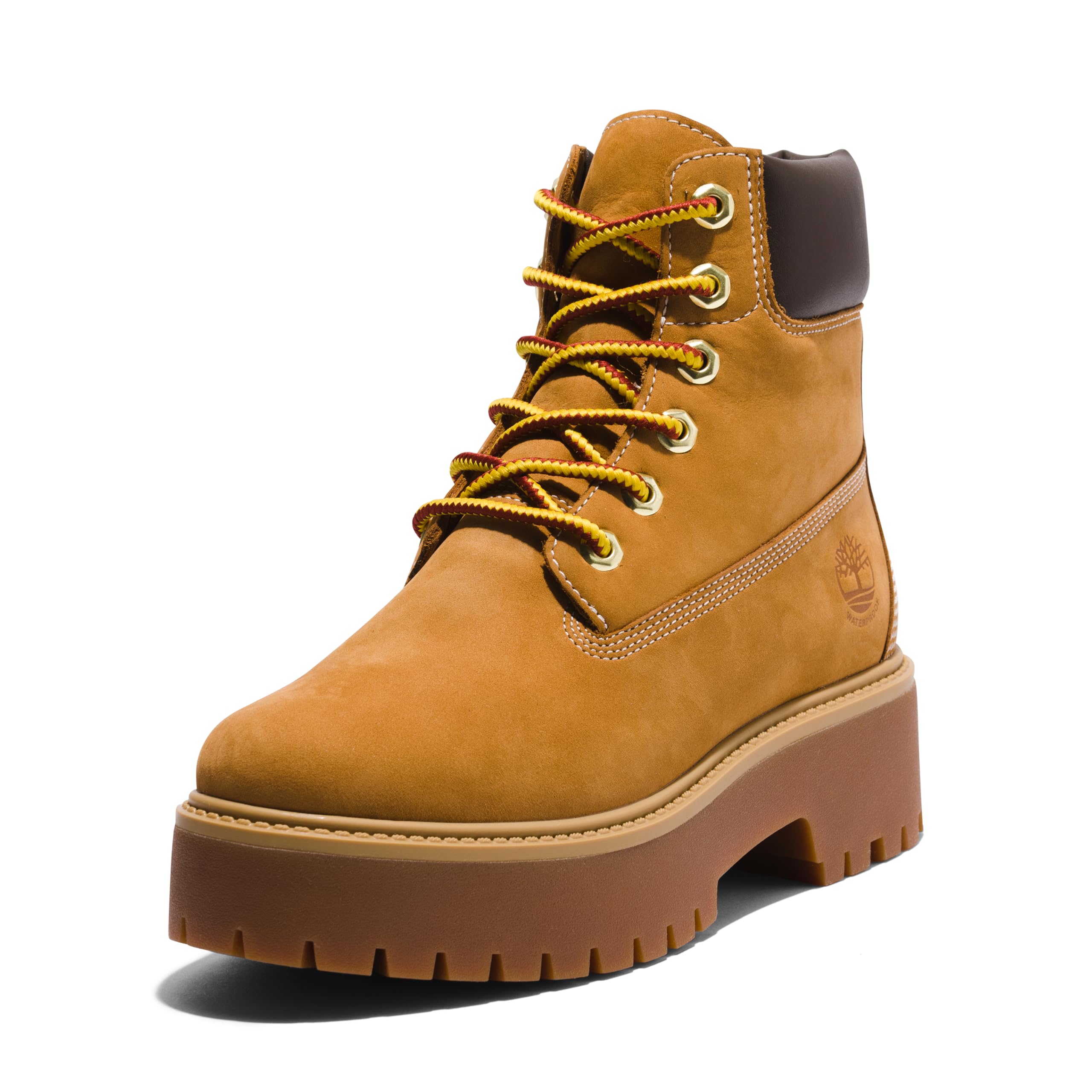

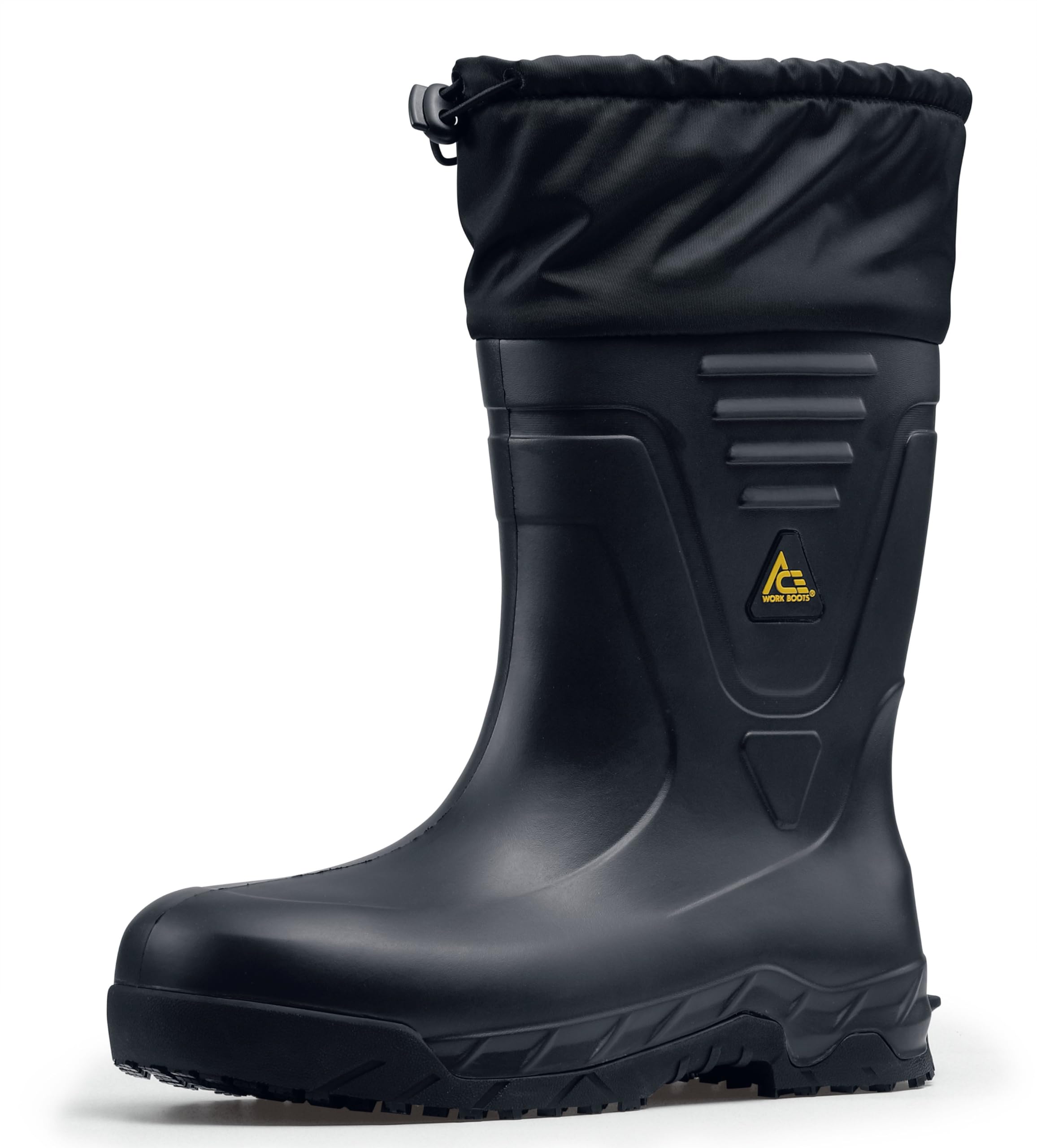
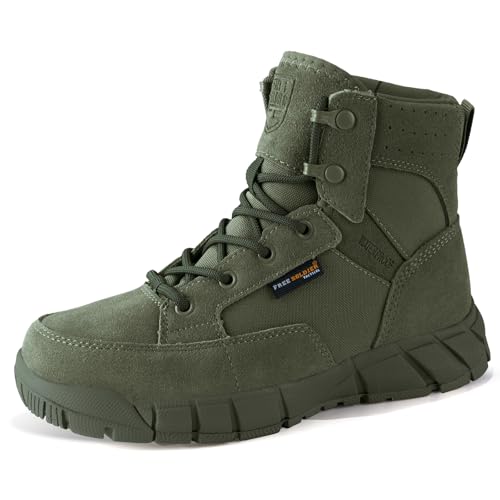
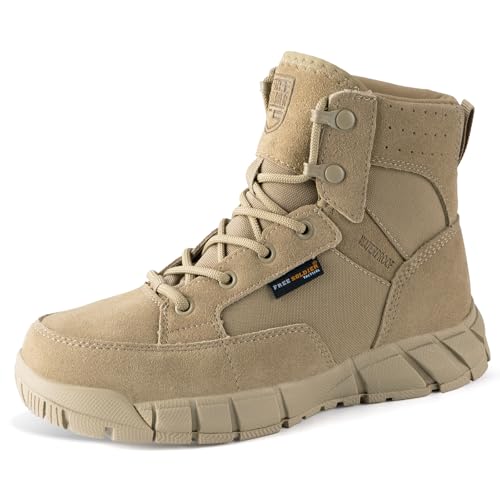

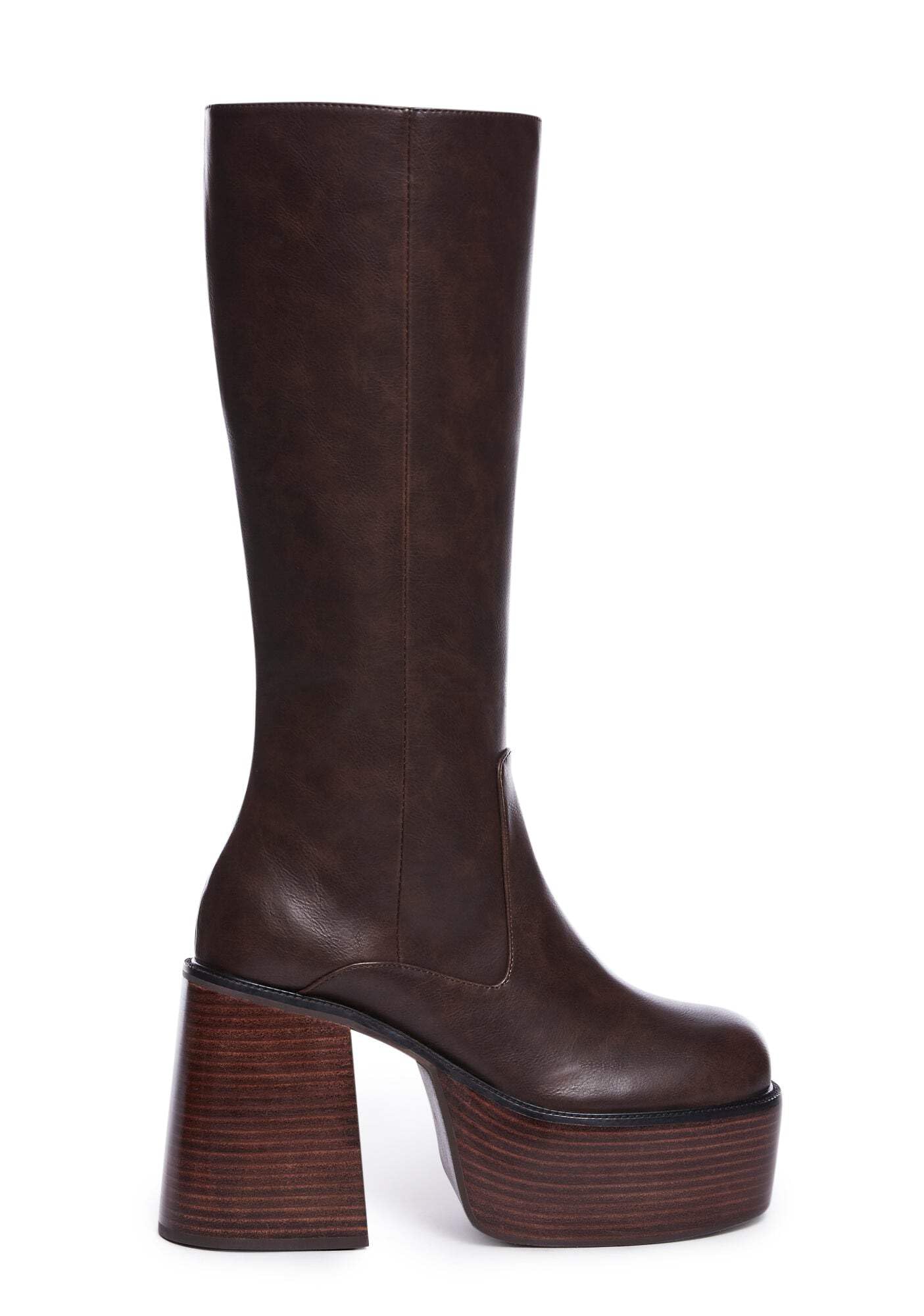
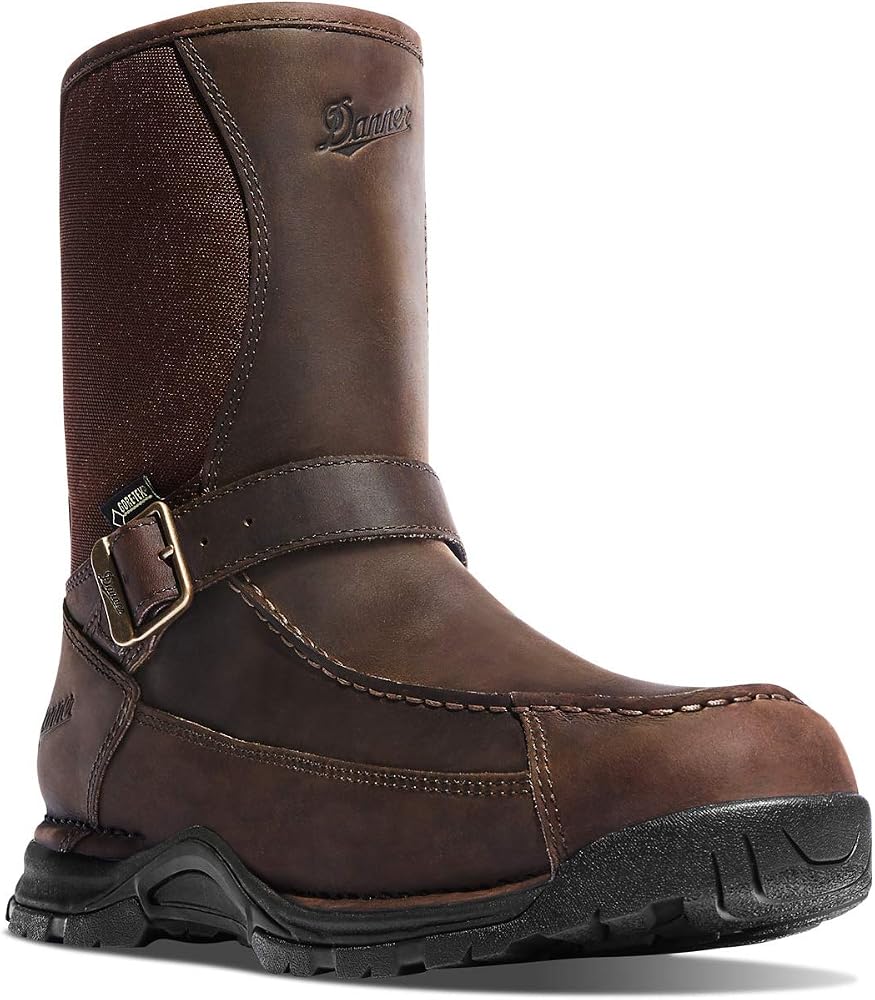
Who Should Buy Which Boots?
Start with your role and routine, not with a brand or a price tag. A builder who unloads trucks needs a different boot from a dancer who walks to sunrise sets. The groups below describe the main routines and the features each one rewards.
Build Crew and Strike Volunteers
If you arrive early for build week or stay late for cleanup, you will log the longest hours in your boots and stress seams and soles the most. Prioritize strong stitching, a firm outsole, and ankle support that stays stable on ladders and around heavy gear. A leather work boot with a sealed tongue usually serves you best, even if it weighs more. A budget of around $100 to $200 makes sense here because durability pays back across the whole event.
Walkers, Dancers and Night Wanderers
Most burners cover several miles a day on a flat, hard surface, often after dark. Look for a comfortable, cushioned boot with a roomy toe box, a snug collar that keeps dust out and enough grip for loose patches. Platform styles are popular for dancing, but check that the sole is stable and the fit holds your heel in place before you commit to a full night.
Riders Covering Distance by Bike
If a bike is your main transport, avoid bulky soles that catch on pedals and stiff collars that fight your ankle motion. A mid cut boot with a flat, grippy outsole and a flexible forefoot works best. Closed lacing with tucked laces prevents snags in the chain.
First Timers Packing Light
If this is your first burn, you need comfort and simplicity more than maximum toughness. Pick a boot that feels good on the first try, uses simple laces you can adjust with dusty hands and packs without cracking. You will still walk far more than you expect, so do not treat this as a fashion purchase. A sensible starter range is about $60 to $140.
Key Features to Compare
Features only matter when they solve a playa problem, so judge each one against dust, distance, heat, and cold. When you compare the best boots for burning man side by side, the five points below explain most of the difference in comfort by day three. Use the product table above as you read.
Arch Support and Foot Type
If you have flat feet, you may roll inward as you tire, a pattern called overpronation, and you will usually feel better with firm arch support and a stable heel cup. High arches absorb less shock on their own, so they prefer more cushioning under the heel and forefoot. If you usually wear neutral shoes with no added support features, a moderate insole often works well. Pain that grows sharper each day, numbness, or swelling that does not ease overnight are signs to get checked at an event medical station or by a clinician.
Features That Matter for Burning Man
Dust control matters more here than almost anywhere else you will wear boots. A tongue that attaches to the upper on both sides blocks the main path dust takes into the boot, and a padded collar close to your ankle blocks the second path. Smooth leather and tightly woven synthetic uppers shed dust when you brush them, while open mesh panels let fine dust pass straight to your socks.
Waterproof membranes such as Gore Tex sound useful, but on the playa they mostly trap heat and sweat during hot afternoons, and standing water is rare. Save that construction for cold wet trips. Breathable uppers with tight weaves give the better balance here.
Break In Period and Comfort Out of the Box
New boots should feel snug and supportive in the store, never painful, and any hot spot you notice in ten minutes will become a blister after ten thousand steps. Leather styles often need one to two weeks of walks before the material softens around your ankle. Synthetic styles usually feel softer right away. Wear your playa socks during every trial walk, since sock thickness changes fit.
Durability and Expected Lifespan
Durability on the playa is less about miles and more about dust, sun, and flexing at the same crease points day after day. Look for stitched or heavily bonded soles, metal eyelets, and toe and heel overlays that guard against scrapes from bike pedals and camp hardware. A well built pair should handle several events plus home use if you clean the dust out after each trip. Thin fashion boots with glued soles often split after one hard week.
Fit, Sizing, and Toe Box
Measure and try boots late in the day, when your feet are at their largest, and wear the socks you plan to bring. You want about a thumb width of space in front of your longest toe, because feet swell in heat and on long walks. A wide toe box lets your toes spread on the hard playa surface, which improves balance and reduces rubbing. Cushioning matters more here than on soft trails, since the playa gives back almost nothing per step.
Your heel should sit firmly with only slight lift as you walk, since repeated lift raises blisters on the back of the foot. Heel to toe drop is the height difference between the heel and the forefoot, and a moderate drop of about 8 to 12 mm feels familiar to most walkers. Very flat boots can strain calves over long distances, while high heels hurt stability on soft dust.
Break In Your Boots Before You Leave Home
Do a long trial walk and a short bike ride in your boots at least a week before you leave. Riding shows whether the toe catches on pedals and whether stiff collars fight the pedaling motion.
Bring backup footwear too, because boots should rest between long days. A second pair of comfortable closed shoes feels wonderful in camp while sore spots calm down. Keep backup pairs in a sealed bag so dust stays out.
Common Mistakes to Avoid When Buying Boots
Most boot problems on the playa start as shopping mistakes weeks earlier. Watch for these five errors.
- Buying a fashion boot with open mesh and a thin glued sole leaves your feet full of dust and sore by day two.
- Choosing your normal shoe size without trying boots in thick socks leads to pinched toes once feet swell in the heat.
- Waiting until you arrive to wear new boots turns a small hot spot into a blister that limits your whole event.
- Picking an insulated winter boot for hot afternoons traps sweat, softens skin, and makes blisters far more likely.
- Bringing only one pair of boots and no camp footwear leaves you stuck if a sole fails.
Tips to Get the Most From Your Boots
During the event, shake your boots out each morning, because dust that settled overnight grinds against your socks all day. Keep boots in your tent or in shade during rest hours, since direct sun bakes dust into leather. That daily routine is what keeps the best boots for burning man feeling supportive through the final night instead of stiff and gritty.
After the event, remove the laces and insoles, brush out dust outdoors, and let everything air dry away from direct heat. Wipe leather with a cloth dampened with plain water, then condition it once fully dry so it does not crack in storage. Check eyelets and seams while you clean, and store the pair stuffed with newspaper so the shape holds.
Frequently Asked Questions
What features matter most in boots for Burning Man?
Dust sealing, secure fit, and underfoot cushioning matter most in boots for Burning Man. A sealed tongue and close collar keep alkaline dust off your socks, while a firm heel cup stops the sliding that causes blisters. One point many buyers miss is closure hardware, so choose speed hooks you can work with cold or dusty fingers at night.
Are expensive boots for Burning Man worth the higher price?
Expensive boots for Burning Man are worth it when you will reuse them for work, hiking, or future events. Better stitching, replaceable insoles, and stronger eyelets spread the cost across many more days of wear. If you expect one light trip, a modest pair that fits well beats a costly pair that pinches.
Can you wear boots for Burning Man all day on the playa?
Yes, you can wear boots for Burning Man all day if you build in short foot breaks. Sit down every few hours, loosen your laces, and let heat escape before you walk on. Many people also change into dry socks at midday, which resets comfort more than any single feature can.
How long is the break in period for new boots for Burning Man?
The break in period for new boots for Burning Man is usually one to two weeks of regular walking for leather and a few days for soft synthetic styles. Aim for at least 20 total miles of trial walks before you leave. Stairs and slopes reveal heel lift that flat sidewalks hide. Never count event days as part of the break in plan.
Do you need waterproof boots for Burning Man?
No, you do not need waterproof boots for Burning Man in a normal dry year. The desert surface is dry, and waterproof membranes mainly add heat during long sunny afternoons. One catch is worth knowing: once a waterproof boot gets wet inside, it dries far more slowly than a breathable boot.
How often should you replace boots for Burning Man?
You should replace boots for Burning Man when the outsole tread looks smooth, the midsole feels flat and dead, or the upper cracks at the flex points. Before you retire a pair, try fresh insoles, since a new insole restores a surprising amount of cushioning for little money. Laces are also cheap to swap.
How should boots for Burning Man fit your feet?
Boots for Burning Man should fit snug at the heel and midfoot with clear space in front of your toes. Try the kick test at home: tap your toe firmly against a wall and confirm your toes do not slam into the front. Also walk down stairs, because toes that hit on descents will bruise over a long week.
The Bottom Line
Match the boot to your routine first, then judge dust sealing, fit, and support in that order. Builders need toughness, packers need compact shapes, and first timers need comfort that works right away. Use the product table above to compare styles for your group, and remember that the right choice among the best boots for burning man is the pair you can walk in happily all week.