
Best Boots for Bunions by Budget for 2026
Disclosure: We may earn a commission when you buy through links on this page, at no extra cost to you. As an Amazon Associate I earn from qualifying purchases. Learn more

Wide toe box, soft uppers, and removable insoles help sensitive forefeet. See how the best boots for bunions compare by price tier.
Boot prices cover a wide range, and the most expensive pair is not automatically the most comfortable for a sensitive forefoot. A best boots for bunions choice comes down to room in the toe box, softness of the upper, and a fit that does not press on the joint at the base of the big toe. This guide compares types, features, and budgets so you can use the product table to judge each level on comfort rather than on claims.
Boots cannot treat or correct a bunion, and no boot should be expected to change the shape of the foot. What a good pair can do is reduce pressure, spread the load more evenly, and make walking, standing, and working more comfortable. If pain persists, worsens, or comes with numbness, swelling, or redness, talk with a clinician about your own needs before relying on footwear alone.
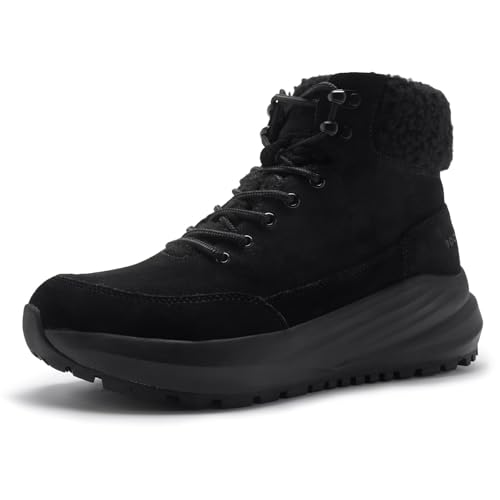
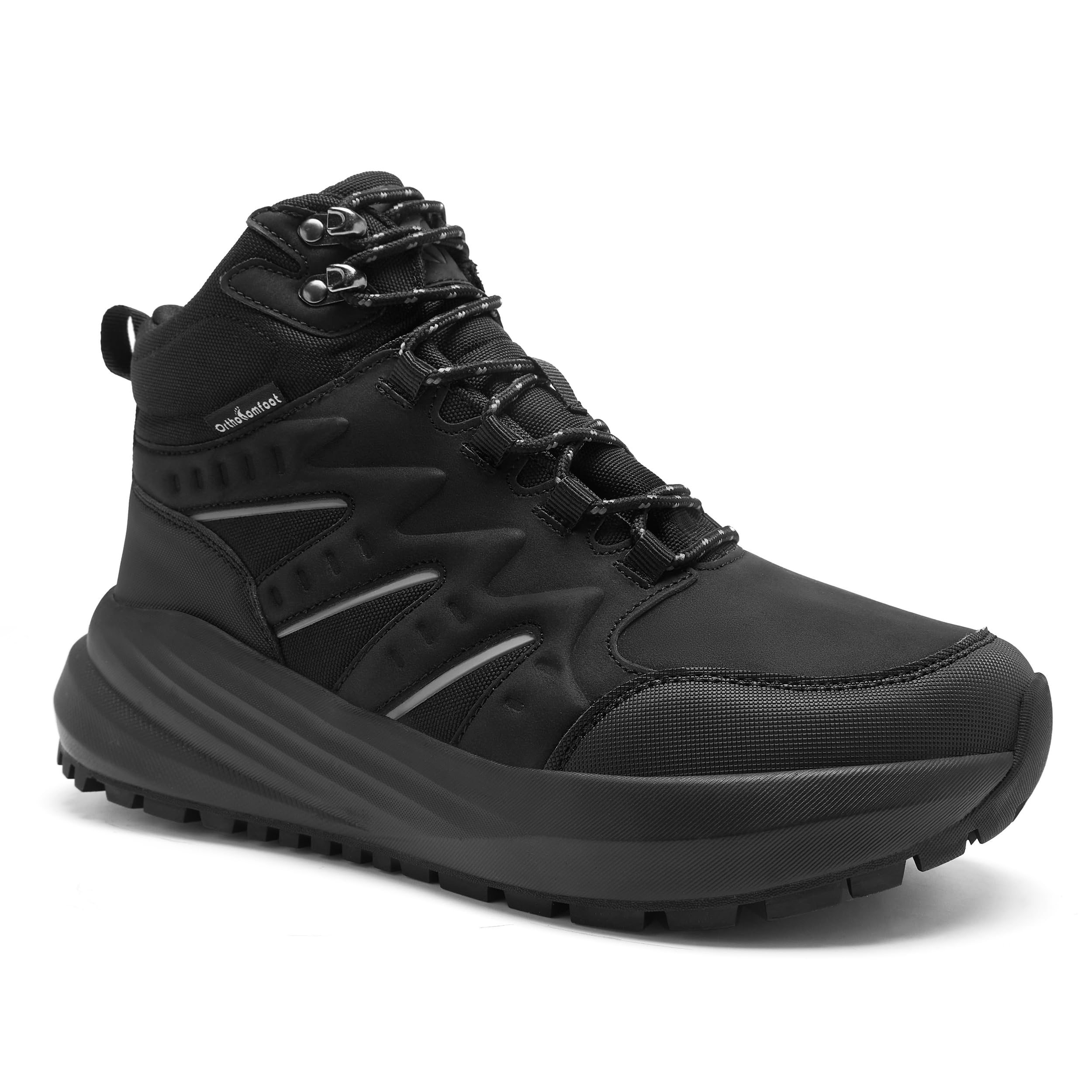
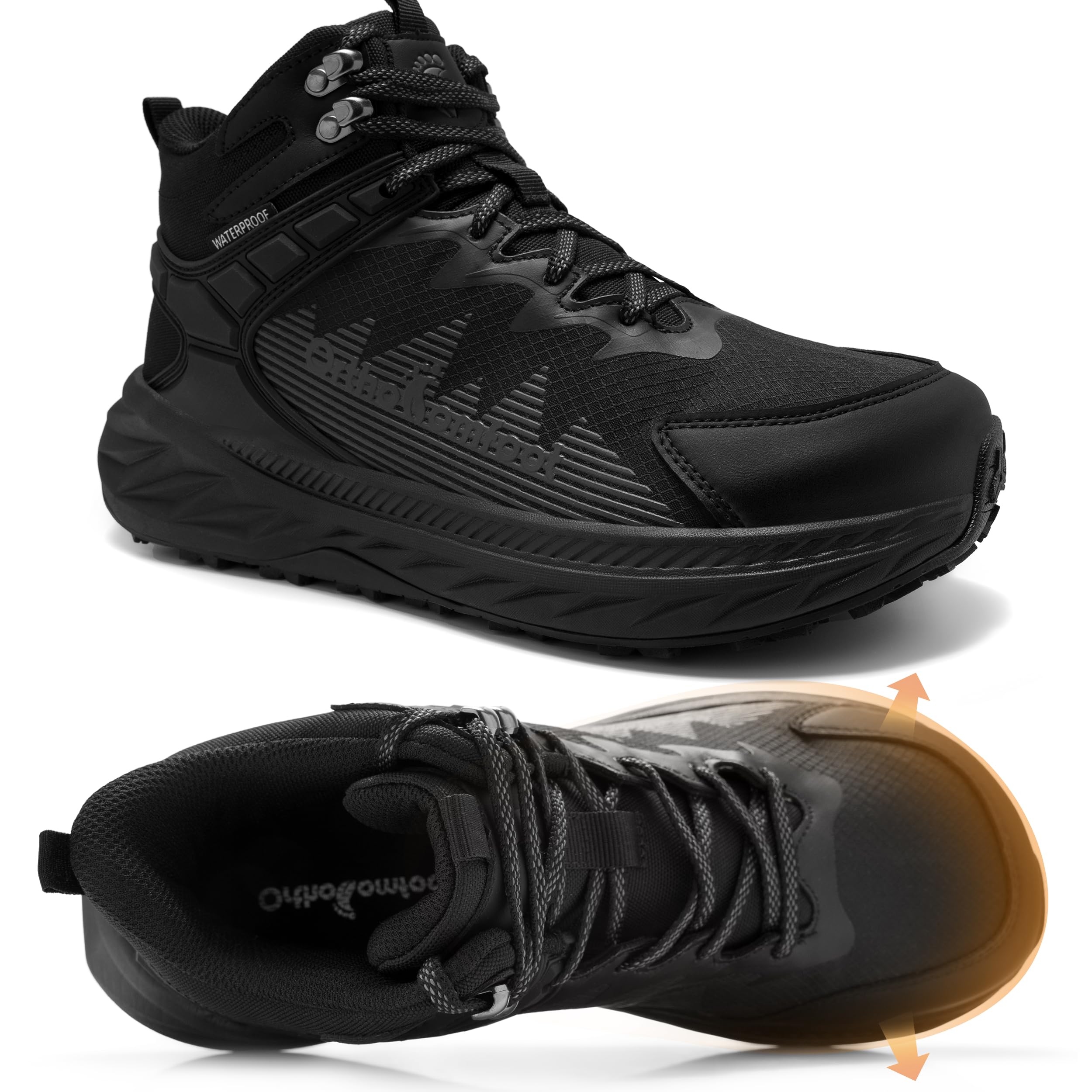
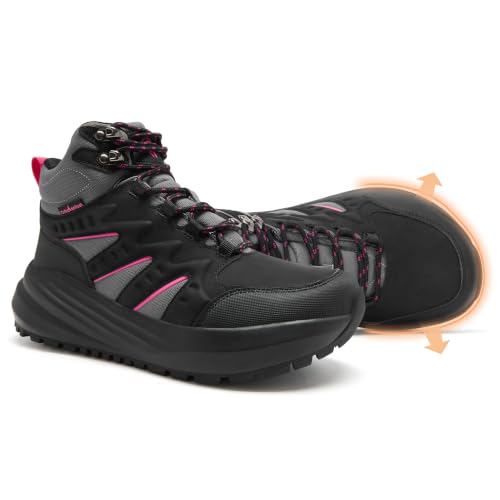
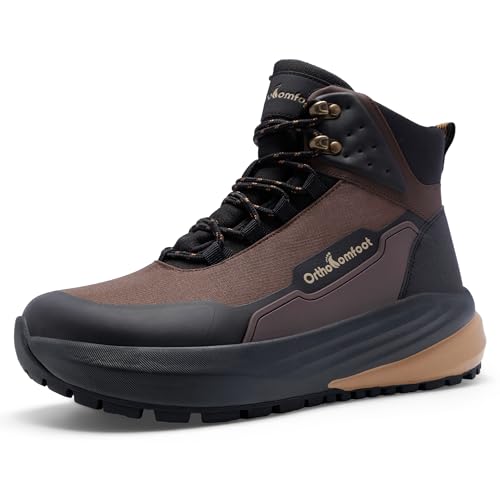
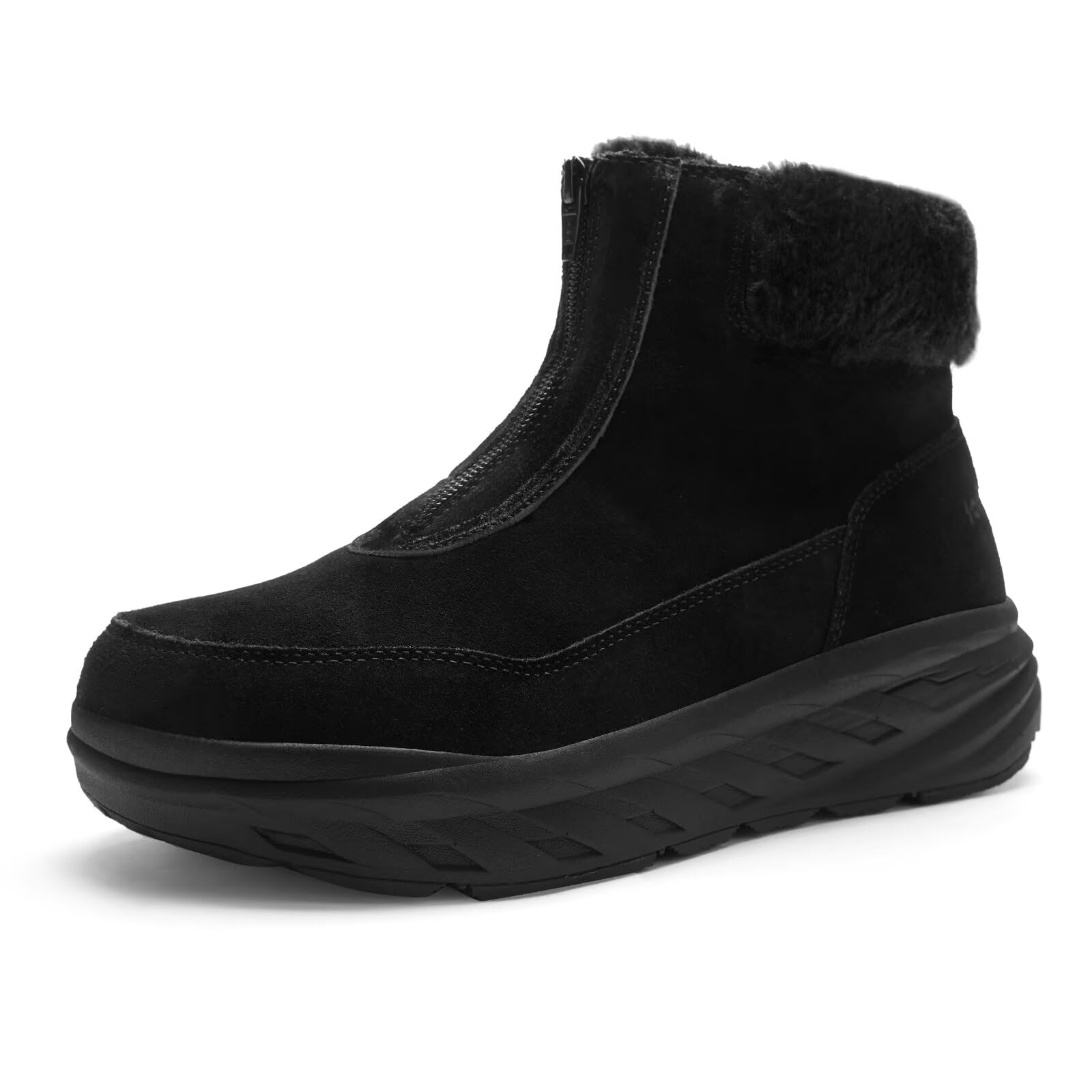

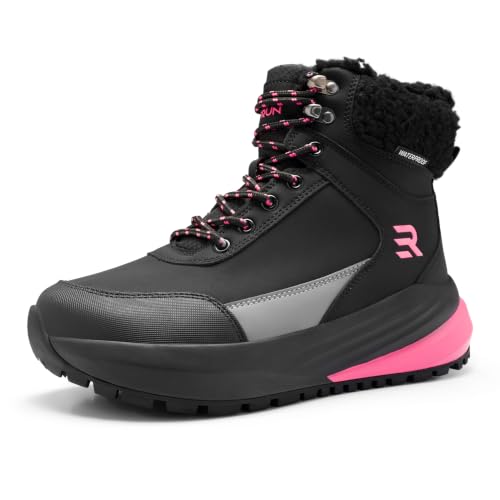


Who Should Buy Which Type?
Start with how you will use the boots most days. A boot that suits long walks may be too heavy for office wear, while a dress boot may lack the grip and support needed for outdoor work.
Daily Walkers
Daily walkers need a roomy toe box, a cushioned insole, and a flexible sole that bends with the foot rather than fighting it. A lower heel and a stable base help keep pressure off the forefoot during long periods on foot. See our guide to the best walking boots for bunions for options shaped around walking comfort if most of your time is spent on pavements and paths.
Outdoor Workers and Hikers
Outdoor workers and hikers need grip, ankle support, and an upper that can handle rough ground without squeezing the toes. A wider last, which is the foot shaped form the boot is built on, matters more than a soft lining alone, since a narrow boot will press no matter how plush it feels. See our guide to the best hiking boots for bunions if trails, uneven ground, or long days outdoors are part of your routine.
Dress and Office Wearers
Dress and office wearers need a boot that looks neat while still leaving room at the toes. A round or square toe usually gives more space than a pointed toe, and a soft leather or stretch panel can ease pressure without changing the look much. See our guide to the best dress boots for bunions if you need a pair that works in a formal setting as well as on the walk to work.
What Your Money Gets You at Each Price Tier
Price tiers in this category mostly buy better materials, a wider range of widths, and more careful construction. A budget boot can still be comfortable, but it may offer fewer width choices and a shorter lifespan.
Budget Level: The Basics Done Well
At around $60 to $120, expect a roomy toe box in some styles, a basic cushioned insole, and a synthetic or split leather upper. Comfort depends heavily on finding the right width, so try boots later in the day when feet tend to be slightly larger. Stitching and sole bonding at this level are usually adequate for everyday wear, though heavy daily use may wear them out sooner.
Midrange Level: Comfort and Choice for Daily Wear
At about $120 to $220, boots usually offer a wider choice of widths, softer uppers, removable insoles, and better cushioning that holds up longer. This level suits people who wear boots most days and want a fit that stays comfortable from morning to evening. Stretch panels or softer leather around the bunion area often appear here, and they can make a real difference to pressure points.
Higher Level: Premium Materials and Longer Life
Above about $220, you may find full grain leather, hand finished seams, resolable soles, and a more precise fit across widths and lasts. These details help people who need a specific width or who wear boots hard every day, since the boots can often be repaired rather than replaced. They do not, however, guarantee comfort, so fit still matters more than price or material alone.
Features Worth Paying For (and Ones to Skip)
Some features change comfort directly, while others sound helpful but add little for a sensitive forefoot. The list below separates the two so you can spend where it counts.
Upper Materials and Breathability
Soft leather molds to the foot over time and often eases pressure, while a stretch knit or elastic panel gives immediate give around the bunion area. Breathable linings help on warm days and during long wear, since damp feet swell and rub more easily. Very stiff uppers may look durable, but they can press on a sore joint for weeks before they soften, if they soften at all.
Fit, Sizing, and Toe Box
Fit is the most important feature of all. Measure both feet in the afternoon, and choose the size that fits the larger foot, since feet are rarely identical. A wide or extra wide width is often more useful than going up a length, because extra length alone leaves the heel slipping while the toes stay squeezed. A round or square toe box gives the toes room to spread, and a low heel keeps weight from shifting forward onto the forefoot.
Features That Matter for Bunions
Several details deserve attention when the bunion area is sensitive. A soft, seam free lining over the joint avoids rubbing, and a stretch panel or soft overlay lets the upper give where the foot is widest. A removable insole lets you swap in a custom or over the counter insole without losing toe room, and a cushioned collar around the ankle keeps the boot stable without adding pressure at the front. None of these features treats a bunion, but together they can make a boot far easier to wear.
Weight and Flexibility
Lighter boots tire the feet less over a long day, while a very rigid boot can protect the foot but may also press on sore areas. A sole that flexes near the toes, where the foot naturally bends, usually feels more comfortable than a stiff board like sole. Balance matters here: a boot that is too soft may lack support on uneven ground, while a boot that is too stiff may feel unforgiving after a few hours.
Durability and Expected Lifespan
Boot lifespan depends on use, but many everyday boots last one to two years of regular wear before the cushioning flattens or the sole wears thin. Work boots used daily on rough ground may wear sooner, while dress boots worn a few times a week can last longer. Check the sole, the stitching, and the heel regularly, and replace boots when the insole no longer cushions or the upper starts to press in a new place. Resolable boots can extend life, but only if the upper still fits well.
Best Boots for Bunions in Wet and Cold Weather
Winter and wet conditions place different demands on a boot, so a general purpose pair may not cover every use. The points below cover the fit and feature priorities for cold, damp days.
Winter and Waterproof Boots: Where Your Money Goes
Insulated and waterproof boots tend to be bulkier, so the toe box needs extra attention. Choose a wide or extra wide width, and try the boots with the thick socks you will wear in winter, since a pair that fits with thin socks may squeeze once the toes have more padding around them. Look for a soft lining over the joint, a removable insole, and a grippy sole that does not force you to clench your toes on ice. Walk around indoors first to check for pressure before committing.
Long Term Costs to Factor In
The purchase price is only part of the total cost. Replacement insoles, waterproofing treatments, and resoling can add up over the life of a pair, while a cheap pair that wears out in months may cost more over time than a midrange pair that lasts years. At home, a soft slipper can give sore feet a rest after a day in boots, and our guide to the best slippers for bunions covers options suited to indoor wear. Women who need a different last should also read our guide to the best women's boots for bunions, since lasts shaped for women often differ in heel width and calf fit.
Frequently Asked Questions
What features matter most in boots for bunions?
A roomy toe box, a soft and flexible upper, and a removable insole matter most. The toe box gives the forefoot space, the upper avoids pressing on the joint, and a removable insole lets you adjust cushioning without losing room. Width matters more than length for most people, so check wide options before sizing up. A low heel also helps, since it keeps weight from shifting forward onto the toes during long days.
How long is the break in period for boots for bunions?
Most boots take one to three weeks of regular wear to soften, though soft leather and stretch panels may feel comfortable sooner. Break in should mean gradual softening, not enduring pain, so a boot that presses sharply on the joint from the first wear is unlikely to become comfortable. Wear new boots for short periods at first, and check for red marks after each wear. If soreness persists or worsens, try a different width or last rather than forcing the fit.
Do I need waterproof boots for bunions?
Waterproof boots help in rain, snow, and wet work, but waterproofing alone does not improve comfort for a bunion. A waterproof membrane can make a boot warmer and less breathable, which may increase swelling on long warm days. Choose waterproofing when your routine actually involves wet conditions, and prioritize fit and toe room first. For mostly dry use, a breathable boot is often the more comfortable choice.
Are expensive boots worth it for bunions?
Expensive boots are worth it when the extra money buys a better fit, a wider range of widths, or materials that last longer, but price alone does not guarantee comfort. A well fitting midrange boot often beats a costly boot in the wrong width. Spend more when you need a specific width, a resolable sole, or a softer leather that molds well. Always judge by fit first, and treat premium materials as a bonus rather than a promise.
Can I wear boots for bunions all day?
Many people can wear well fitting boots all day, provided the toe box is roomy, the heel is low, and the insole still cushions. Take short breaks when possible, and change into softer indoor footwear at home to give the feet a rest. If pain, numbness, or swelling builds through the day, the fit may be wrong or the condition may need clinical advice. Persistent or worsening symptoms deserve a conversation with a clinician rather than a new pair alone.
Final Thoughts
Fit comes first, width comes second, and materials come third when choosing boots for a sensitive forefoot. A roomy toe box, a soft upper, and a removable insole will do more for daily comfort than a high price tag or a long feature list. Use the product table to compare the best boots for bunions options against your routine, and remember that boots support comfort only: talk with a clinician if pain persists or worsens.


