
Best Boots for Boston Winter by Budget: A Buying Guide for 2026
Disclosure: We may earn a commission when you buy through links on this page, at no extra cost to you. As an Amazon Associate I earn from qualifying purchases. Learn more

Compare the best boots for Boston winter by budget: what insulation, waterproofing, and grip each tier buys, and which tier fits your daily commute.
A Boston winter asks a lot of one pair of boots: slush at the curb, ice on the platform, and a long cold walk in between. Prices for the best boots for boston winter run from under $50 to well past $250, and that gap is not just a label. This guide sorts out what each budget actually buys, so you can spend where it counts.
The comparison table below lines the tiers up side by side. Read it with your commute in mind, because the right tier for someone who drives is rarely the right tier for someone walking a mile to the train.

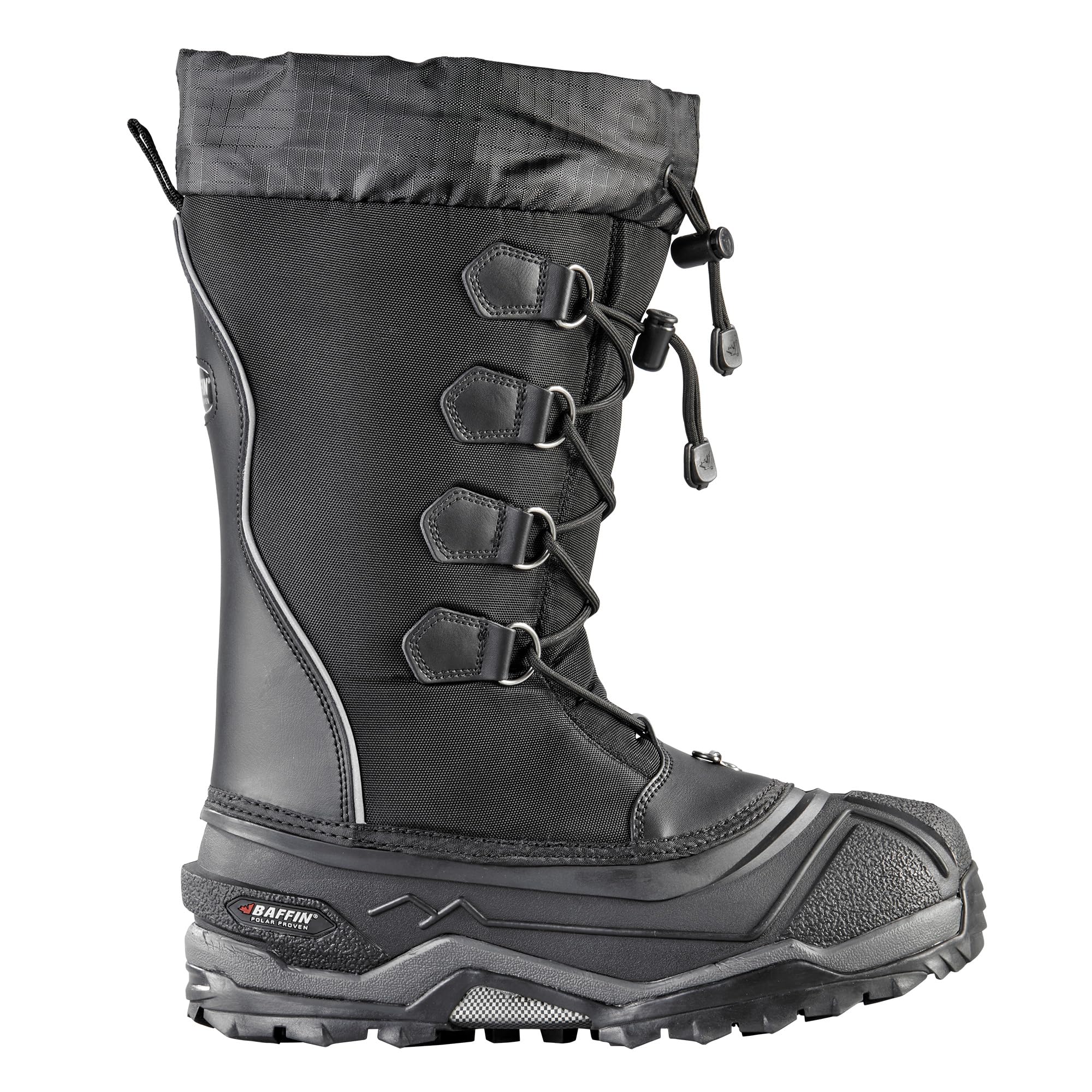
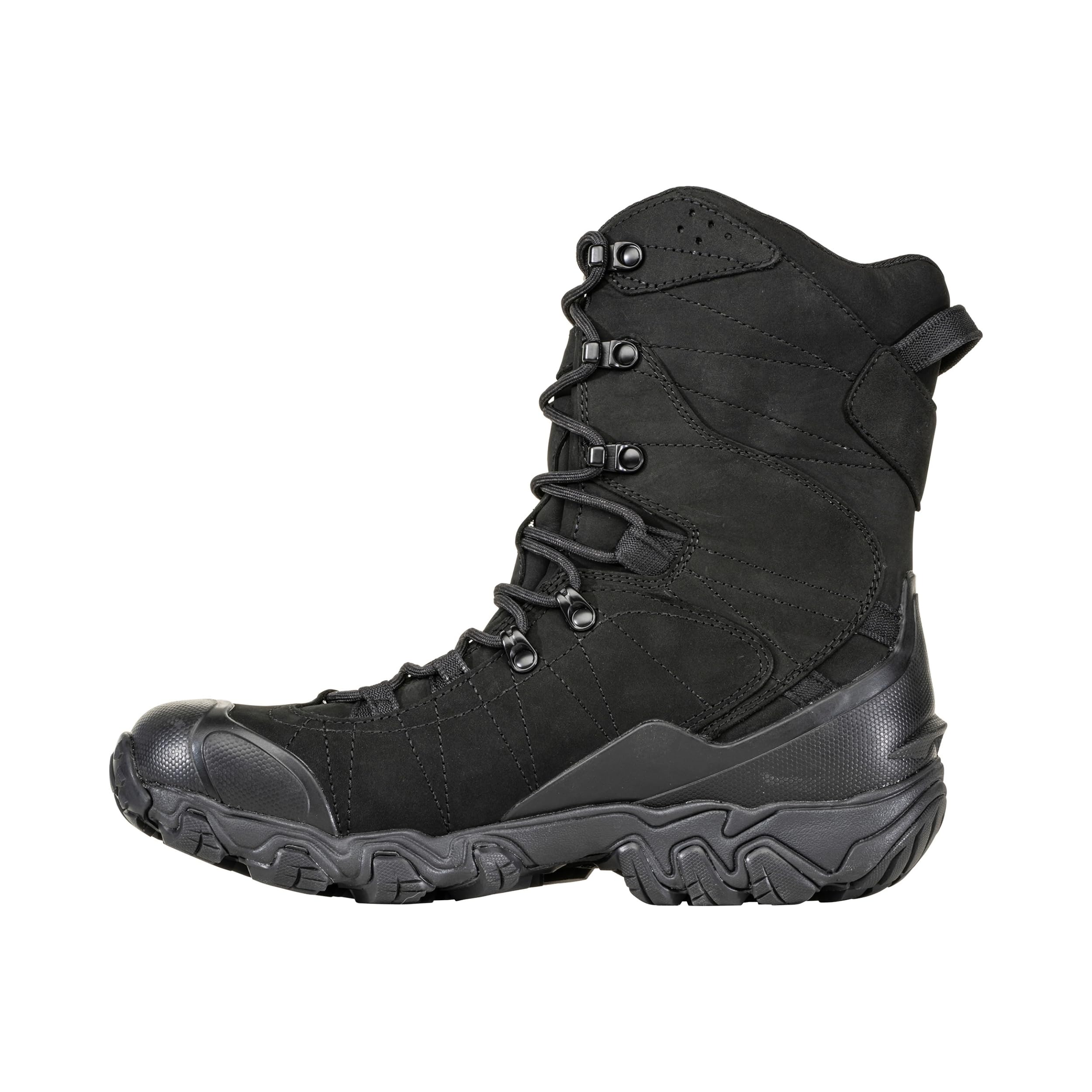

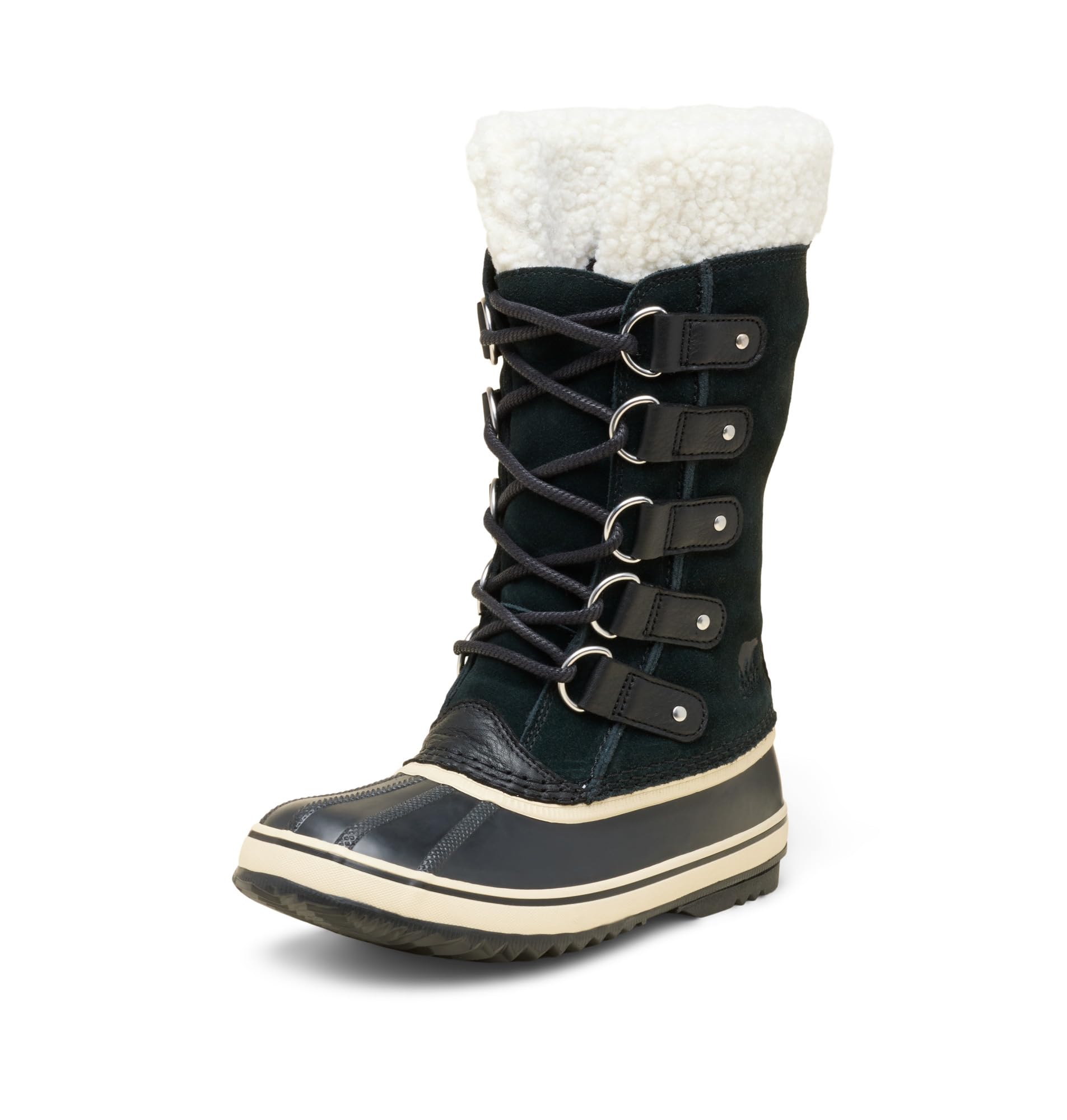
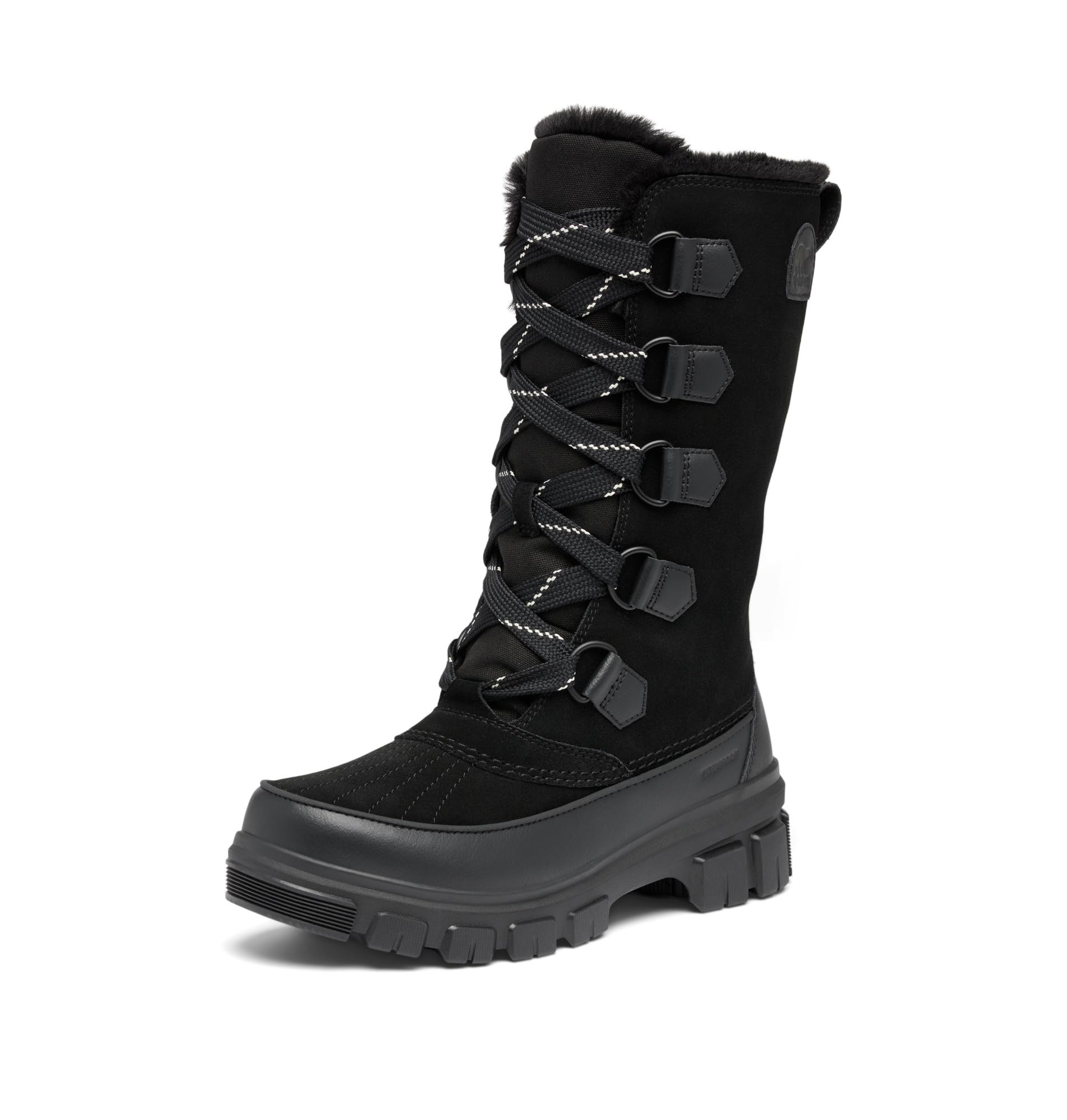


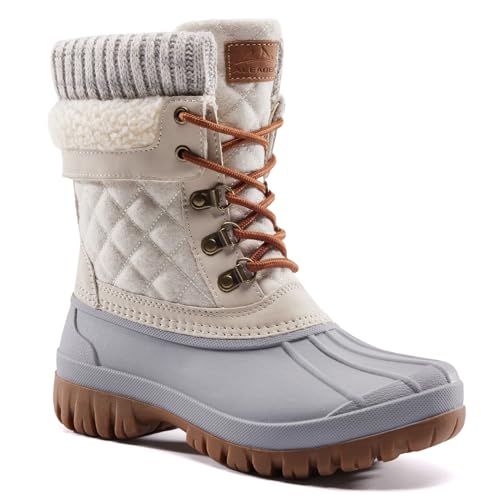
What Your Money Gets You at Each Price Tier
Every tier below can handle a Boston season. What changes is how much margin you get on the coldest, wettest days, and if you want the wider category first, our guide to best winter boots covers the full field before you narrow by budget.
Budget Tier: Warmth Basics, About $50 to $100
Expect synthetic insulation around 200 grams, a waterproof membrane or a treated upper, and a rubber sole with modest lugs. These boots handle plowed sidewalks and short walks well, and they suit drivers and anyone who spends most of the day indoors. The trade offs show up as thinner insulation on single digit mornings and soles that pack with snow faster than deeper patterns. For a mild winter or a backup pair, this tier is honest value.
Midrange Tier: Where Most Commuters Land, About $100 to $175
This is the tier most Boston walkers should start with. Insulation rises to about 400 grams, seams are sealed rather than just treated, and lug patterns get deeper and stay flexible in the cold. Fit improves too, with better heel hold and room for medium wool socks without crowding the toes. Most pairs here carry you from the first storm to spring thaw without a second thought.
Premium Tier: Built for the Whole Season, About $175 to $300
Premium money buys full grain leather or advanced synthetics, insulation around 400 to 600 grams, and soles that stay flexible in deep cold. Hardware, linings, and waterproof membranes all step up, and many pairs can be resoled or relined to stretch their working life. If you walk miles daily or stand at a bus stop before dawn, the extra margin is real. Casual users who mostly drive will not miss it.
Features Worth Paying For (and Ones to Skip)
Temperature Ratings Are Not Standardized
Treat every temperature rating on a boot box as a rough hint, not a promise. Each maker runs its own test, so a rating is not a standardized number that you can compare across brands. Your activity level, sock choice, and circulation move the real limit far more than the printed figure does. Use ratings only to sort boots within one brand, then judge by insulation weight and fit.
Waterproofing and Lugs for Slush and Ice
Boston slush is the real test: it soaks seams, hides ice under gray water, and refreezes overnight. A waterproof membrane and sealed seams keep meltwater out, while deep lugs, about 4 to 6 millimeters, bite through slush to the pavement below. Softer rubber compounds grip cold sidewalks better than hard, summer style soles. A gusseted tongue stops slush and grit from sneaking in at the laces.
Insulation Weight and the Daily Commute
Insulation is sold by weight, and the right weight depends on how much you move. Around 400 grams suits an active commuter who keeps walking and generates heat along the way. If your trip is mostly standing and waiting on a platform, step up to about 600 grams, because a still body loses heat fast. Very heavy insulation on a long walk can overheat your feet, and sweat then chills them later.
Fit, Sizing, and Toe Box
Measure your feet late in the day and shop with the wool socks you will wear in January. Winter boots should leave a thumb width in the toe box so air can circulate and toes can move, since a tight toe always feels colder. Men comparing lasts will find fit notes in our guides to best boots men winter and best man winter boots, which compare roomier shapes. Guides to best winter boots for guys cover athletic fits, while best ladies winter boots explains why a shaped last beats a shrunken version of a mens boot.
What to Skip at Every Tier
Some extras add cost without adding warmth. Fashion styling, tall decorative shafts, and ultralight racing style soles all matter less than insulation and waterproofing on a slushy commute. Heated insoles and novelty gadgets rarely survive a full season of salt and meltwater. Spend that money on better socks instead, because a fresh pair of wool socks improves any tier more than a bolted on gadget does.
Weight and Flexibility
A heavy boot protects and insulates, but it taxes every step of a long commute. Lighter boots with flexible soles walk more like shoes and suit drivers and office days. If you split your week between walking and driving, a midweight pair at about 3 pounds per pair splits the difference nicely. Stiff soles earn their keep on ice, where they spread your weight over more lugs at once.
Long Term Costs to Factor In
The sticker price is only part of a winter boot budget. Wool socks, waterproofing spray, and replacement insoles add about $20 to $40 a season, and a resole on a premium pair runs about $60 to $100 but can double its life. Budget boots usually cannot be repaired, so plan to replace them every two to three seasons. A longer warranty at the premium tier is worth real money if you walk daily.
Boots for Boston Winter: Your Questions Answered
What features matter most in boots for Boston winter?
Slush proofing matters most: sealed waterproof construction, a gusseted tongue, and lugs deep enough to reach pavement through slush. Insulation weight comes next, matched to how much you walk each day. One factor many riders forget is salt, because road salt dries leather and eats stitching over a season. Rinse your boots with plain water after the saltiest days and let them dry slowly indoors.
Can I wear Boston winter boots all day at work?
Yes, most midrange winter boots stay comfortable for a full day if the fit is right and your socks breathe. The bigger issue is heat indoors, where heavy insulation makes feet sweat during meetings and desk time. If your office runs warm, bring indoor shoes and let the boots air out under your desk. Dry liners grip and insulate better the next morning, so the swap helps twice.
How long is the break in period for Boston winter boots?
Leather winter boots usually need about one to two weeks of short wears before the ankle and shaft soften. Synthetic and fabric styles feel broken in almost at once, though their insulation still packs down slightly with use. Do not make a long icy commute your first wear in a new pair. A few short trips close to home show you any hot spots while returning them is still easy.
How often should I replace winter boots for a Boston commute?
Replace them when the lugs wear smooth, the insulation feels packed and cold, or the waterproofing fails even after retreatment. For a daily walker that point often arrives at about three to five seasons. Boots worn only during storms last much longer. Check the soles each fall, because worn lugs on the first icy morning are the most common reason a good boot suddenly feels unsafe.
Do I need waterproof boots for a Boston winter?
For most Boston commuters, yes. Water resistant treated leather sheds dry snow, but it soaks through in standing slush at curbs and crosswalks, which is where you spend the wettest minutes of the trip. A true waterproof membrane keeps that meltwater out for the whole commute. If your route is a short drive and a dry garage, water resistant boots are honestly enough.
The Bottom Line
Pick the tier by your commute, not by the coldest day on record. Midrange boots with about 400 grams of insulation, sealed waterproofing, and deep lugs serve most Bostonians all season long. The product table above collects the strongest options at each price, so you can match the best boots for boston winter to your budget in minutes.


