Best Boots for Boating: Our 2026 Checklist for Wet Decks
Disclosure: We may earn a commission when you buy through links on this page, at no extra cost to you. As an Amazon Associate I earn from qualifying purchases. Learn more

Compare the best boots for boating by wet deck grip, waterproofing, ankle support and fit, with a clear buyer checklist for sailors, anglers and crew.
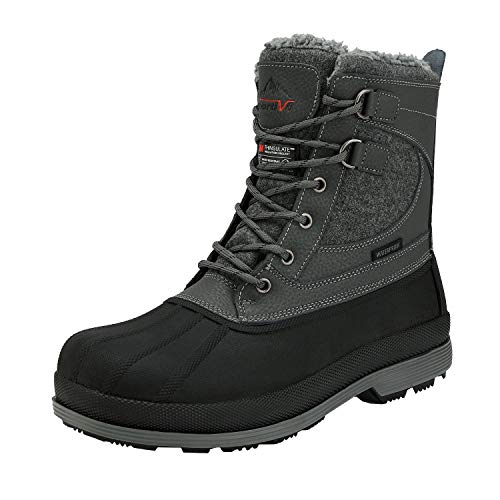
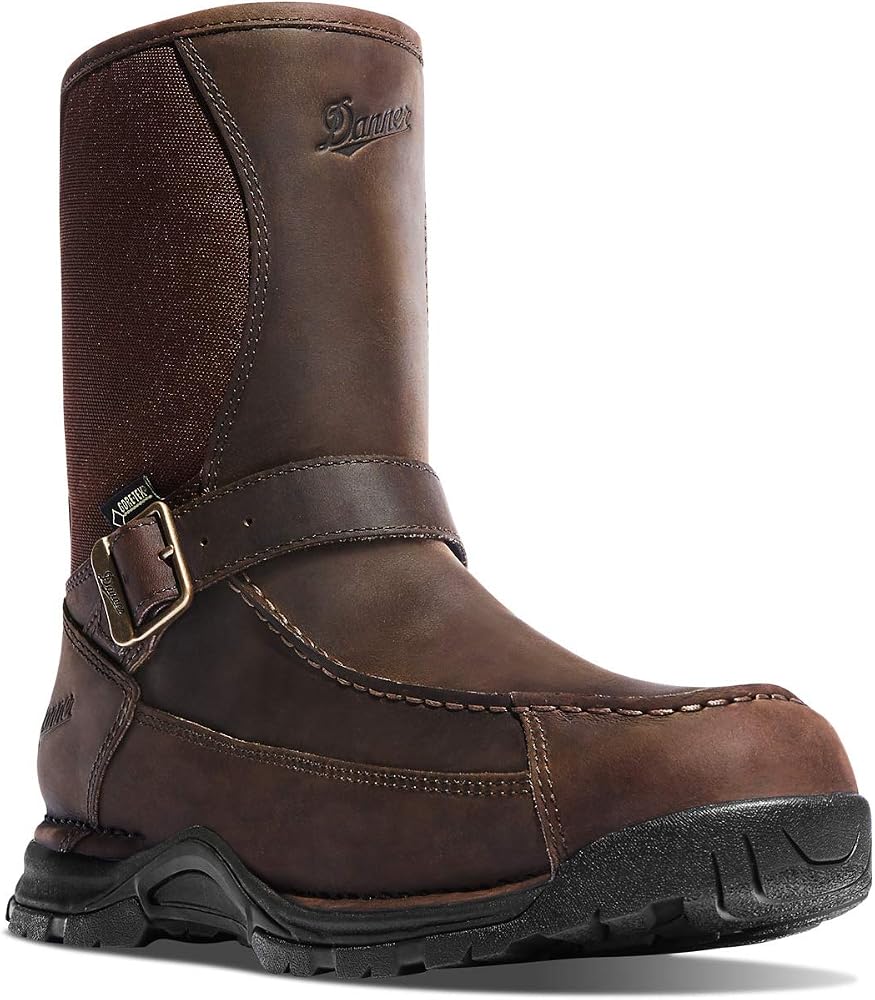
A boating boot must grip a wet, moving deck, shed or seal out water, and feel steady when you step over lines and gear. The best boots for boating match your water, your boat and your hours on board, and the comparison table below lets you check height, sole and lining side by side.
Start with how you actually boat. Cold offshore passages call for tall waterproof boots, while warm day trips suit a shorter boot that drains and dries fast. This guide walks through grip, fit and closure first, so price and color do not hide a sole that will slide.



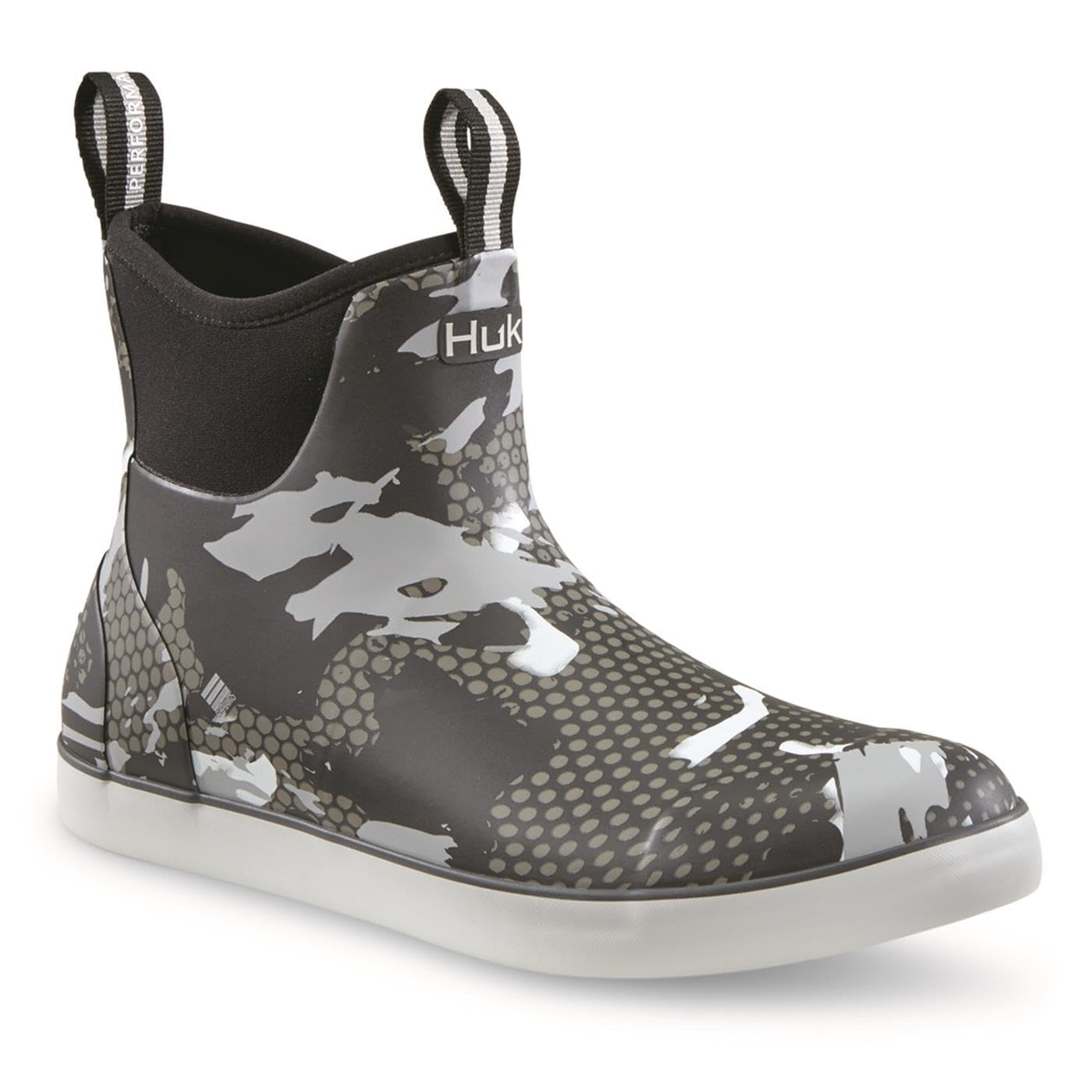
Who Should Buy Which Boots for Boating?
Your route and season matter more than a general comfort claim. Match the groups below to the trips you repeat most often.
Offshore and Foul Weather Sailors
You face spray, rain and green water over the bow, often for hours. Choose a tall waterproof boot with a sealed shaft, a grippy outsole and room for thick socks. A snug calf fit helps keep the boot from filling when a wave breaks over your leg.
Day Sailors and Powerboaters in Warm Weather
You step on and off docks, swim ladders and small decks in mostly fair weather. Choose an ankle boot or a mid height boot that is lighter, more breathable and quicker to pull on and off. You still need real deck grip, because a smooth wet surface is slippery even on a calm day.
Anglers and Crew Who Stand for Long Watches
You stand, kneel and move around gear while the boat rolls under you. Choose cushioning that stays supportive after hours, a stable base and a reinforced toe area for coolers and dropped tools.
Key Features to Compare
Compare these factors in order. A boot that fails on grip should not win on price.
Wet Deck Grip and Non Marking Outsoles
The outsole is your contact with a wet deck, so look for soft rubber with fine siping cuts that spread water away from each step. Shallow channels suit smooth fiberglass, while slightly deeper lugs help on textured docks, as long as they do not trap stones that scratch gelcoat. The sole should be non marking, because dark rubber can leave streaks that are hard to clean.
Waterproofing, Drainage and Breathability
A waterproof membrane such as Gore Tex blocks rain and spray while sealed seams keep water from entering at stitch lines. That protection costs breathability, so a fully sealed tall boot can feel warm in summer heat. Shorter boots often use mesh and drainage ports to let water escape and air move. Choose sealed waterproofing for cold water and long wet passages, and choose drainage and breathable panels for warm water where your feet will get wet anyway.
Fit Checks to Make Before a Day on Board
Measure your feet late in the day, when they are at their largest, and try boots with the socks you will wear on board. Your toes should move freely in the toe box without sliding forward when you brace on a slanted deck. Heel lift of more than a small amount can cause blisters during a long day. If you fall between sizes, the larger size with a thicker sock usually works better on cold trips, while warm weather users may prefer the closer fit.
Cushioning That Stays Steady on a Rolling Deck
Cushioning absorbs impact when you step down from a dock or brace through chop, but very soft foam can feel unstable on a rolling deck. A firmer midsole with moderate padding gives most boaters a steadier base for standing watches. Heel to toe drop is the height difference between heel and forefoot, and many boating boots sit at about 4 to 10 mm. A lower drop feels flatter and more planted, while a higher drop shifts weight forward.
Ankle Height, Toe Protection and Closure
Tall shafts keep waves and rain out and support the ankle on uneven docks, but they add weight and heat. Ankle height boots feel cooler and pack smaller, yet they let in more spray over the top. Look for a reinforced toe and heel area if you work around winches, anchors and heavy gear. Pull on styles are fast and have no laces to snag on cleats, while lace up styles let you adjust fit more closely.
Boating Boot Types and a Quick Buyer Checklist
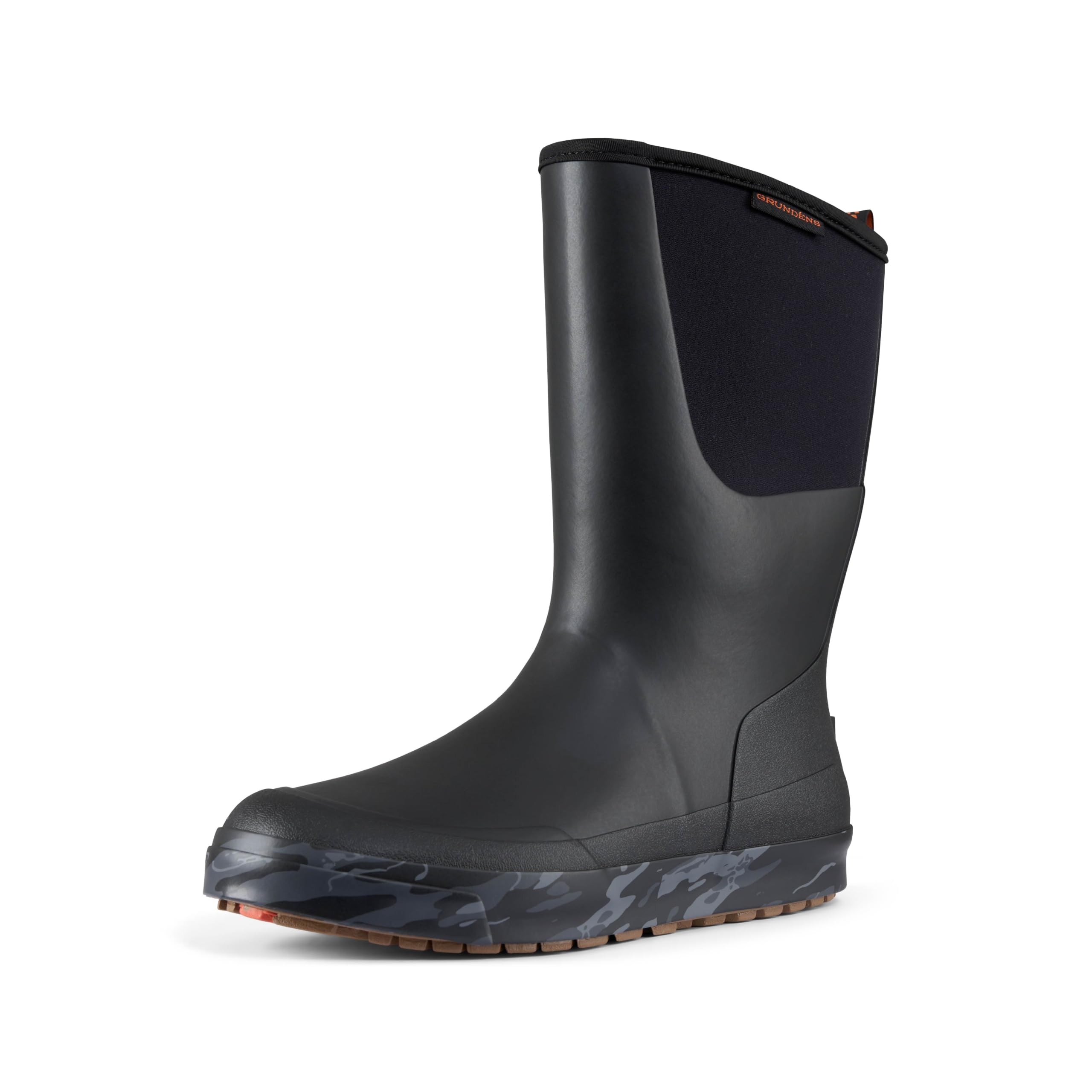
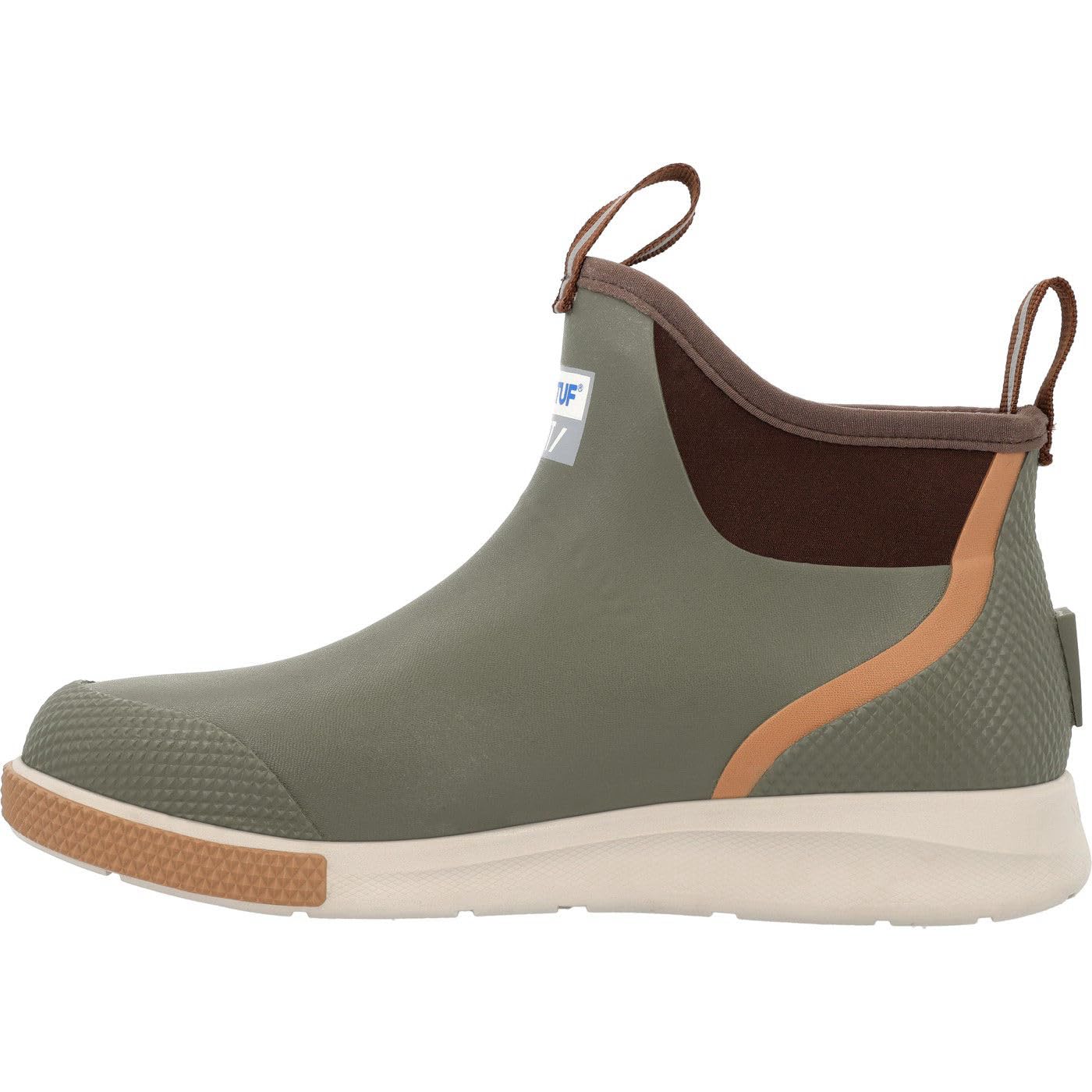
Tall waterproof boots suit offshore sailing, cold rain and fishing in rough water, where keeping water out matters most. Ankle deck boots suit day trips, dock work and travel, where light weight and easy packing matter more. Drainage style boots suit warm climates and small boats that ship water often, because they dry fast between outings.
When you shop for the best boots for boating for your own boat type, ask whether a lower shoe would serve you better on dry summer days. Many boaters keep boots for wet trips and switch in heat, and our guide to the best shoes for boating and water covers that warmer option.
Before you buy, answer these questions for your usual trip.
- Does the outsole use siping and soft rubber made for wet decks?
- Is the sole non marking for fiberglass and finished decks?
- Does the height match your water, tall for spray and ankle for warm days?
- Can you fit your normal boating socks without crowding your toes?
- Does water stay out through sealed seams, or drain out by design?
- Can you pull the boot on and off with cold or wet hands?
- Does the closure stay clear of cleats, lines and fishing hooks?
Common Mistakes to Avoid
Most poor choices look fine in a dry store and fail on the first wet deck.
- Wearing hiking boots on board leaves you with deep lugs that trap stones and a sole that slips on smooth fiberglass.
- Buying a tall waterproof boot for hot summer use leaves your feet overheated and sweaty for the whole trip.
- Sizing boots with thin dress socks leaves no room for warm boating socks and crowds your toes in cold weather.
- Choosing fashion leather boots for boating lets salt water stain and stiffen the leather after one season.
- Ignoring sole color and marking leaves dark streaks on a light deck that take hard scrubbing to remove.
- Keeping laces long and loose lets them catch on cleats and hardware when you move quickly on deck.
Care and Maintenance for Boating Boots
Rinse your boots with fresh water after every salt water trip, paying attention to zips, eyelets and sole channels where salt and sand collect. Salt left in seams speeds wear and can stiffen fabric parts. Dry them in shade with air moving, away from direct heat, because strong heat can crack rubber and damage waterproof membranes.
Store boots upright in a dry place so the shaft does not fold at the ankle. Check the outsole every few trips for worn siping, embedded stones and small cuts, and check seams for gaps before a long passage. Keep dry socks and a towel in your gear bag.
FAQ
What features matter most in boots for boating on a fishing boat?
Grip, drainage and toe protection matter most on a fishing boat. Fishing decks add slime, bait and washdown water, which makes a siped sole even more important than on a clean sailboat deck. Look for a sole pattern you can rinse clean with a hose, because packed grooves grip poorly.
How should boots for boating fit when you kneel to handle lines?
Boots for boating should stay secure at the heel while your toes bend freely when you kneel. Test this by kneeling, bracing on one foot and stepping onto a low platform, not only by walking a flat aisle. A boot that pinches across the forefoot when kneeling will ache during anchor work. Leave a thumb width of space in front of your longest toe for this bent position.
Can I wear boots for boating on shore walks and dock errands?
Yes, you can wear boots for boating on shore, but reserve them mainly for the boat to protect the sole. Pavement and gravel wear down fine siping faster than deck surfaces do, and that siping keeps you steady when the deck gets wet. Use a separate pair for long shore errands on rough ground. Short walks to the marina office will not harm a good deck boot.
Do I need waterproof boots for boating in warm summer rain?
You need waterproof boots for boating in summer rain only if your feet chill easily or trips are long. In warm rain, many boaters stay more comfortable in a drainage boot that gets wet and then dries, because a sealed boot traps sweat in heat. Cold rain is different, since wet feet lose heat fast even in mild air. Match the choice to water temperature, not rainfall alone.
How often should I replace boots for boating when the sole hardens?
Replace boots for boating when the rubber feels hard and the siping no longer opens under your weight, even if the tread still looks deep. Rubber hardens with age, heat and sun, so a spare pair stored in a hot garage can lose grip before it looks worn. Press a fingernail into the sole, because fresh deck rubber gives slightly while hardened rubber feels like hard plastic.
Our Verdict
Choose grip first, then match height and waterproofing to your water temperature and trip length, and only then compare price. Tall sealed boots serve offshore crews, ankle boots serve most day trips, and drainage boots serve warm, wet small boats. Use the product table above to confirm sole type, height and lining for your short list.
When you compare best boots for boating with those points clear, the right pair is the one you trust on a wet deck at the end of a long day. Buy for the trips you take most, and care for the rubber and seams.