
Best Boots for Big Dogs in 2026: Which Type Is Right for You?
Disclosure: We may earn a commission when you buy through links on this page, at no extra cost to you. As an Amazon Associate I earn from qualifying purchases. Learn more

Compare types of boots for big dogs, with guidance on paw sizing, secure straps, rugged soles, seasonal materials and training tips for large breeds.
Big dogs put serious force through their paws, and a boot that fits a small dog can twist or tear on a large breed. The best boots for big dogs match paw width, leg shape and usual ground. This guide compares types and fit so you can use the comparison table below with confidence.
Start with the job the boots must do. A city dog mainly needs protection from heat, salt and glass, while a trail dog needs grip and a sole that resists sharp stone.
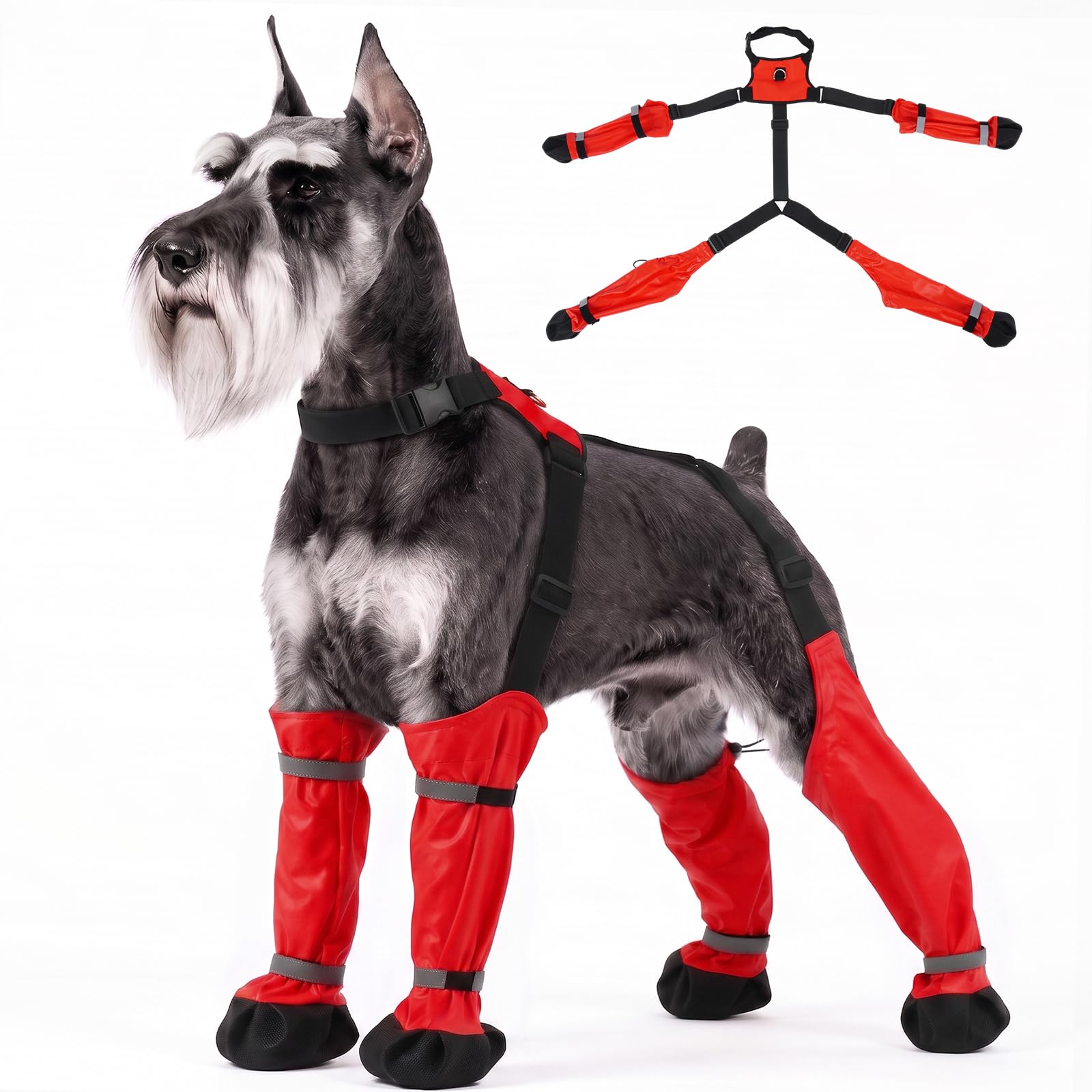
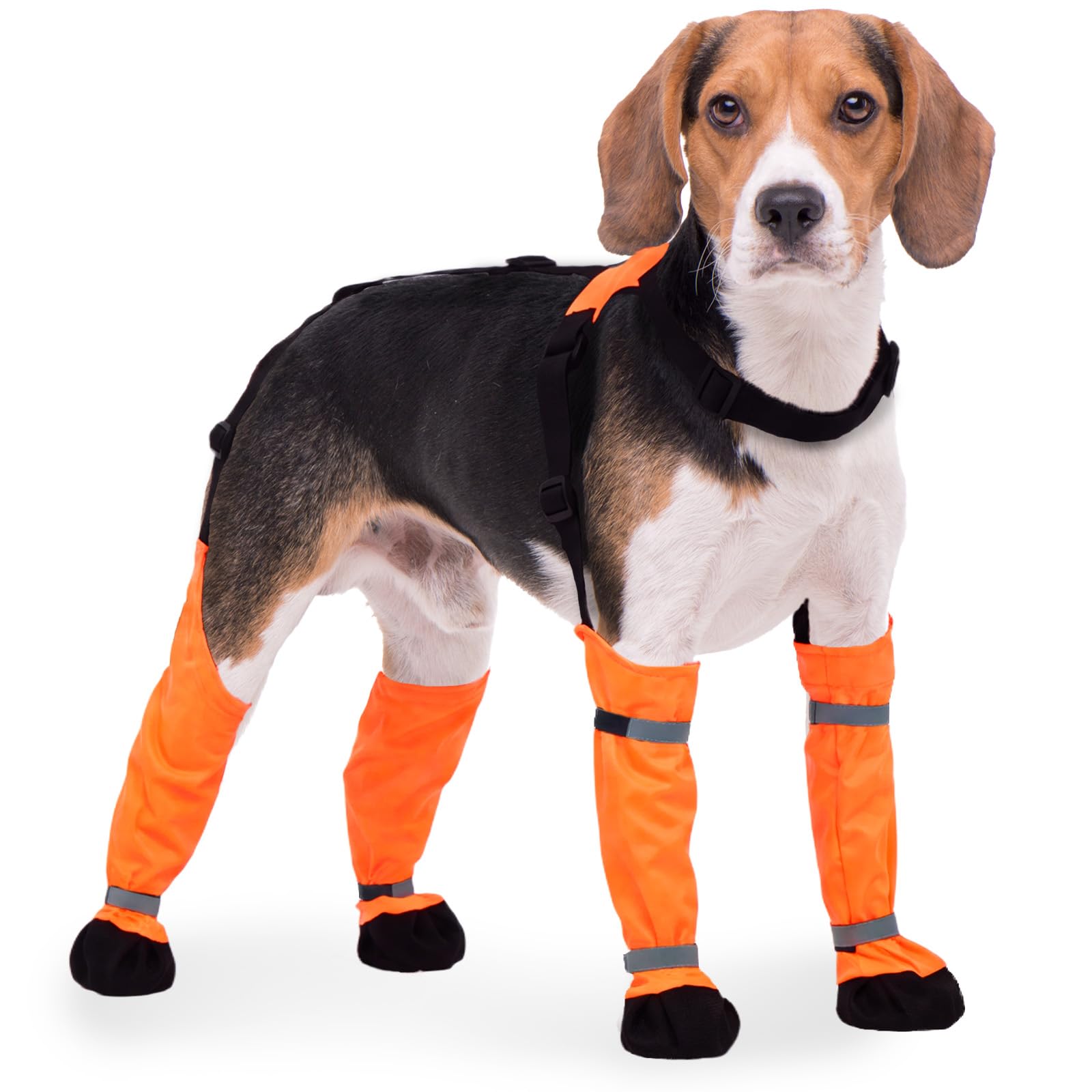
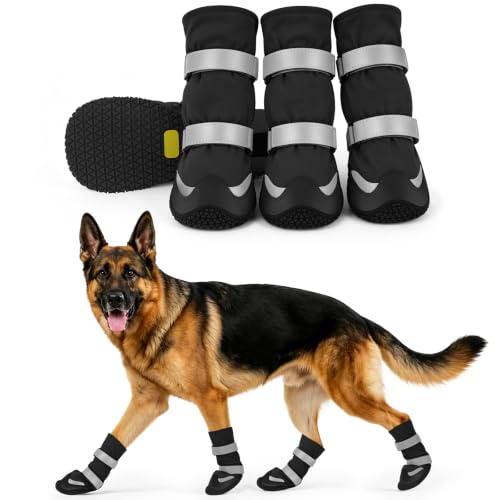
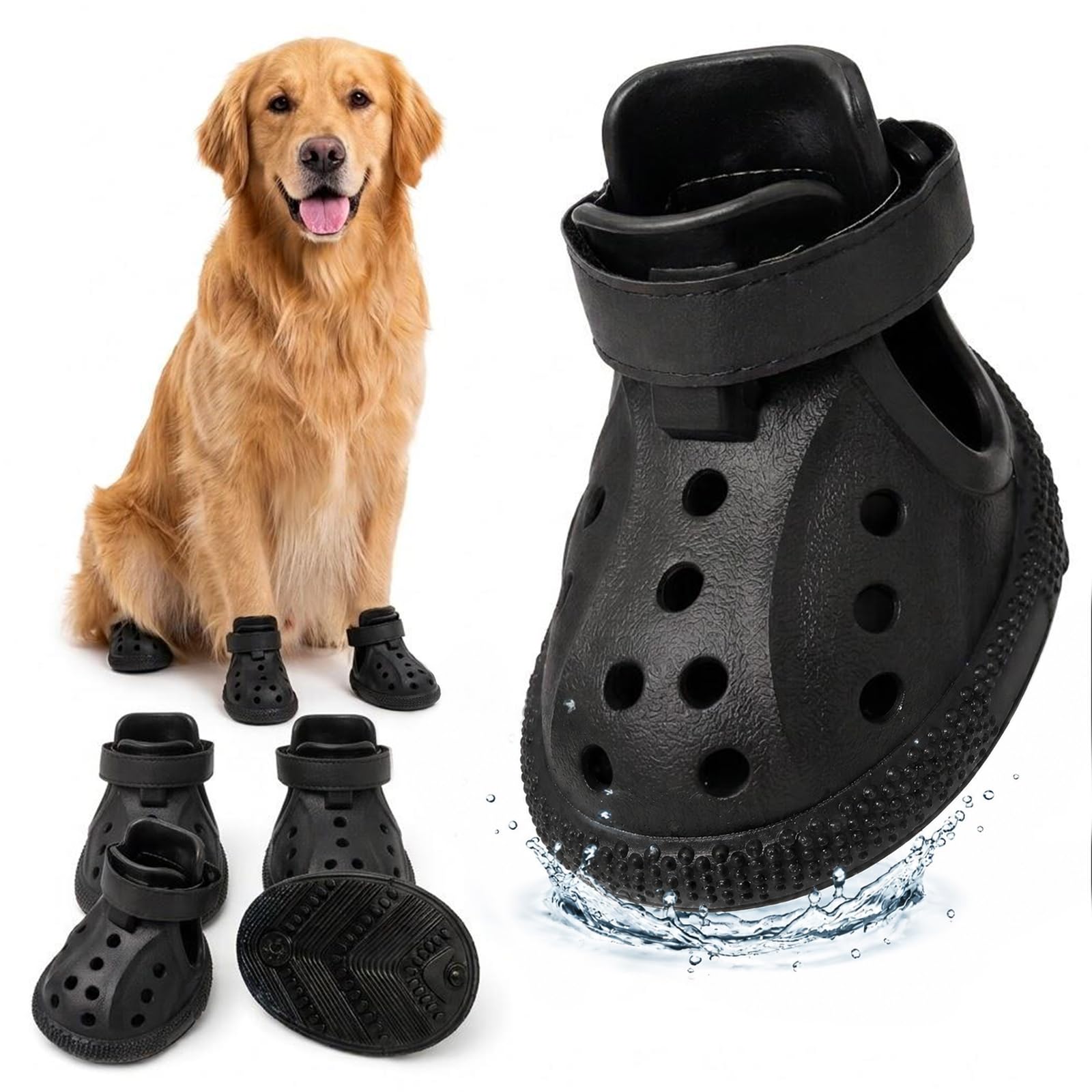


Who Should Buy Which Boots for a Big Dog?
Choose by your dog's size, strength and daily ground. One boot rarely suits a pavement walker, a trail dog and a dog with a sore paw.
Owners of Large Breeds Who Walk on Hot or Salted Pavement
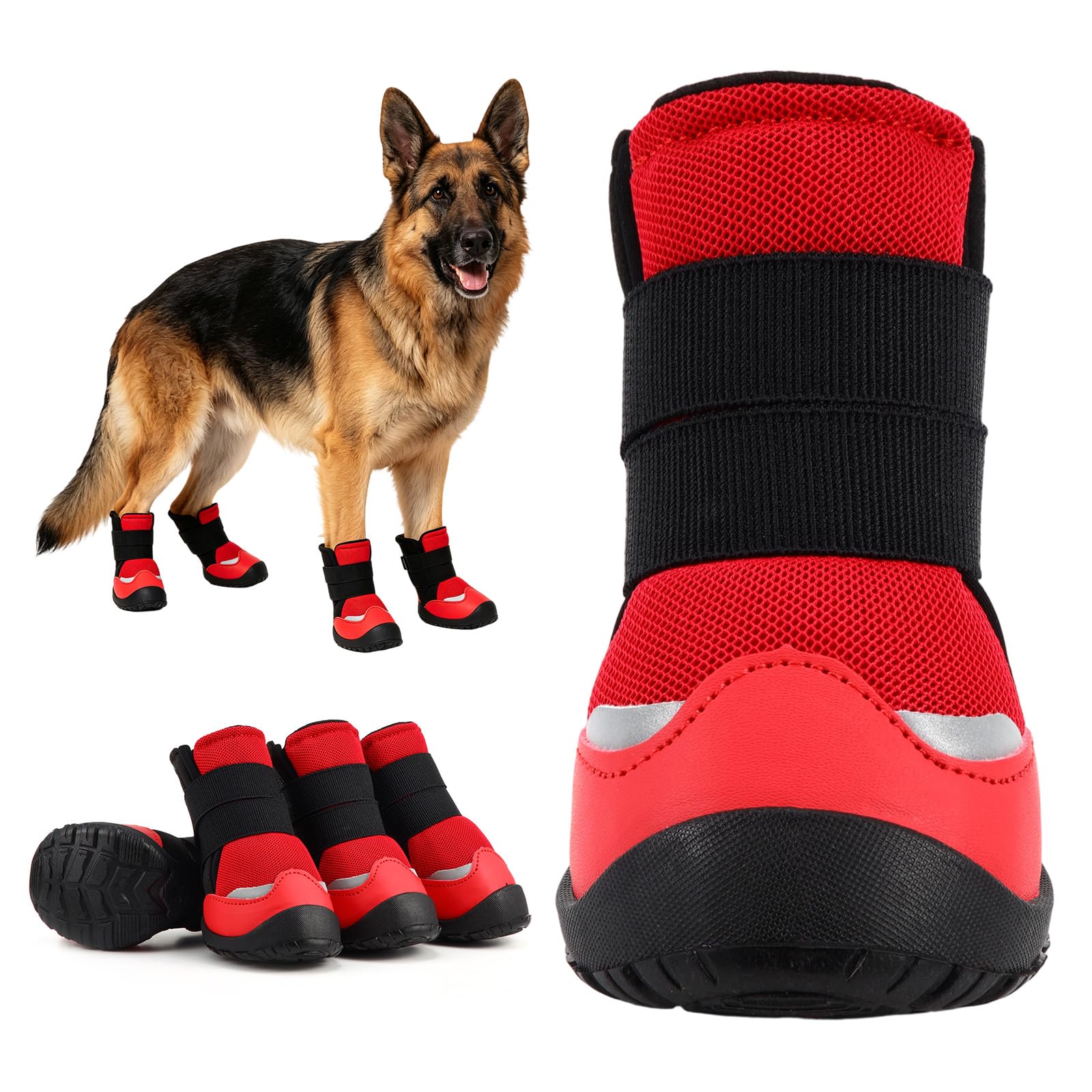
Your dog presses paws hard into rough surfaces, so thin fabric wears fast. Choose a sturdy sole, a wide opening and two straps that spread pressure across the leg. Breathable panels help in summer, while a taller shaft keeps out road salt in winter.
Hikers With Strong Dogs on Rocky or Muddy Trails
A powerful dog can pull a loose boot off in one scramble over wet rock. You need deep tread, a reinforced toe area and closures that stay shut when the leg flexes. Practice on short walks first, and carry a spare boot.
Owners of Senior Big Dogs or Dogs With a Paw Injury
Large senior dogs often slip on wood or tile floors, and extra grip can help them rise and turn with more confidence. Choose soft boots that go on without forcing the paw, and follow your veterinarian's guidance for any injured paw. Watch for limping, swelling or worsening licking, and talk with your veterinarian promptly if those signs appear.
Key Features to Compare
When you compare the best boots for big dogs, work through size, closure, sole and fabric in that order. A boot that fails on size will fail in use.
Paw Size and Sizing Charts for Large Paws
Measure each paw while your dog stands on it, since a loaded paw spreads wider than a lifted one. Trace the paw on paper, then measure the widest width and the length from heel pad to longest nail. Many large breeds measure about 2.5 to 3.5 inches wide. Check front and back paws and follow each brand's chart, rather than guessing from weight alone.
Straps and Closures That Stay On Strong Legs
Big dogs generate more pull and leg movement, so a single thin strap often works loose within a block or two. Two wide straps, placed above and below the narrow part of the leg, hold the boot evenly and reduce twisting. Hook and loop closures adjust quickly, while a buckle suits dogs that chew at fabric tabs. You should still fit one finger under each strap.
Sole Thickness, Tread and Ground Protection
The outsole is your dog's only barrier against hot pavement, ice, thorns and sharp gravel, so it matters more on a heavy dog than on a light one. Thick rubber with deep tread grips wet stone and mud, but can feel stiff at first. Thinner soles give better ground feel for indoor grip. Test summer pavement with the back of your hand first.
Upper Fabric, Breathability and Water Resistance
Tough woven fabric resists scuffs from nails and rough ground, and a reinforced toe slows wear where big dogs dig in. Mesh panels let heat escape on warm days, though they let in water and grit. Water resistant shells suit rain and slush, yet hold warmth, so dry boots fully after use. Match fabric to your main season instead of expecting one boot to suit both August heat and deep snow.
Shaft Height, Wide Entry and Dewclaws
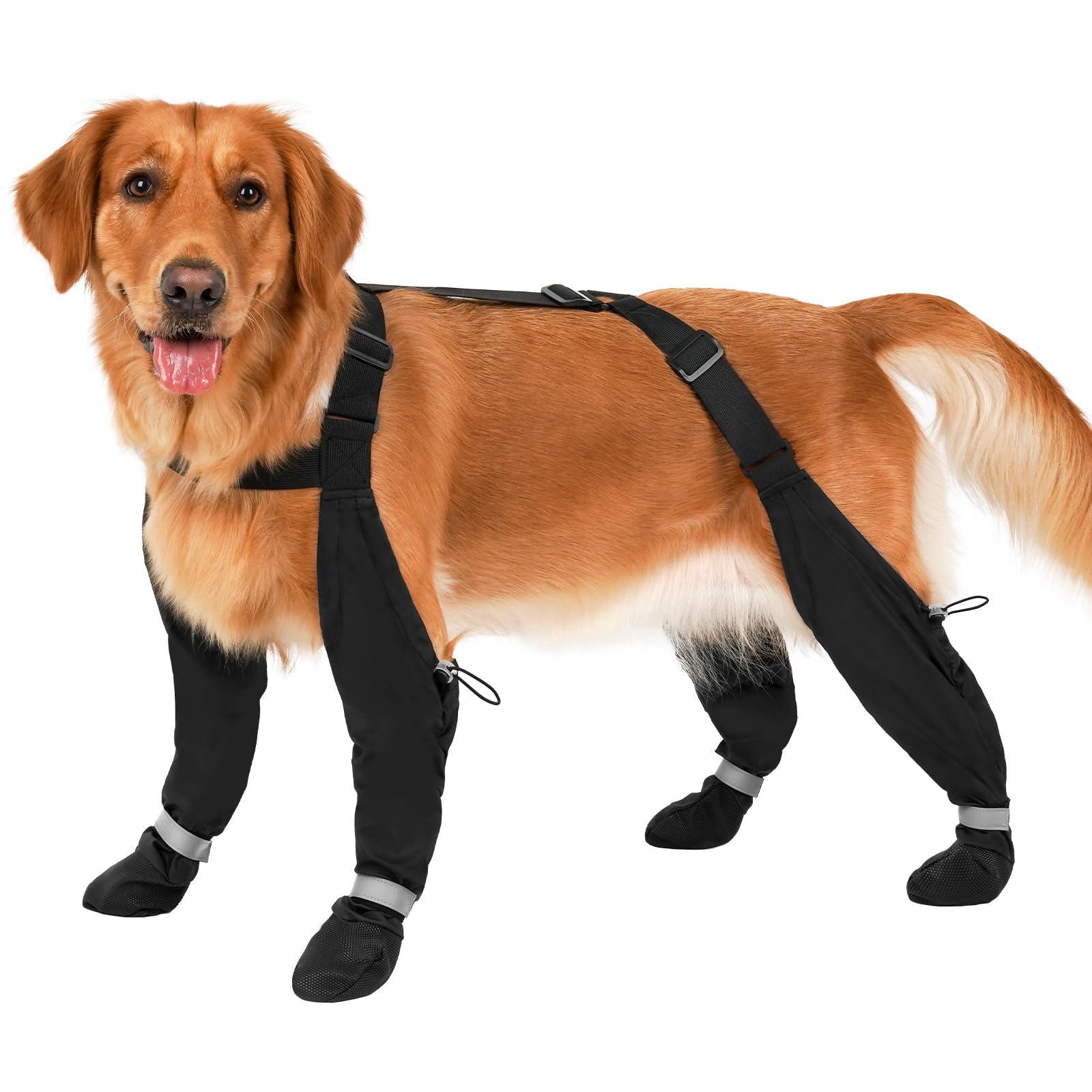
A tall shaft keeps snow, mud and small stones out and gives straps a better hold on a long leg. A wide entry matters just as much, since forcing a large paw through a narrow neck stresses seams and upsets many dogs. Check where the edge and straps sit against any dewclaw, the small claw higher on the leg. Padding there can prevent rubbing.
Types of Boots for Big Dogs Compared
Dog boots fall into four broad types, each trading protection, warmth and ease of use differently. Most sets of four cost about $25 to $60.
Rugged Trail Boots for Big Dogs
Trail boots pair a thick treaded sole with a durable upper and secure double straps. They protect best on rock, roots and gravel, and suit strong dogs that hike often. They are also the stiffest type, so most dogs need several practice sessions before a full hike.
Insulated Winter Boots for Big Dogs
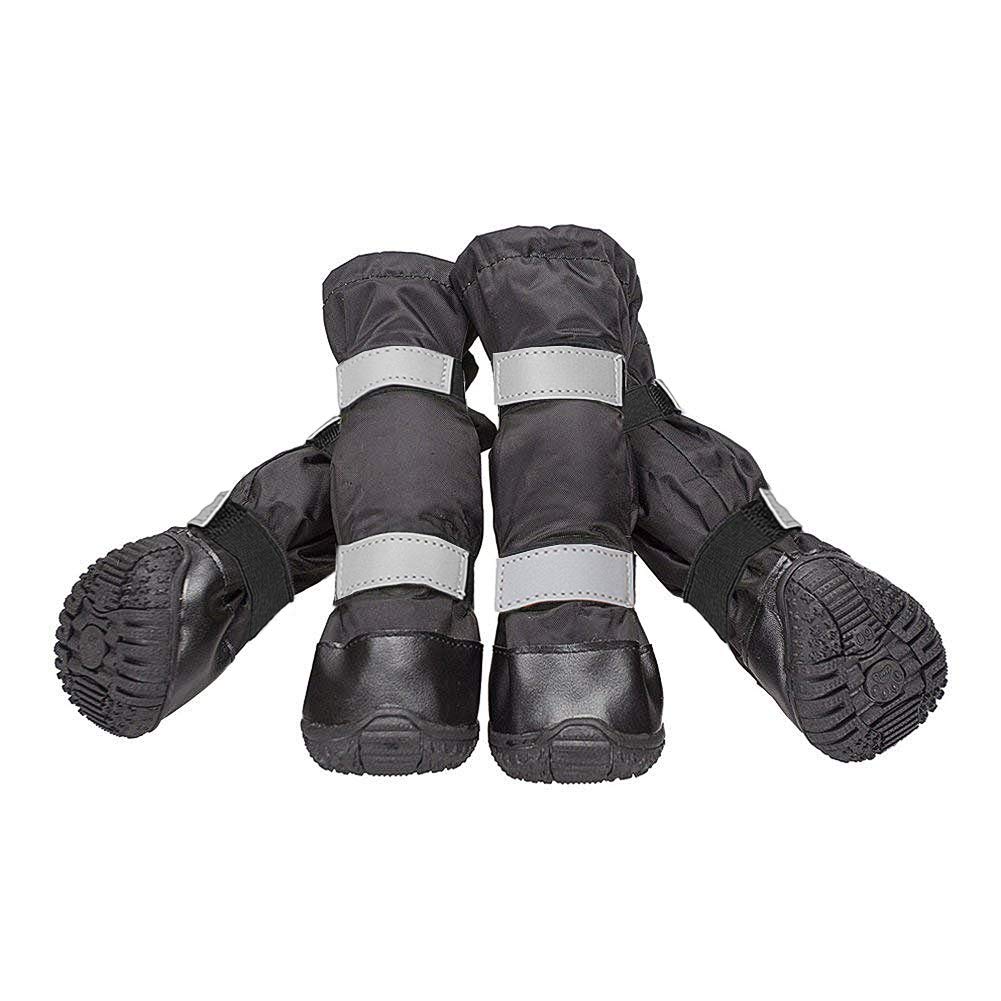
Winter boots add a tall shaft, a warm lining and a sole made to grip packed snow and ice. They keep road salt and ice balls away from paw fur. If deep cold is your main concern, see our guide to the best dog boots for winter for more on insulation and ice grip.
Light Breathable Boots for Everyday Big Dog Walks
Everyday boots use lighter fabric and a more flexible sole, which many dogs accept faster than a stiff trail boot. They suit pavement, dry parks and protection from heat or minor debris. For very short outings on mild ground, our guide to the best dog shoes explains a softer option. Inspect their soles often, since they wear faster under a heavy dog.
Rubber Grip Boots and Paw Covers for Big Dogs
Rubber boots and coated paw covers give strong grip on wet ground and smooth floors, and they rinse clean in seconds. Thin rubber offers little insulation and can tear on sharp stone, so save it for rain, mud and indoor traction. It fits close to the paw, which helps senior dogs feel the floor.
How to Measure Big Dog Paws and Start Boot Training
Measure in the evening after a walk, when paws are at their normal working size, and trace each front paw twice. Write the width beside each paw, since left and right can differ after an old injury. If a measurement falls between sizes, contact the maker with the tracing, because large breed sizing varies a lot between brands.
Training works best in calm, short steps at home. Let your dog sniff the boots, put one boot on for a minute with praise and a treat, then build up to all four and a short indoor walk.
Common Mistakes to Avoid
- Sizing from breed or weight alone gives boots that spin and rub the leg raw.
- Buying one size for all four paws ignores wider front paws, so back boots slip off.
- Strapping boots as tight as possible can leave marks or swelling on the leg.
- Starting with a long hike turns a small fit problem into sore spots.
- Skipping a hand check on midday pavement can burn paws through a thin sole.
- Ignoring a missing boot leaves one paw open to cuts from stone or thorns.
Care and Maintenance of Boots for Big Dogs
Shake out grit and check each boot after every walk. Small stones trapped inside can press into a pad under a large dog's full weight, so turn boots inside out when the design allows it. Wipe soles with a damp cloth, and wash fabric uppers in cool water with mild soap.
Air dry boots away from direct heat, since heat can crack rubber and warp soles. Inspect straps, seams and toe areas weekly during heavy use, and retire a boot when the sole wears smooth. Store clean, dry boots in an open bag.
FAQ
How long does it take a big dog to get used to wearing boots?
Most big dogs accept boots within about three to seven short practice sessions. Dogs that dislike paw handling may need two weeks of brief practice instead. Keep sessions under ten minutes, reward still standing before walking, and practice on carpet first. If your dog freezes or chews hard at the boots, stop and restart the next day with one boot.
Should boots for a big dog fit the front and back paws the same way?
No, boots for a big dog often fit front and back paws differently, since front paws carry more weight and usually spread wider. Some brands sell pairs rather than sets of four for this reason, which lets you order two sizes. Recheck fit after the first few walks, because straps settle as fabric softens. A boot that fit indoors can still twist once your dog trots.
Can a big dog wear boots on long hikes in warm weather?
A big dog can wear boots on warm hikes, but you must plan rest and water stops more carefully. Dogs cool themselves mainly through panting, yet a sealed boot can still build up heat and moisture around the paw. Choose breathable uppers, remove the boots at shaded rests, and feel the paws for excess warmth. Shorten the first warm hike.
How do you keep boots on a big dog that kicks them off?
Start by rechecking paw width, since kicking often means the boot feels loose or the sole feels too stiff. Fit the boots, then walk your dog on a leash right away so movement becomes the focus. A few dogs do better with a taller shaft that straps above the narrow part of the leg. Note which paw loses its boot, since that paw may need a smaller size.
When should boots for a big dog be replaced?
Replace boots for a big dog when tread wears smooth, a sole cracks, or straps stop holding through a normal walk. Heavy dogs wear soles faster than small dogs, and a boot used daily on pavement may last one season. Check the toe area too, since many large dogs drag that spot thin first.
The Bottom Line
For most owners, the right choice comes down to an honest paw measurement, a closure that stays put, and a sole matched to your usual ground. Use the product table above to compare sizes and prices.
When you choose best boots for big dogs with those points in mind, your dog gets real protection without a daily fight at the door.


