
Best Boots for Bad Ankles for 2026: Every Type Explained Side by Side
Disclosure: We may earn a commission when you buy through links on this page, at no extra cost to you. As an Amazon Associate I earn from qualifying purchases. Learn more

Compare boots for bad ankles by type, shaft support, fit and price, with clear guidance on stability, grip, traction and room for a brace or insert.
Choosing among hiking, work and waterproof styles can feel confusing. The best boots for bad ankles share three traits: a collar that supports the joint, a sole that grips without wobbling, and a fit that holds the heel. Use the comparison table below to match a style to your ground and your history of sprains.
Bad ankles can mean an old sprain or a joint that rolls often on uneven ground. The right boot cannot fix the joint, but it can limit extra movement, spread pressure and help you walk with more confidence. Read the types, then use the fit checks to narrow your list.

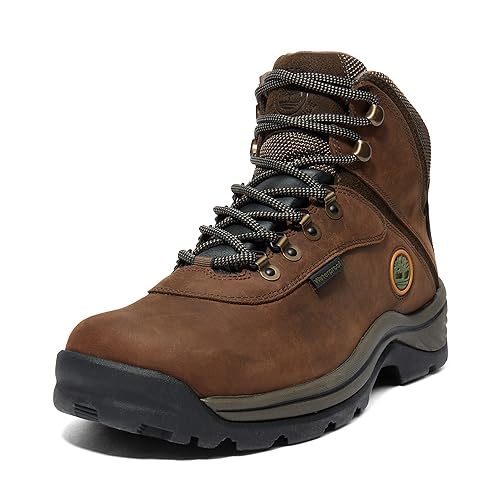


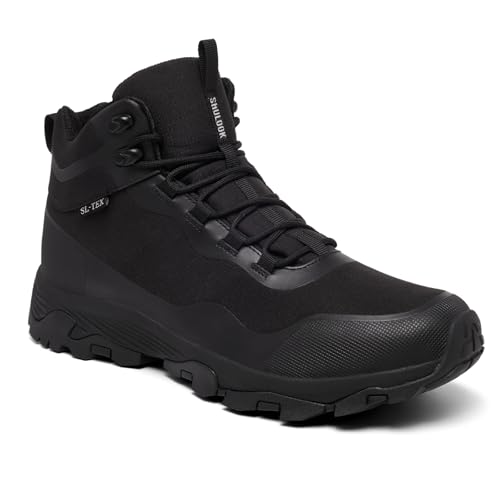


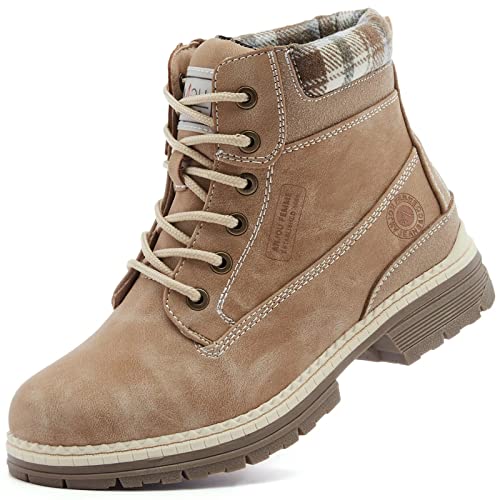
Types of Boots Compared: Who Should Buy Which Style?
The four styles below cover most walking, trail and work needs. Ski boots sit apart because they use a rigid shell and specialist fitting. If skiing is your main goal, see our guide to the best ski boots for bad ankles.
Lightweight Hiking and Walking Boots
These boots use a flexible sole, a mid height collar and light uppers, so they feel closer to sturdy shoes. They suit paved paths and daily walks on mostly even ground, where extra weight would tire your legs. The tradeoff is protection, because a soft collar guards less on loose rock. Most cost about $80 to $160. For trail focused options, see our guide to the best hiking boots for bad ankles.
High Shaft Stability Boots
These boots rise higher on the leg, pair a firm heel counter with a stiff shank, and hold the ankle in a more fixed position. They suit rough trails and sloped yards where one bad step could roll the joint again. The tradeoff is bulk, because the taller build feels warmer, heavier and clumsier on flat floors. Most cost about $130 to $230.
Waterproof Boots for Wet Trails and Outdoor Work
A waterproof boot uses a membrane such as Gore Tex and sealed seams to keep rain, wet grass and puddles away from your socks. A dry foot blisters less and stays warmer. The tradeoff is airflow, because the membrane slows the escape of sweat on hot days, and these boots dry slowly once water enters over the collar. Most cost about $110 to $210.
Work Boots With a Padded Collar and Firm Support
Work boots built for long shifts combine a padded collar, a firm shank and a wide, slip resistant outsole for concrete floors. They suit jobs that mix standing with repeated walking and ladder steps. Some models add a safety toe where a workplace requires one. The tradeoff is weight during off hours. Most cost about $100 to $200. For shift focused options, see our guide to the best work boots for bad ankles.
Lightweight Boots vs High Shaft Stability Boots: Which Should You Choose?
Compare the two styles on ground first. Lightweight boots feel better on even paths, while high shaft boots earn their weight on rocky or sloped ground where the ankle must resist a sideways roll. On flat floors, the tall collar adds little.
Next compare fatigue, warmth and cost. A heavy boot can tire calves late in the day, while a light boot leaves you fresher but less guarded. High shaft styles run warmer and cost more. Choose lightweight for daily comfort on predictable ground, and high shaft support where a single twist would cost you weeks.
How to Choose the Right Boot for Bad Ankles
Start with your own pattern of pain, swelling and rolling, because the best boots for bad ankles for a trail walker may be wrong for a nurse on concrete. Then work through the five checks below.
Matching Arch Support to Your Foot Shape
Arch support shapes how pressure spreads across the foot and how much the ankle rolls inward with each step. Flat feet often roll inward more, so a firmer arch and a stable midsole can help the ankle track straighter. High arches absorb less shock, so added cushioning under the arch often feels better. Bring the inserts you already use to every fitting.
Leather and Synthetic Uppers for Ankle Support
Mesh and knit uppers feel light and breathable and suit dry, warm conditions, but they stretch more and give the ankle less structure. Leather uppers hold their shape, resist scuffs and support the collar area better, but they weigh more and need a longer break in period. With a waterproof membrane, plan socks around sweat as well as rain.
Sizing Boots to Lock the Heel Without Squeezing Toes
Measure both feet late in the day, when mild swelling makes your feet largest, and size for the larger foot. Your toes need room to spread, so look for a toe box that lets them lie flat without pressing the sides. Your heel should sit snug with almost no lift as you walk. If you wear a brace or thick socks, fit the boot with them on.
Durability and Expected Lifespan
A boot used for daily walking often lasts about 500 to 1000 miles before the cushioning packs down and the outsole smooths out. Leather uppers can outlast that span, while light mesh uppers wear through sooner. When parts such as the shank and heel counter soften, the boot may look fine while giving your ankle less control.
Features That Matter Most for Bad Ankles
For weak ankles, three parts deserve the closest look. A shaft that rises about 5 to 7 inches can limit sideways movement, a firm heel counter can hold the rear foot steady, and a heel to toe drop of about 8 to 12 mm can reduce strain for some walkers. Seek care promptly if your ankle gives way often, if sprains keep returning, if swelling or pain lasts beyond a few days, or if you cannot bear weight. Talk with your clinician about your personal needs before relying on any boot for support.
Common Mistakes to Avoid
Each mistake below weakens the support you thought you bought.
- Choosing a low collar boot for rocky trails leaves the ankle free to roll on stones.
- Sizing up for width without checking heel hold lets the heel lift and the foot slide.
- Skipping the top hooks when lacing leaves the collar loose and wastes its support.
- Fitting boots with thin socks and walking in thick socks changes the fit and invites sliding.
- Keeping a boot after its tread smooths out raises the chance of a slip on wet ground.
- Buying for looks alone can leave you with a flexible sole that twists easily on paths.
Care Habits That Keep Supportive Boots Working Longer
After a wet outing, loosen the laces, remove the insoles and let the boots air dry away from direct heat, because hot air can crack leather and warp glues. Stuff the toes with plain paper if the uppers are soaked, and replace the paper once it feels damp.
Brush dried mud from the outsole and upper, and wipe leather clean before applying any conditioner the maker recommends. Rotate two pairs if you walk daily. Store boots upright, and replace worn laces early, because a snapped lace leaves the collar loose when you need it most.
Boots for Bad Ankles: Your Questions Answered
What features matter most in boots for bad ankles?
Fit and heel hold matter most, followed by shaft support and a stable outsole. If your budget forces a trade, protect those areas before paying for extra cushioning. In the store, walk on an incline and on stairs where staff allow it, because a boot that feels steady on a slope tells you more than one that only feels soft.
How long is the break in period for new boots worn with bad ankles?
Most boots need about one to two weeks of short walks before the upper and sole flex with your stride. Start with walks of about 20 to 30 minutes and add time only when rubbing and hot spots stay absent. Pain inside the ankle joint differs from new boot stiffness, so stop and refit or seek advice if joint pain grows.
How should boots for bad ankles fit around the heel and toes?
Boots for bad ankles should hold the heel snug while the toes keep room to spread and lie flat. Add this check: with laces tied, press one finger behind the heel and note the gap, then walk down a ramp if the store has one. Your toes should not slam the front on the descent, because repeated impact can change your gait and load the ankle.
Do I need waterproof boots if I have bad ankles?
You need waterproof boots only if wet grass, rain or puddles are part of most weeks. Dry socks help you keep a normal stride, and a normal stride places the foot more carefully than a hurried one. If your routes are mostly dry and indoors, a breathable upper feels cooler and dries faster after sweat, so the upgrade may add cost without support.
How often should I replace boots if I have bad ankles?
Replace boots when support fades, even if the upper still looks clean and whole. Check the outsole wear pattern every few months, because tread worn smooth on one side can tilt the foot and change ankle load. Press the heel counter with your thumb as well. If it folds inward with light pressure, the boot no longer holds the rear foot as it did when new.
Are expensive boots worth it if I have bad ankles?
Expensive boots are worth it only when the extra cost buys fit, support or repairable construction that matches your use. Higher prices often reflect leather quality and a build that a cobbler can resole. They do not guarantee a better match for your ankle. A mid priced boot that fits your brace and daily ground beats a costly boot that fits poorly.
Our Verdict
Match the boot type to your ground first, then insist on heel hold, shaft support and a toe box that fits your socks or brace. Use the product table above to compare weight, height and price. When you judge best boots for bad ankles by those checks instead of by looks, the right pair keeps your stride steady on your hardest day.


