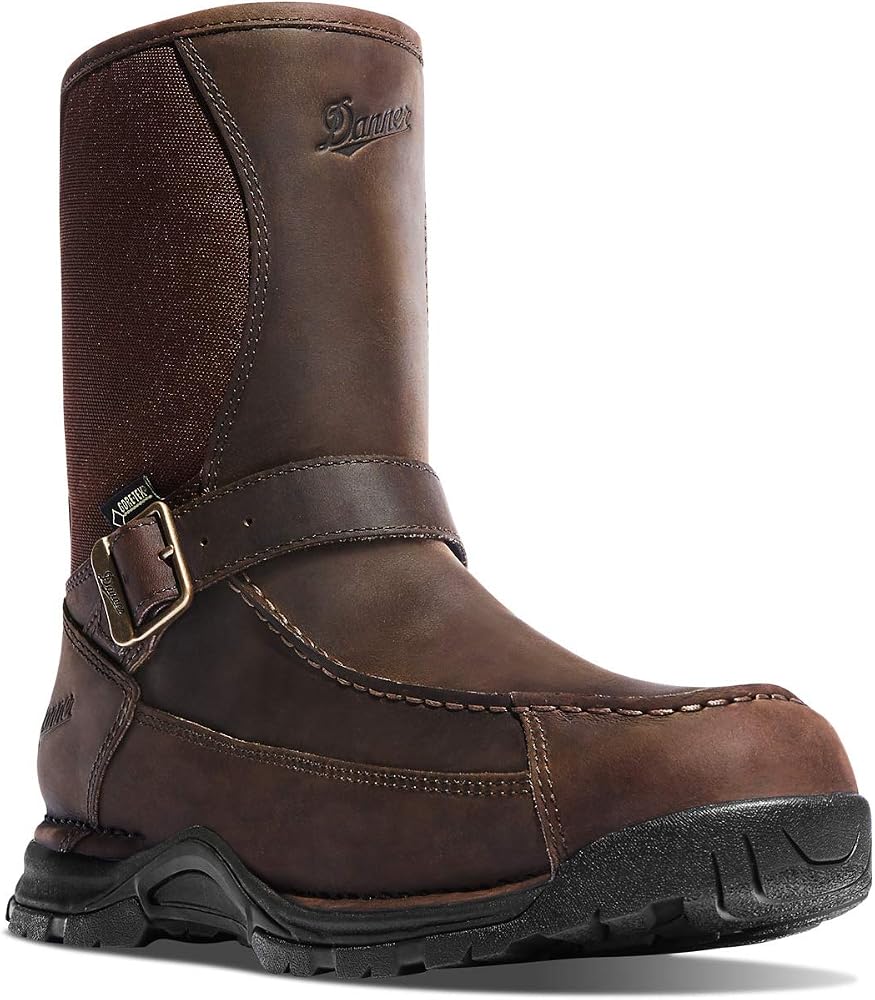
Best Boots for Ankle Stability in 2026: How Budget Changes Support
Disclosure: We may earn a commission when you buy through links on this page, at no extra cost to you. As an Amazon Associate I earn from qualifying purchases. Learn more

Compare boots for ankle stability by collar height, fit and price tier, with guidance on traction, support and care to help you choose with confidence.
Prices for supportive boots run from under $100 to well over $250, and price alone tells you little about how steady your ankle will feel on a curb or a root. The best boots for ankle stability match collar height, fit and sole stiffness to the ground you cross most, and the comparison table below lets you check those points before you spend.
This guide is organized by budget, since that is how most people shop. You will see what each tier includes, which upgrades change how a boot feels, and which extras you can skip.


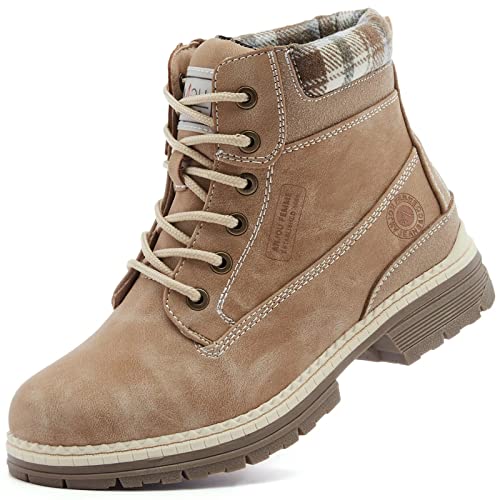


Who Should Buy Boots for Ankle Stability?
Support matters most when the surface changes under you or when a small roll would cost you a work day.
Hikers Who Cross Roots, Rock and Sloped Trails
You step on edges and loose stones that tip a soft shoe sideways. A higher collar and a firm heel give your ankle a clear limit before it can roll, and a lugged sole keeps the foot planted. If trails are your main use, see our guide to the best hiking boots for ankle stability.
Workers Who Climb, Carry and Stand on Hard Floors
You climb ladders, carry loads that shift your balance, and stand for hours on concrete. Look for a boot that locks the heel down and resists twisting when you pivot with weight in your hands. A stiff shank helps here, since it spreads ladder rung pressure across the whole midfoot.
Daily Walkers Who Feel Unsteady on Curbs and Gravel
You walk dogs, run errands and cross parking lots in all weather, and a past roll can leave you cautious on uneven ground. A mid height collar, a wide sole and a secure lace fit can make ordinary routes feel calm again. Repeated rolling, swelling that does not settle, sharp pain, numbness or an ankle that gives way on flat ground are signs to see a doctor or a physical therapist promptly, and boots alone cannot treat an injury, so talk with your clinician about personal needs. If you also run on roads, see our guide to the best women's running shoes for ankle stability.
Ankle Support Boot Prices at Three Tiers
Tiers describe tendencies, not guarantees, so set expectations here and then check the features in the next section. For town use, lower cut styles cost less, and you can see our guide to the best ankle boots.
Budget Tier: Firm Basics Without the Extras
Budget boots cost about $80 to $130 and usually give you a padded collar, a basic foam midsole and a rubber sole with shallow lugs. Support comes mostly from collar height and a snug fit, since the shank is often flexible and the cushioning packs down within a season or two. This tier suits new hikers, light work and walkers on mostly flat ground.
Midrange Tier: Better Fit and Longer Lasting Support
Midrange boots cost about $130 to $200, and this is where fit and support improve together. Expect a firmer heel counter, a real shank that limits twisting, deeper lugs and footbeds with shaped arch support. Uppers mix leather and synthetic panels, so the boot feels secure without the long breaking in period of a full leather boot. For most trail and work use, this tier gives the longest useful life per dollar.
Premium Tier: Lighter Materials and a Resoleable Build
Premium boots cost about $200 to $300 and pay for materials more than for extra support. You gain lighter waterproof membranes, better leather that molds to your ankle, and soles that a cobbler can often replace when the tread wears down. Spend here when you walk high weekly mileage or want a boot that lasts through several seasons of hard use.
Key Features to Compare
Whatever the tier, the best boots for ankle stability share the same core parts below. Judge each pair against these five points in order, since a weakness in the first two can cancel a strong sole.
Collar Height and Heel Counter Firmness
The collar is the padded top of the boot that wraps above your ankle bone, and the heel counter is the firm cup inside the back of the boot. Together they limit side to side motion and keep the heel from sliding inside, which is where most rolling starts. Squeeze the heel counter in the store, since a counter that folds under thumb pressure will soften further with wear. The collar must still let you flex forward on stairs.
Midsole Stiffness, Arch Support and Heel to Toe Drop
A supportive midsole resists twisting when you hold the toe and heel and turn them in opposite directions. A nylon shank adds that torsional stiffness without the weight of steel, and a shaped footbed gives arch support so the foot does not roll inward. Heel to toe drop here is often about 8 to 12 mm, and cushioning should feel firm, since very soft foam lets the ankle wander.
Heel Seating and Toe Room in Support Boots
Measure both feet in the afternoon, when they are at their largest, and fit the boot to the longer foot. Your heel should stay seated, your midfoot should feel held by the laces, and the toe box should let your toes lie flat without pressing the sides. Leave about a thumb width in front of your longest toe, and wear your usual walking socks for the fitting, because sock thickness changes the size you need.
Lacing Pattern and Heel Lockdown
Laces are your main adjustment tool, and hooks near the top let you set ankle tension apart from forefoot tension. If your heel lifts, use the extra top eyelet to form a loop on each side and pass the laces through the loops, which pulls the heel down and back. Even pressure matters more than raw tightness, since a band across the front of the ankle limits bending and causes soreness. Re tie the boots after the first mile, because laces settle as you move.
Outsole Traction, Breathability and Waterproofing
Lug depth of about 4 to 5 mm grips loose soil, while closer and flatter lugs suit wet pavement and indoor floors. A defined heel edge helps you brake on descents, which protects the ankle when your foot lands ahead of your body. For wet climates, a Gore Tex membrane keeps rain out, but it slows drying and feels warmer in summer. Breathable mesh suits dry heat better.
Common Mistakes to Avoid
- Buying by collar height alone leaves you with a tall boot that still twists, since the shank and heel counter do most of the work.
- Trusting your shoe size without a fitting lets the heel lift, and each lift is a chance for the ankle to roll.
- Wearing thin dress socks in a roomy boot removes the snug fit you paid for and invites sliding.
- Paying a premium price for a membrane you never need adds warmth and cost with no extra stability.
- Ignoring a worn and rounded heel edge makes braking on slopes unreliable, so a small slip can become a hard fall.
Care, Maintenance and Long Term Costs
Brush dirt from the uppers after muddy use and let the boots dry at room temperature with the footbeds removed, since direct heat can crack leather and loosen sole bonds. Replace laces when they fray, because a snapped lace removes the lockdown you rely on.
Plan for costs beyond the purchase price. Replacement footbeds cost about $30 to $60, spare laces cost under $15, and a resole can cost about $80 to $120. On rest days, some walkers rotate to lighter footwear, and you can see our guide to the best stability shoes.
FAQ
What features matter most in boots for ankle stability when money is tight?
Fit and heel hold matter most, ahead of any membrane or brand name. In the store, twist the boot by toe and heel, squeeze the heel counter, and stand on a step edge to feel whether the sole stays flat. A budget boot that passes those tests beats a costly boot that fails them.
How often should you replace boots for ankle stability?
Replace boots for ankle stability when the collar padding feels flat and the heel counter no longer springs back after you squeeze it. Those losses arrive before the tread looks worn, and they remove the support you bought the boot for. Heavy walkers may reach that point within a year, while weekend hikers often get several seasons.
Are expensive boots for ankle stability worth the extra cost?
Expensive boots for ankle stability are worth it mainly when you can spread the cost over many more miles. A resoleable premium boot worn four seasons can cost less per season than a budget boot replaced each year. If you walk only on flat streets a few times a week, the support will feel much the same as a midrange pair.
How long does it take to break in boots for ankle stability?
Most boots for ankle stability feel settled after about 10 to 20 hours of walking spread across several outings. Start with short walks on flat ground, add distance and hills gradually, and stop to adjust your socks or laces at the first hot spot. A boot that still pinches the ankle bone or lifts at the heel after that period is the wrong shape for your foot.
Do boots for ankle stability need a waterproof membrane?
No, boots for ankle stability do not need a waterproof membrane to support your ankle. Choose a membrane when you often step through puddles or wet grass, and a breathable upper when most walking is in dry heat. A membrane boot soaked inside can take a full day to dry, so daily travel walks may favor the faster drying option.
Final Thoughts
Let fit lead every decision. A boot that holds your heel, resists twisting and grips your usual surface will feel steady at any price, and the tiers above show where extra money genuinely helps. Check sizes, soles and collar height in the product table above.
When you compare best boots for ankle stability with those points in mind, the right tier is usually clear. Buy the least costly pair that passes your fit and twist tests, and save the premium step for the day your mileage truly demands it.