
Best Boots for Alaska Winter for 2026: Buying Guide
Disclosure: We may earn a commission when you buy through links on this page, at no extra cost to you. As an Amazon Associate I earn from qualifying purchases. Learn more

Compare insulation, waterproofing, traction and fit to find the best boots for alaska winter that stay warm and steady on snow and ice.
Winter in Alaska asks more from footwear than a cold snap in a milder climate. Deep snow, ice, wind, and long hours outdoors all challenge warmth, grip, and durability at the same time. That is why the best boots for alaska winter should be judged as a complete cold weather system, not by one feature alone. This guide explains how insulation, waterproofing, traction, fit, and construction work together, so you can compare options using the product table.
Start with your typical day, not with an extreme scenario you rarely face. A person who walks a cleared path to work needs different boots from someone who stands on ice, hauls gear, or breaks trail through fresh snow. Match the boot to your longest cold exposure, your most slippery surface, and the socks you actually wear.
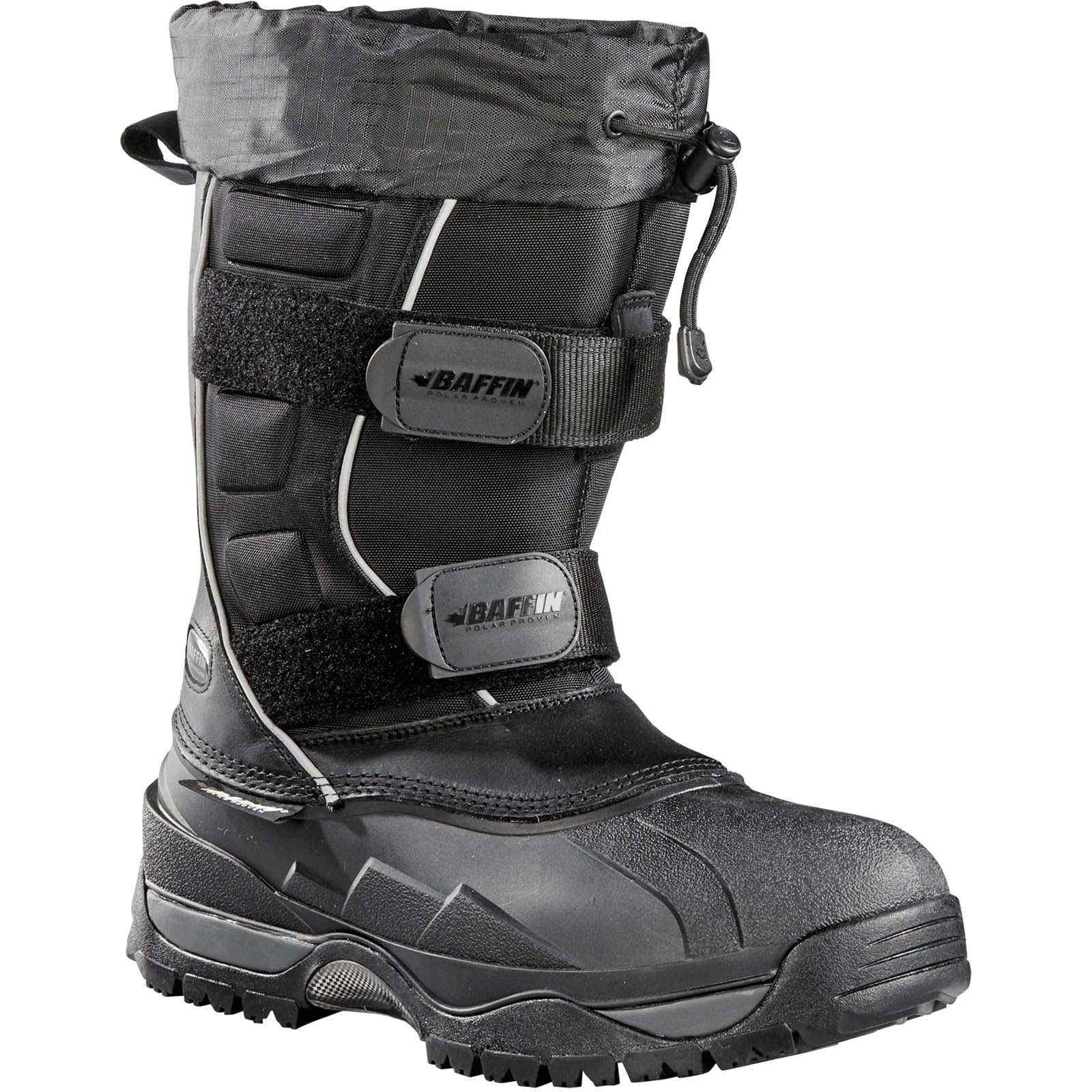
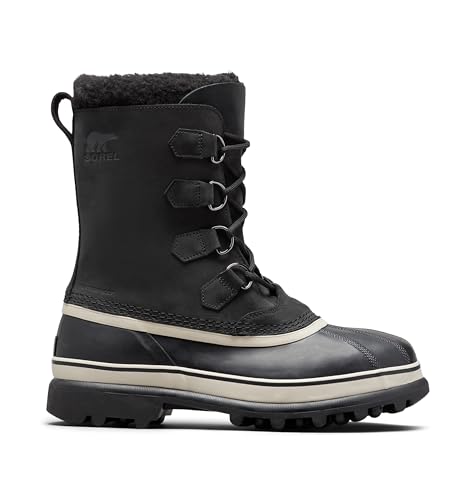
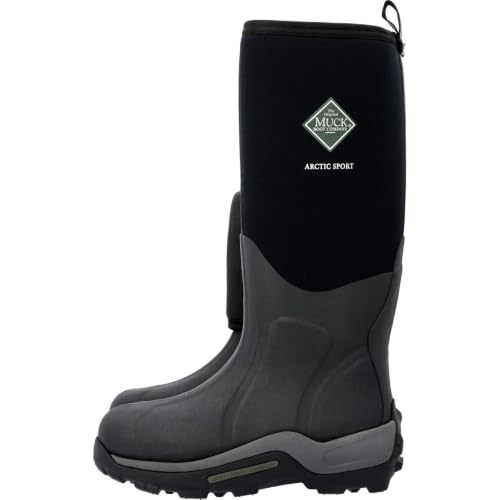

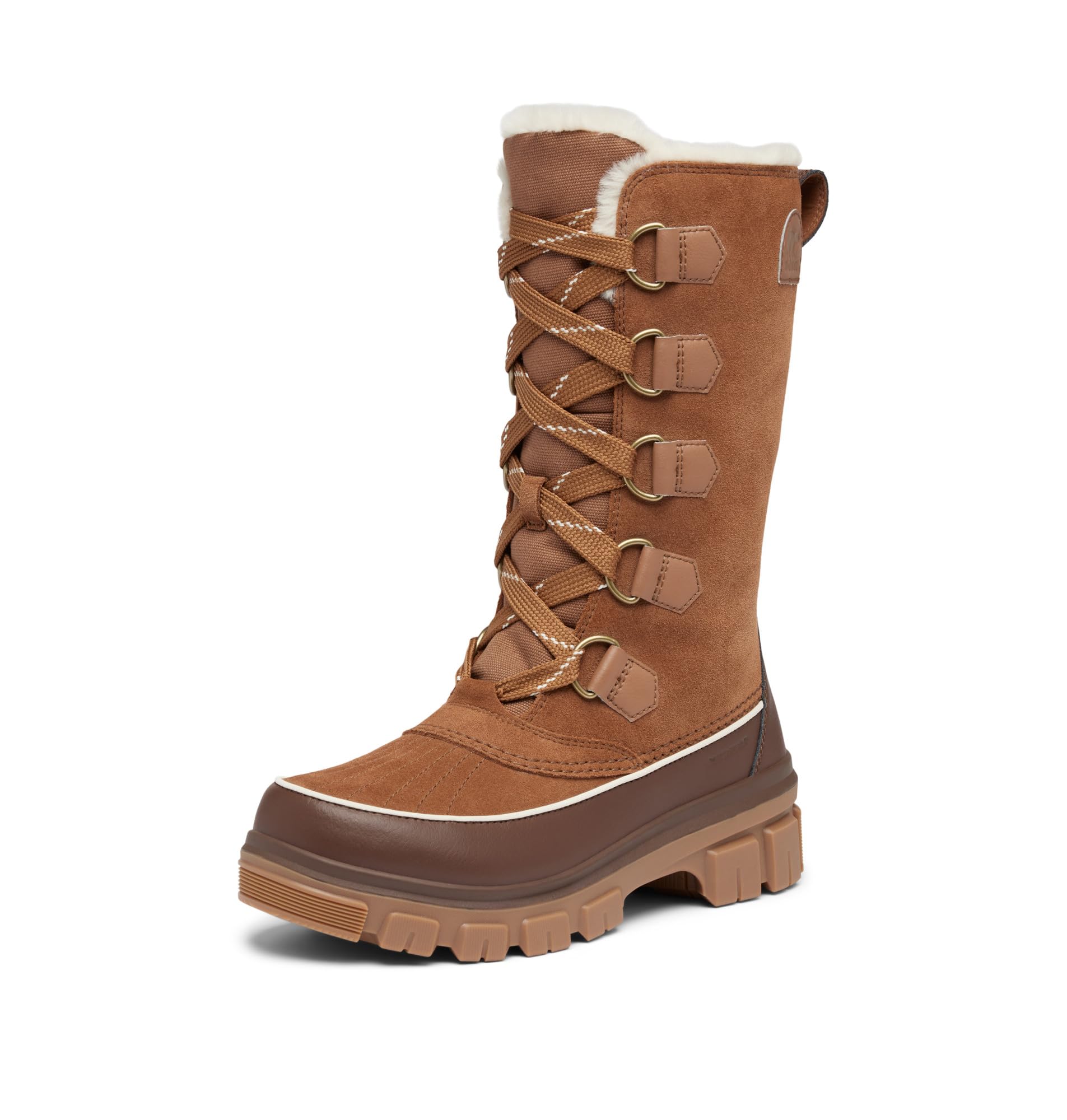


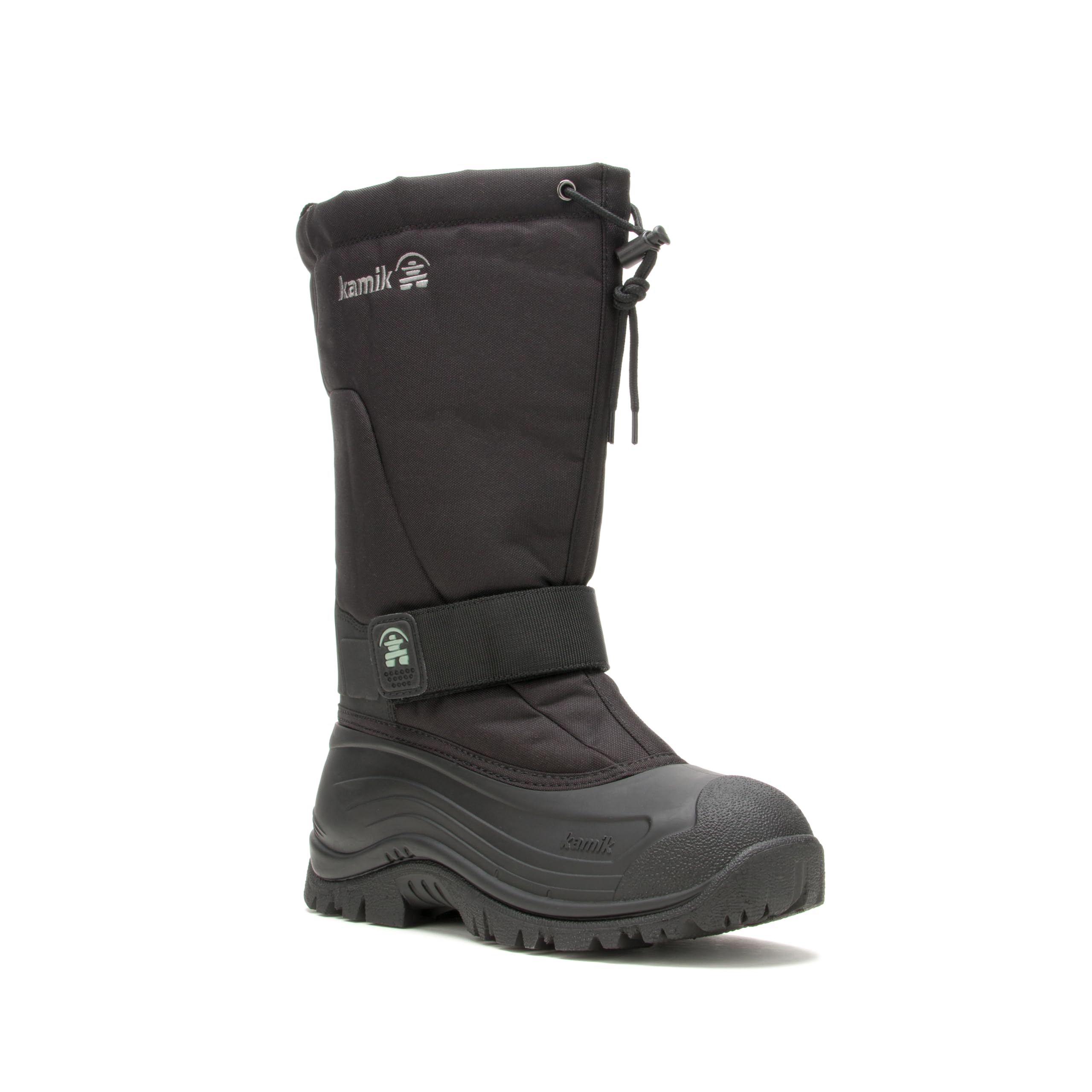
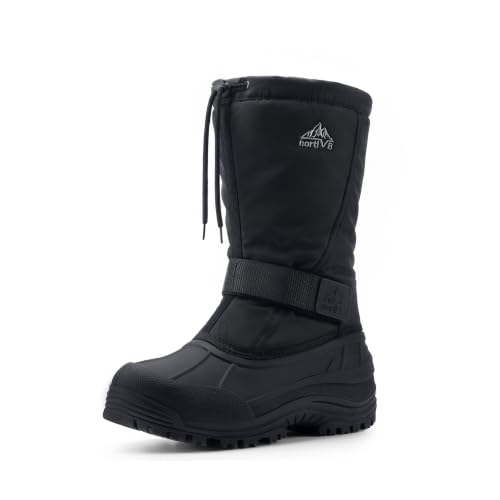
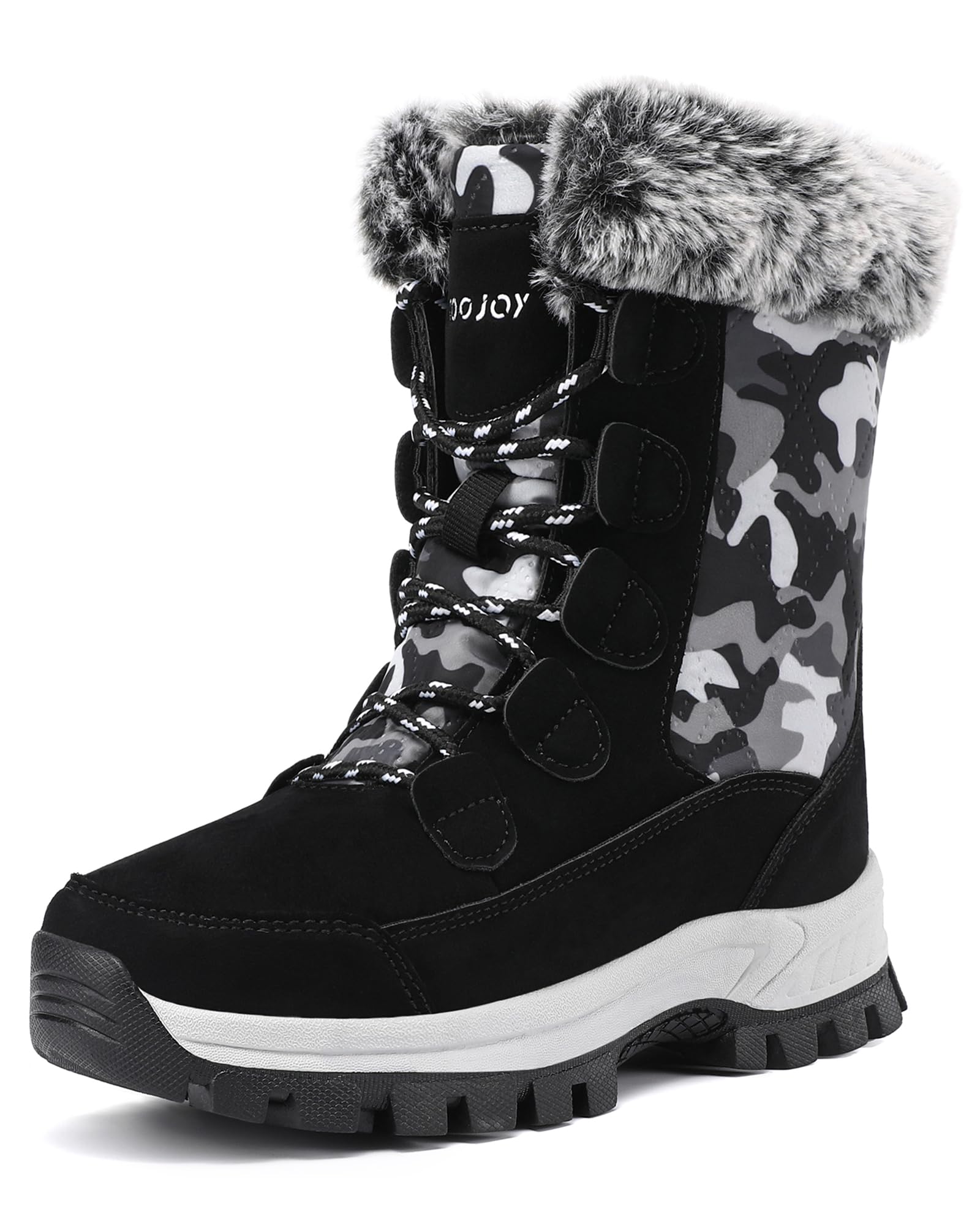
Spending Level Guidance
Instead of ranking individual products, use spending levels to narrow the field. Lower priced boots often cover short walks and cleared paths well, especially when paired with warm socks. Mid priced boots usually add better insulation, stronger waterproofing, and more durable soles for longer outdoor work. Higher priced boots tend to offer thicker insulation, better sealed seams, and tougher materials for extended exposure.
Price alone does not guarantee warmth. A well fitting mid priced boot with good socks will often outperform an expensive boot that is too tight or too loose. Tight boots restrict circulation and can feel colder, while loose boots let cold air in and cause blisters. Spend first on fit and insulation level, then on extra features.
How to Choose the Best Boots for Alaska Winter
The sections below cover the factors that matter most in Alaska winter conditions. Read them in order, since fit affects warmth, and warmth affects how long you can stay outdoors. If a boot fails on fit or traction, other features will not make up for it.
Features That Matter for Alaska Winter
Alaska winter creates a specific set of needs: sustained cold, snow that melts and refreezes, and surfaces that shift from packed snow to glare ice. Look for insulation rated for the coldest temperature you expect, not just for an average winter day. Also check the cuff height, since snow can enter a low boot during a single deep step. A gusseted tongue helps keep snow and slush out of the boot.
Weight matters more than many buyers expect. A heavy boot can tire your legs on a long walk, while a very light boot may lack the insulation or sole thickness needed for cold ground. Balance weight against insulation and sole depth, and try the boots on with your normal winter socks. For related cold weather options, see our guide to best winter boots.
Fit, Sizing, and Toe Box
Measure your feet in the afternoon, when feet are slightly larger than in the morning, and wear the socks you plan to use in winter. Your toes should have room to wiggle without sliding forward on downhill steps. A roomy toe box helps circulation and lets you add a thicker sock on the coldest days. If the heel slips, try a different lacing pattern before changing size, since a secure heel reduces blisters and improves stability on ice.
Break in matters less for many modern winter boots than for stiff leather work boots, but still allow a few short walks before a long outing. Pay attention to pressure points around the ankle and across the top of the foot. Discomfort that appears in the first hour usually gets worse, not better, in cold weather.
Durability and Expected Lifespan
Durability depends on materials, seam construction, and how often the boots face salt, slush, and rough ground. Rubber soles, reinforced toe caps, and sealed seams tend to last longer in winter use than thin fabric uppers. Check the bond between sole and upper, since repeated freeze and thaw cycles can stress that joint. A boot that is easy to clean and dry will also last longer, because trapped moisture weakens materials over time.
Replace boots when insulation feels flat, the sole loses grip, or water starts to enter through worn seams. Worn tread is especially important on ice, since a smooth sole can turn a normal step into a fall. Keep a second pair for daily wear if you use boots every day, since rotation gives each pair time to dry fully.
Waterproofing and Membranes
Waterproofing keeps melting snow and slush from soaking the insulation, which is essential because wet insulation loses warmth quickly. A waterproof membrane inside the boot adds protection, but it also reduces breathability, so feet may sweat during active use. For short walks in town, a water resistant upper may be enough, while deep snow and long exposure call for full waterproof construction and sealed seams.
Check how the boot handles water at the tongue and cuff, not only at the toe. A gusseted tongue and a snug cuff help in deep snow, while a low cuff invites snow inside. After use, remove insoles and let boots air dry away from direct heat, since high heat can damage membranes and adhesives.
Break In Period and Comfort Out of the Box
Many winter boots feel comfortable right away, but stiff models may need several short walks to soften. Start with indoor wear and short outdoor trips, and watch for rubbing at the ankle, heel, and toe box. If pain appears in the same spot each time, the fit is wrong rather than merely new. Comfort out of the box matters most for people who need boots urgently, since there may be no time for a long break in period before a trip.
Outsole Traction and Terrain
Traction is the most important feature on ice. Look for deep lugs that can bite into packed snow, plus a rubber compound that stays flexible in cold weather. A sole that hardens in the cold will slide more easily, even if the tread pattern looks aggressive.
Wider lugs shed snow better than closely spaced lugs, which can pack with snow and lose grip. For icy conditions, consider removable traction aids as a supplement, but do not rely on them to fix a boot with a poor sole.
Match the sole to your terrain. Smooth town sidewalks, gravel paths, and uneven frozen ground each demand different tread. A boot made for deep snow may feel clumsy on cleared pavement, while a town boot may struggle off trail. If you cross both surfaces daily, choose a versatile lug pattern and try it on ice before a long outing.
Arch Support and Foot Type
Arch support affects comfort over long walks and helps distribute pressure across the foot. People with flat feet often benefit from a supportive insole and a stable midsole, while people with high arches may need more cushioning under the arch. Try the boots with your normal insoles, since aftermarket insoles change fit and volume. If you have foot pain, circulation problems, or diabetes, ask your doctor about footwear choices before relying on a boot alone for comfort.
Types of Boots
Winter boots fall into a few broad types, and each one suits a different balance of warmth, mobility, and weather protection. Use the type as a starting point, then refine the choice by insulation, fit, and sole.
Insulated Pac Boots
Pac boots pair a waterproof lower shell with a removable insulated liner. They offer strong warmth for standing or slow moving work in deep cold, and the removable liner dries faster than a fixed lining. They can feel bulky for long walks, so they suit stationary work, ice fishing, and short trips in severe cold better than fast hiking.
Waterproof Winter Boots
Waterproof winter boots use a sealed upper and fixed insulation for everyday winter use. They balance warmth, mobility, and weather protection, which makes them a good choice for commuting, errands, and general outdoor work. For weather specific options, see our guide to best winter boots for alaska weather.
Lightweight Snow Boots
Lightweight snow boots focus on mobility and comfort for cleared paths and moderate cold. They are easier to walk in for long distances, but they may lack the insulation needed for extended standing in severe cold. They suit town use, school runs, and short outdoor tasks where warmth matters less than agility.
Heavy Duty Work Boots for Winter
Heavy duty winter work boots add tougher uppers, stronger toe protection, and deeper tread for job sites and rough terrain. They handle slush, gravel, and uneven ground well, but they are heavier and need more break in time. Check employer and local safety rules before choosing, since some workplaces require specific toe protection or sole standards.
Tips to Get the Most From Your Boot
- Replace worn boots when tread, insulation, or waterproofing fails, since worn boots lose grip and warmth at the same time.
- Air dry wet boots away from direct heat, and remove insoles so moisture can escape from inside the boot.
- Rotate two pairs for daily wear when possible, so each pair dries fully between uses.
- Lace properly to prevent heel slip, and adjust lacing for uphill and downhill sections.
- Wear moisture wicking socks under a warm outer sock, and avoid cotton socks that stay damp in cold weather.
- Clean salt and slush off boots after use, since salt can damage leather and stitching over time.
Boots: Your Questions Answered
What features matter most in boots for alaska winter?
Insulation level, waterproofing, traction, and fit matter most, in that order for most buyers. Insulation decides how long you can stay warm, waterproofing keeps that insulation dry, traction keeps you upright on ice, and fit ties all three together. A boot that is too tight will feel cold even with thick insulation, while a boot with poor tread is risky on ice. Start with those four factors, then consider weight, cuff height, and ease of putting the boots on while wearing gloves.
Do I need waterproof boots for Alaska winter?
Most Alaska winter use calls for waterproof boots, because snow melts against warm boots and slush soaks through unsealed uppers. Waterproof construction matters most in town, where salted slush is common, and in deep snow, where snow can enter from the top. If you only walk on dry, packed snow in extreme cold, a highly insulated non waterproof boot may work, but it is a narrow case. For general use, choose waterproof construction and sealed seams.
Are expensive boots worth it for Alaska winter?
Expensive boots are worth it when the extra cost buys better insulation, sealed seams, or a more durable sole that you actually need. For short town walks, a mid priced boot often performs just as well as a premium model. For long outdoor work, the premium tier can pay off through longer lifespan and better cold protection. Judge value by how often you wear the boots and how cold your longest exposure is, not by price alone.
How long is the break in period for winter boots?
Most modern winter boots need only a few short walks to feel comfortable, while stiff leather work boots may need a week or more of gradual wear. Start indoors, then move to short outdoor trips, and watch for pressure points that do not fade. If discomfort stays in the same spot after several wears, the fit is likely wrong. Do not start a long trip in brand new boots, since blisters and sore feet are harder to manage in cold weather.
How often should I replace winter boots?
Replace winter boots when the sole loses grip, insulation feels flat, or water enters through worn seams, rather than on a fixed calendar. Daily use in salt and slush wears boots faster than occasional weekend use. Inspect the tread, sole bond, and cuff each season, and replace boots before winter if any of those areas look worn. A spare pair for rotation can extend the life of both pairs by giving each one time to dry.
Final Thoughts
For most Alaska winter use, choose insulation for your coldest expected day, waterproof construction for slush and deep snow, and a cold flexible sole with deep lugs for ice. Then confirm fit with your normal winter socks, since a good fit protects both warmth and stability. The product table can help you compare those factors side by side.
For women specific sizing and fit options, see our guide to best women's winter boots for alaska, and for deep snow options see our guide to best snow boots for alaska winter. With the right balance of warmth, waterproofing, and traction, the best boots for alaska winter will feel less like a compromise and more like reliable gear for the season ahead.


