Best Boots for African Safari: The Buyer Checklist We Use for 2026
Disclosure: We may earn a commission when you buy through links on this page, at no extra cost to you. As an Amazon Associate I earn from qualifying purchases. Learn more

A practical checklist for choosing the best boots for african safari, covering fit, breathable uppers, grip, support, and the red flags to skip.
A safari day asks a lot of one pair of boots. You may start before dawn in cool, dew damp grass, spend midday on hot dust and gravel, and finish with an evening walk over ground scattered with thorns and loose stones. The best boots for african safari handle that full range without pinching, overheating, or letting grit work its way inside.
This guide is a buyer checklist rather than a pile of opinions. It walks through the specs that matter, the fit checks to run before you travel, and the warning signs that a boot will disappoint you in the bush. Use it alongside the comparison table below, and you will know exactly what to look for in each listing.




The Buyer Checklist: Specs That Matter on Safari
Not every boot feature listed on a product page matters in the bush. The six areas below are the ones that decide whether a pair feels right on day one and still feels right on day ten. Work through them in order, because fit problems cannot be fixed by a great outsole, and a cool upper cannot rescue a boot that twists on uneven ground.
Features That Matter Most for Safari Conditions
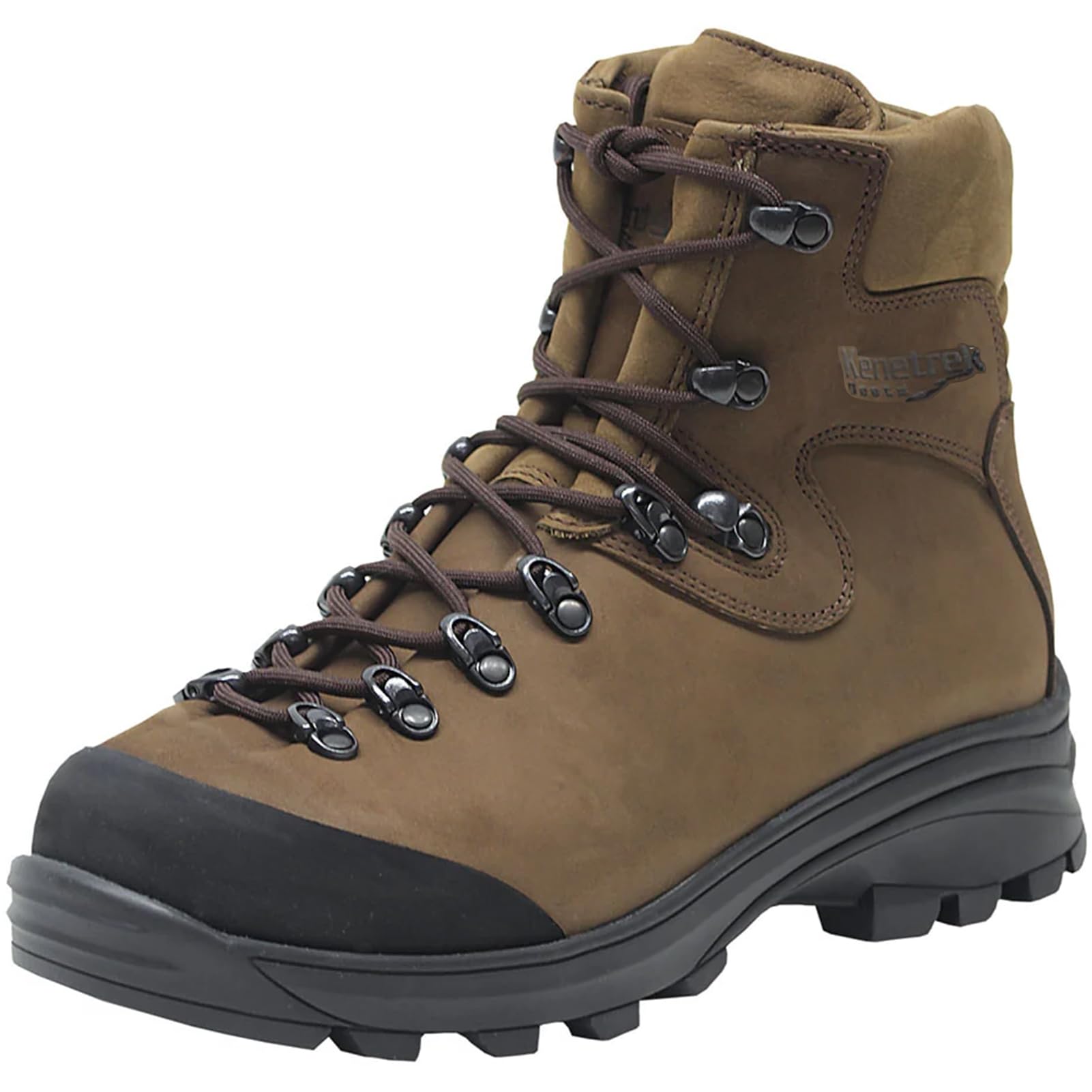
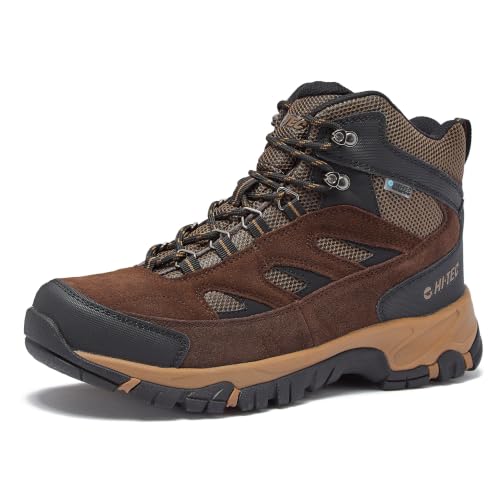
Safari ground is mostly dry, dusty, and uneven, with thorn scrub, sharp gravel, and the odd wet patch near water in the early morning. That mix favors a mid height boot that covers the ankle, a lugged outsole with real bite on loose soil, and an upper that sheds dust instead of holding it. A gusseted tongue keeps grit out when you brush through grass. Deep waterproof membranes are rarely the priority here, since heat builds up fast inside them once the sun climbs.
Fit, Sizing, and Toe Box
Measure your feet in the afternoon, when they are at their largest, and try boots on with the socks you plan to wear on the trip. You want a thumb width of space in front of your longest toe, because feet swell during long walks in the heat and toes jam on downhill stretches when the fit is short. The toe box should let your toes spread without the sides of the boot squeezing them. If you fall between sizes, take the larger one and fine tune the volume with a thicker insole or a firmer lacing pattern.
Durability and Expected Lifespan
A quality pair of safari boots should handle several seasons of trips, and the upper usually decides how long that is. Full grain leather and dense woven fabrics resist thorn punctures and scuffs from rocks better than thin soft materials. Check that the toe and heel have rubber reinforcement, since those zones take the most knocks getting in and out of vehicles. The outsole should show deep lugs with no soft, spongy feel when you press a thumbnail into the rubber. Stitching that runs in double rows along high stress seams is another good sign.
Upper Materials and Breathability
Breathable uppers matter more on safari than in almost any other kind of walking, because most drives and walks happen in warm to hot weather. Suede and nubuck paired with fabric panels give a good balance, since the leather resists thorns and brush while the panels let heat escape. All leather boots protect well but run warmer and take longer to dry after a wet morning. Synthetic mesh is the coolest option, yet it lets fine dust pass through and offers the least thorn protection, so it suits lodge based trips with short, easy walks.
Cushioning and Support
Look at three numbers and features here: the cushioning in the midsole, the arch support in the footbed, and the heel to toe drop. A moderate drop of about 8 to 12 mm suits most walkers and keeps calves comfortable over a full day. Flat feet and overpronation call for stability designs with firmer foam on the inner side, while a neutral foot does well in even, balanced cushioning. The boot should feel stable when you stand on one foot on a hard floor, with no rolling inward at the ankle.
Weight and Flexibility
Every extra ounce rides in your luggage and on your feet, so lighter boots earn their place unless your walks are long and rough. A pair in the range of about 2 to 3 pounds works for most safari itineraries. The sole should flex at the ball of the foot, where your foot bends naturally, but resist twisting when you grip the heel and toe and wring the boot gently. Boots that fold in half at the midfoot feel fine on pavement and tiring on stony ground, where your arch ends up doing the work the sole should do.
Matching Boots to the Safari You Booked
The checklist narrows the field, but your itinerary makes the final call. A walking heavy trip in big game country places different demands on a boot than a lodge stay built around vehicle drives. Use the three profiles below to weigh the specs you just read, and if your plans lean toward longer treks on foot, see our guide to the best hiking boots for african safari for the trail focused side of the same decision.
Walking Safaris and Bush Walks
If guided walks of two to four hours are the heart of your trip, prioritize ankle coverage, a protective toe, and an outsole with deep lugs. You will cross dry riverbeds, push through grass that hides holes and thorn litter, and stand still for long stretches while your guide talks. A stiffer sole with moderate cushioning keeps your feet from aching during those standing stops. Choose the boot with the best thorn resistance you can afford, and plan to break it in on walks at home that match your longest planned day out.
Vehicle Based Trips With Short Walks
Most classic safari itineraries mix long game drives with short walks around camp, viewpoints, and cultural visits. Here a lighter, more flexible boot or even a sturdy shoe height option can be more comfortable, since you climb in and out of a vehicle far more often than you hike. Breathability climbs the priority list, and deep lugs matter less. Many travelers who split time between drives and town days find the middle ground covered in our overview of the best safari boots, where comfort for mixed use leads the checklist.
Packing Boots With the Rest of Your Kit
Boots compete for space and weight with the gear that makes a safari rewarding, so think of them as one line in a packing budget. Wearing your boots on travel days saves the most suitcase room. The space you protect leaves room for optics and cameras, and it is worth comparing the best binoculars for african safari before you finalize sizes and weights. If photography leads your packing list, the weight tradeoffs in our guide to the best cameras for african safari pair well with this one, and travelers who pack light often add the best compact binoculars for african safari as a second, smaller optic.
Quick Buyer Checklist
Run through these questions on any boot you are considering. A yes on every line means the boot deserves a closer look, and a single no on the first three is a reason to move on.
- Does the boot cover your ankle if you plan to join guided bush walks?
- Is there a thumb width of space ahead of your longest toe with safari socks on?
- Can your toes spread inside the toe box without pressure from the sides?
- Does the upper balance thorn resistance with breathable panels for hot afternoons?
- Does the outsole have deep lugs that bite on loose gravel and dry soil?
- Does the sole flex at the ball of the foot but resist twisting at the midfoot?
- Does the weight of the pair fit your luggage limit with room for optics?
- Have you left at least three to four weeks to break the boots in before departure?
Red Flags to Watch For
Some listings for the best boots for african safari look strong at a glance and fall apart under a closer read. Walk away, or at least dig deeper, when you spot these signs.
- Vague spec sheets that skip the outsole rubber, drop, and weight, since brands publish these numbers when they are proud of them.
- Fashion boots styled to look like safari gear but built on thin flat soles with no lug pattern for loose ground.
- Membranes sold as fully waterproof on a boot meant for hot dry country, a mismatch that usually means sweaty feet by midday.
- A flood of near identical glowing reviews with no detail about fit or terrain, which tells you little about real use.
- Return terms that end before a proper break in is possible, leaving you stuck if the fit changes after a few long walks.
Care and Maintenance for Safari Boots
Care starts in the field. Knock dust out of the boots each evening, loosen the laces, and pull the insoles out so air can move through the upper. Stuffing the toes with newspaper pulls out moisture after a wet grass morning. Back home, brush off dried mud, wash with plain water and a soft brush, and let the boots air dry away from direct heat, which cracks leather and weakens glue. Treat leather uppers with a light conditioner once they look dry and pale. Store the pair unboxed in a cool spot, and inspect the lugs and seams before each trip so worn rubber or loose stitching never surprises you mid walk.
Frequently Asked Questions
What features matter most in boots for an African safari?
Ankle coverage, thorn resistant uppers, and a lugged outsole matter most, because they protect you on the uneven, scrub covered ground where walks actually happen. Breathability comes close behind, since heat is the constant on safari. One point buyers often miss is the gusseted tongue. It looks minor on a product photo, yet it is what keeps dust and grass seeds from working down into the boot during a morning walk.
How long is the break in period for safari boots?
Most safari boots need about three to four weeks of regular wear before they feel fully yours. Start with short walks around home, add an hour at a time, and include at least two long outings that match your planned walk lengths. Leather boots sit at the longer end of that range, while fabric heavy designs settle faster. Never let a trip be the first real test, because a hot spot found at home is a blister found in the bush.
Can I wear safari boots all day on a trip?
Yes, a well fitted pair of safari boots is built for full days that mix drives, walks, and time in camp. The key detail is sock choice, which the body sections above only touch in passing. A midweight sock with cushioning under the heel and ball of the foot prevents the friction that builds during long vehicle days, and carrying one spare pair in your daypack lets you swap at lunch if your feet feel hot.
Are expensive safari boots worth the money?
Expensive safari boots are worth it when the added cost buys better materials rather than styling, since full grain leather, denser outsole rubber, and double stitched seams are what extend a boot working life. Mid priced options from established outdoor brands cover most well built designs. Below that band you usually trade away thorn resistance or sole durability. Above it, gains shrink and often go toward lighter exotic materials that a standard itinerary never stresses.
How often should I replace my safari boots?
Replace safari boots when the outsole lugs wear smooth at the heel and ball, when the midsole feels flat and dead underfoot, or when the upper splits along a flex crease. For most travelers that point arrives after several trips rather than on a fixed schedule. A useful check is the thumbnail test on the midsole foam. If the foam no longer springs back when you press it, the cushioning has packed out even if the boot still looks presentable.
How should safari boots fit when I try them on?
Safari boots should feel snug at the heel and midfoot with clear space at the toes, and nothing should pinch when you press your weight forward as if walking downhill. Try them late in the day and walk a slope or staircase in the store if you can. One extra check worth doing is the lace lock test. Lace the top eyelets with a heel lock loop and confirm your heel stops lifting, since heel slip on the trial predicts blisters on the trail.
Final Thoughts
Buying safari footwear gets simple once the checklist leads. Fit first, with afternoon measurements and room for swelling. Protection and breathability next, matched to how much walking your itinerary really holds. Then confirm the weight leaves space for the rest of your kit, and scan for the red flags before you pay. Set the product table above beside these points and the best boots for african safari for your trip will stand out on its own merits. Prices and availability can change, so check the product page before ordering.