Best Boots for a Cm in 2026: The Buyer Checklist We Use
Disclosure: We may earn a commission when you buy through links on this page, at no extra cost to you. As an Amazon Associate I earn from qualifying purchases. Learn more

Compare boots for a central midfielder by fit, touch, stud pattern and lockdown, with a buyer checklist for firm ground and artificial surfaces.
A central midfielder touches the ball more than almost anyone else on the pitch. You receive passes under pressure, turn in tight space, and switch play over distance. The best boots for a cm support all of that work, and the comparison table below is easier to use once you know the features that drive control and comfort.
This guide uses a buyer checklist rather than brand claims. It starts with the three kinds of central midfielder, then works through fit, touch, lockdown, stud pattern, and durability, so you know which details to check first and which buying errors waste money.


Who Should Buy Which Boots for a Central Midfielder?
Central midfield is not one job. Your main task shapes the boot you need, so pick by the work you repeat most in a match.
Deep Lying Playmakers Who Dictate Passing
You drop toward your defenders, take the ball on the half turn, and spread play with short and long passes. Prioritise a clean and broad passing surface on the inside of the foot, a snug midfoot that keeps the boot still as you strike the ball, and a toe box that lets your toes lie flat for a calm first touch.
Box to Box Midfielders Who Cover Ground
You press high, recover into shape, and arrive late in the opposing box, so your running load is the highest in the team. Choose lighter boots with a flexible forefoot that bends naturally as you stride, plus insole cushioning that stays comfortable late in the match.
Advanced Central Midfielders Who Turn and Shoot
You receive between the lines, roll away from a marker, and shoot or slip a final pass from the edge of the box. Look for forefoot texture that adds grip on the ball at pace, a secure heel for sharp turns, and a lacing area that leaves a smooth surface for striking. A lower collar often suits you, because it frees the ankle as you shoot.
Key Features to Compare
Compare these factors in order, because fit and surface come before style or price. When you compare best boots for a cm options, a boot that fails on fit or stud pattern will not be rescued by a premium upper or a low price.
Fit, Sizing, and Toe Box for Central Midfielders
Try boots late in the day, when your feet are at their largest, and wear the socks you play in. Your longest toe should sit close to the end with a small gap, about the width of a thumbnail, while the midfoot feels held rather than squeezed. A tall toe box lets the foot lift and dulls passing accuracy. If you are between sizes, choose the size that locks the heel first, because heel slip is harder to fix with laces alone.
Upper Materials, Touch, and Breathability
Leather uppers mould to the foot and give a soft and padded touch, but leather can stretch and take on water in rain. Synthetic uppers hold their shape, weigh less, and often add raised texture for ball grip in wet play. Knit uppers with a thin coating feel close and breathable. Judge the upper by the inside passing surface first, since that area meets the ball most often.
Lockdown, Lacing, and Midfoot Stability
Stability in midfield comes from the foot staying centred in the boot while you turn, tackle, and strike. A deep lacing system lets you tighten the midfoot without crushing the forefoot, and a firm heel counter stops the rear foot rolling during side steps. Lace fully for your trial, jog, turn, and stop, and reject any pair where the heel lifts clear of the insole.
Outsole and Stud Pattern for Turning
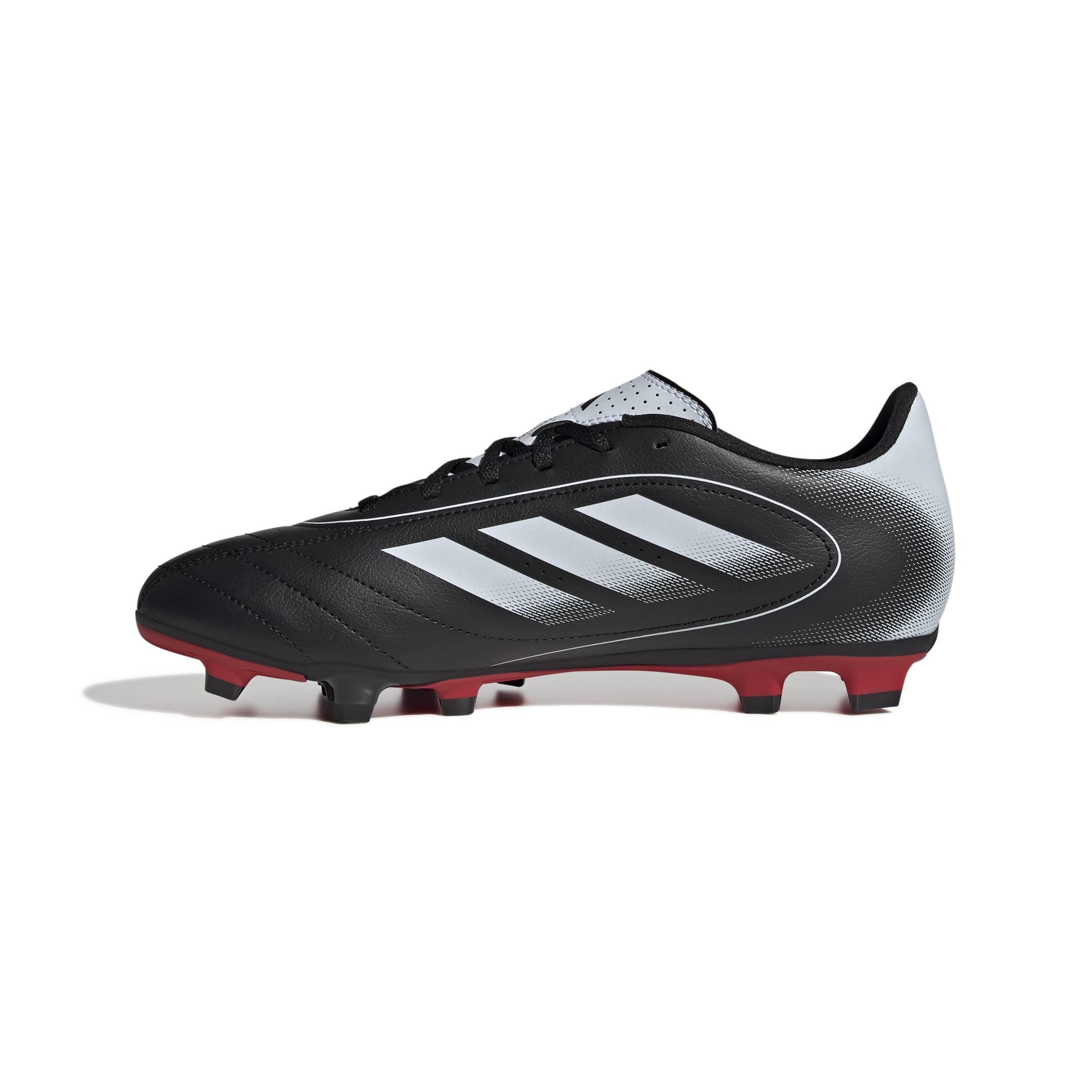
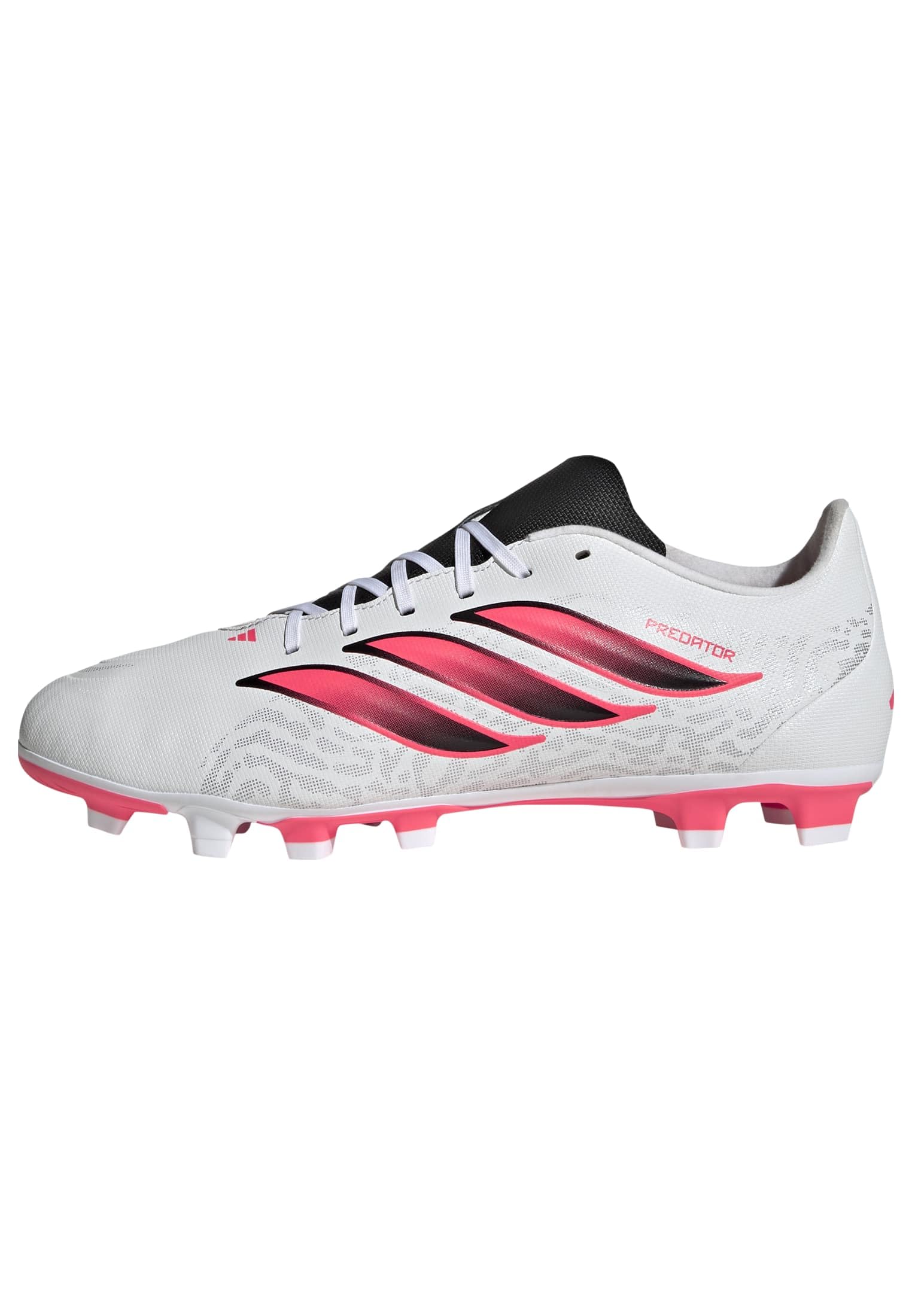
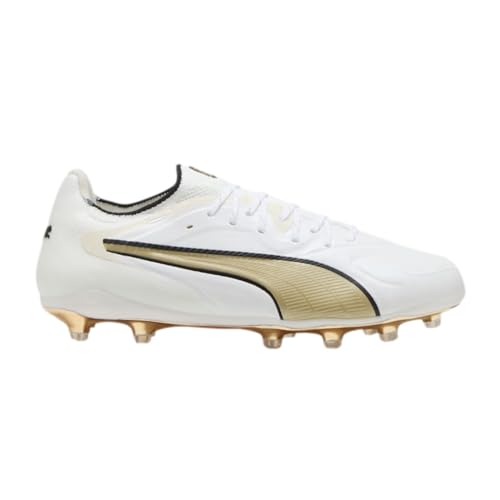
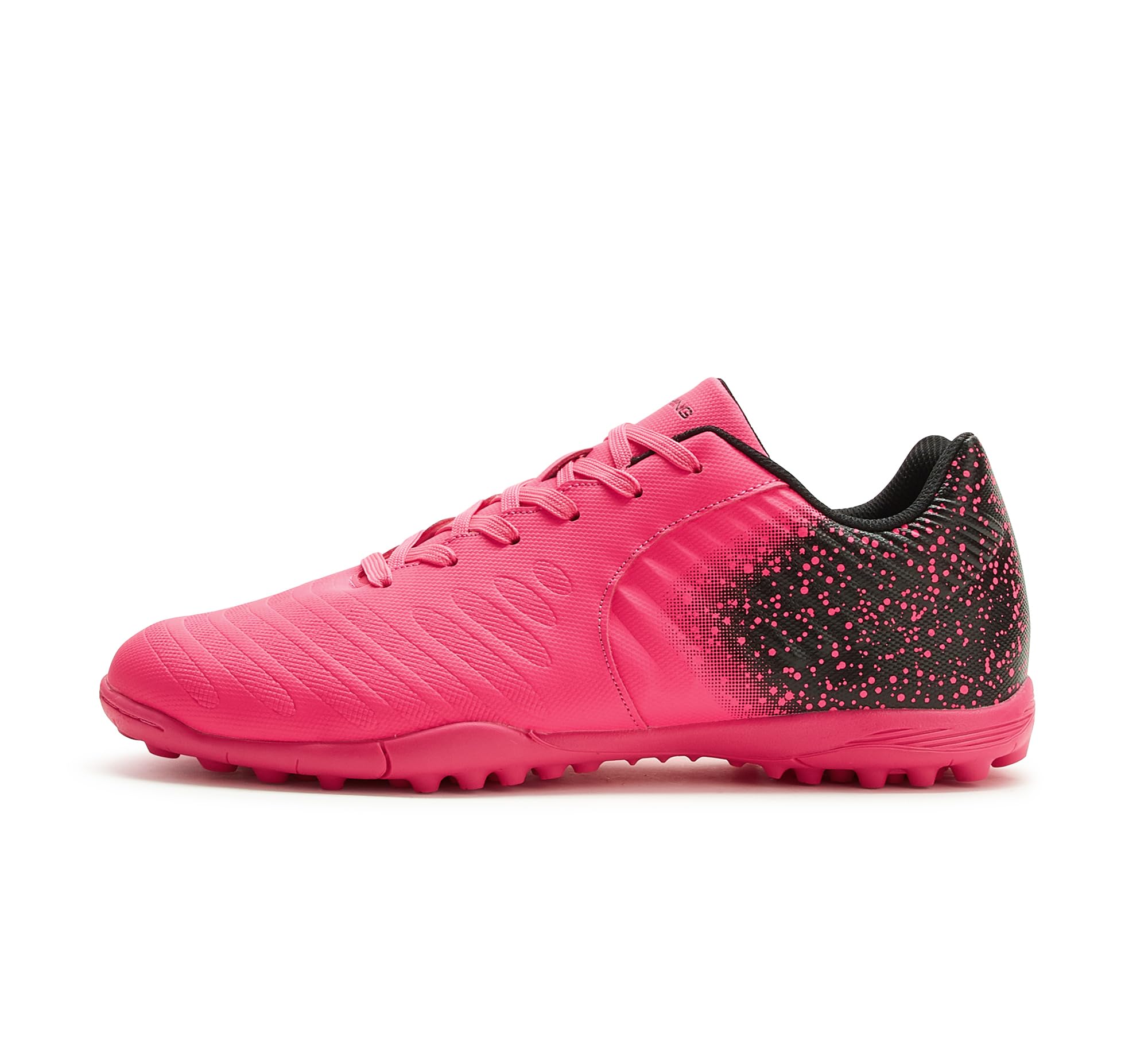
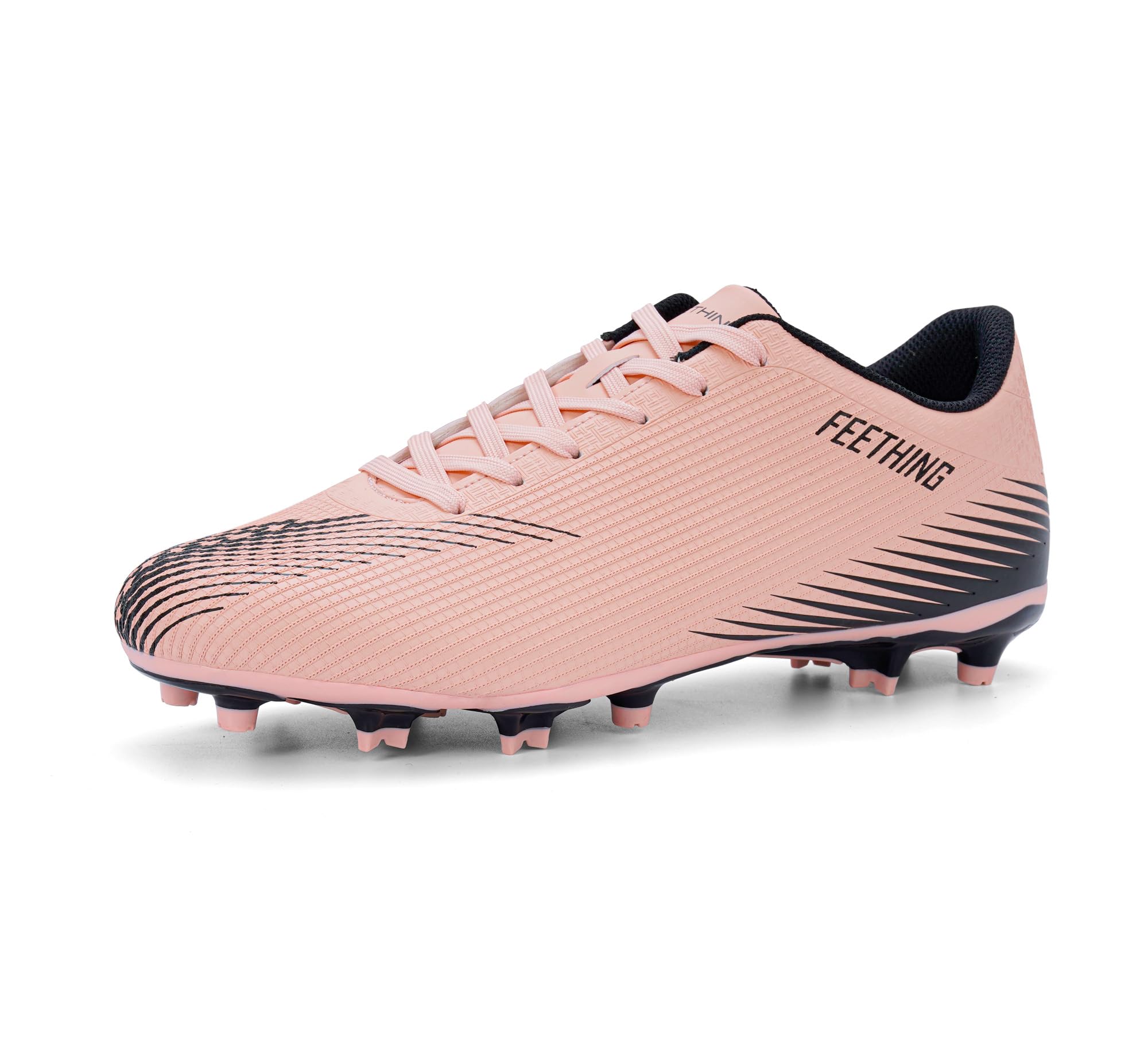
The outsole decides how safely you can pivot to pass or press. Round studs under the forefoot let the foot rotate for turns, while bladed shapes can feel sticky during rotation. Firm ground plates use longer studs for dry or slightly soft natural grass, while artificial ground plates use shorter and more numerous studs to spread pressure. Match the plate to your main surface, because the wrong plate raises pressure in the knees and ankles and wears fast.
Weight, Flexibility, and Comfort Over a Full Match
Light boots reduce fatigue for players who cover long distances, but the lightest models may have a thinner upper and less protection from a kicked foot. Bend the forefoot with your hands. It should fold where your toes bend, while the midfoot stays stiff enough to support a striking foot. Insole cushioning and modest arch support help comfort across ninety minutes.
Durability and Expected Lifespan of Football Boots
Uppers fail first at the toe and at the fold where the forefoot bends, so inspect stitching and bonding there before you buy. Players who train several times a week on artificial surfaces wear studs and uppers faster than players on grass once a week. A durable boot for your surface costs less over a season than a cheaper boot that splits early.
Quick Buyer Checklist for Central Midfielders
Surface choice is the first question, because it limits every other choice. Firm ground boots belong on natural grass, artificial ground boots on synthetic pitches, and turf shoes with many small rubber nubs on hard and short artificial surfaces. For a shortlist built around this position, see our guide to the best football boots for cm after the checks below.
Run through these questions before you pay, and treat any no answer as a reason to try another size or model.
- Does the stud pattern match the surface you play on most weeks?
- Does your heel stay down when you jog, turn, and stop suddenly?
- Can you spread your toes inside the toe box without pressure on top?
- Does the inside of the foot give a flat and clean area for passing?
- Do the laces let you tighten the midfoot without pinching the forefoot?
- Would the upper stay secure if rain made the ball and pitch slick?
- Is the price, usually about $60 to $180 for this category, in line with how often you play?
Common Mistakes to Avoid
Most poor purchases come from a small set of repeat errors, and each one shows up quickly once a match starts.
- Buying firm ground boots for artificial pitches leaves studs too long, which raises joint pressure and speeds stud wear.
- Choosing a loose fit for comfort lets the foot slide, which blisters skin and makes passes less accurate.
- Copying the boots of a winger or striker ignores the turning and passing load that defines central midfield play.
- Wearing new boots for the first time in a full match turns a small pressure point into a painful distraction.
- Judging touch with a dry ball indoors misses how texture and upper coating behave on a wet pitch.
- Ignoring a short or unclear warranty leaves you unprotected if seams split during the first season.
Care and Maintenance for Football Boots
Knock loose mud from the soles after play and wipe the upper with a damp cloth, then remove the insoles so air can reach inside. Air dry wet boots away from direct heat and radiators, because strong heat stiffens leather and can weaken the glue that bonds the sole. Stuffing the toe with plain paper helps draw out moisture.
Check studs before each session and tighten or replace any that feel loose, since a missing stud changes traction on one side. If you play several times a week, rotating two pairs lets each pair dry fully and often extends the life of both. Store boots in a breathable bag rather than a sealed plastic bag.
Boots for a Central Midfielder: Your Questions Answered
What features matter most in boots for a central midfielder?
Fit, a clean passing surface, and the right stud pattern matter most for a central midfielder. Beyond those three, treat collar height as a personal choice rather than a performance rule, because a low collar frees the ankle while a raised collar mainly changes feel. Also check weight in your actual size, since listed weights describe one sample size.
How long is the break in period for football boots?
Most modern synthetic football boots feel match ready after one or two short training sessions. Leather models may need two or three sessions before the upper softens across the forefoot. Test match socks and lace tension in that time, and tape any spot that rubs. A boot that still pinches after three sessions is the wrong size or shape.
How should football boots fit a central midfielder?
Football boots should fit a central midfielder closely, with the heel held, the midfoot secure, and the toes close to the end without pressing hard. Test the fit with game actions rather than standing still, including a struck pass and a sharp turn on your weaker foot. If one foot is larger, fit that foot first and adjust lace tension on the smaller side.
Do central midfielders need separate boots for wet weather?
Most central midfielders do not need separate boots for wet weather if the main pair has a synthetic upper and sound traction. On very soft natural grass, longer soft ground studs give grip that firm ground studs cannot, so a second plate only pays off if you play on soaked grass often. In wet play, carry a small towel to dry the passing surface at breaks.
Are expensive football boots worth it for a central midfielder?
Expensive football boots can be worth it for a central midfielder who plays often. The extra money brings less benefit if you play once a month, where fit and surface match matter far more. Set your budget by sessions per season, and spend first on the correct plate and size.
Wrapping Up
Start with the surface, lock down the fit, and then choose the upper that gives you the touch your passing game needs. Use the product table above to compare stud pattern, weight, and price.
When those three checks line up, the best boots for a cm choice becomes clear, and you can buy with confidence.