
Best Booties Shoes: A First Time Buyer's Guide for 2026
Disclosure: We may earn a commission when you buy through links on this page, at no extra cost to you. As an Amazon Associate I earn from qualifying purchases. Learn more
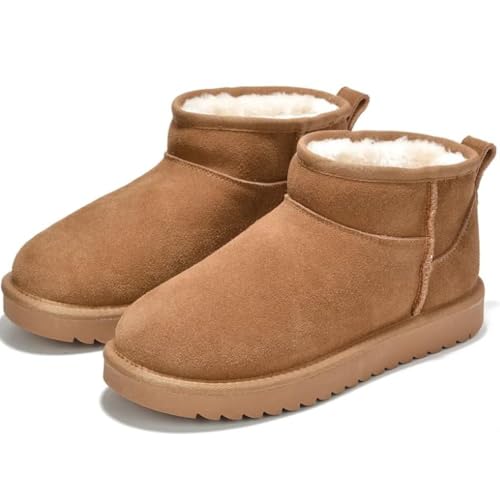
Shopping for the best booties shoes for the first time? Learn the key terms, fit basics, materials, and rookie mistakes before you choose a pair to wear.
Booties sit in a sweet spot between a shoe and a boot: they cover the ankle, pair with almost everything in a closet, and work across more seasons than almost any other footwear. If this is your first pair, the choices can still feel confusing, because heel heights, toe shapes, and materials change the fit a lot. This guide explains how to choose the best booties shoes for your feet and your wardrobe, starting from the basic terms and ending with the mistakes worth avoiding.
Use the comparison table below as a reference while you read. By the final section you will know how to judge fit in the store, what materials suit your weather, and how much break in time to expect before a new pair feels like yours.



Booties Shoes 101: The Basics
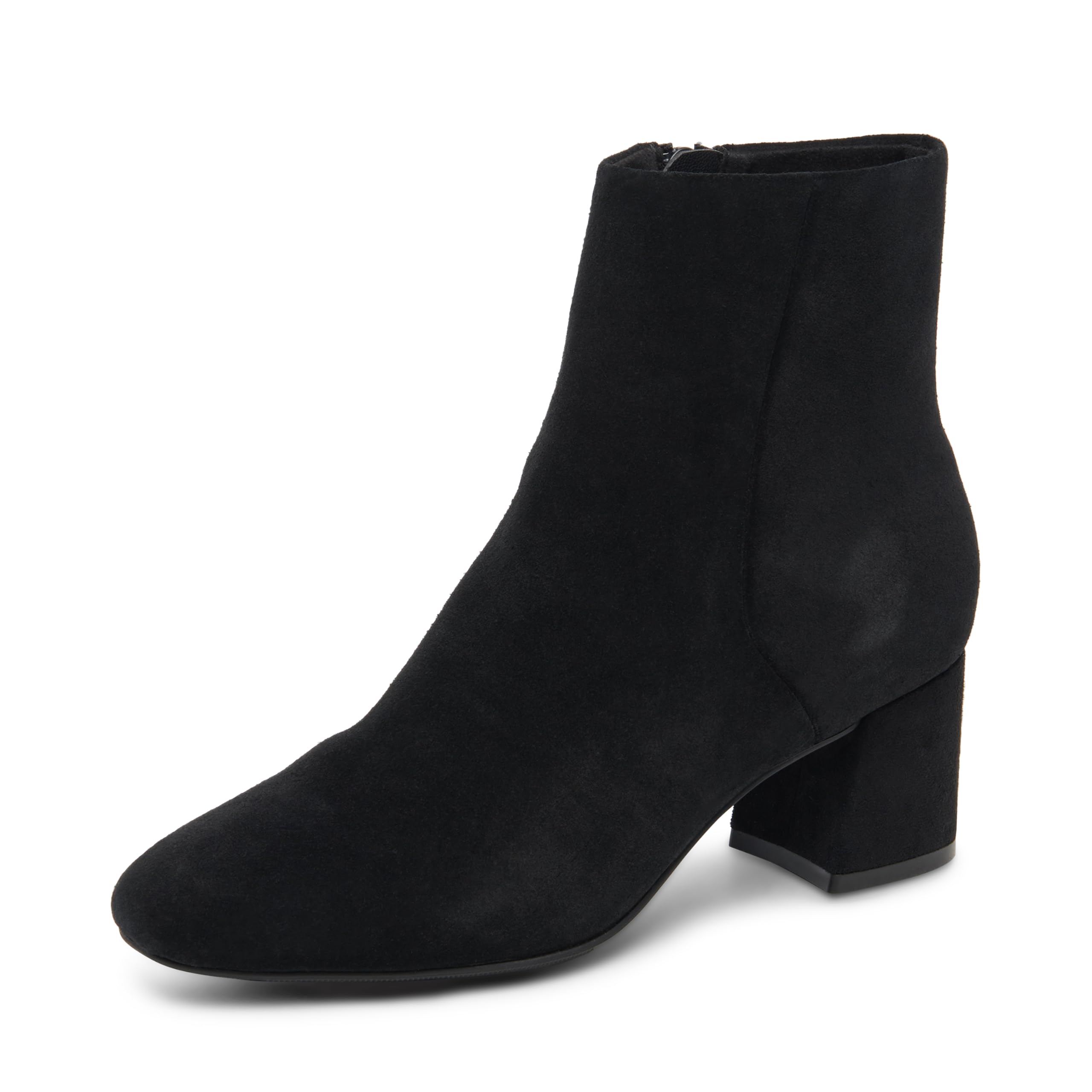
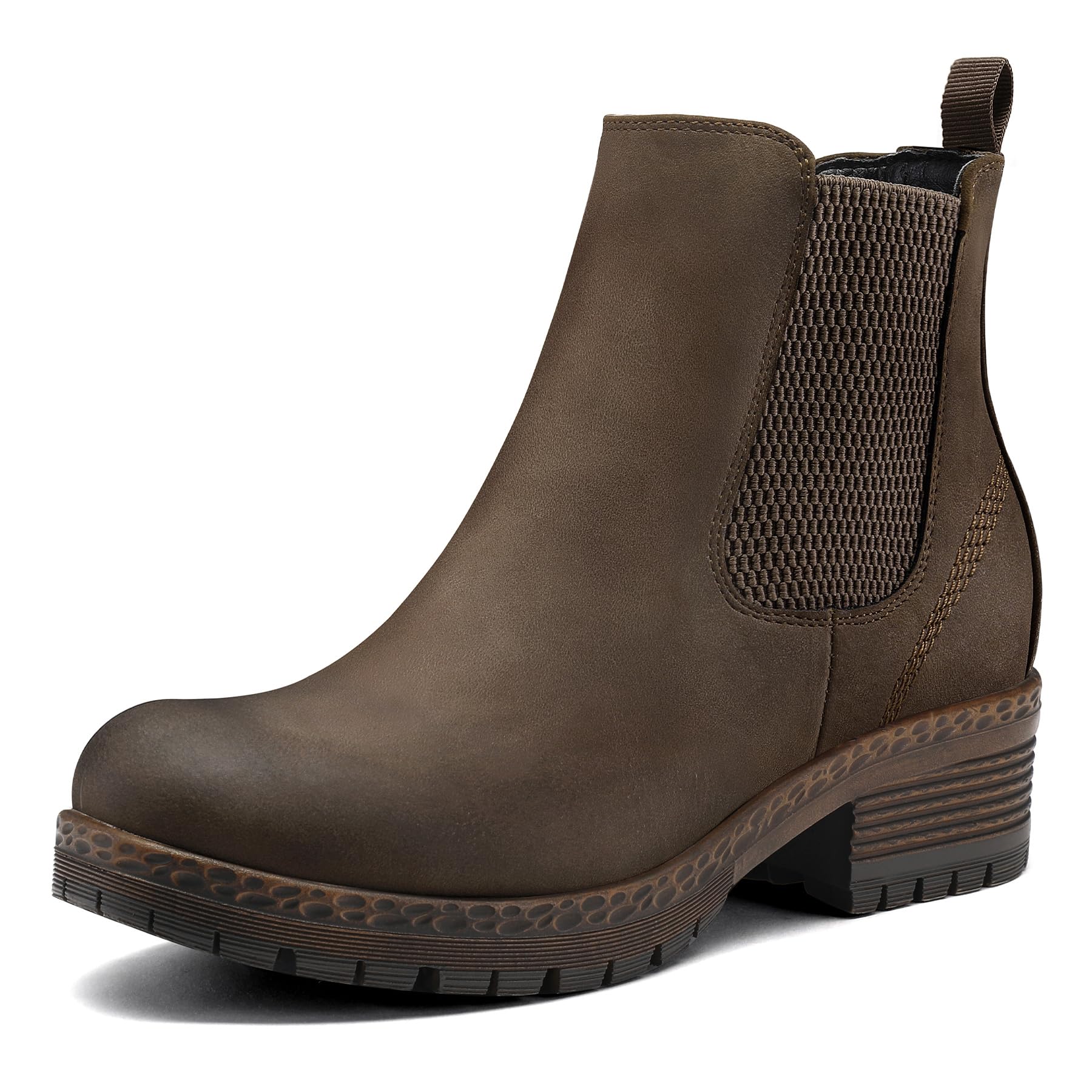
A bootie is an ankle height boot, usually ending at or just above the ankle bone. Unlike a full boot, it has no tall shaft, which makes it lighter, easier to pack, and easier to pair with cropped pants, skirts, and dresses. Most styles close with a side zipper, though some slip on with elastic side panels and a pull tab at the back. Heels range from flat to a few inches, and toe shapes run from pointed to round to square.
A few terms will help you shop. The shaft is the part that wraps your ankle, and its height and circumference decide how the bootie works with your pants. The heel stack is the full height of the heel, while the platform, if there is one, is the raised layer under the front of the foot. The difference between the two is roughly how steep your foot sits. Knowing these words turns a confusing product page into a short list of facts you can compare.
Key Specs Explained in Plain English
Fit, Sizing, and Toe Box
Measure your feet in the afternoon, when they are at their largest, and try booties on with the socks or tights you plan to wear most. Your longest toe should have a small gap from the front, and the toe box should let your toes lie flat rather than squeeze them together. Pointed styles often need a half size more room than round toe styles. Walk on a hard floor, not just carpet, because a heel that feels fine standing still can push your foot forward once you stride.
Durability and Expected Lifespan
A well made pair of everyday booties should give you two to three seasons of regular wear before the sole or heel needs attention. Leather uppers usually outlast synthetic ones and can be conditioned back to life, while thin synthetic linings tend to crack first. Watch the heel tip: replacing a worn tip early is cheap, while wearing it down to the nail damages the heel itself. The mileage rules people quote for running shoes do not apply here; judge booties by sole wear, heel wear, and upper condition instead.
Waterproofing (Gore Tex and Membranes)
Most fashion booties are not waterproof, and a water resistant spray is not the same as a sealed membrane. Some outdoor leaning styles use a membrane such as Gore Tex or a house equivalent, which blocks rain while letting some vapor escape, though they always breathe less than an unlined pair. If your commute involves real puddles and slush, look for sealed seams and a membrane and accept a slightly warmer foot. If rain is occasional, treated leather plus an umbrella habit is honestly enough.
Break In Period and Comfort Out of the Box
Leather booties usually need several wears to soften around the ankle and across the widest part of the foot. Soft synthetic and knit styles feel comfortable immediately but stretch less predictably. A good rule is that a new pair should feel snug, never painful: pressure points that burn in the store rarely vanish at home. Break a pair in with short outings first, and use thick socks for the first few wears to protect your heels while the material relaxes.
Cushioning and Support
Booties rarely offer the shaped support of a sneaker, so the insole matters. Look for a padded footbed with at least a gentle arch rise, especially in heeled styles where your weight shifts toward the front of the foot. A small platform under the front reduces the effective heel height and makes a taller bootie far more wearable. If you know you need real arch support, choose a style with a removable insole so you can swap in your own, and check that the added thickness does not crowd the toe box.
Weight and Flexibility
A heavy bootie tires your legs over a long day, while a very light one can feel flimsy on uneven ground. The sole should flex at the ball of the foot, where your own foot bends, and feel rigid through the middle so the arch is supported. Chunky lug soles add weight but give the best grip on wet leaves and light snow. Smooth leather soles look elegant and slide easily on dance floors, yet they are slippery on wet pavement until they scuff in.
Rookie Mistakes to Avoid
- Buying for the outfit, not the foot. A pointed toe that pinches will sit in the closet no matter how good it looks, so fit comes before style.
- Trying shoes on in the morning. Feet swell during the day, and a pair that fits at breakfast can squeeze by dinner.
- Ignoring shaft circumference. If the ankle opening is too wide, your heel lifts; too narrow, and it digs in with every step.
- Choosing a heel height you cannot walk in. Practice on hard floors at home, and be honest about your commute and your stairs.
- Skipping the weather check. Suede in a rainy city and smooth soles in an icy one are regrets you can predict before you pay.
Getting Started: Setup and First Use
When your booties arrive, wear them indoors on clean floors for an hour or two, which keeps the soles returnable while you judge the fit. Sit, stand, and climb stairs; your heel should stay seated and your toes should not jam the front when you go down steps. Treat leather with a conditioner or protector spray suited to the material before the first wet outing, and let any spray dry fully overnight. Store the pair upright with the shafts supported so the ankle shape does not collapse, and always air dry wet booties away from direct heat, which cracks leather and warps soles.
FAQs
Are expensive booties shoes worth it?
They can be, because price in this category usually tracks material quality: full grain leather, stitched soles, and better linings cost more and last longer. The value question is cost per season. A pair at around $150 worn for three winters often beats three pairs at around $60 that each last one. Price alone is not proof, though, so check the sole construction and lining material rather than trusting the tag.
How often should I replace my booties shoes?
Replace them when the sole is worn smooth, the heel shape is damaged beyond a simple tip repair, or the upper cracks at the flex point. With regular wear that is often after two to four seasons, depending on materials and care. A resoleable pair can go much longer, since a cobbler can renew the bottom while the upper still looks good. If your feet have started aching in a once comfortable pair, the inner cushioning has likely packed down.
How long is the break in period?
Expect about four to six wears for leather styles, spread over short outings, before the ankle and forefoot soften to your shape. Knit and soft synthetic styles may need only one or two wears. Keep a small strip of moleskin or a bandage in your bag during the first week for heel rubbing. If pain is sharp or focused on one bone, stop: that is a fit problem, and more wear will bruise rather than fix it.
Can I wear them all day?
Yes, if the heel height and cushioning match your day. Flat and low block heel styles with padded insoles handle long days well, while a tall slim heel is a poor match for hours of standing. A practical know how point: keep a pair of flats at your desk or in your car during the first weeks, so one sore afternoon does not turn into a habit of avoiding the booties. Rotate with other shoes on consecutive days to let the insoles recover.
How should booties shoes fit?
They should fit snugly at the heel and midfoot, with room for your toes to lie flat and a shaft that touches the ankle without biting. Your foot should not slide forward when you walk downhill or down stairs. With a zip style, the zipper should close without force once your foot is in; straining a zipper means the volume is wrong. Judge the fit at the end of the day, wearing your usual socks, for the most honest answer.
Do I need waterproof shoes?
Only if wet weather is a routine part of your life. A membrane lined bootie handles daily rain and slush, but it runs warmer and costs more. For occasional showers, water resistant treated leather is a reasonable middle ground, as long as you dry the pair fully afterward and retreat the finish each season. What you should not do is rely on a light fashion suede pair through a wet winter and expect it to survive unstained.
Wrapping Up
Choose fit first, then heel height you can truly walk in, then the material that matches your weather. Those three decisions do more for your happiness than any trend. The best booties shoes for a first time buyer are the pair you reach for weekly without thinking about your feet, so check the product table above once more and pick the style that fits your days.


