
Best Bootie Slippers 2026: A Comfort and Warmth Guide
Disclosure: We may earn a commission when you buy through links on this page, at no extra cost to you. As an Amazon Associate I earn from qualifying purchases. Learn more

Learn how to choose bootie slippers for warmth and comfort, covering ankle coverage, soles, materials, grip on smooth floors, and indoor versus outdoor use.
best bootie slippers wrap the foot and ankle in warmth, making them a favourite for cold houses, winter mornings, and relaxed evenings at home. The comparison table below gives a quick overview, while this guide explains ankle coverage, sole types, and materials for different homes.
Bootie slippers differ from open back slippers by covering the ankle, which adds warmth and a more secure fit. That coverage suits cold floors and drafty houses, but can feel warm in heated homes. Choosing the right material and sole depends on your floors, climate, and how you use slippers daily.


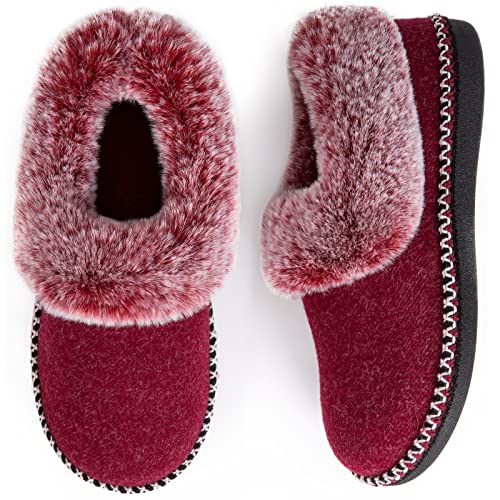
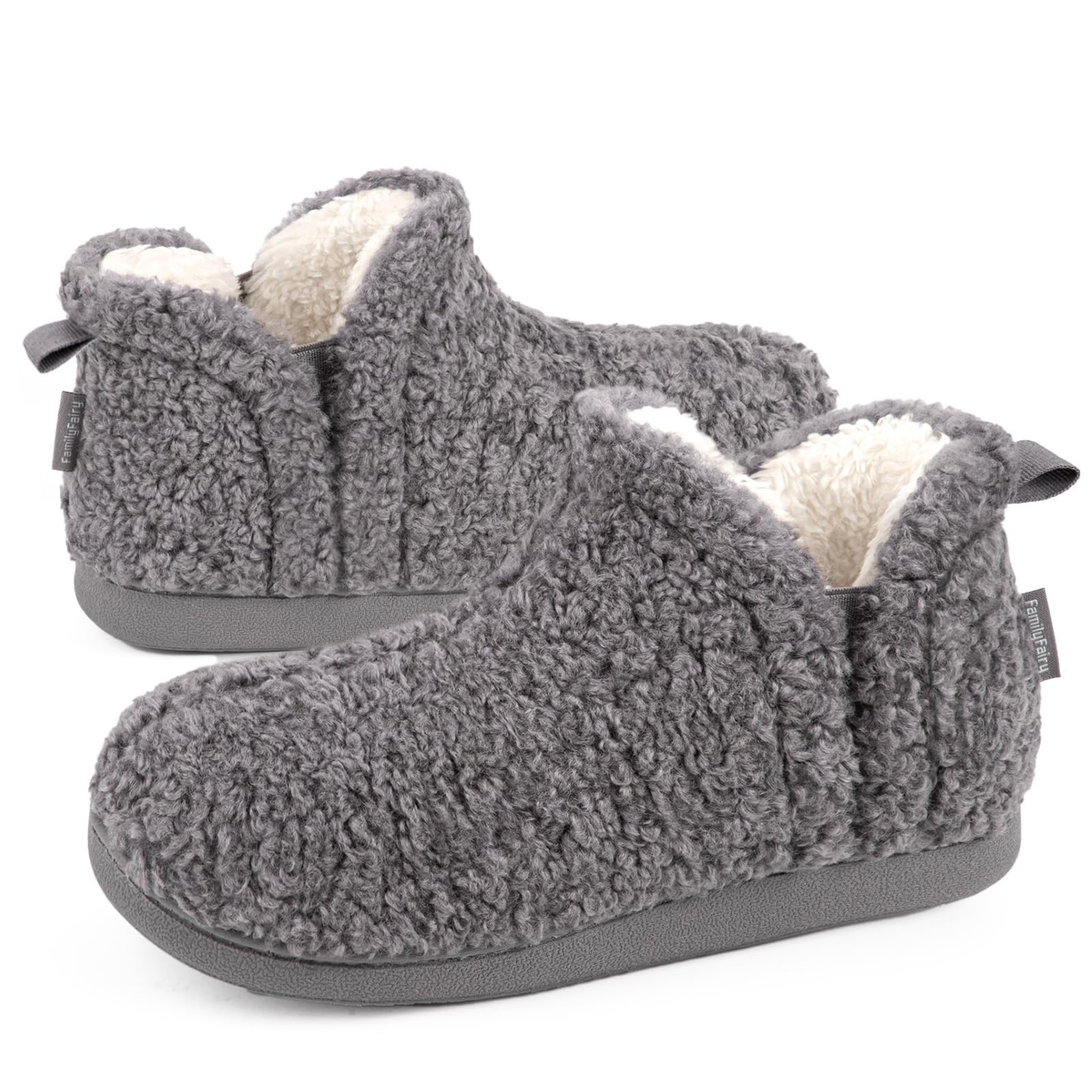


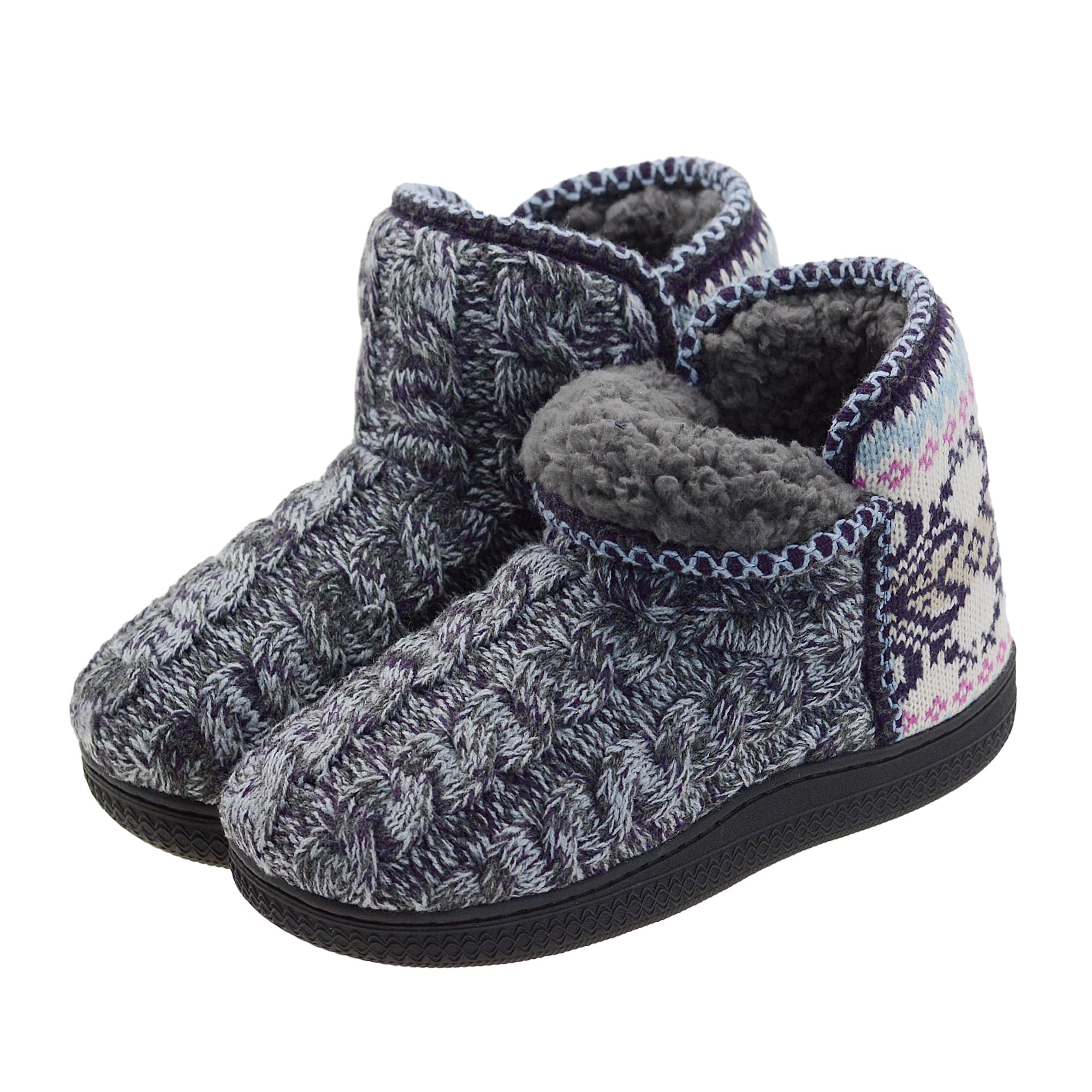
Who Should Buy Bootie Slippers
Bootie slippers suit people with cold feet, drafty homes, or hard floors that stay chilly in winter. They work well for morning routines, evening relaxation, and working from home, where warm feet improve comfort for hours. If your feet often feel cold in standard slippers, ankle coverage makes a noticeable difference.
They are less suited to warm climates or heavily heated homes, where full ankle coverage can overheat feet. In those settings, an open back or breathable slipper may feel more comfortable. Consider your indoor temperature across seasons before choosing a heavily insulated bootie.
Ankle Coverage, Fit, and Warmth
Ankle coverage is the defining feature of bootie slippers, and height varies from just above the ankle to mid calf. Taller booties trap more warmth but can restrict movement and feel bulky under trousers. Shorter booties balance warmth and freedom, suiting active indoor routines better.
Fit should be snug enough to stay on while walking, without squeezing toes or cutting circulation at the ankle. Elastic collars and adjustable closures help accommodate different ankle sizes and swelling during the day. Try booties with your usual indoor socks, and walk around the house during the return window to check comfort over time.
Women focused bootie styles are covered in our guide to best women's bootie slippers, which compares fits and materials for women.
Materials: Fleece, Wool, Down, and Synthetics
Fleece linings offer soft warmth at affordable prices and wash easily, making them practical for daily wear. Wool provides excellent warmth and breathability, but needs gentler care and costs more. Synthetic fills mimic down warmth without animal products and often survive machine washing better than natural fills.
Outer materials affect durability and style. Suede looks smart but stains easily, while sturdy textiles resist daily wear better. Check washing instructions before buying, because a slipper that cannot be cleaned will develop odours quickly with daily use. Removable insoles also help hygiene and allow replacement when cushioning flattens.
Down filled booties are covered in our guide to best down bootie slippers, which explains warmth, weight, and care for down insulation.
Soles: Indoor, Outdoor, and Hard Floors
Sole type decides where you can safely wear bootie slippers. Soft indoor soles suit carpets and smooth floors but wear quickly outside and offer little grip on wet surfaces. Hard rubber soles allow quick trips to a garden, garage, or bin area, and grip better on hard floors.
Grip matters on smooth tiles and wooden floors, where falls are a real risk, especially for older adults. Look for textured rubber outsoles with clear tread patterns, and avoid smooth leather soles on polished floors. If balance or mobility is a concern, prioritise grip and a secure fit over softness alone, and discuss persistent balance problems with your clinician.
Men focused bootie styles are covered in our guide to best men's bootie slippers, which compares sizes and sole options for men.
Quality, Durability, and Value
Quality bootie slippers use dense linings that resist flattening, sturdy stitching at stress points, and soles bonded securely to the upper. Cheap booties often flatten within weeks, losing the warmth and cushioning you bought them for. Check stitching around the toe and heel, and flex the sole to test bonding before committing.
Value depends on wear frequency. Daily wear justifies a higher price for durable materials and replaceable insoles, while occasional use suits simpler models. Consider total cost: a durable pair that lasts two winters costs less per wear than a cheap pair replaced each season, and produces less waste.
Quality focused slipper options are covered in our guide to best quality slippers, which compares construction and materials across slipper types.
Comfort for Different Feet and Needs
People with wide feet, high arches, or sensitive skin need booties with roomy toe boxes, soft seams, and breathable linings. Seamless interiors reduce rubbing, while arch support inserts help those who stand for long periods indoors. If you have diabetes, circulation problems, or foot wounds, choose soft, non constricting booties and check feet regularly, seeking clinician advice for persistent problems.
Women specific fits often use narrower lasts and softer linings, which suit many women better than unisex sizing. Try both unisex and women specific options when possible, and prioritise fit over style labels. A comfortable bootie should feel like an extension of your foot, not a constraint on it.
Women general slipper options are covered in our guide to best slippers for women, which compares open and closed styles for women.
A Final Check Before You Order
Wear booties around the house for several days during the return window, with your usual socks and on your usual floors. Check ankle comfort, grip on smooth surfaces, and warmth after an hour of wear. A bootie that feels cosy for ten minutes but overheats or slips after an hour is the wrong choice.
The product table above can help you compare shortlisted models once you know your floor types, indoor temperature, and whether outdoor trips matter. Choose warmth, grip, and washability in balance, and your booties should serve many comfortable winters.
Living With Bootie Slippers
Bootie slippers become a winter habit when they are easy to reach and comfortable for hours. Keep them by your usual chair or bedside rather than in a distant cupboard, so slipping them on becomes automatic on cold mornings. Rotate between two pairs if you wear them daily, which lets linings air out and extends the life of both pairs noticeably.
Notice how your feet feel after long evenings in booties compared with shorter wear. Warmth that feels cosy for an hour can become sweaty after three, especially in heated rooms, so lighter linings may suit evenings better than heavily insulated models. Matching slipper warmth to your actual indoor temperature keeps comfort consistent through the whole winter season.
For households with mixed floor types, a single bootie style may not suit every room equally well. A grippy rubber sole excels on tiles and wood, while a softer indoor sole feels better on carpet, so consider where you spend most slipper time before choosing. Matching sole to your dominant floor type prevents the common disappointment of a cosy slipper that slides on your kitchen tiles.
Frequently Asked Questions
Are bootie slippers warmer than regular slippers?
Bootie slippers are warmer because ankle coverage traps heat around the foot and lower leg, reducing drafts that open back slippers allow. The difference is most noticeable in cold houses and on hard floors. In warm or heavily heated homes, full coverage can overheat feet, so choose lighter materials or open styles for summer.
Can I wear bootie slippers outside?
Hard rubber soled booties suit quick outdoor trips to a garden or garage, while soft indoor soles wear quickly outside and grip poorly on wet surfaces. Check sole type before buying if outdoor use matters. For regular outdoor wear, choose durable rubber outsoles with clear tread for grip on smooth and wet ground.
How do I wash bootie slippers?
Washing depends on material: fleece and many synthetics machine wash well, while wool, suede, and down need gentler care. Always check the label before washing, and air dry rather than tumble drying when possible. Removable insoles help hygiene between washes. Proper care extends warmth and prevents odours from daily wear.
Do bootie slippers help cold feet?
Bootie slippers help cold feet by insulating the foot and ankle and reducing drafts, especially on hard floors. Wool and down linings offer the most warmth. Persistent cold feet, numbness, or colour changes deserve a conversation with your clinician, because footwear alone does not address circulation problems. Warm socks add further insulation.
What sole is safest for smooth indoor floors?
Textured rubber outsoles with clear tread patterns grip best on smooth tiles and wooden floors. Avoid smooth leather soles on polished surfaces, which can slide dangerously. If balance is a concern, prioritise grip and a secure ankle fit over softness alone. Test new slippers on your actual floors during the return window.
Final Thoughts
Choosing best bootie slippers comes down to ankle warmth, sole grip, material care, and fit for your home and floors. A well fitting bootie with a grippy sole and washable lining should keep feet warm and safe through many winters. The product table above can help you compare options once you know your floor types and indoor climate.
Wear your shortlist around the house for several days, check warmth and grip over time, and prioritise comfort that lasts an evening rather than a first impression. The right booties should feel cosy, secure, and easy to live with every day.


