
Best Booster Pumps for Water Pressure: How to Choose
Disclosure: We may earn a commission when you buy through links on this page, at no extra cost to you. As an Amazon Associate I earn from qualifying purchases. Learn more

Fix weak water pressure: how to size, install, and choose the best booster pumps for a single outlet or the whole house.
Low water pressure turns a shower into a trickle and makes appliances run slowly. A water booster pump raises pressure in your plumbing, and the right size depends on how many outlets it must serve. This guide explains how to choose the best booster pumps for your home, covering flow rate, PSI, noise, and installation.
The product table lists current options. The sections below help you narrow the choice before you order.

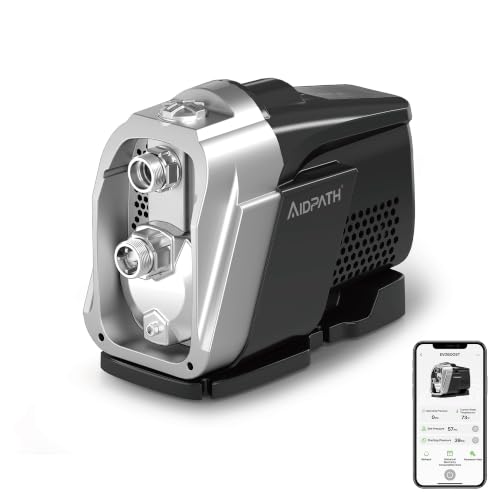
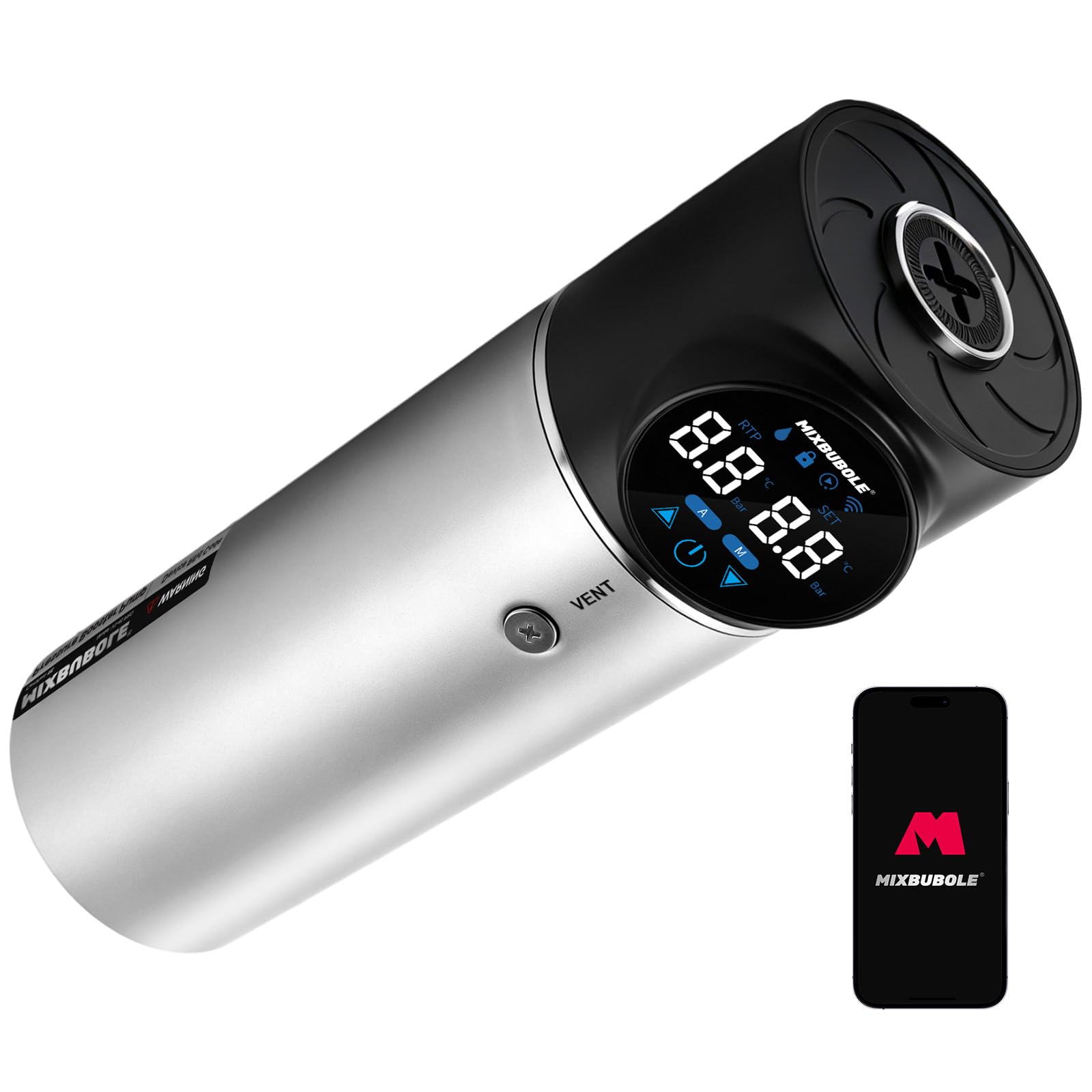
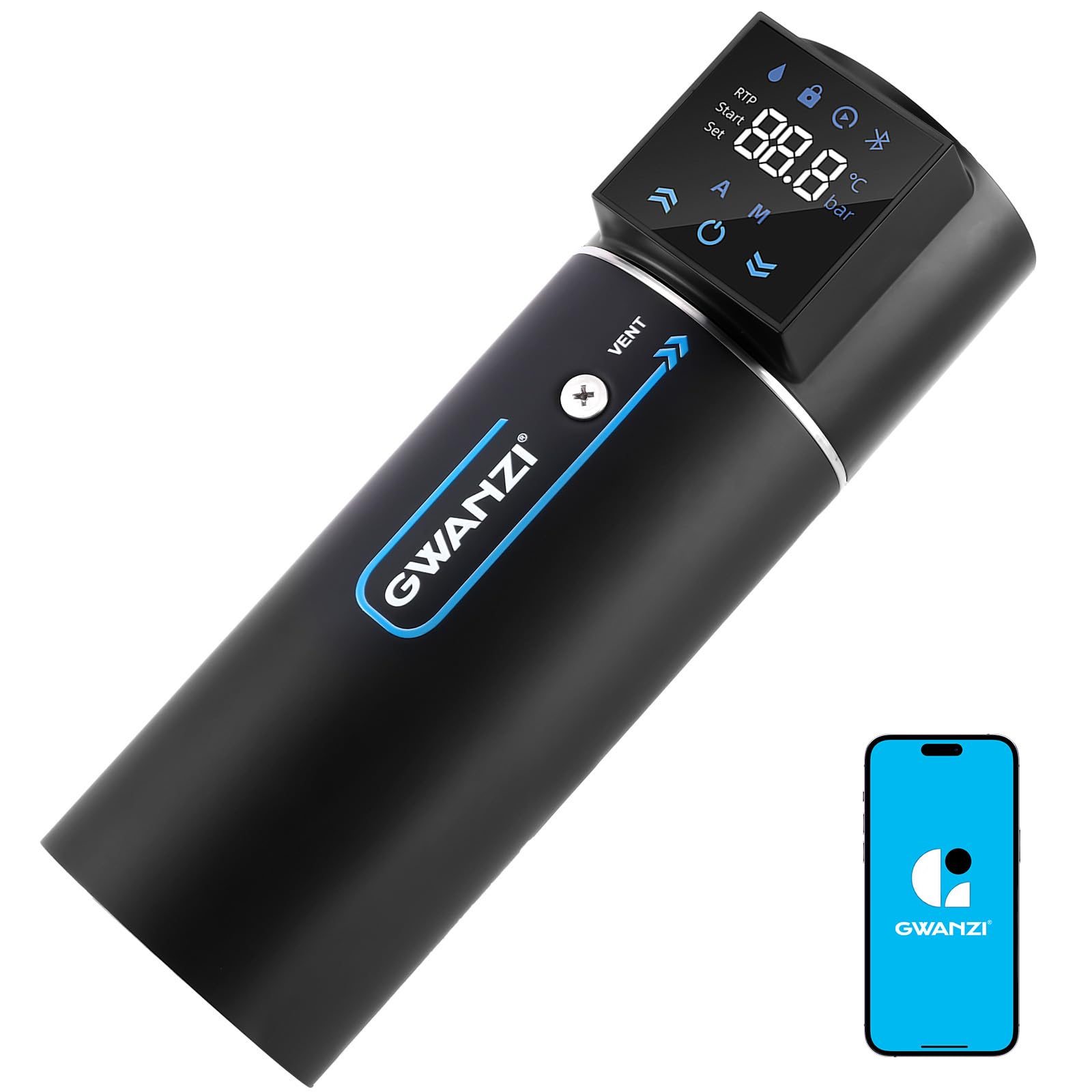

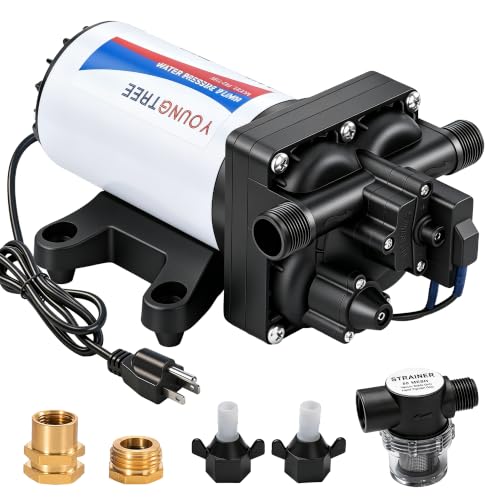

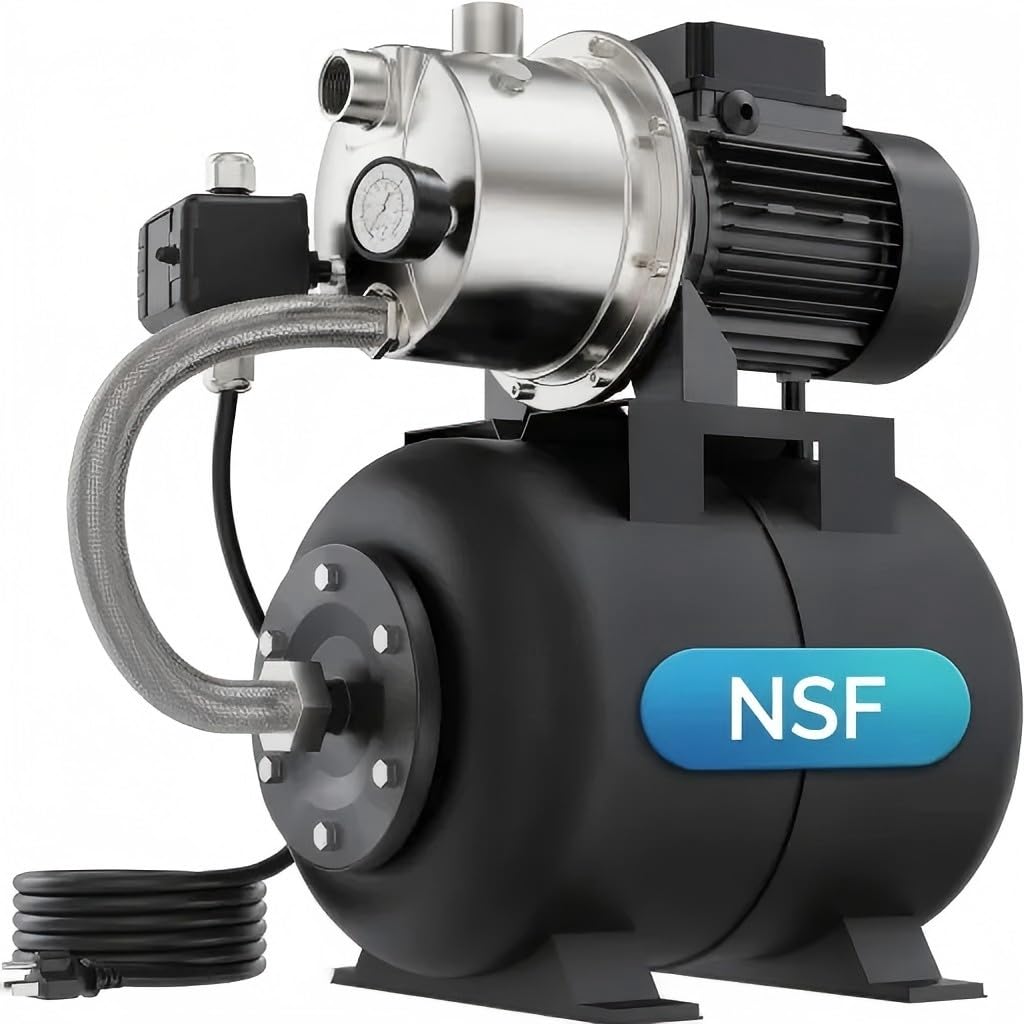


What a Water Booster Pump Does
A booster pump takes water from your supply line and pushes it on at higher pressure. Whole house units sit near the main line and serve every tap. Smaller units boost a single shower, a garden line, or an RV water system. A pump can only add pressure when there is enough water coming in. If the supply itself is weak, check the municipal pressure, a partly closed valve, or clogged pipes first.
Which Type Fits Which Home
Whole house pumps
These suit homes where every outlet suffers. They usually come with a pressure tank or a variable speed controller that keeps pressure steady when several taps run together. Expect professional-level fitting and a higher price.
Single outlet and on demand pumps
A compact diaphragm pump suits one shower, a cabin, or an RV. It starts when a tap opens and stops when it closes. These cost less but cover only the line they are connected to.
Shallow well and garden pumps
Jet pumps move water from a tank, cistern, or shallow well and can feed irrigation or a household line. They are bigger and louder, so check they fit your space.
Water Booster Pump Types Compared
The best booster pumps differ mainly by how many outlets they serve and how they control pressure. The table shows the three common types.
| Type | Good For | Watch For |
|---|---|---|
| Whole house variable speed | Steady pressure at every outlet | Higher price, professional install |
| On demand diaphragm | One shower, RV, small cabin | Limited flow, some vibration |
| Shallow well jet pump | Cisterns, wells, irrigation | Size and noise |
Key Specs to Compare
Flow rate (GPM)
Add up the flow of the outlets you want to run at once. A shower uses around 2 to 2.5 gallons per minute, and a whole home with two showers and a dishwasher may need 10 GPM or more. Choose a pump with some margin.
Pressure (PSI)
Typical household pressure sits at roughly 40 to 60 PSI. A pump that delivers 60 to 80 PSI is plenty for most homes. Higher pressure than your fixtures and pipes are rated for can cause leaks.
Motor power and controller
Horsepower shows how much work the motor can do. Variable speed controllers adjust the motor to demand, which keeps pressure steady and cuts noise and wear compared with a pump that is either fully on or off.
Noise and location
Pumps hum and vibrate. Mount the unit on a solid surface with rubber feet or vibration pads, and keep it away from bedrooms. Pick a quiet variable speed or diaphragm model if the pump sits near living space.
Safety and protection
Look for dry run protection, overheat protection, and a pressure relief or check valve. Use a plumber for connection to a main line, and make sure power is off before any work.
Sizing and Installation Steps
- Measure current pressure with a gauge on an outdoor tap.
- List the outlets that must run together and add their flow rates.
- Pick a pump whose GPM covers that total and whose PSI suits your fixtures.
- Check the pipe size (often 3/4 or 1 inch) and match the fittings.
- Install a check valve and a shutoff valve so you can service the pump.
- Prime the pump as the manual directs before the first start.
Care and Maintenance
Check filters and seals on a regular schedule, listen for new noises, and keep the area around the pump dry and clear for airflow. Clean any inlet strainer when flow drops. If wear appears, check whether a part can be replaced before you consider a full replacement.
Common Mistakes to Avoid
- Choosing the largest pump available, because oversized pressure can strain pipes, joints, and appliances.
- Buying a pump when the real cause is a clogged pipe or partly closed valve.
- Ignoring flow rate and looking only at PSI.
- Skipping a check valve and strainer at installation.
- Running the pump dry during setup.
Choosing a Booster Pump by Budget
Small on demand pumps for a shower or RV often cost about $60 to $120 and suit simple jobs. Whole house variable speed units run from roughly $400 to $750 or more, and they add steady pressure, quieter running, and better protection. Installation can add to the total, so budget for fittings, valves, and a plumber if needed. A bigger price does not always mean better results for a small home, so match the pump to the job.
Power and Electrical Needs
Most home units run on standard 115V power, but larger motors draw enough current that they should sit on their own protected circuit. Check the plug type, the cord length, and whether the pump needs a dedicated outlet. Outdoor or damp locations call for a weather-rated enclosure and a ground fault outlet. If you are unsure about wiring, have an electrician confirm it before installation.
When a Pump Is Not the Answer
If pressure drops only at one tap, the cause is usually a clogged aerator or valve rather than the supply. If pressure drops everywhere after a repair, look for a partly closed main valve or a failing pressure regulator. Fix these first, because a pump added on top of a plumbing fault only hides the problem. When the municipal supply is simply weak, a pump with a storage tank gives the most reliable result.
Related Guides
For a closer look at related pumps, see our guides to the best water booster pumps, the best water pressure booster pump, and the best quality pumps.
Frequently Asked Questions
How do I choose the right booster pump for my home?
Count the outlets that run at the same time, add up their flow in GPM, and pick a pump that covers that total at a pressure your plumbing can handle. Whole house demand needs a bigger unit than a single shower.
Will a booster pump fix weak water pressure from the street?
It can raise pressure if the supply line delivers enough volume. If flow itself is very low, a pump may run dry or cycle often, so check the supply and any storage tank first.
Are booster pumps loud?
Some are. Diaphragm models buzz, and fixed speed pumps switch on with a noticeable click and hum. Variable speed units run quieter, and rubber mounting pads help.
Is it worth spending more on a booster pump?
It is worth it when the extra cost buys steady pressure, quieter running, or protection features you will use. For one shower or an RV, a compact pump is usually enough.
Do I need a plumber?
For whole house installation on a main line, yes, since it involves plumbing and electrical connections. A small plug-in pump on a single line is easier but still needs correct fittings.
Final Thoughts
Match flow rate, pressure, and noise level to your home, and the best booster pumps will fix weak water pressure without straining your pipes. Use the product table above to review your shortlist, measure first, and install with a check valve and strainer.


