Best Boost Mobile Smartphones: Our 2026 Checklist and Buying Guide
Disclosure: We may earn a commission when you buy through links on this page, at no extra cost to you. As an Amazon Associate I earn from qualifying purchases. Learn more

Compare the best boost mobile smartphones with a clear checklist for display, camera, battery, storage, and updates, plus red flags to avoid before you buy.
A carrier store page can make every phone sound excellent, because each listing leads with its best number and hides the compromises. A simple checklist cuts through that sales language and lets you judge any model on the same fair terms.
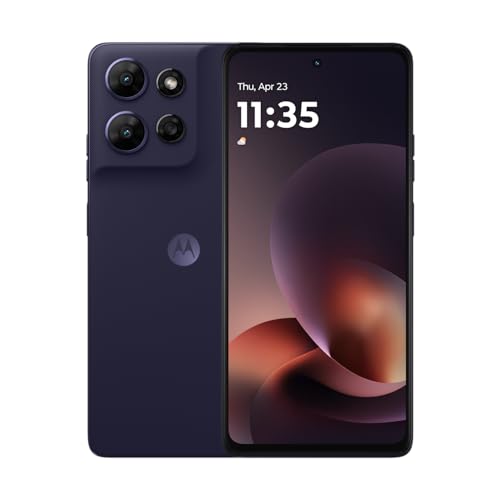
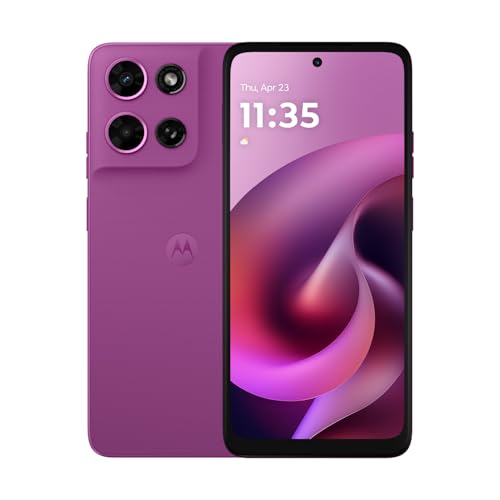
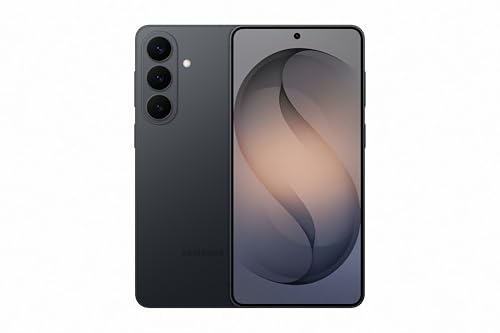
This guide gives you that checklist for the best boost mobile smartphones, with clear good and poor thresholds for each spec that matters. Use the comparison table below to note prices and headline specs, then work through the criteria here before you commit to a plan and a payment schedule.

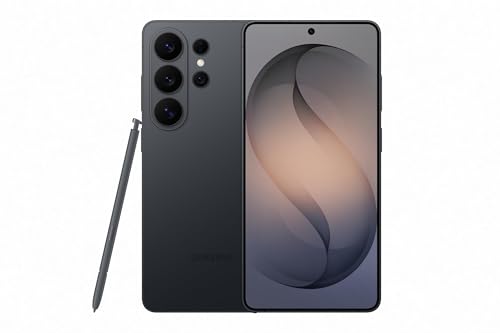
How We Evaluate Boost Mobile Smartphones
Display Size and Quality
A good display for daily use is bright enough to read outdoors, sharp enough for small text, and smooth when you scroll. OLED panels give deeper blacks and better contrast than basic LCD panels, and they usually look richer for video. A refresh rate of 90Hz or 120Hz makes scrolling and gaming feel smoother than the older 60Hz standard. Size is personal, with screens around 6.1 inches suiting one hand use and screens around 6.7 inches suiting video and reading. Treat dim screens under full sun as a real drawback, not a minor spec.
Camera System
Judge a camera by results in ordinary light, not by megapixel counts alone. A good main camera has optical image stabilization, which reduces blur in low light and steadies video. An ultrawide lens helps with groups and landscapes, while a telephoto lens is a premium extra that most buyers can skip. Night mode matters if you take many indoor or evening photos, and it should brighten scenes without turning faces waxy. Front camera quality counts for video calls, so look for clear detail rather than heavy smoothing filters.
Software Updates and Support Window
Updates decide how long a phone stays safe and useful. A strong offer is at least four years of security updates, with several major system upgrades in that window. Phones with only two years of support can look cheap today yet force an early replacement later. Check that the maker states the update window in writing rather than leaving it vague. A longer window also protects banking and work apps, which stop supporting old software over time.
Storage Options
For most people, 128GB is the sensible starting point once apps, photos, and offline video are counted. Heavy photo and game users should look at 256GB, because a full phone slows down and blocks updates. A microSD slot adds flexible space for media on models that offer one, though apps usually still live on internal storage. Cloud storage helps with backup, but it does not replace local space when you travel without a signal. Buy one size above your current use if you keep phones for three years or more.
Battery Life and Charging Speed
Battery capacity around 5,000 mAh is a good sign in this class, but screen size and software efficiency shape real results just as much. Look for a phone that comfortably lasts a full busy day, so you are not hunting for outlets by evening. Fast wired charging that refills about half the battery in around 30 minutes is a practical plus for busy mornings. Wireless charging is convenient on desks and nightstands, yet it is often slower and limited to higher tiers. A charger may not be included, so add that cost if you need one.
Build, Durability, and Water Resistance
A phone you carry everywhere should survive rain, pockets, and short drops. An IP68 rating means strong protection against dust and water, while IP67 still covers rain and brief splashes well for most users. Strong front glass, such as recent Gorilla Glass versions, reduces scratch and crack risk but does not make a case pointless. Plastic frames can absorb knocks well, while glass backs feel premium yet crack more easily. Check the warranty terms for screen damage before you rely on toughness claims.
Processor and Everyday Performance
The processor and RAM decide how smooth the phone feels after a year of apps and updates. For everyday use, look for a recent mid range chip with at least 6GB of RAM, which keeps multitasking and camera work fluid. Gamers and heavy multitaskers benefit from stronger chips and 8GB or more of RAM. Storage speed also matters, since faster storage opens apps and saves photos with less waiting. Avoid very old chips sold at near mid range prices, because they age fast and lose update support sooner.
As a wider reference point, our overview of the best mobile smartphones shows how Boost options compare with phones sold for other networks. If you only need one line and a simpler plan pairing, the guide to the best boost mobile phone covers the single device angle in more depth.
Price Tiers That Pass Our Checklist
Budget Tier: Around $100 to $250
Budget phones in this range can pass the checklist if you set priorities. Expect a decent LCD or entry OLED screen, a capable main camera in daylight, and battery sizes that often beat costlier models. The usual trade offs are shorter update windows, slower charging, and weaker low light photos. This tier suits calls, messaging, social apps, and light games. Check the update promise carefully here, because a very cheap phone with two years of support may cost more over time than a slightly pricier model.
Mid Range Tier: Around $250 to $500
The mid range is the sweet spot for most Boost buyers. Phones here commonly add OLED screens with 90Hz or 120Hz refresh rates, stabilized main cameras, and faster charging. Update windows tend to improve, and build quality feels a clear step up from the budget tier. You may still give up wireless charging, telephoto lenses, and the very best gaming chips. For students, families, and most workers, this tier delivers the strongest balance of price, camera, and lifespan.
Premium Tier: Around $500 and Up
Premium models earn their price through cameras, displays, and support length rather than basic speed. Expect the brightest OLED screens, versatile camera systems with strong night results, wireless charging, and IP68 protection. Longer update windows, often five years or more of security patches, protect the larger investment. This tier suits creators, frequent travelers, and anyone who keeps a phone for four years or longer. If you rarely use advanced camera modes, the mid range tier will likely serve you just as well for far less.
Quick Buyer Checklist
- Does the phone support Boost 5G bands and show good coverage in your area?
- Is the screen bright enough for outdoor reading, with at least a 90Hz refresh rate if you can afford it?
- Does the main camera have optical image stabilization and a night mode you will use?
- Will you get at least four years of security updates from the purchase date?
- Is 128GB enough, or do your photos and games point you to 256GB?
- Can the battery last your longest normal day, and does charging speed fit your routine?
- Does the total cost, including case, charger, and plan, fit your budget?
Red Flags to Watch For
Watch for vague spec sheets that hide the processor name, update window, or water resistance rating, because missing details usually mean weak details. Be wary of huge megapixel claims paired with no stabilization and no named camera features. Very short warranties and unclear return terms are another warning sign, especially on imported models with limited service support. Unusual review patterns, such as many generic five star posts in a short window, should make you pause. Finally, check that the model is a current Boost compatible version, since similar names are sold for other regions and networks.
Shoppers who are also comparing carriers can see how lineups differ in our guide to the best t mobile smartphones, which uses the same checklist approach. Comparing the same criteria across carriers keeps your decision grounded in the phone itself, not in store promotions.
Best Boost Mobile Smartphones for Specific Needs
Best Inexpensive Boost Mobile Smartphones: What to Check
When you shop for best inexpensive boost mobile smartphones, protect three things first: the update window, battery size, and screen brightness. Those decide daily satisfaction more than extra camera lenses. A simple model with 128GB, a 5,000 mAh battery, and four years of security updates will age better than a flashier model with weak support. Skip paying extra for 5G speed tiers you cannot use in your area.
Care and Maintenance Tips
Use a case and a screen protector from day one, because one drop can cost more than both combined. Keep software updated so security patches and camera fixes arrive on time. Avoid charging in extreme heat, such as a hot car, since heat shortens battery lifespan. Back up photos regularly so a lost phone does not mean lost memories.
FAQs
Should I buy unlocked?
An unlocked phone gives you freedom to change carriers, but it must still support the bands Boost uses. Phones sold for Boost are set up for the network from the start, which removes activation guesswork. If you buy unlocked, confirm the exact model number against Boost compatibility tools before paying. Either route works when the bands and software match.
Do I need 5G?
Most buyers should choose a 5G phone now, even if local coverage is still growing. 5G support extends the useful life of the phone as networks shift capacity away from older standards. You do not need the fastest 5G variant for everyday apps, maps, and streaming. Check a coverage map for your home and work areas so your expectations match reality.
How much storage do I need?
Most people do well with 128GB, which holds plenty of apps, photos, and downloaded shows. Choose 256GB if you shoot lots of video, keep big games installed, or plan to keep the phone for four years. Watch your current phone usage in settings, then buy one step above it. Cloud backup helps, but local space is what keeps the phone fast day to day.
Is a mid range phone good enough?
Yes, a mid range phone is good enough for most people. Current mid range models handle messaging, maps, streaming, banking, and casual games with ease, and many have strong main cameras. Premium models mainly add better zoom, brighter screens, and longer support. If those extras do not match your habits, the savings are better spent on a good case, storage, or your plan.
How many years of updates should a phone get?
Aim for at least four years of security updates, counted from when you buy the phone. Security patches protect banking, email, and personal photos long after new features slow down. Major system upgrades are a bonus on top of that baseline. If a listing does not state the update window clearly, treat that silence as a reason to choose a different model.
Wrapping Up
Start with the update window, the display, and battery life, because those three shape how the phone feels every single day. Then match storage and camera to your real habits rather than to a sales pitch. When you compare the best boost mobile smartphones in the product table above, use this checklist line by line and pick the model that passes the most items within your budget.