Best Bookshelf With Doors (2026): Door Styles, Size and Build
Disclosure: We may earn a commission when you buy through links on this page, at no extra cost to you. As an Amazon Associate I earn from qualifying purchases. Learn more

Door style, capacity and hardware advice for choosing the best bookshelf with doors, with solid, glass and combination units compared.
Open shelves look great in photos, but in real homes they collect dust, show every leaning stack, and leave fragile or private items on full display. Doors solve all three problems at once, which is why the best bookshelf with doors has become a popular upgrade for living rooms, offices, and bedrooms. This guide compares the main door styles, sizes, and materials so you can match a bookcase to your room and your storage habits. Start with the product table below, then read on for the details that matter most.





Who Should Buy a Bookshelf With Doors?
Families Who Want Clutter Out of Sight
If your shelves hold board games, photo albums, craft supplies, and a tangle of chargers alongside the books, solid doors turn that visual noise into a calm, closed front. Parents also like that doors slow down curious toddlers, especially with a simple latch. Choose deeper shelves, around 12 to 14 inches, so bins and games fit without forcing the doors. A wall anchor matters in busy family rooms, since a loaded bookcase can tip if a child climbs it.
Readers Who Fight Dust and Pet Hair
Books stored behind doors stay noticeably cleaner than books on open shelves, because the door blocks most of the airborne dust and hair that settles on page edges. If anyone in your home has allergies, that difference is worth real money. Glass doors give you the same protection while keeping spines visible. Pick doors that close flush with a small gap at most, since wide gaps let dust creep in almost as fast as open shelving does.
Home Office Workers Who Need a Tidy Backdrop
A closed bookcase behind your desk hides binders, printer paper, and spare cables, so video calls look calm and professional. Doors also protect paperwork from fading in sunny rooms, since direct light never reaches the shelves. Look for at least one shelf tall enough for upright binders, about 13 inches of clear height, and consider a lockable section if you store client files. Cable cutouts in the back panel are a quiet bonus if you keep a printer inside.
Types of Bookshelves With Doors Compared
Instead of naming specific models, it helps to compare the three door layouts you will see most often, because the layout shapes how you use the unit every day. If you are still deciding between covered and open storage, our guide to the best bookshelf covers the wider category before you commit to doors.
Fully Closed Bookcases With Solid Doors
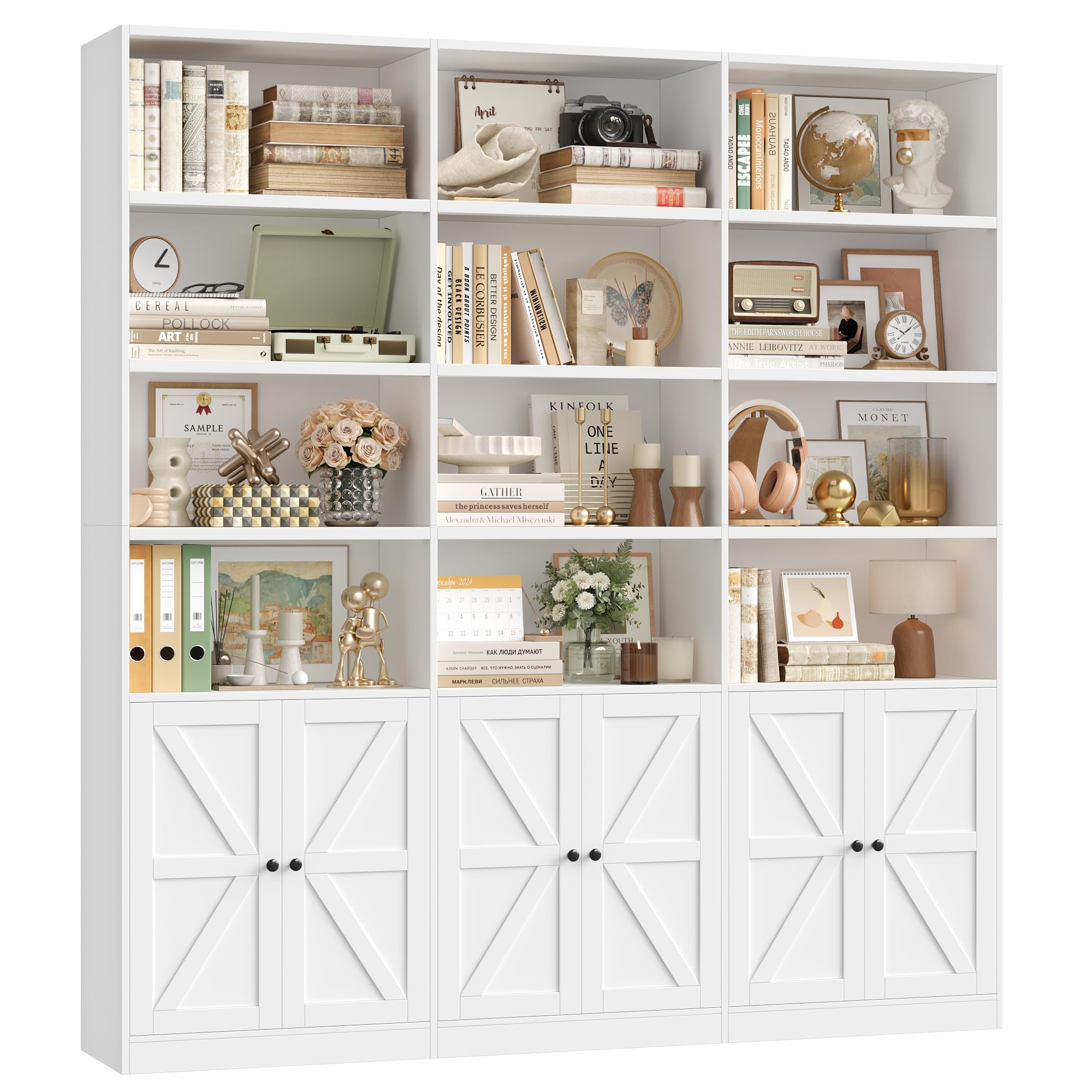
Solid doors cover every shelf from top to bottom, giving the cleanest look and the strongest protection from dust and light. This layout suits mixed storage, where only some contents are worth displaying. The tradeoff is that you lose the open, airy feel of a library wall, and you must open a door every time you grab a book. Solid doors also hide worn spines, which makes this style forgiving for older collections. Measure your largest items first, because interior space is fixed once the doors close.
Glass Door Bookcases
Glass doors protect books while keeping them visible, a middle ground many readers prefer. Clear glass shows off a collection, while frosted or fluted glass softens the view and hides minor clutter. Tempered glass is the safer choice, since it is stronger than standard glass and breaks into small, blunt pieces if it ever fails. The downside is upkeep, because glass shows fingerprints and needs regular wiping. Glass also adds weight, so check that the hinges are rated for the door load and that the frame feels rigid.
Combination Units With Open Shelves Above and Doors Below
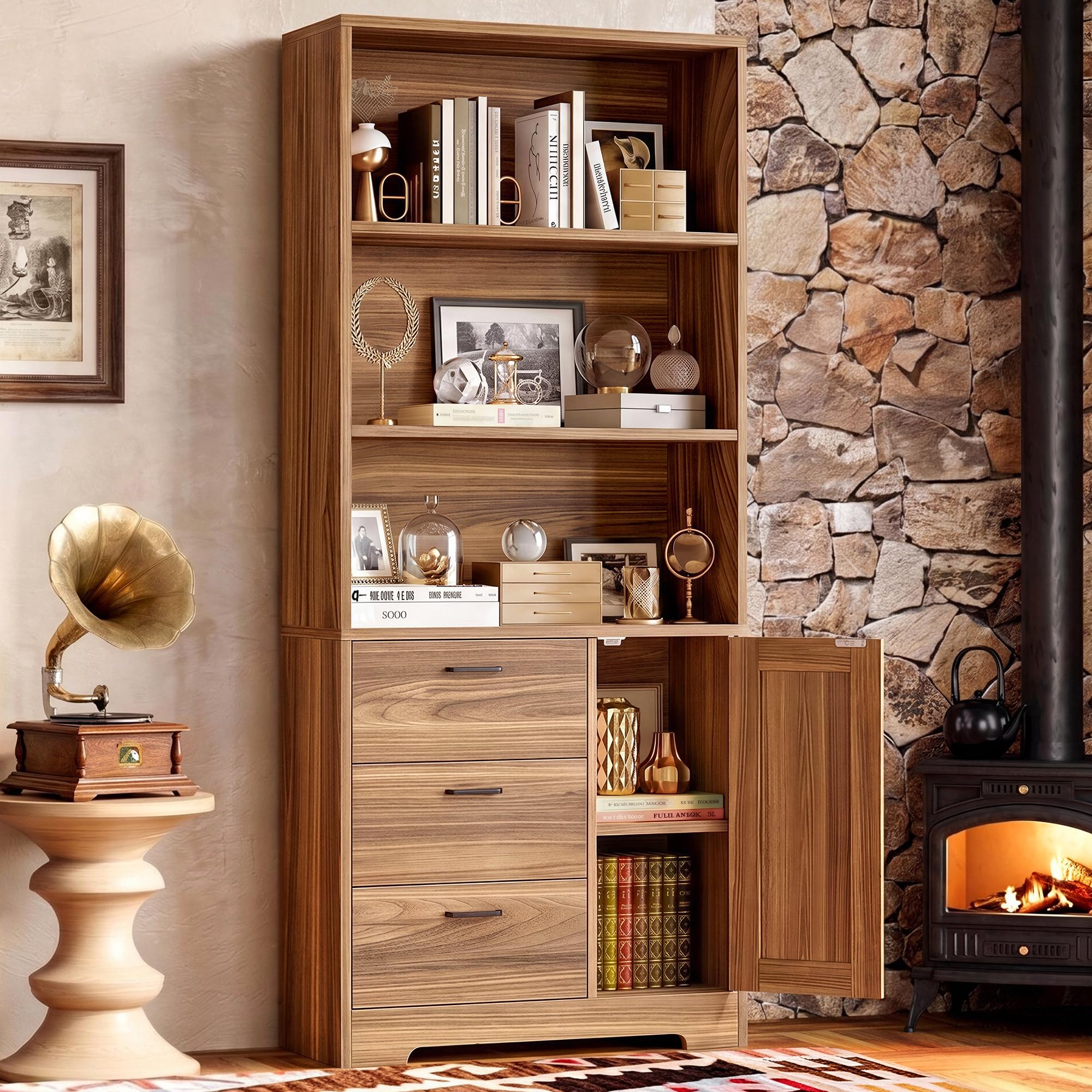
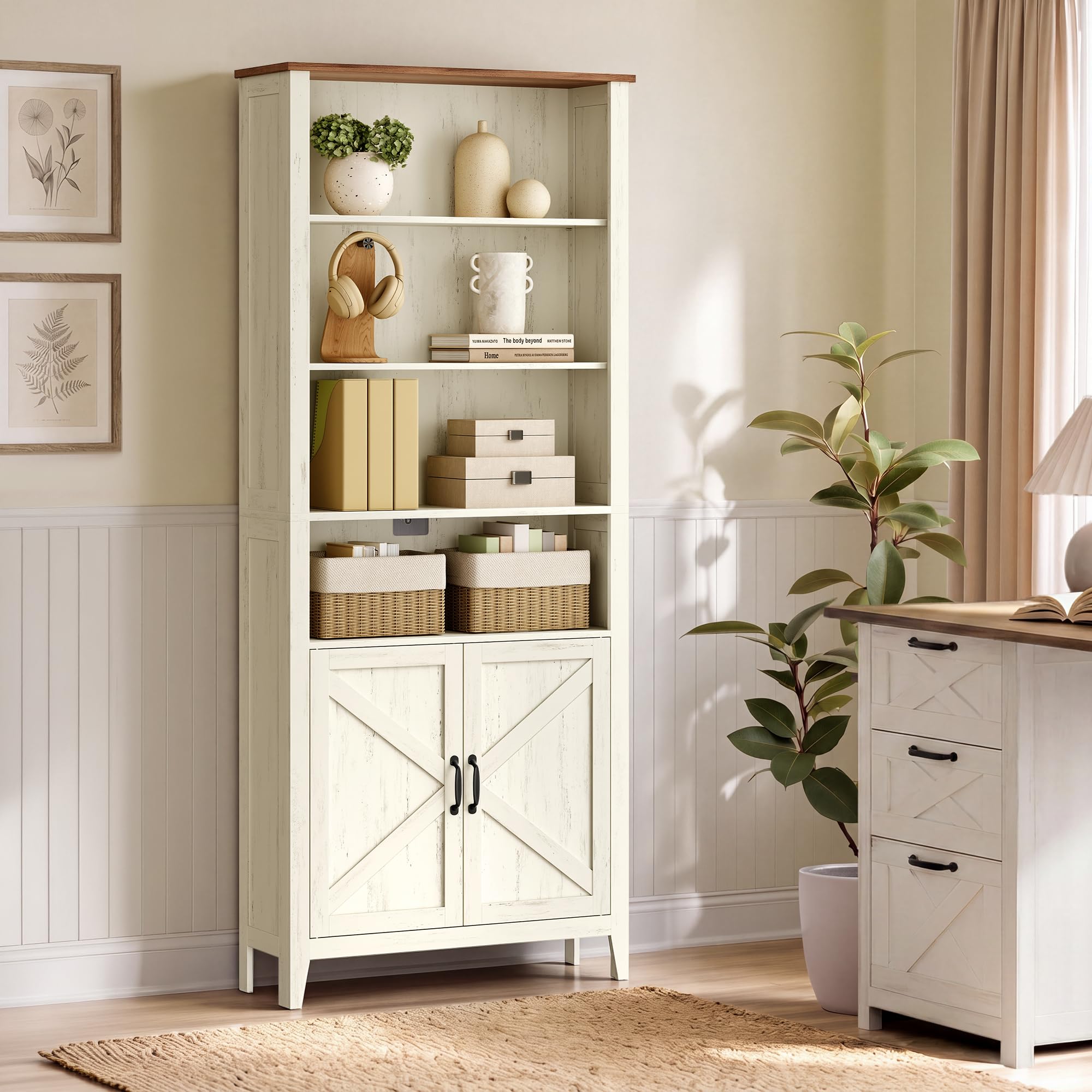
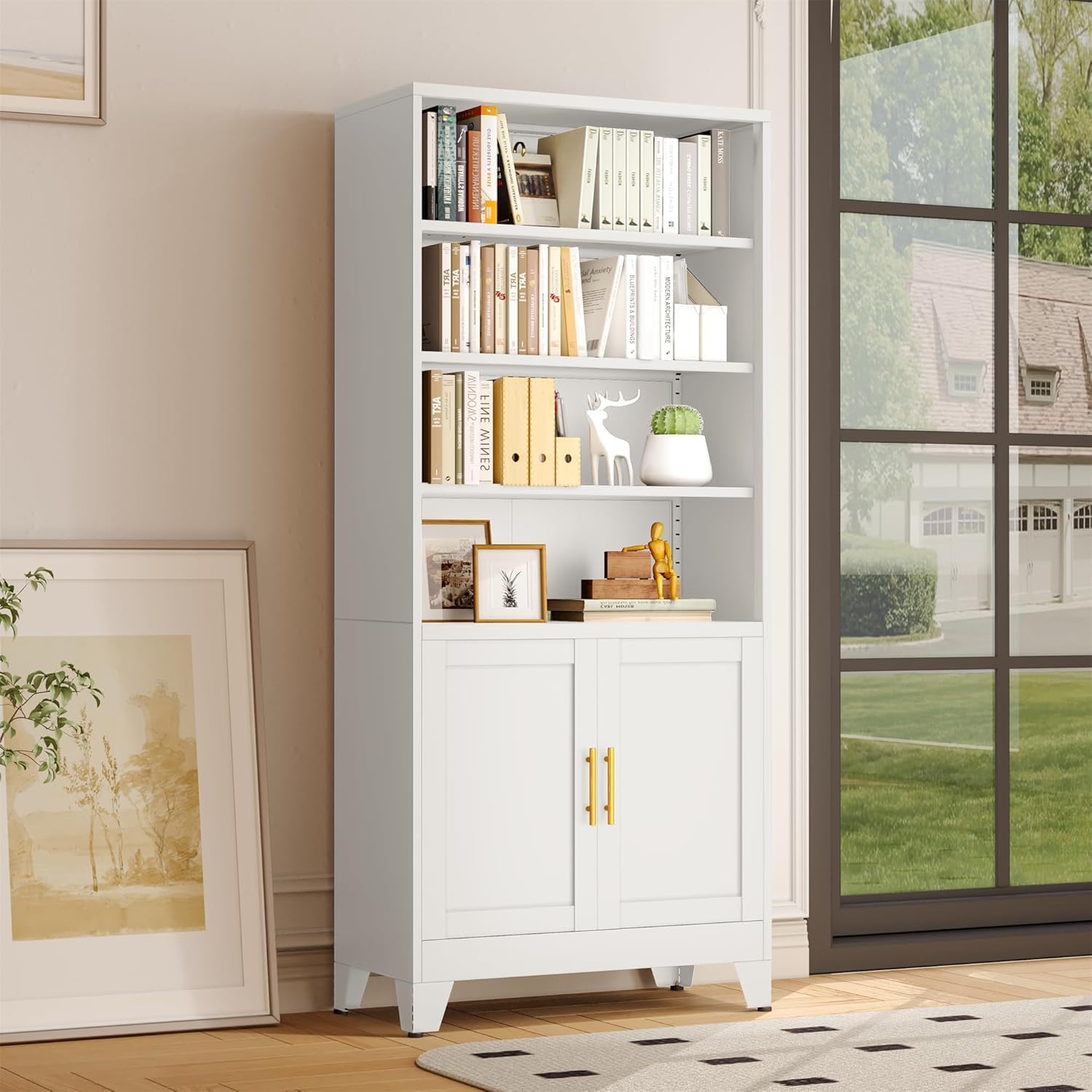
Many bookcases split the difference, with open shelves on top for display and a closed cabinet section at the bottom for storage. This layout keeps everyday books within easy reach while hiding items you rarely use. The lower cabinet is also the safest place for heavy stacks, since weight near the floor keeps the unit stable. If your room is tight, compare this layout with the options in our guide to the best bookshelf for small spaces, since a narrower combination unit often fits where a wider bookcase cannot.
Key Features to Compare
Size and Form Factor
Start with the wall space you actually have, then measure height, width, and depth before you fall for a style. Common heights run from about 30 inches for short units to about 72 inches or more for tall ones, and depth usually falls between 12 and 16 inches. Leave a little clearance above the unit so doors and your hands have room to work. In tight corners, a dedicated corner unit uses space a straight bookcase wastes, and our guide to the best corner bookshelf explains how those angled designs fit. Always check that the assembled size fits through your doorway.
Adjustable Shelves and Weight Capacity
Adjustable shelves let you fit tall art books on one level and paperbacks on another, so look for shelf pins with holes spaced about an inch apart along the sides. Fixed shelves are stronger but far less flexible. Weight capacity matters more than most buyers expect, because a full shelf of hardcovers can weigh 30 to 50 pounds. Check the rating per shelf rather than the total for the whole unit, and favor thicker shelves, since thin boards sag over time. If a maker lists no capacity at all, treat that silence as a warning sign.
Door Style and Hardware Quality
Doors hang on simple butt hinges, concealed European style hinges, or sliding tracks, and the hardware decides how the bookcase feels after a year of daily use. Concealed hinges often adjust in several directions, which helps you fix a door that starts to sag or rub. Soft close hinges cost a little more and prevent the slam that loosens screws over time. Open and close each door during setup and check the gaps, since even gaps show careful construction, while uneven gaps hint at a frame that is already out of square.
Materials and Build Quality
Solid wood is the strongest and longest lasting option, and it can be sanded and refinished years later, but it is heavy and usually the most expensive. Engineered wood with a real wood veneer looks similar for less money, though edges can chip if they take a hard knock. Laminate covered particle board sits at the budget end and handles light loads fine, yet it resists repair once damaged. Whatever the material, the back panel tells a story, since a thin, flimsy back lets the unit rack sideways, while a thicker back that screws into the frame adds real stiffness.
Assembly and Wall Anchoring
Most bookcases with doors arrive flat packed, and assembly usually takes one to two hours with a second person helping to hold doors during hinge fitting. Clear instructions and labeled parts save real frustration, so favor makers who publish the manual online before you buy. For a walkthrough of the general process, our guide on how to assemble a bookshelf covers the tools and steps in order. Every tall unit should include a wall anchor strap, so fit it by the maker's instructions, because a loaded bookcase can tip forward.
How Much Should You Spend?
Budget units at about $100 to $200 are usually laminate covered engineered wood with basic hinges, and they suit light loads and first apartments. The middle range, about $200 to $400, brings thicker shelves, better veneer, soft close hardware, and higher weight ratings, which is where most buyers get the best balance of price and durability. Above about $400, you pay for solid wood, tempered glass, and finer joinery. Spending more on hardware and shelf thickness pays off daily, while decorative trim adds cost without adding strength, so put your money into structure first.
Do You Really Need Doors on a Bookshelf?
Doors earn their keep when dust, sunlight, pets, or visual clutter are real problems in the room where the bookcase will stand. They also make sense for valuable or fragile items, such as first editions, photo albums, and electronics you want shielded from light and curious hands. Open shelves still win on price and easy access, and they suit readers who rearrange often and dust without minding it. A rotating design is another alternative for tight rooms, and our guide to the best rotating bookshelf shows how those units trade door protection for a small footprint.
Common Mistakes to Avoid
- Measuring the wall but forgetting door swing, so a door ends up blocked by a sofa or a nearby wall.
- Loading every shelf to the top without checking the per shelf weight rating, which leads to sagging boards.
- Skipping the wall anchor because the unit feels steady on day one, even though a full load shifts its balance forward.
- Choosing glass doors for a playroom, where fingerprints quickly become a daily annoyance.
- Buying a unit too deep for the room, so it crowds walkways.
- Ignoring interior shelf height, then finding that tall books only fit lying flat.
Care and Maintenance
Tighten hinge and shelf pin screws about twice a year, because doors work their fasteners loose with daily opening and closing. Keep the unit level on uneven floors with shims or adjustable feet, since a leaning frame makes doors rub and gaps widen. Dust the interior with doors open on a dry day, and leave them open for an hour afterward so any trapped moisture escapes. For deeper cleaning steps that protect paper and bindings, see our guide on how to clean a bookshelf.
FAQ
Is a bookshelf with doors worth it compared with open shelves?
For most homes, yes, because doors cut dusting dramatically and hide the mixed storage that makes open shelves look messy. You give up instant access and pay more than a similar open unit, so the tradeoff favors doors when the bookcase stands in a living area or a dusty room. In a dedicated library where you browse daily and enjoy seeing every spine, open shelves may suit you better.
How long does a bookshelf with doors last?
A solid wood bookcase can serve for decades, and quality engineered wood usually lasts about 10 to 15 years with normal loads. Hinges wear first, and most can be replaced with a screwdriver when a door starts to droop. Lifespan drops fast when shelves are overloaded or the unit stands in a damp room, because moisture swells engineered panels and weakens joints. Keep loads honest and the room dry, and even a midrange unit should outlast several moves.
Can a bookshelf with doors work in a small room?
Yes, if you choose a narrow or short unit and think about door swing before ordering. Sliding doors and bifold doors need no swing clearance, which makes them smart picks for tight hallways and small bedrooms. Vertical space helps too, since a tall, slim bookcase stores more without eating floor area. Light colored finishes and glass doors also keep a small room from feeling closed in, because they reflect light.
Do doors protect books from sunlight damage?
Solid doors block light completely, so spines and page edges behind them keep their color far longer than books on open shelves near a window. Glass doors vary, because plain glass lets most light through, while tinted or frosted glass reduces it somewhat. If fading is your main worry and the bookcase must sit in a sunny spot, solid doors are the safer choice.
How do you clean the glass on bookshelf doors?
Spray glass cleaner onto a soft cloth rather than directly on the door, so liquid does not run into the frame joints and swell the wood. Wipe in slow circles, then buff with a dry cloth to prevent streaks. Clean the glass after dusting the shelves, since dusting first keeps grit off the cloth. For wooden frames around the glass, a barely damp cloth is enough, and you should dry the frame right away.
Final Thoughts
The right choice comes down to your room, your load, and how much dust and clutter you want hidden. Match the door style to your habits, insist on solid hardware and honest weight ratings, and anchor the unit to the wall. Do that, and the best bookshelf with doors for your home will keep books cleaner and rooms calmer for years. Use the product table near the top to compare layouts before you order, and measure your space once more before checkout.