Best Bookshelves for Small Spaces (2026): Shapes, Sizing and Buying Tips
Disclosure: We may earn a commission when you buy through links on this page, at no extra cost to you. As an Amazon Associate I earn from qualifying purchases. Learn more

Height, shallow depth and the right shape keep floors clear. Here is how to choose the best bookshelf for small spaces.
A small room punishes every wasted inch. A bookcase that sits too deep eats into walking space, and one that runs too wide can block doors, vents and outlets. The right design works upward instead of outward, so your books rise along the wall while the floor stays clear. When you shop for the best bookshelf for small spaces, the comparison table below lets you weigh footprint, height and shelf spacing side by side.
This guide puts fit first. You will learn which shapes suit tight rooms, how much weight a shelf should hold, and which extras actually earn their cost. If floor space is not your main limit, our broader guide to the best bookshelf covers standard sizes and wider designs.




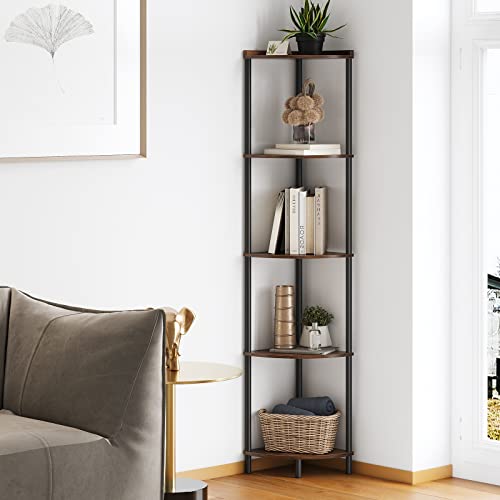

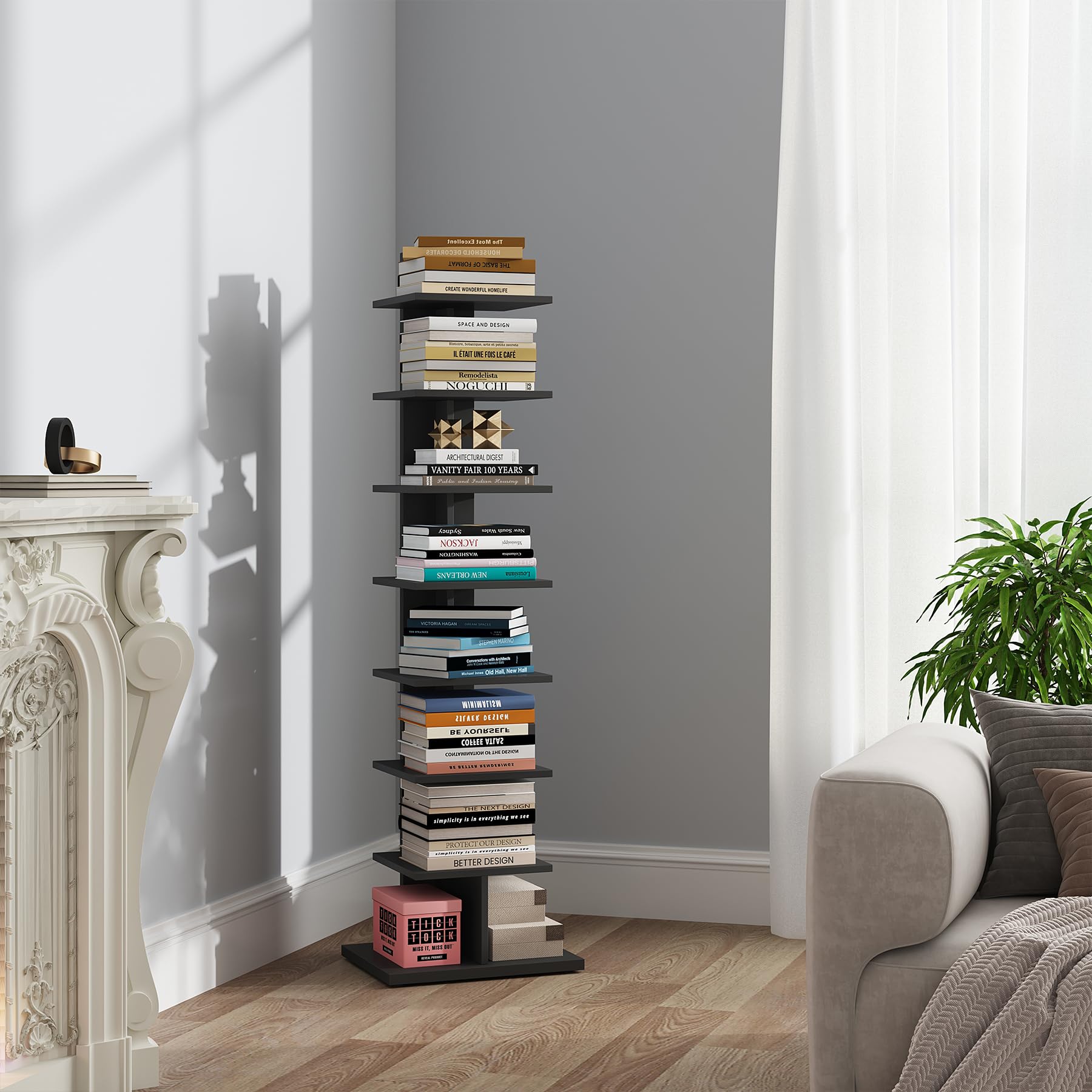
Types Compared: Shapes That Suit a Small Footprint
Small space bookcases differ mostly in shape, and shape decides how much floor you lose and how your books fit. Four shapes cover nearly every tight room.
Tall and Narrow Shelves
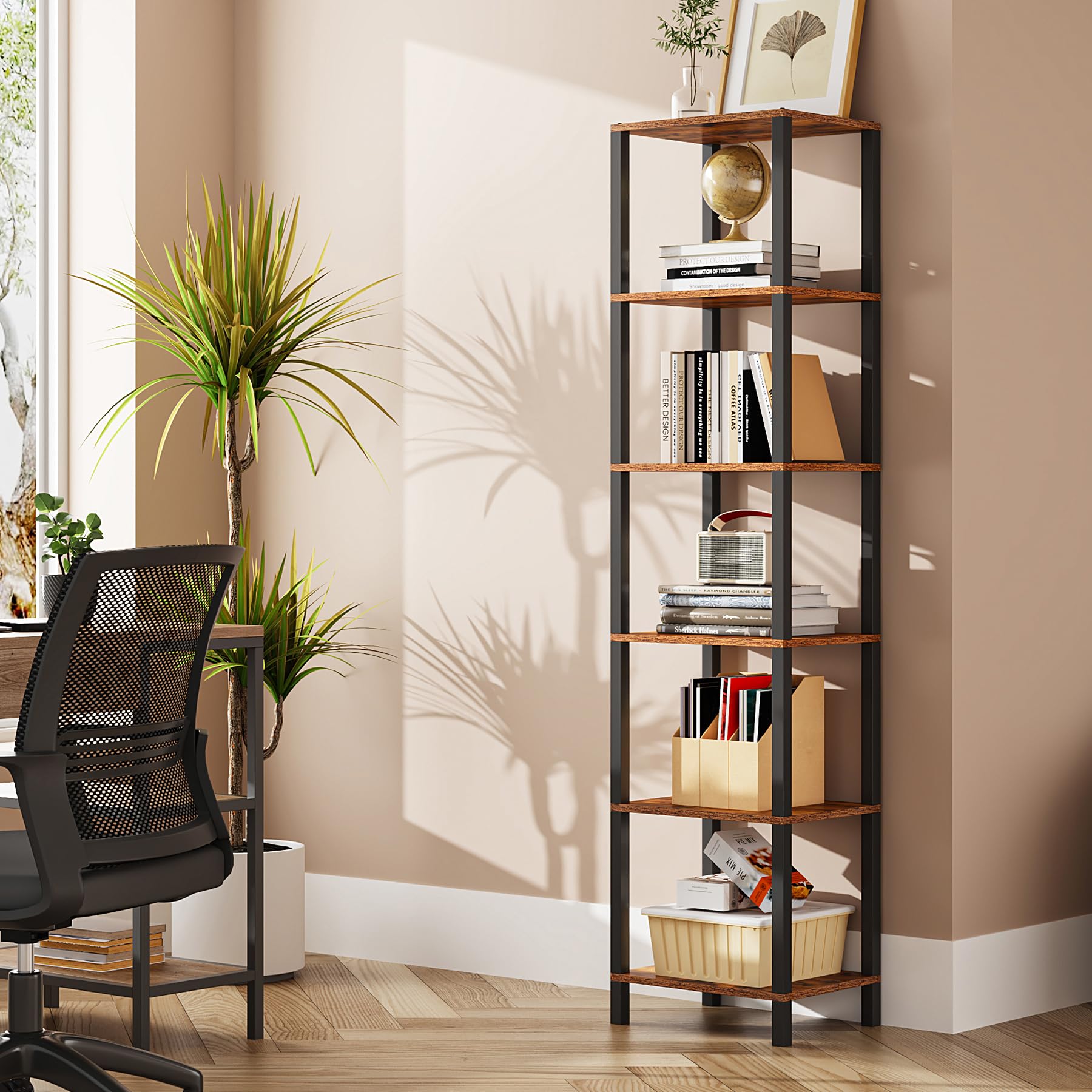
A tall, narrow unit is the classic answer for tight rooms. Widths around 16 to 24 inches slip beside a desk, a sofa arm or a bedroom door, while heights of 60 to 84 inches stack five or six shelves into that slim column. Depths of 10 to 12 inches hold most novels without jutting into the walkway. The compromise is stability: a tall column on a small base needs a wall anchor, and the top shelves suit lighter items you reach for less often.
Ladder Shelves
A ladder shelf leans back against the wall, with shelves that grow deeper toward the floor. The bottom shelf may hold large art books or storage baskets, while the shallow top shelves suit paperbacks, plants and small decor. This shape feels light in a room because the frame is open and the top stays narrow. Capacity is modest, though, since the upper shelves carry little weight. Pick a ladder shelf when you want storage that reads as decor and your collection is mostly light.
Cube and Modular Units
Cube units divide storage into square compartments you can stack, turn sideways or split across two walls. A single column of cubes works in a corner, and a low row can double as a bench base or a TV stand in a studio. Because each cube supports its neighbors, these units feel sturdy for their size, and boxes made for cube openings hide clutter neatly. Clean lined cube designs also suit pared back rooms, and our guide to the best modern bookshelf shows that style direction in larger formats.
Corner and Rotating Designs
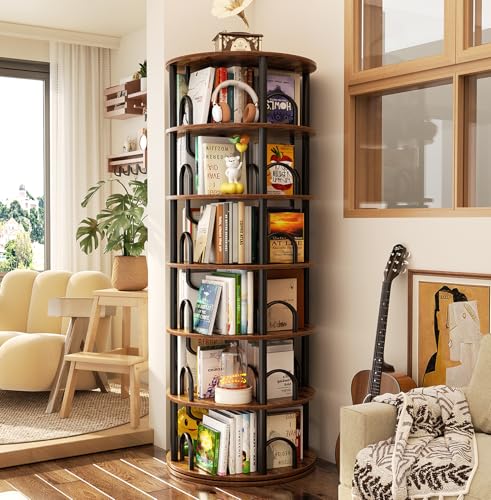
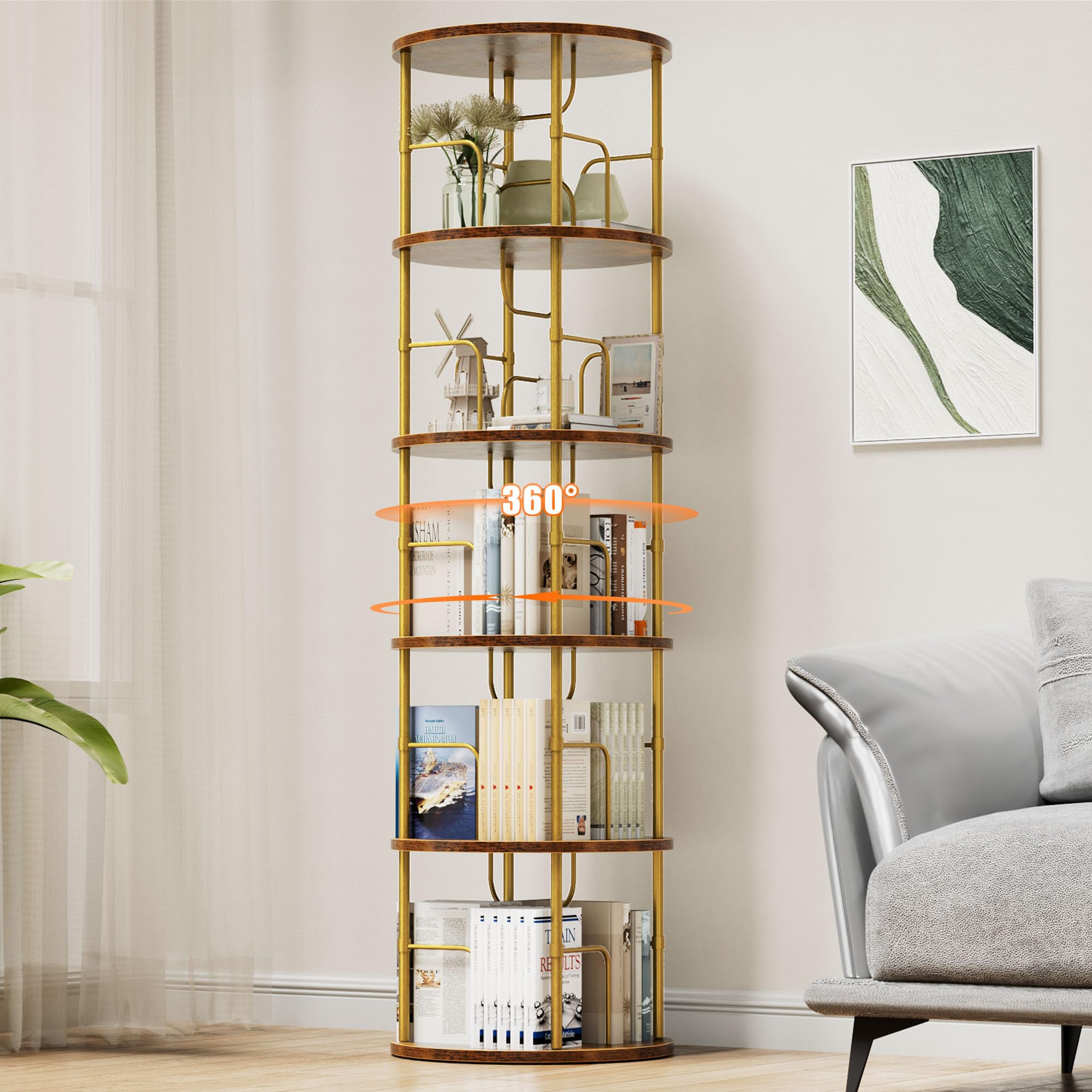
Corners are dead space, and a corner unit turns that wedge into shelving without touching your main walls; our guide to the best corner bookshelf covers that shape. A rotating bookcase takes a different approach: books load on two or more sides of a square tower that spins in place, so a footprint of about 16 inches square can hold a surprising number of volumes. Our guide to the best rotating bookshelf explains how that spin mechanism affects capacity. Rotation needs clear floor on every side, and heavy loads should sit low.
What We Looked For When Comparing
We compared each shape on the same points: floor footprint, shelf spacing and adjustability, stated weight capacity per shelf, frame and shelf materials, assembly demands and warranty coverage. Dimensions and capacities come from manufacturer listings, and we favored shapes that store the most books per square foot of floor.
How to Choose the Right Bookshelf for Small Spaces
Measure the Footprint First
Measure the exact spot before you browse: width between obstacles, depth from the wall, and ceiling height where the unit will stand. Mark the footprint on the floor with painter tape and live with it for a day, opening nearby doors and drawers to check for collisions. Baseboards push a shelf an inch or so off the wall, and that gap matters for anchoring. Leave a little air around the unit as well, since a shelf crammed against other furniture makes a small room feel smaller.
Shelf Count and Spacing
Count your books by height before you count shelves. Most novels and paperbacks stand 8 to 11 inches tall, so shelf spacing of about 10 to 12 inches fits them without wasted air above the spines. A five shelf unit in a small footprint usually gives three full height shelves plus shorter ones near the top, while a three shelf unit trades capacity for a lower profile under a window. If your collection mixes tall cookbooks with short fiction, look for at least one shelf gap of 13 inches or more.
Weight Capacity per Shelf
Books are heavier than they look, and a full shelf of hardcovers can strain a long span. Check the rating for a single shelf, not just the total for the whole unit, since one overloaded shelf is what sags or cracks. Solid wood and metal framed shelves carry more across a wide span, while thin engineered wood shelves do better at shorter spans. In a small unit the spans are naturally short, which works in your favor.
Adjustability
Shelves that move on support pins let you change spacing as your collection changes, which matters when one unit must serve for years in a room you cannot expand. Fixed shelves are simpler and often sturdier, but they lock you into the spacing the maker chose. A good middle ground is a unit with two or three movable shelves and the rest fixed for strength. Storage boxes, a printer or board games each demand a taller gap than books do, and adjustability is what makes that possible.
Materials and Durability
Solid wood costs more but resists sagging and can be refinished when the finish wears. Plywood with real wood veneer offers much of that strength at a lower price. Engineered wood with a laminate surface is the budget staple: it looks tidy and wipes clean, but edges can chip and panels swell if water sits on them. Powder coated metal frames shrug off bumps, though thin metal shelves can flex under a full row of hardcovers. In a small room you pass close to the furniture daily, so rounded corners age better.
Doors, Drawers and Extras
Doors hide clutter and keep dust off books, which helps in a studio where the shelf sits in full view all day. Glass doors show your spines while still blocking dust, but they add weight and cost. A small drawer or two swallows remotes, chargers and reading glasses that otherwise colonize your surfaces. Built in lights look inviting, yet they rarely help you read the spines, so treat them as a luxury.
Assembly and Warranty
Most small bookcases arrive flat packed, and assembly in a tight room is easier if you build the unit near its final spot rather than carrying it in finished. Check whether a wall anchor strap is included in the box. Our step by step guide on how to assemble a bookshelf walks through the process if this is your first build. For warranty, one year of coverage is common at lower prices, and longer coverage with spare parts available is a good sign the maker expects the unit to last.
How Much Should You Spend?
At about $50 or less, expect simple engineered wood units with fixed shelves and modest capacity, fine for paperbacks and light decor. Between about $50 to $100, shelves get taller, finishes improve and adjustable shelves appear. From about $100 to $200 you gain sturdier frames, better hardware and designs like rotating towers or solid corner units. Above about $200 to $300, solid wood and refined finishes enter the picture. Paying for the right footprint beats paying for size: a shelf that fits perfectly serves you better than a larger bargain you must angle awkwardly into the room.
What Matters Most in a Bookshelf for Small Spaces
The modifier here is the whole point: a small space changes what good storage means. Vertical storage matters most, since height is the one dimension a tight room usually has to spare. Shallow depth comes next, because every inch a shelf projects into the room narrows the path you walk dozens of times a day. Visual weight counts too: open frames and light finishes let light reach the floor, so the room reads larger than the same footprint in a dark, solid case.
Flexibility is the quiet fourth factor. A unit that can move from beside the bed to behind a desk adapts when you rearrange or relocate. Compared with wall mounted floating shelves, a freestanding bookcase holds far more per wall section and moves with you when you leave, which renters especially value.
Common Mistakes to Avoid
- Buying by shelf count alone, so you end up with six shelves spaced for paperbacks and no room for your tall cookbooks.
- Skipping the wall anchor on a tall narrow unit, so a small bump or a climbing child can pull the whole column forward.
- Choosing depth for your largest book, so the whole case juts into the walkway for the sake of one oversized volume.
- Filling every shelf completely, so the unit looks crammed and the room feels smaller than before.
- Ignoring the baseboard gap, so the shelf leans and drawers never sit flush.
Care and Maintenance
Dust the shelves with a dry or slightly damp cloth, working from the top shelf down so dust falls to surfaces you have not cleaned yet. Our full routine for how to clean a bookshelf covers finishes that need gentler handling. Every few months, check that the wall anchor is still snug, confirm the shelf pins sit fully in their holes, and tighten any fasteners that have worked loose. Lift the unit rather than dragging it when you move it, since dragging racks the frame and loosens joints.
FAQ
What is the best bookshelf for small spaces?
The best choice is the shape that stores the most books on the least floor in your specific room. For most people that is a tall narrow unit against a blank wall, since height is usually free. If your walls are full, a corner or rotating design uses space nothing else claims. Compare candidates by books stored per square foot of footprint rather than by shelf count.
What should I look for in a bookshelf for small spaces?
Start with dimensions you have verified against your own measurements, then check shelf spacing, per shelf capacity and whether shelves adjust. One point buyers often miss is the delivery path: measure your doorway, hallway turns and any stairwell the flat pack box must pass through. A unit that fits the room perfectly is useless if the box cannot get through the door.
Should I anchor a tall bookshelf to the wall?
Yes, always anchor a tall unit, and treat this as non negotiable in homes with children or pets. Drive the strap or bracket into a wall stud when you can, or use anchors rated for your wall type in plaster or drywall. Keep the heaviest books on the lowest shelves, since a low center of gravity resists tipping. If you rent, ask your landlord about a single small hole; most prefer that to an unsecured shelf.
Can a small bookshelf hold heavy textbooks and art books?
Yes, if you load it with some care. Place the heaviest volumes on the bottom shelf, close to the side panels where support is strongest, and avoid piling weight in the middle of the longest span. Standing heavy books upright also spreads the load better than stacking them flat in one tall pile.
How long does a bookshelf for small spaces last?
A well kept unit should serve for many years: metal and solid wood frames can last decades, while engineered wood shelves often show wear sooner at the edges and shelf surfaces. Lifespan depends more on load and moisture than on age. Persistent sagging, joints that wobble after tightening, or panels swollen from water are signs the unit has reached its limit.
Final Thoughts
Small rooms reward furniture that thinks vertically. Measure your footprint, match shelf spacing to your tallest books, and pick the shape that claims space nothing else uses, whether that is a corner, a slim wall column or a spinning tower. The best bookshelf for small spaces is the one that disappears into your routine: books within reach, floor clear, room calm. Recheck your measurements against the product table above before you order.