Best Bookshelf Under 200 (2026): Types, Capacity and Build
Disclosure: We may earn a commission when you buy through links on this page, at no extra cost to you. As an Amazon Associate I earn from qualifying purchases. Learn more

Type, capacity and material advice for choosing the best bookshelf under 200 dollars, with open, ladder and cube shelves compared.
A budget of $200 sounds generous for a bookshelf, yet plenty of shelves in this price range still wobble, sag, or arrive with hardware that fights you at every step. The good news is that the best bookshelf under 200 dollars is genuinely sturdy if you know which specs separate a lasting piece from a flimsy one. This guide walks you through the main types, the materials that hold up, and the capacity numbers that matter, and the product table below lets you compare real shelves side by side.
Start by measuring your wall space and counting what you plan to store. Those two answers narrow the field fast, and the sections below help you spend the rest of your budget on build quality instead of decoration you do not need. If you want the broader picture first, our guide to the best bookshelf options at every price is a useful companion read.

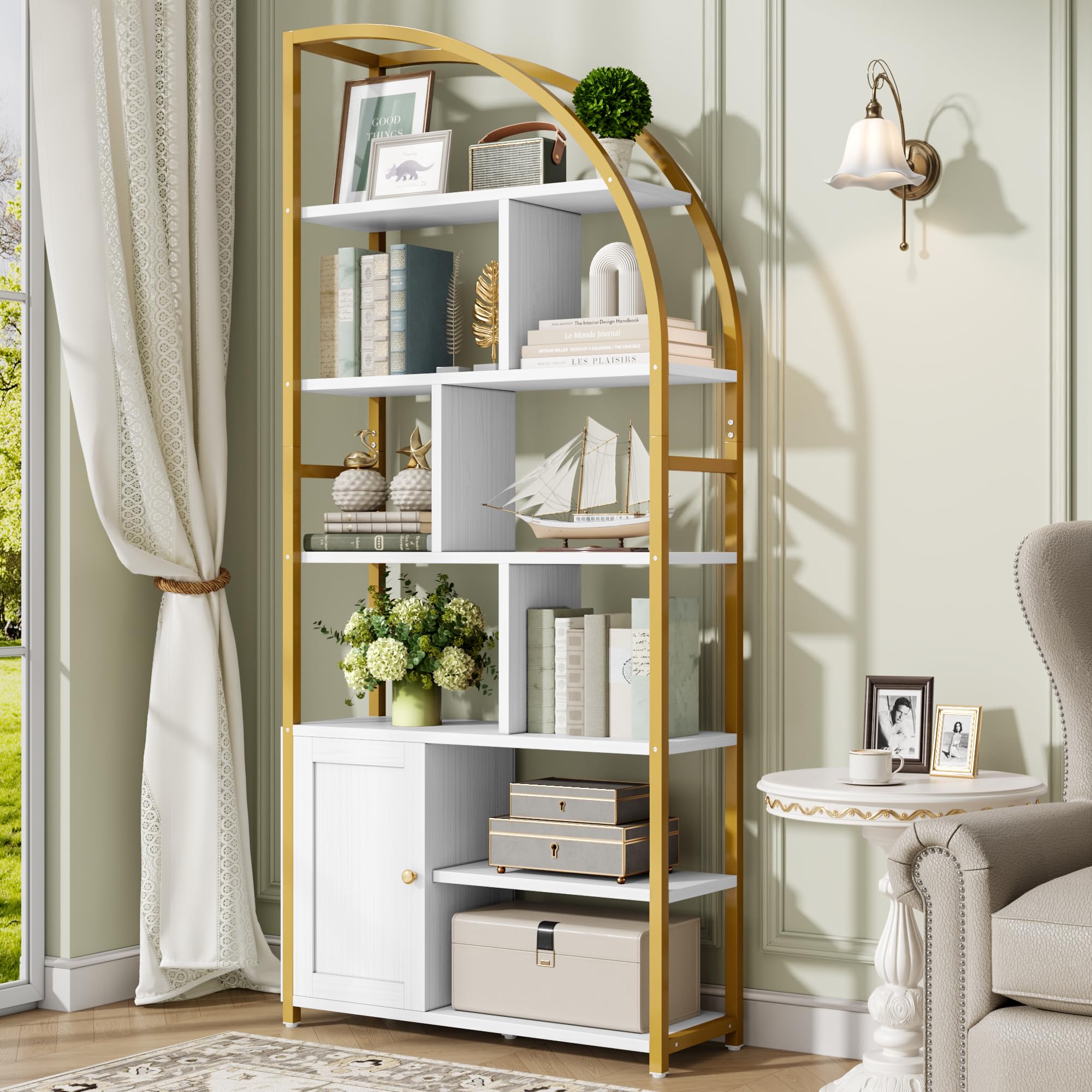
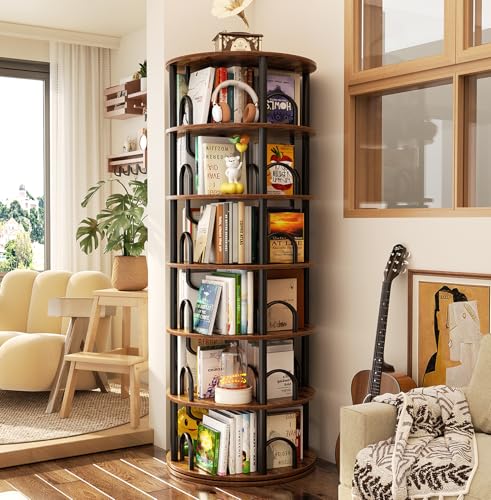

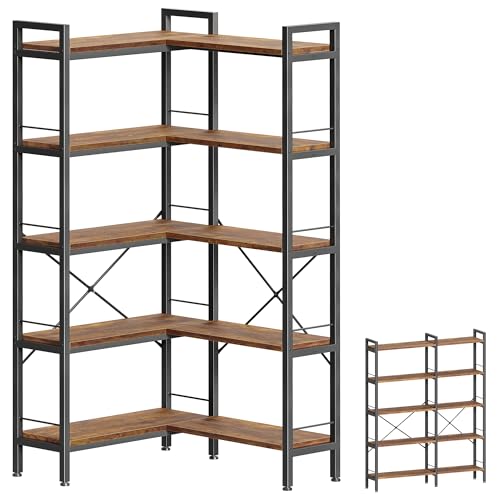


Bookshelf Types You Can Get Under $200
Under $200 you are choosing among three broad types, and each one suits a different room and a different kind of collection. Knowing which type fits your space matters more than any single feature, because a shelf that fights your layout will annoy you long after the price is forgotten.
Standard Open Shelf Bookcases
The classic upright bookcase with three to five fixed or adjustable shelves is the most common shape at this price, and it stores the most books per dollar. Tall versions around 60 to 72 inches use vertical space well in living rooms and home offices. The open front keeps every spine visible and easy to grab. Choose this type when your collection is mostly books and you want the simplest, most flexible layout.
Ladder Shelves
Ladder shelves lean against the wall and grow narrower toward the top, with deep shelves at the bottom and shallow ones above. That shape suits a mix of books, plants, and decor, and the sloped profile feels lighter in a small room than a full bookcase. The trade off is storage: the top shelves hold paperbacks and small items only, and the total book capacity is lower than a standard bookcase of the same footprint.
Cube Storage Shelves
Cube shelves divide storage into square compartments, often in grids of four, six, or eight cubes. They work well for mixed storage because fabric bins can hide clutter in some cubes while books and objects stay on display in others. A low cube unit can also sit under a window or double as a room divider. Check the inside dimensions of each cube before buying, since oversized art books and tall hardcovers may not fit.
What Matters Most at This Price
Judge every shelf on the same factors: build quality and materials, size and stated weight capacity, how adjustable the shelves are, how involved assembly is, and what the warranty covers. Maker specifications and the patterns that show up again and again in verified buyer feedback, such as shelves sagging under heavy rows or cam locks loosening over time, show how a shelf ages. A pretty finish cannot rescue weak panels, so treat the criteria below as your checklist when you compare listings.
How to Choose the Right Bookshelf
Size and Form Factor
Measure the width, depth, and height of your space before you look at a single listing, and leave a little clearance on each side so the unit slides in without a fight. Depths of about 10 to 12 inches suit most books, while deeper shelves waste floor space and let rows drift back out of sight. Narrow units around 24 inches wide fit hallways and small bedrooms, and wide units near 48 inches anchor a living room wall. If your floor space is tight, a tall narrow shelf or one of the best bookshelf for small spaces designs will serve you better than a wide low one.
Type and Style
Beyond the three types above, you will see corner units that turn dead space into storage, rotating shelves that spin to reach every side, and barrister style cases with glass doors that lift and slide back. A best corner bookshelf pick makes sense when wall runs are short but the corner sits empty. Style words like modern, industrial, or rustic describe the finish and frame more than the structure, so judge the frame and panels first and the look second.
Features Worth Paying For
A few features genuinely earn their cost under $200. Adjustable shelves top the list, since collections mix tall and short books. Doors hide clutter and slow dust, drawers suit small items you reach for daily, and glass doors protect nicer editions while keeping them visible. Built in lights look appealing but matter mostly for display pieces, and they add wiring and cost that a book focused buyer can skip. Spend on the features that match how you actually use the shelf.
Weight Capacity
Books are heavier than most people expect. A full row of hardcovers can weigh 20 to 30 pounds per shelf, and large reference books weigh more. Look for a stated capacity per shelf, not just a total for the whole unit, and keep a margin between the rating and your real load. Shelves that bow in the middle are telling you the load is too much or the panel is too thin, and moving heavy rows to the bottom shelves lowers the center of gravity and keeps the unit steadier.
Adjustable Shelves
Adjustability decides whether odd sizes fit without wasted inches. Shelves that move in small increments, held by metal pins in drilled holes, let you set one tall bay for atlases and tighter bays for paperbacks. Fixed shelves are stronger and cheaper, and they are fine if your collection is uniform. A good compromise at this price is a unit with one or two fixed shelves for structure and the rest adjustable, which is the layout most listings in this range follow.
Materials and Durability
Most shelves under $200 use engineered wood panels, sometimes paired with a metal frame, while solid wood appears mainly in smaller units at the top of the budget. Engineered wood is not automatically weak: thicker panels with a well bonded finish resist sagging and peeling far better than thin panels with a paper thin surface. Metal frames add stiffness and a slimmer profile. Whatever the material, check that the back panel adds rigidity instead of being a flimsy sheet that lets the whole unit rack side to side.
Assembly and Warranty
Nearly every bookshelf at this price arrives flat packed, so plan on 30 to 90 minutes of assembly with basic tools. Clear instructions, labeled parts, and spare hardware in the box are small details that predict a calmer build, and our walkthrough on how to assemble a bookshelf covers the order of steps that keeps panels square. Always fit the included wall anchor strap, especially in homes with kids or pets. Warranties at this price often run one year on parts, and a brand that sells replacement hardware is a quiet sign of support.
How Much Should You Spend?
Under $50 usually buys a small three shelf unit with thin panels, fine for a dorm or a light paperback collection. Around $100 to $150 is where sturdier five shelf bookcases and better finishes appear, and this is the range most buyers should target. Closer to $200 you gain thicker panels, more adjustable shelves, doors or drawers, and taller or wider formats. Spending past $200 mainly buys solid wood and furniture grade construction, which is lovely but not required for a shelf that simply holds books well.
What You Get (and Give Up) Under $200
At this budget you can expect a stable, good looking shelf that holds a real collection without sagging, as long as you pick thicker panels and anchor it to the wall. Adjustable shelves, decent hardware, and finishes that survive normal cleaning are all realistic. What you give up is mostly material luxury: solid hardwood frames, soft close doors, and joinery built to be handed down. You also give up some size, since very wide or extra tall units in solid materials sit above this range. For most homes, the trade is a fair one, because the daily experience of a well chosen $150 shelf is close to that of a far pricier piece.
FAQ
What is the best bookshelf under $200 for a heavy book collection?
For heavy collections, choose a standard bookcase with the thickest panels you can find in budget, a fixed middle shelf for stiffness, and a per shelf rating comfortably above your load. Keep the heaviest rows on the bottom two shelves. A shorter, wider unit also flexes less than a very tall one, and a metal frame design adds rigidity if your collection leans toward large reference volumes.
Can you get a good bookshelf for under $200?
Yes, as long as your expectations match the materials. In this range you get engineered wood or metal framed shelves that handle everyday loads well and look clean doing it. The listings to avoid are the ones with vague capacity numbers, no wall anchor included, and reviews that mention missing hardware. A clear spec sheet and a stated warranty are better signs of quality than styled photos.
How long does a bookshelf under $200 last?
A well built unit in this range commonly serves for many years of normal use, and its lifespan depends mostly on load and moisture. Panels swell if water sits on them, and shelves sag early when they are loaded past their rating from day one. Keeping loads sensible, tightening hardware once a year, and placing the unit away from steamy bathrooms or damp basements all stretch its working life considerably.
Is a bookshelf under $200 worth it compared with a cheaper one?
For most buyers, yes, because the step up from the cheapest tier buys thicker panels, adjustable shelves, and hardware that stays tight. A very cheap shelf that sags within a year costs more in the end than one solid purchase. The exception is temporary housing, where a light and inexpensive unit you plan to leave behind can be the smarter spend. Match the purchase to how long you expect to keep it.
How do you clean a bookshelf without damaging the finish?
Dust shelves with a dry or slightly damp cloth, working from the top down so dust does not land on rows you already cleaned. Wipe spills right away, since standing moisture is what lifts and bubbles common finishes, and avoid soaking the edges where panels meet. Our step by step guide on how to clean a bookshelf covers safe cleaners for wood, metal, and glass parts in more detail.
What makes a bookshelf brand reliable at this price?
Reliability shows up in the details rather than the name. Look for clear capacity ratings, consistent quality in recent buyer feedback, replacement parts that are easy to order, and a warranty the company actually honors. Brands that publish full dimensions and panel thickness make it easier to compare honestly. A slightly plain listing with complete specs is usually a safer buy than a glossy one that hides them.
Final Thoughts
The right shelf starts with your space and your collection, not with a sale price. Measure first, pick the type that fits your room, favor thick panels and honest capacity ratings, and anchor the finished unit to the wall. Do that, and the best bookshelf under 200 dollars for your home will hold your books quietly for years. Before you order, glance back at the product table near the top to confirm the size and shelf count you settled on, then check the listing for the wall anchor and spare hardware in the box.