Best Bookshelf Speakers Ever: How to Judge a Legend Before You Buy for 2026
Disclosure: We may earn a commission when you buy through links on this page, at no extra cost to you. As an Amazon Associate I earn from qualifying purchases. Learn more

What makes the best bookshelf speakers ever? Look at accuracy, build and longevity, then choose a modern pair that carries those traits into your room.
Every hi-fi forum has a thread arguing over the best bookshelf speakers ever, and the argument never ends because everyone defines "best" differently. One listener means the most accurate pair, another means the best value, another means the model they still own after twenty years. This guide gives you a way to judge those claims for yourself.
Instead of crowning a single winner, we break "ever" into measurable traits. Use them to read the product table, and you can tell a genuine contender from a pair that is simply famous.


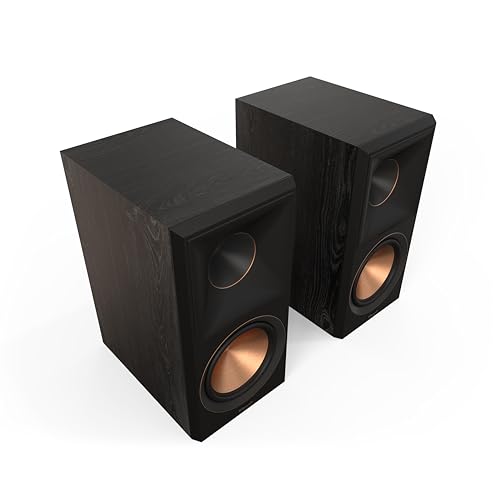

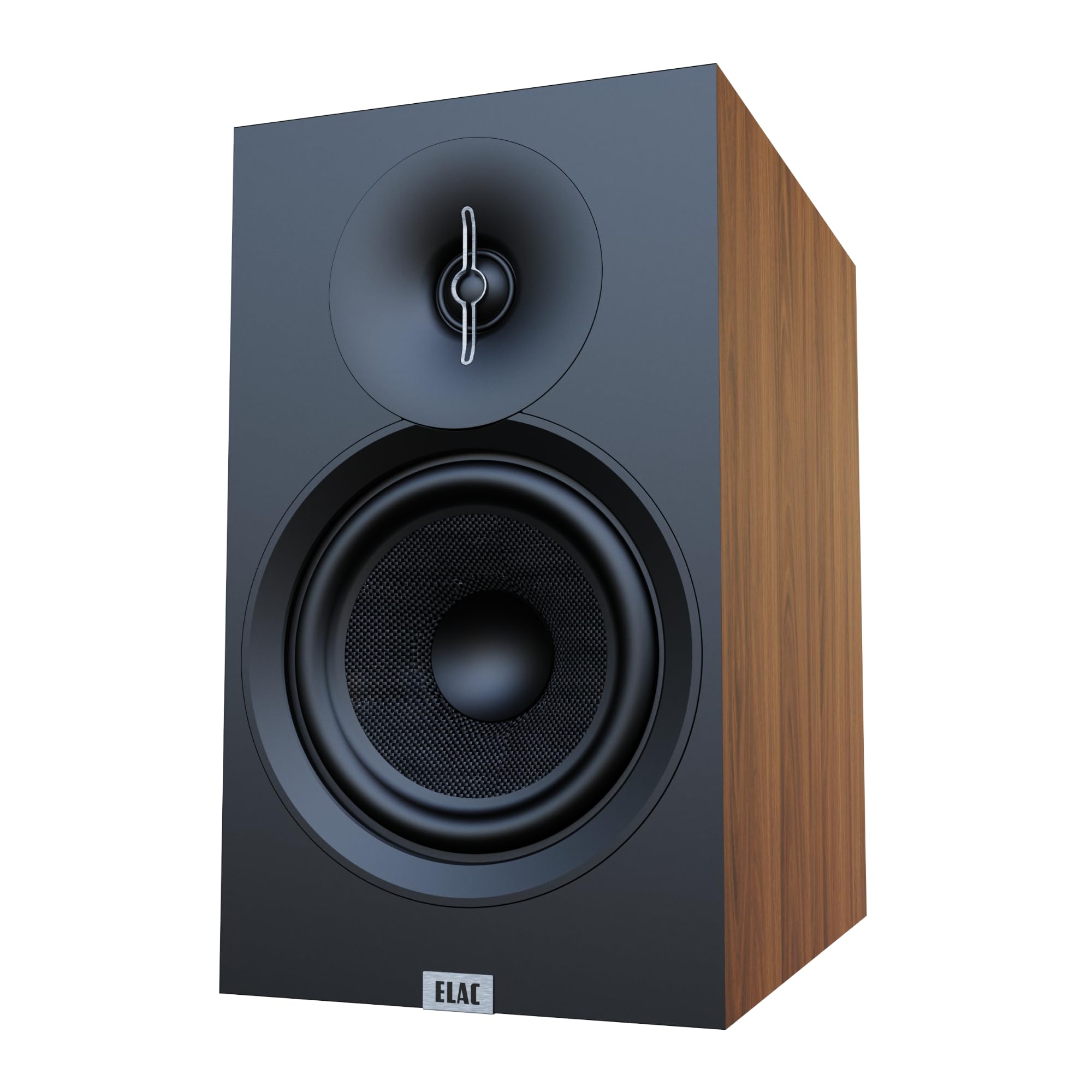
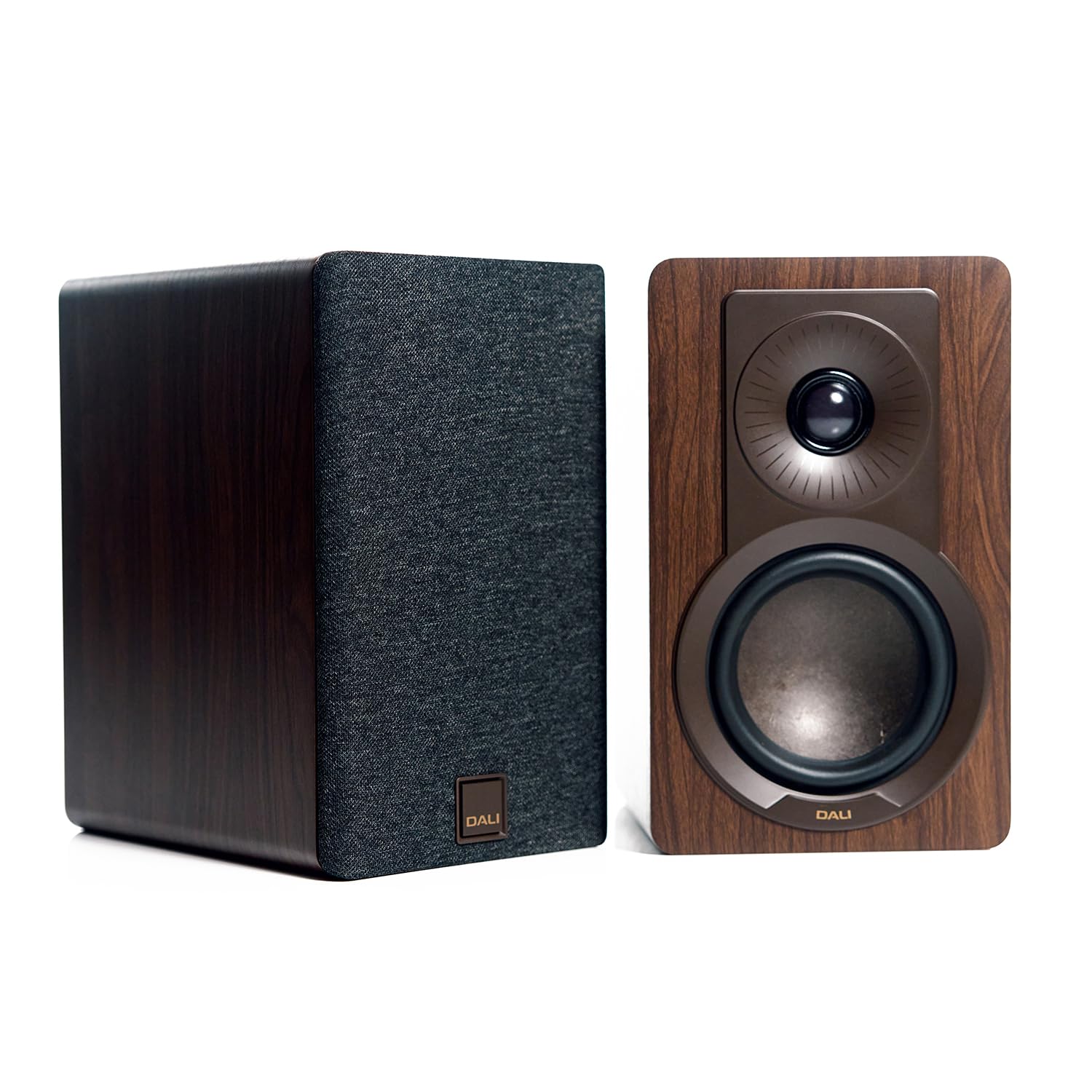


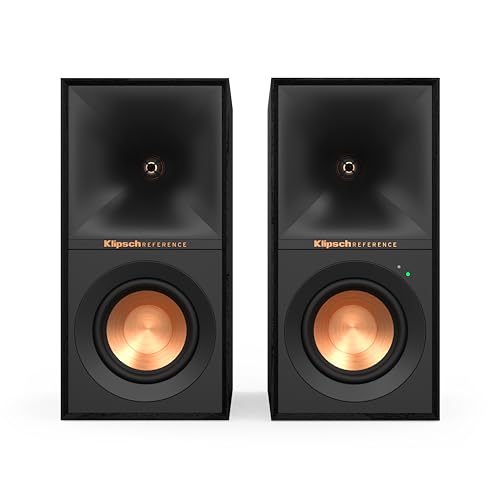
What "Best Ever" Really Means
When people call a speaker one of the greats, they usually mean one of four things. The first is accuracy: it reproduces recordings without adding its own flavor. The second is value: it sounds far better than its price suggests. The third is influence: it set a design standard other makers copied. The fourth is endurance: it is still wanted long after release.
Decide which meaning matters to you before reading any ranking. A reviewer chasing accuracy and a buyer chasing value will never agree, and neither is wrong.
The Traits Shared by Lasting Designs
A rigid, well braced cabinet
A speaker that resonates adds a hollow coloration to every note. Great compact designs use thick panels, internal bracing and sensible shapes so the cabinet stays quiet and the drivers do the work.
Drivers that cooperate
The tweeter and woofer must hand over smoothly where their ranges meet. Designs that manage this give voices a natural, continuous quality instead of two sounds stitched together.
Predictable behavior in a room
Legendary pairs tend to sound good in many rooms, not just in the maker's showroom. They tolerate placement mistakes better, which is why they earn loyal owners.
Classic Character Versus Modern Engineering
Older favorites are loved for warmth and a relaxed, musical balance. Modern designs often add better tweeter materials, tighter tolerances and computer aided cabinet design, which can improve clarity and imaging. Neither era owns greatness.
If you love the vintage feel, look for newer pairs that favor a gentle, smooth treble. If you want precision, favor designs described with wide, even dispersion and low coloration. The pairs in the product table cover both temperaments, from a refined reference model to dependable budget classics.
Choosing a Pair That Deserves the Title
Use a short filter. Check that the maker has a long record of supporting its products, with replacement parts and clear manuals. Look at how long a model has stayed in production, since a design that remains on sale for many years usually has few real flaws. Read owner comments for patterns, such as the same praise for midrange clarity repeated across hundreds of buyers.
- Pick the character first: warm and easygoing, or neutral and detailed.
- Match the speaker to your amplifier's power and impedance range.
- Plan for stands, since a legend on a cluttered shelf rarely sounds legendary.
Do Not Overpay for the Name
Fame can inflate prices. A well reviewed mid priced pair often delivers ninety percent of a flagship's sound, and the extra cost buys finish, brand cachet or small refinements you may not hear. Decide how much those refinements are worth in your room before stretching the budget.
It also helps to read about how the same speakers fare in common situations. Our guide to best bookshelf speakers ever made covers the classics beginners ask about most.
Setup Tips That Unlock the Reputation
Solid stands, a little distance from the walls and an equal triangle to your seat matter more than any upgrade. Give new speakers several weeks of regular playing so the drivers settle, then judge them. Switching amplifiers or cables in the first days only confuses what you are hearing.
Reading Reviews Without Being Misled
Reviews are useful when you know how to read them. Measurements describe how a speaker behaves on a bench, while listening notes describe how it felt in one room. Look for agreement between the two. When several independent sources praise the same trait, such as a smooth midrange or tidy bass, it is likely real. When praise is vague and full of superlatives, treat it as marketing.
Owner feedback adds the long view. Comments written after a year or more reveal whether the finish wears, whether a tweeter fails or whether the owner still enjoys the sound. A model that collects steady, specific praise over many years is a better candidate for "ever" than one with a burst of excited early reviews.
A Short Buying Plan
Write down your room size, amplifier and budget. Pick the character you prefer, then shortlist three pairs from the product table. Read about each one's behavior in rooms like yours, check the return policy, and order the one that fits best. Spend the first week listening to music you know well and make small placement changes before judging.
If the pair still does not please you after that, return it without guilt. A speaker earns the title in your room, not on paper, and a good retailer expects you to confirm that.
Care That Keeps a Classic Alive
Great speakers last when they are looked after. Keep them out of direct sun and away from damp walls, dust the cabinets with a dry cloth and check that binding posts stay tight. If the grilles come off, store them carefully, and avoid pushing on the drivers with fingers. Little habits like these keep a pair performing for many years.
Frequently Asked Questions
Is there one best pair for everyone?
No. The right pair depends on your room size, amplifier and taste. A model praised for neutrality may feel cool to someone who prefers warmth.
Are old speakers better than new ones?
Some older designs are wonderful, but age brings worn foam surrounds and drifting crossover parts. A new pair with the same character often gives you the sound without the repair risk.
Do expensive speakers last longer?
Not by price alone. Build quality, driver design and sensible use matter more, and many affordable pairs run reliably for a decade or more.
Should I buy powered or passive?
Choose passive if you already own or plan to upgrade an amplifier. Choose powered for a compact, matched system that needs fewer parts.
Our Take
The best bookshelf speakers ever are not a single model but a set of traits: a quiet cabinet, smooth drivers and friendly behavior in real rooms. Compare the options in the product table above against those traits and your own taste, and you will find a pair that earns a place in your system for a long time.