
Best Boiler Thermostat for 2026: Compatibility and Wiring Guide
Disclosure: We may earn a commission when you buy through links on this page, at no extra cost to you. As an Amazon Associate I earn from qualifying purchases. Learn more

Compare boiler thermostats by boiler compatibility, wiring, scheduling, sensors and safety, with guidance for steam and hot water boiler homes.
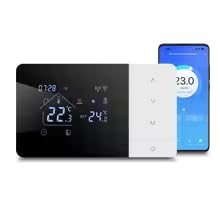
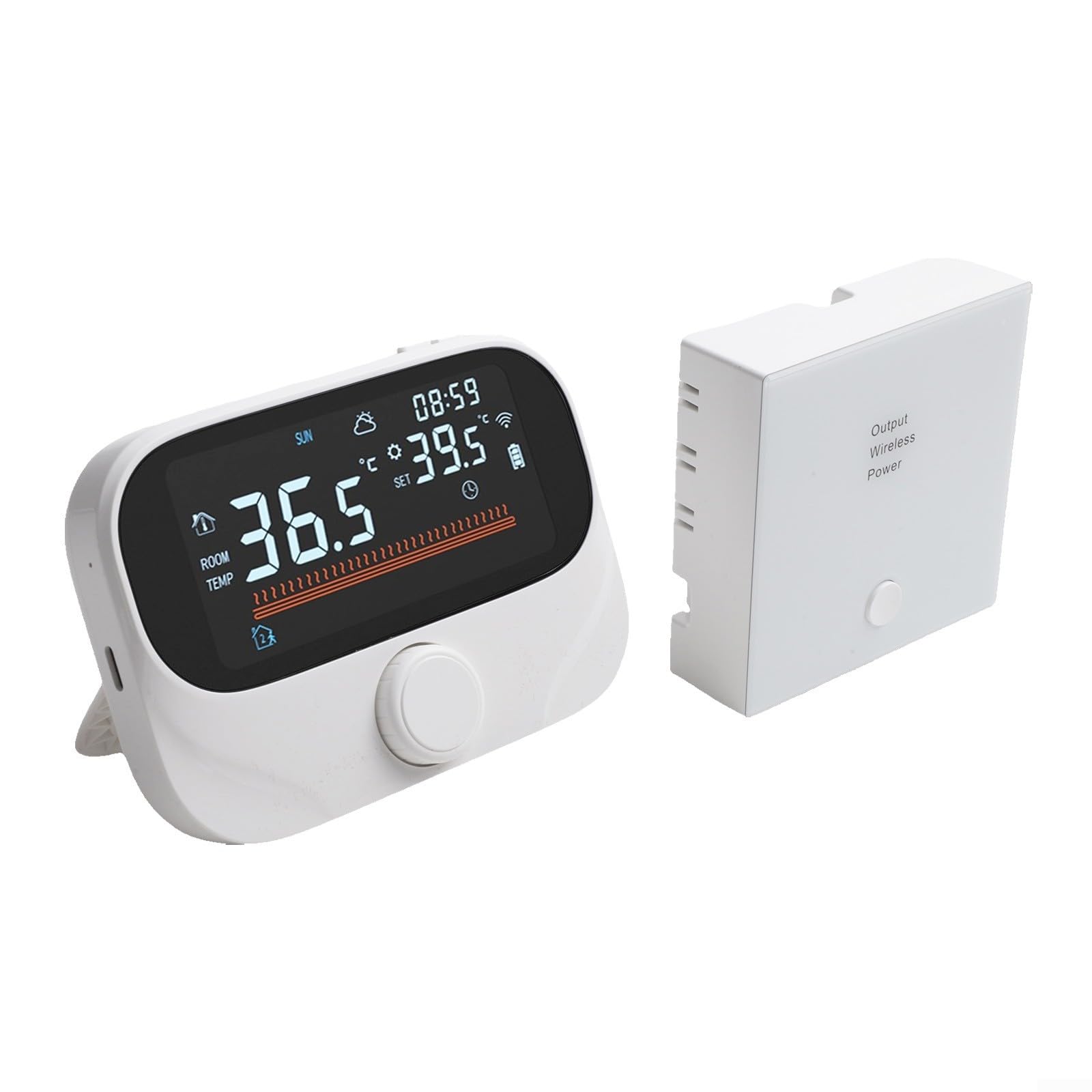
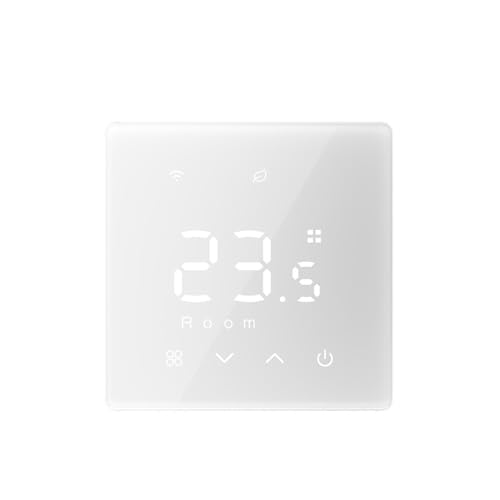
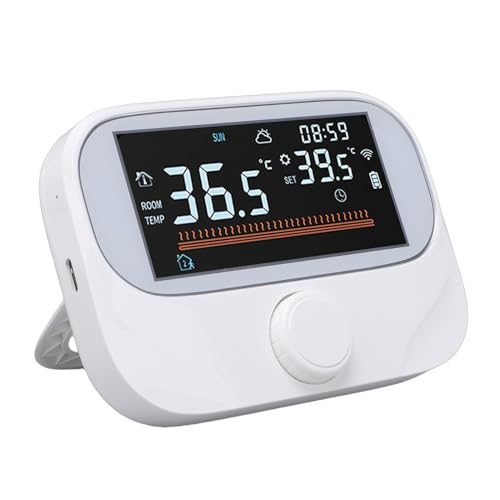
A boiler thermostat has one job: tell the boiler when to fire and when to rest, so rooms stay comfortable without wasted fuel. The best boiler thermostat for your home depends on the type of boiler, the wiring you already have and how much scheduling you want. Check the comparison table below for a quick overview, then use the sections that follow to confirm compatibility before you order.
Boiler heat behaves differently from forced air. Radiators and steam systems respond slowly, so a thermostat that suits a furnace may cycle the boiler too often or fail to control it at all.



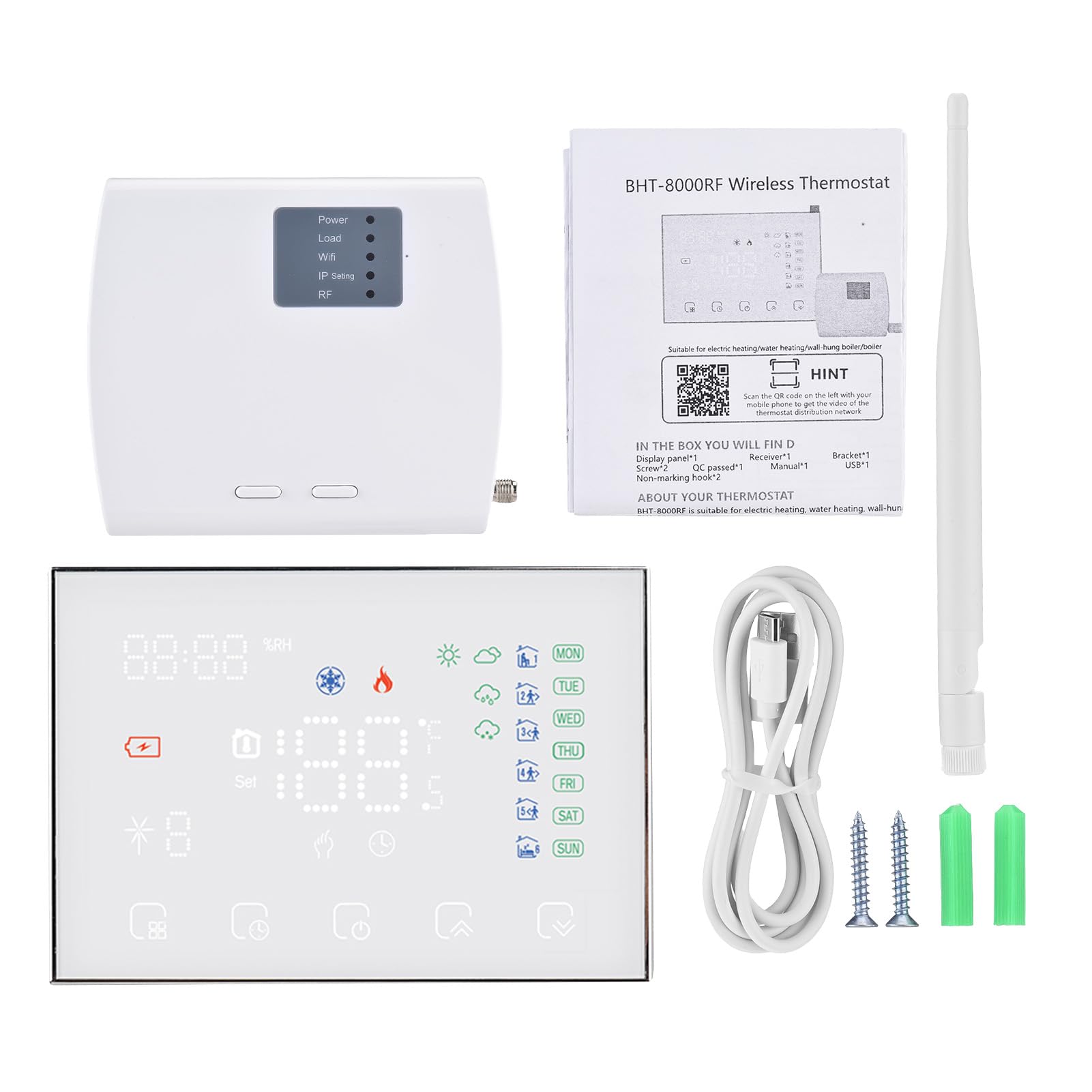

Who Should Buy a Boiler Thermostat
Homes with radiators, baseboard hot water or steam heat benefit most, especially when rooms heat unevenly or the old dial thermostat offers no schedule. Landlords and homeowners upgrading an old thermostat also gain from a programmable model, provided the wiring and the boiler control are checked first.
If your system is a combi or heat only boiler with a separate wireless receiver, the thermostat must match that receiver. Look at the model labels on the boiler and the existing thermostat before you shop.
Key Features to Compare
Boiler Compatibility
Steam, hot water and system boilers use different control strategies, and a thermostat must support yours. Many boiler systems run on a low voltage circuit (often 24V) or a dry contact, while some older systems use line voltage or millivolt wiring. Confirm the voltage and terminal types in the product listing and in the maker compatibility chart.
Wiring and Power
Smart thermostats often need a common wire (C wire) for steady power. Without one, some models run on batteries, which need replacing, or use a power adapter. Photograph the existing wiring and note each terminal label before you disconnect anything.
Scheduling and Zones
Programmable models let you lower the temperature while you sleep or are out and warm the house before you return. Boiler systems warm slowly, so look for a thermostat that can start heating earlier on its own. Zoned homes need one thermostat per zone and compatible zone valves.
Sensor Accuracy and Placement
Mount the thermostat on an interior wall, away from radiators, drafts and direct sun, at a height that reflects living space temperature. A poorly placed unit calls for heat too often or too rarely, however good the sensor is.
Safety and Installation
Switch power off at the breaker before touching any wiring. Mains voltage and boiler controls are not a place to guess. If the wiring is unclear or the labels do not match the instructions, hire a qualified heating engineer.
Wi-Fi or Basic Programmable
Wi-Fi thermostats add phone control, remote schedule changes and usage reports, and some work with voice assistants. They cost more, and a few depend on a cloud service, so check that the basic schedule still runs if the connection drops. A basic programmable model is cheaper, easier to wire and enough for a household with a steady routine. Prices run about $25 to $60 for basic and boiler specific controllers, and about $100 to $150 for well known smart models.
Matching the Thermostat to Your Boiler System
Hot water boilers feed radiators or baseboard heaters, and they respond slowly, so schedule changes need a head start. Steam boilers run on pressure and are even slower, which is why many steam owners prefer a thermostat that learns how long the house takes to warm. Combi and system boilers in some homes pair with a wireless receiver, so the thermostat must speak the same radio language as that receiver. Check the model name on the boiler and the receiver label before you compare thermostats.
If you have zoned heating with several valves, count the zones and make sure each thermostat is compatible with its valve. A single smart thermostat cannot control several zones unless the system is designed for it.
Care and Long Term Value
Keep the thermostat free of dust and check the schedule at the change of each season. Replace batteries promptly when a low battery warning appears, and check that heating restarts after a power cut. Have the boiler serviced regularly, because some thermostat complaints trace back to the boiler. Keep the manual and a photo of the wiring together for future reference.
Mistakes to Avoid
- Buying a smart thermostat without checking boiler compatibility, then finding it cannot control the system.
- Mounting the unit near a radiator or a sunny window, which gives false readings.
- Attempting complex wiring without the right knowledge, which risks damage and safety.
- Setting a very high temperature to heat faster. Boilers do not heat faster that way; the house just overshoots.
Related Guides
For specific systems, see our guides to the best thermostat for steam boiler, the best thermostat for boiler heat, the best thermostat for boiler system and the best smart thermostat for boiler system.
Frequently Asked Questions
Will any smart thermostat work with a boiler?
No. Compatibility depends on the boiler type, the wiring and the controls. Check the maker compatibility tool or manual for your boiler model before buying, and ask a qualified engineer if the system is unusual.
Can you install a boiler thermostat yourself?
Only when the wiring is simple, the power is off and you understand the manual. Complex or unclear wiring should go to a qualified heating engineer, since mistakes can damage equipment. Photograph the existing wiring before disconnecting anything.
Where should a boiler thermostat go?
On an interior wall away from radiators, drafts and direct sunlight. Hallways and living rooms often work. A poor location gives false readings and uneven heating, even with a good thermostat.
Why does a boiler short cycle?
Short cycling can come from thermostat placement, settings or a boiler fault. Check placement and settings first, then have the boiler checked if it continues. Frequent on and off cycling wastes fuel and wears parts.
Do boiler thermostats save energy?
They can, when schedules match your time at home and temperatures are sensible. Savings depend on the house, the boiler and your habits, not on the thermostat alone.
Final Thoughts
Confirm compatibility first, then wiring, then features. Match those to your routine and the best boiler thermostat becomes a clear choice. Use the product table above to review your shortlist, and let a qualified engineer handle any wiring you are unsure about.


