Best Bodybuilding Shoes for 2026: A Lifting Footwear Guide
Disclosure: We may earn a commission when you buy through links on this page, at no extra cost to you. As an Amazon Associate I earn from qualifying purchases. Learn more

Choose the best bodybuilding shoes for squats and deadlifts with notes on flat versus raised heels, firm soles, ankle support and fit.
The best bodybuilding shoes give lifters a stable base that running shoes cannot, because soft cushioned soles absorb force and shift balance during heavy lifts. The comparison table below gives a quick overview, while this guide explains sole design, heel height, and fit for different lifts.
Footwear affects lifting more than many beginners expect. A flat, firm sole keeps your foot close to the floor and helps you feel the ground during squats and deadlifts. A raised heel changes ankle angles and can help lifters who struggle with squat depth, but it suits some lifts better than others.





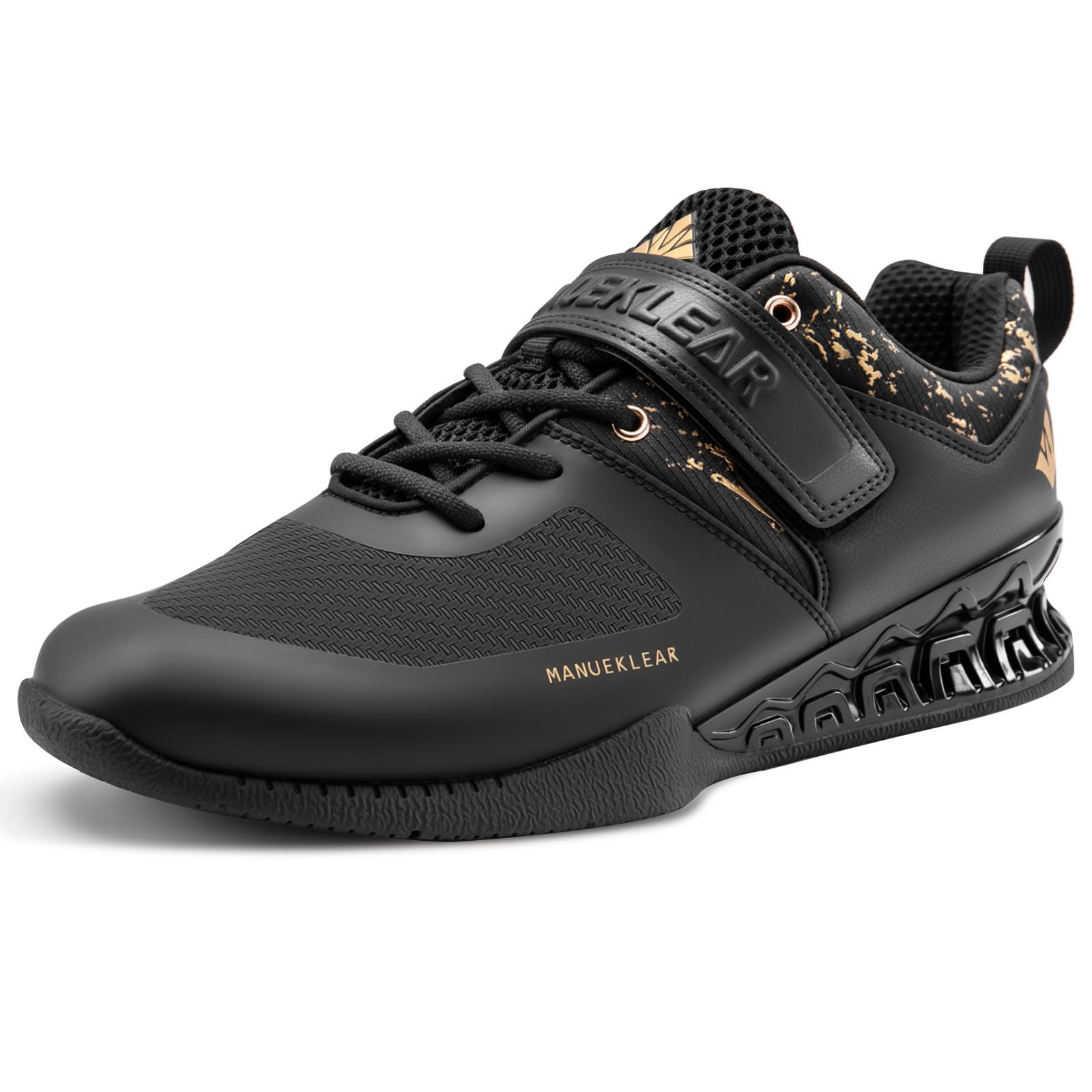
Who Should Buy Lifting Shoes
Lifting shoes suit people who train with barbells regularly, especially for squats, deadlifts, and overhead presses. They help lifters who feel unstable in running shoes or notice their feet rolling during heavy sets. If you train several times a week, dedicated lifting footwear is a worthwhile investment in stability and confidence.
They are less suited to general gym classes, treadmill running, or cardio sessions, where cushioning and flexibility matter more. Lifting shoes are deliberately firm and flat, which feels awkward for running or jumping. Many lifters keep separate shoes for cardio and lifting rather than using one pair for everything.
Flat Soles and Stability
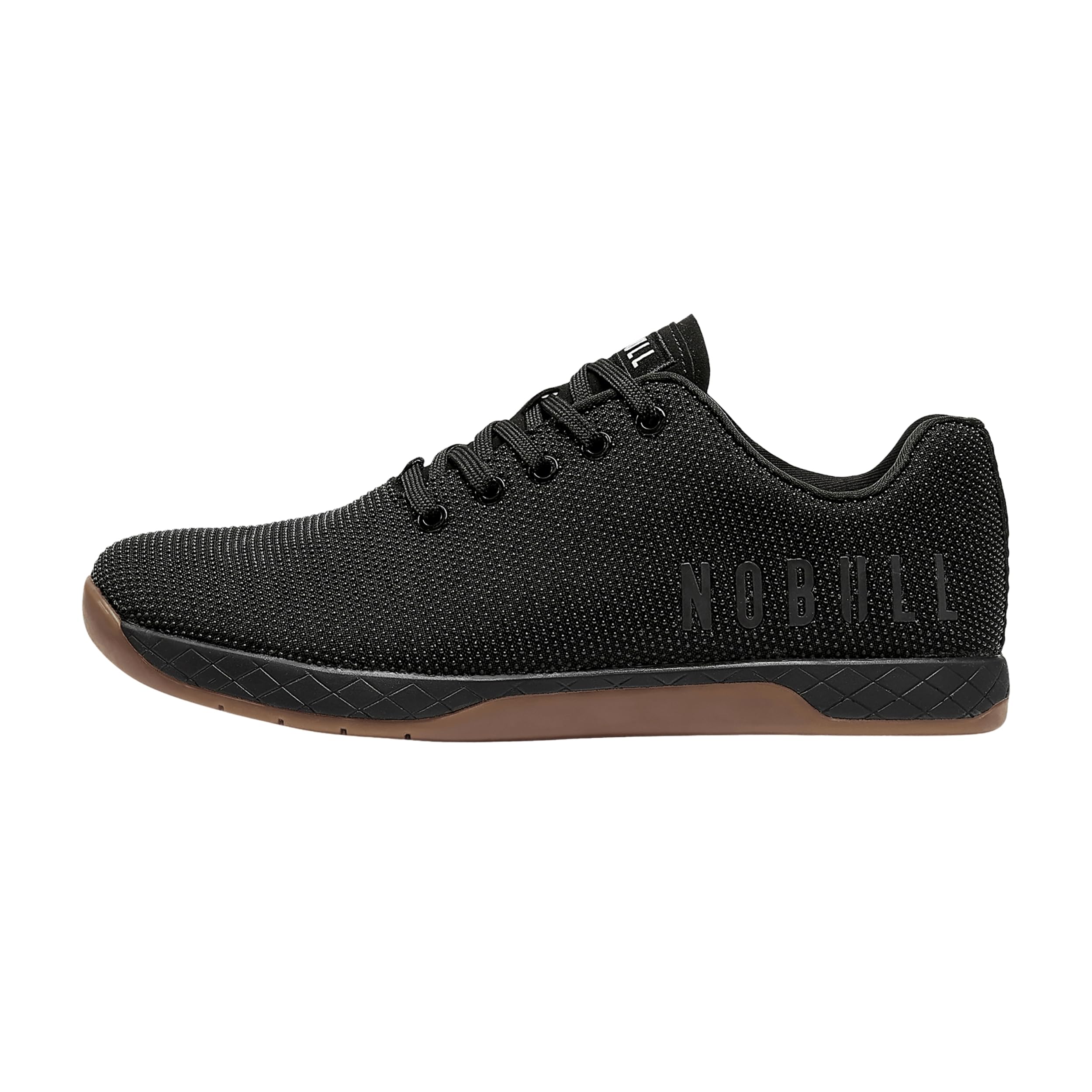
A flat sole with minimal cushioning keeps your foot stable and close to the ground. This matters for deadlifts, where a thick sole increases the distance you must pull the bar and can shift your balance forward. A firm sole also prevents the foot from sinking unevenly under load, which helps maintain a consistent lifting position.
Look for a sole that resists compression when you press it firmly with your thumb. If it squashes easily, it will squash under a loaded barbell too. A wide toe box lets your toes spread and grip the floor, which adds stability during heavy squats and presses. Narrow shoes that squeeze your toes can make balance feel precarious.
Lifting focused footwear is covered in our guide to best shoes for lifting bodybuilding, which compares flat and heeled options for different training styles.
Heel Height: Flat Versus Raised
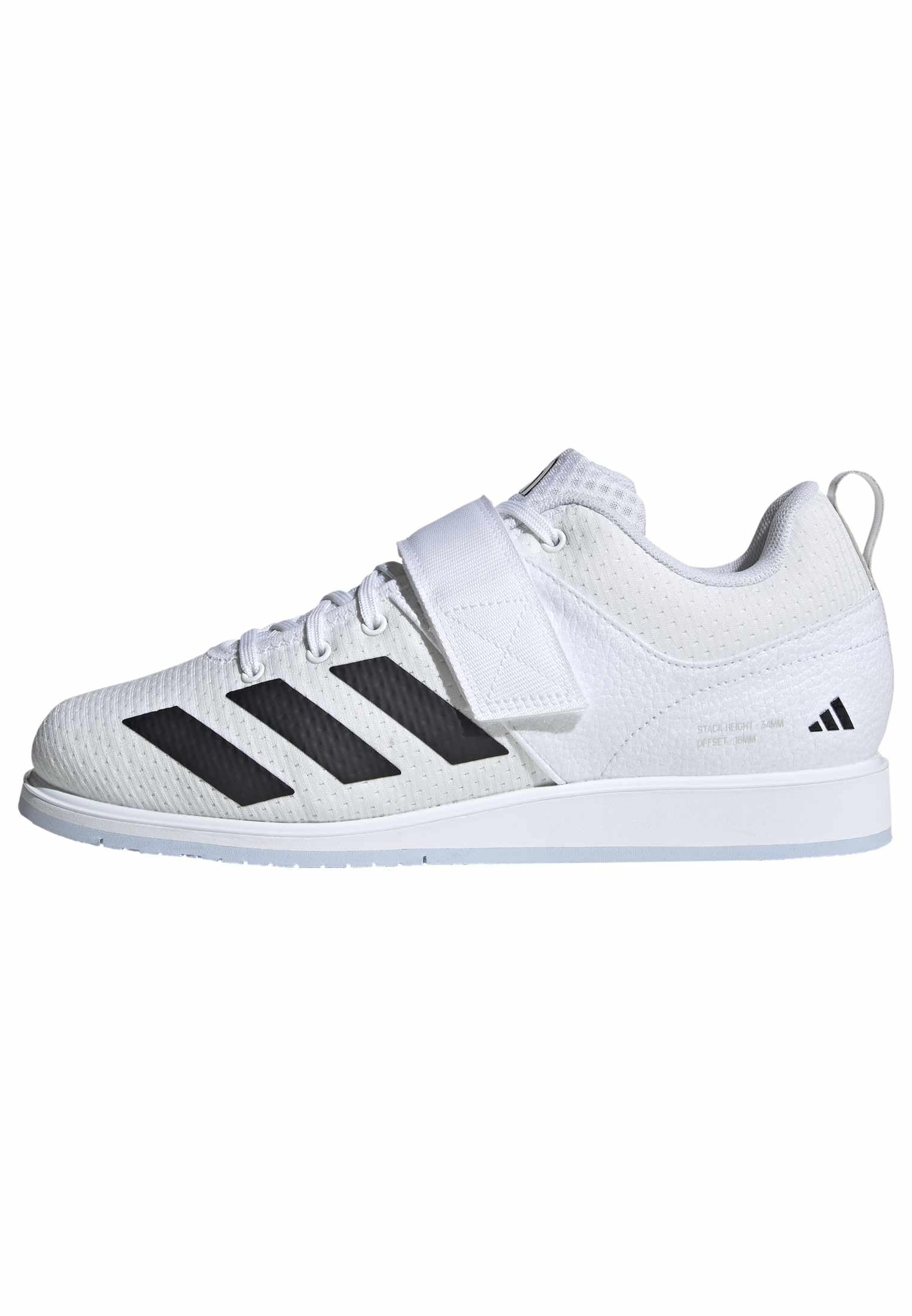
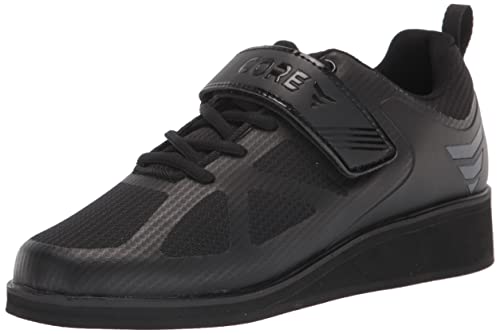
Raised heel lifting shoes, often with a firm wedge, help lifters achieve deeper squats by reducing ankle flexibility demands. They suit lifters with tight ankles or long legs who struggle to keep an upright torso during squats. A raised heel also helps Olympic style lifts that need an upright posture.
Flat shoes suit deadlifts and general strength training, where a low profile keeps you close to the floor and balanced. Some lifters own both: heeled shoes for squats and flat shoes for deadlifts. If you buy only one pair, choose based on the lift you train most and any ankle mobility limits you already know about.
Fit, Ankle Support, and Straps
Fit should be snug without squeezing your toes, with no heel slip during lifts. A secure midfoot strap adds lockdown for heavy squats, but should not cut circulation or restrict ankle movement unnaturally. Lace systems that allow independent midfoot and forefoot adjustment help you fine tune fit for different lifts.
High top lifting shoes offer more ankle support, which some lifters prefer for heavy squats. Low top shoes allow freer ankle movement, which suits deadlifts and general training. Neither is universally better: choose based on your ankle history and comfort. If you have previous ankle injuries, discuss footwear choices with your clinician or coach before heavy training.
Safety, Technique, and When to Seek Advice
Good shoes support technique but cannot replace it. Keep loads sensible while learning new lifts, and ask a qualified coach to check squat depth, back position, and bar path. Stop and seek advice if you feel sharp pain, numbness, or instability during a lift, rather than pushing through with heavier weights.
Persistent foot, ankle, knee, or back pain deserves a conversation with your clinician, especially if pain changes your walking or daily activities. Footwear can help comfort and stability, but it does not diagnose or treat injury. Warm up thoroughly, progress loads gradually, and prioritise consistent technique over rapid weight increases.
Materials, Durability, and Gym Floors
Lifting shoes use firm midsoles, durable uppers, and grippy outsoles that withstand chalk, plates, and rough gym floors. Leather and synthetic uppers both work, but breathability matters for long sessions. A shoe that traps heat becomes uncomfortable during high volume training, even if its sole is excellent.
Check the outsole grip on your gym floor type, because polished wood, rubber mats, and concrete behave differently. A sole that grips well on rubber may slide on dusty concrete. Replace shoes when the sole compresses unevenly or the upper tears, because worn lifting shoes lose the stability you bought them for.
A Final Check Before You Order
Try shoes with your normal lifting socks and check squat depth and deadlift stance during the return window. Walk, squat, and hinge in them, and check for heel slip, toe squeeze, and ankle restriction. A shoe that feels stable under an empty bar may feel different under load, so try them with sensible working weights.
Confirm the return policy for worn shoes, since some retailers restrict returns once shoes have been used in a gym. The product table above can help you compare shortlisted models once you know whether you need flat or heeled shoes and which lifts dominate your training.
Living With Lifting Shoes Week to Week
Lifting shoes become part of training routine once you build habits around them. Keep them in your gym bag rather than wearing them for daily errands, which preserves sole firmness and grip for lifting. Air them after each session, brush off chalk regularly, and check laces and straps weekly for wear that could loosen support during a heavy set.
Notice how your lifts feel across weeks in new shoes rather than judging them after a single session. Ankle comfort, balance during squats, and deadlift stance all settle as shoes break in and your technique adapts. Keep a simple training log noting any discomfort or instability, so you can discuss patterns with a coach instead of relying on memory after a difficult session.
Frequently Asked Questions
Can I lift weights in running shoes?
Running shoes have soft cushioned soles that absorb force and shift balance during heavy lifts, which makes them unstable for squats and deadlifts. A flat firm sole keeps your foot close to the floor and improves stability. For light dumbbell work, running shoes may be fine, but dedicated lifting shoes are safer and more stable for barbell training.
Should I choose flat or heeled lifting shoes?
Flat shoes suit deadlifts and general strength training, while heeled shoes help squat depth for lifters with tight ankles or long legs. If you buy one pair, choose based on your main lift and ankle mobility. Some lifters own both and switch between squat and deadlift sessions. Try both styles if possible before deciding.
How should lifting shoes fit?
Lifting shoes should feel snug in the midfoot with no heel slip, while leaving room for toes to spread naturally. A midfoot strap can add lockdown for heavy squats. Avoid shoes that squeeze toes or restrict ankle movement unnaturally. Test fit with your normal lifting socks and practise squats and hinges before committing.
Do lifting shoes help with knee or back pain?
Lifting shoes can improve stability and posture during lifts, which may reduce strain, but they do not diagnose or treat pain. Persistent knee, back, foot, or ankle pain deserves a conversation with your clinician or a qualified coach. Good technique, sensible loads, and gradual progression matter more than footwear alone for long term joint health.
How long do bodybuilding shoes last?
Lifting shoes last longer than running shoes for gym use because they are not subjected to road impact, but soles still compress and uppers wear over time. Replace them when the sole compresses unevenly, grip fades, or the upper tears. Chalk, heavy loads, and rough floors accelerate wear, so inspect shoes regularly.
Final Thoughts
Choosing best bodybuilding shoes comes down to sole firmness, heel height, and fit for the lifts you train most. Flat shoes suit deadlifts and general strength work, while heeled shoes help squat depth for lifters with limited ankle mobility. The product table above can help you compare options once you know your training style.
Try shoes under sensible working weights, prioritize technique and gradual progression, and seek professional advice for persistent pain. The right lifting shoes should feel stable, secure, and almost unnoticeable once you start a set.