Best Boat Tower Speakers 2026: How to Choose Well
Disclosure: We may earn a commission when you buy through links on this page, at no extra cost to you. As an Amazon Associate I earn from qualifying purchases. Learn more

Choose tower speakers for a boat that handle spray, sun, and open air sound, with mounting, power, and wiring explained for safe and reliable use.
Boat tower speakers need to project sound across open water, survive spray and sun, and mount securely to a tower that moves and vibrates. The best boat tower speakers handle all three. A speaker that sounds great in a living room may fail quickly on a boat, so marine design and safe installation matter. This guide covers those points, and the comparison table below gives a quick overview.
Start with your tower and boat. Note tower diameter, available space, power supply, and where listeners sit, because those facts decide speaker size, mounting, and wiring. A speaker that does not fit the tower securely is unsafe, no matter how good it sounds.


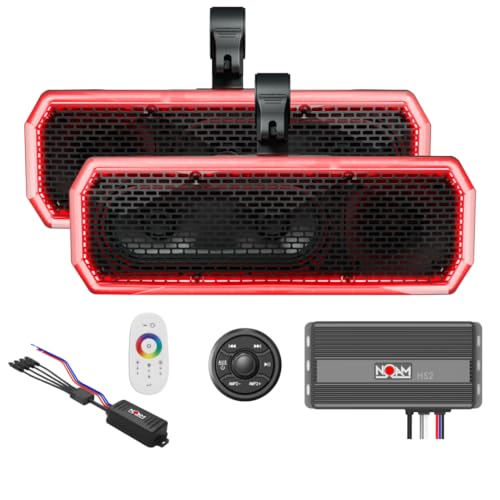
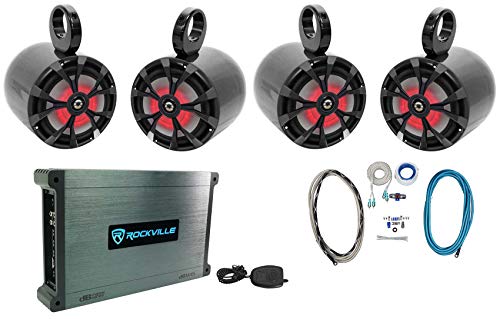

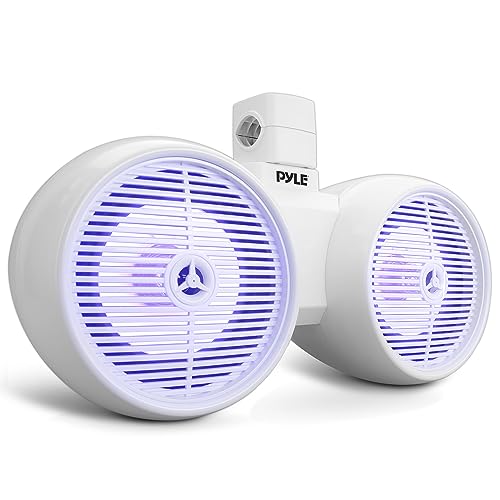


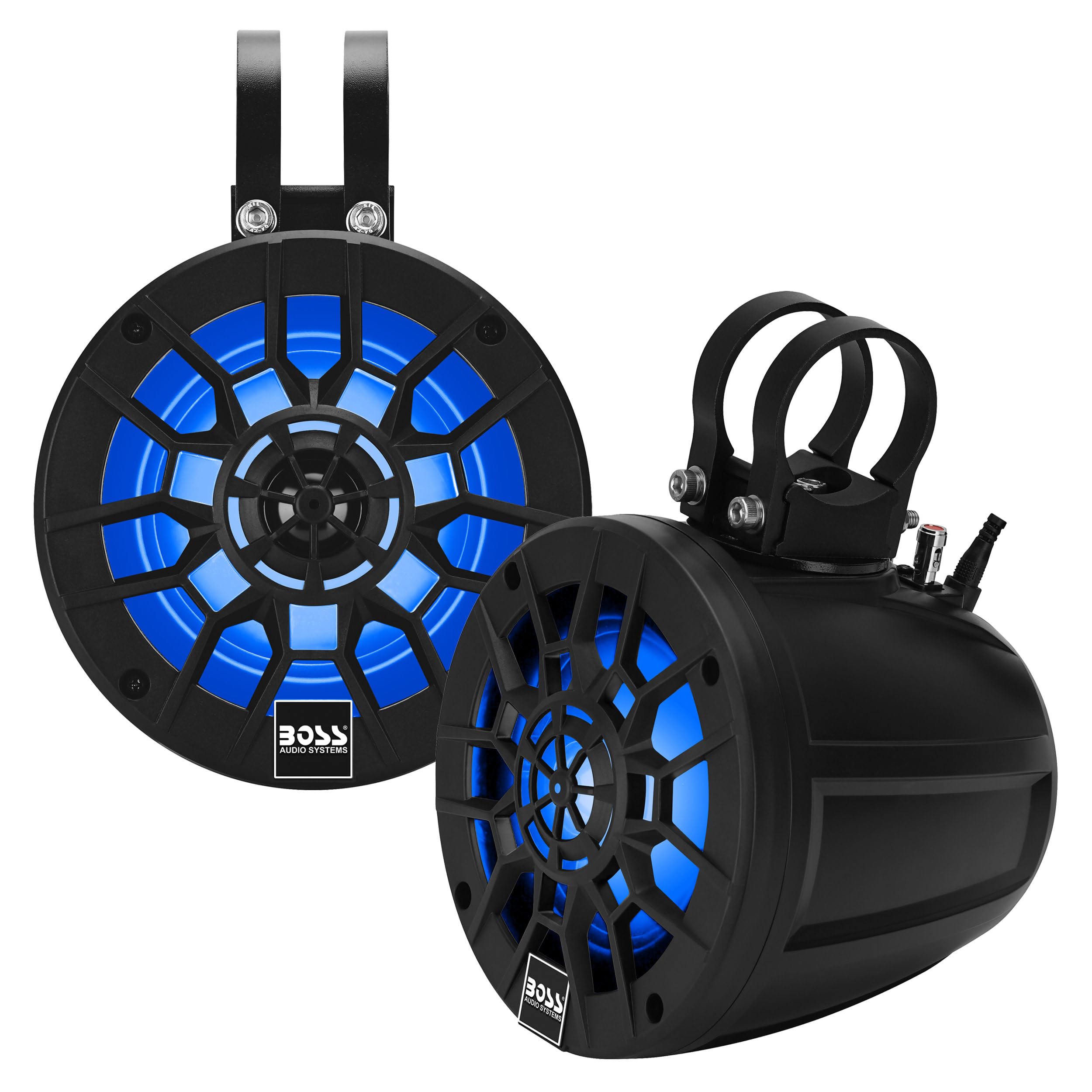
Who Should Buy Which Option
For Wake and Watersports Boats
Watersports boats need loud, clear sound that reaches a rider behind the boat, with a mount that stays secure at speed. Look for a robust clamp, a weather resistant design, and sound that projects well outdoors. Check power needs and wiring before you commit.
For Cruising and Social Boats
Cruising boats want pleasant sound for a group, clear vocals, and a design that suits relaxed days. Look for balanced tone at moderate volume, easy controls, and a mount that does not dominate the tower. Comfort and clarity matter more than extreme loudness.
For Fishing and Family Boats
Fishing and family boats need durable speakers that handle spray, sun, and frequent use, without complex controls. Look for simple operation, sturdy mounts, and materials that rinse clean. Keep volume neighbor friendly in marinas and quiet anchorages.
Key Features to Compare
Marine Build and Weather Resistance
Marine speakers should handle spray, sun, salt, and humidity better than home speakers. Check materials, grille design, and sealing around mounts and wires. Rinse after salt use, and inspect seals regularly, because weather resistance wears over time.
Mounting and Tower Fit
Mounting must match tower diameter and shape, with a clamp that grips firmly without damaging the tower. Check clamp range, bolt security, and whether the speaker can rotate for aiming. A loose mount can shift at speed, so check tightness regularly and follow maker guidance.
Sound Projection Outdoors
Outdoor sound spreads quickly, so tower speakers need enough output and a design that projects toward listeners. Check how sound carries to a rider or to seats behind the boat, and avoid relying on loudness alone. Balanced tone at distance matters more than harsh volume close up.
Power, Wiring, and Amplifier Needs
Check power requirements, amplifier compatibility, and wiring routes that avoid chafe, heat, and water pooling. Use marine grade wiring practices, protect connections, and seek professional help when electrical work is unclear. Safe wiring matters as much as sound quality.
Controls and Everyday Use
Controls should be easy from the helm and from the swim platform, with clear volume steps and simple source switching. Check whether controls work with wet hands, and whether the system can be muted quickly in a marina. Simple controls get used more and cause fewer distractions.
How to Choose with Confidence
Before you order, measure tower diameter, check power supply, and sketch wiring routes. Those facts prevent mounting and electrical surprises, and they help an installer if you need one. Also check the return window and warranty terms for marine use.
Compare speakers on mount security, outdoor projection, and weather build, not only on watt claims. Note which speaker aims best, which mount feels most secure, and which tone stays clear at distance. A short on water test, when possible, reveals the best match.
Think about neighbors and safety too. Keep volume reasonable in marinas, avoid distracting the helm with complex controls, and secure all mounts before speed. The product table above shows the main options, and the related guides below can help if you need a boat amplifier or general boat speakers.
Care, Safety, and Everyday Use
Rinse speakers with fresh water after salt use, dry connections, and check mounts and wiring regularly. Tighten clamps to maker guidance, inspect for corrosion, and store the boat with speakers protected when possible. Simple care extends marine life.
If sound becomes weak or distorted, check power, wiring connections, and mount stability before assuming a speaker fault. Test each speaker alone, check source volume, and inspect for water in grilles or connections.
A Final Check Before You Order
When you measure for tower speakers, note tower diameter, shape, and available space, and compare those measurements with clamp ranges. A clamp that is too large will slip, while one that is too small may damage the tower. Measure twice, and check maker guidance before ordering.
Consider sound aiming, because tower speakers should project toward riders and passengers, not only toward the helm. Test aiming angles, and note how sound changes as you move around the boat. A speaker that aims well covers the listening area more evenly without excessive volume.
Think about power and wiring routes, because marine wiring must avoid chafe, heat, and water pooling. Plan routes that protect cables, use marine grade practices, and seek professional help when electrical work is unclear. Safe wiring protects both sound and boat.
Also consider marina etiquette, because loud tower speakers can disturb neighbors in quiet anchorages and marinas. Keep volume moderate in shared areas, mute quickly when needed, and use clear controls from the helm. Neighbour friendly use keeps boating pleasant for everyone.
Finally, inspect mounts and wiring regularly, especially after rough water or high speed runs. Tighten clamps to maker guidance, check for corrosion, and rinse after salt use. Regular inspection prevents a loose speaker from becoming a hazard.
Also consider how tower speakers affect weight and balance on a smaller boat, because heavy speakers high on a tower can change handling and stability. Check total weight, mount position, and whether the tower maker approves the added load. A lighter, well mounted pair may suit a small boat better than a heavy pair that strains the tower. Safety and handling should always outweigh a small gain in loudness, especially on rough water.
Related Guides to Explore
For related reading, see our guides on best amp for boat tower speakers, best tower speakers, best boat speakers, best bluetooth boat speakers, and best waterproof speakers for boat, which cover closely related choices and may help you compare options before you decide. The product table above gives the main overview, while related guides add detail on neighboring products.
Frequently Asked Questions
Do boat tower speakers need an amplifier?
Many tower speakers need an amplifier to reach useful outdoor volume, while some include amplification. Check power requirements and maker guidance, and match amplifier output to speaker needs. Underpowered sound can distort, while overpowered sound can damage speakers if misused.
How do I mount speakers safely?
Use a clamp that matches tower diameter, follow maker torque guidance, and check tightness regularly. Avoid drilling or modifying a tower without maker advice, because that can weaken it. When in doubt, seek professional installation.
Will marine speakers survive salt water?
Marine speakers handle spray and salt better than home speakers, but they still need rinsing and inspection. Salt can corrode hardware and wear seals over time, so fresh water rinsing and regular checks matter. No speaker is fully immune to marine wear.
Why does sound fade behind a boat?
Sound spreads outdoors and competes with engine and wind noise, so distance quickly reduces perceived volume. Tower height, aiming, and output all help, but a rider will still hear less than passengers on board. Balanced tone and good aiming matter more than loudness alone.
What should I check in the first week?
Check mount security, aiming, sound at distance, wiring safety, and control ease from the helm. Also check for water ingress after spray and for any vibration or rattle at speed. Early checks confirm safe and reliable use.
Final Thoughts
Boat tower speakers should mount securely, project clear sound outdoors, and handle spray and sun with regular care when you choose the best boat tower speakers. Use the comparison table above, check tower fit and power first, and let safe installation guide the choice.
With secure mounts, sensible wiring, and neighbor friendly volume, tower speakers can make time on the water more enjoyable. Choose the set that stays firm, sounds clear at distance, and is easy to maintain.