Best BMX Racing Shoes in 2026: Which Type Is Right for You?
Disclosure: We may earn a commission when you buy through links on this page, at no extra cost to you. As an Amazon Associate I earn from qualifying purchases. Learn more

Compare flat pedal, clip in, lightweight and support types to choose the best bmx racing shoes for your starts, sprints and budget.
Walk into any bike shop or scroll through any gear site and you will find BMX race footwear split into confusing camps. Some pairs lock onto the pedal, some grip a flat platform, some feel like stiff boards, and some feel almost like skate shoes. Picking the best bmx racing shoes starts with understanding those types, because the right sole and closure matter more than color or brand.
This guide compares each main type by what it does well, where it falls short, who it suits, and what it usually costs. You can scan the product table below for a quick overview, then read on for fit, durability, and care advice that helps a pair last through a full season of gates, sprints, and practice laps.


Types of BMX Racing Shoes Compared
BMX racing asks a lot from a shoe in a very short time. You need instant grip or connection at the gate, stiffness when you sprint out of the first turn, and enough protection when a foot comes down on hard packed dirt. The four types below cover nearly every rider, from a young beginner on flat pedals to an expert who clips in. Prices overlap a lot, so let the type and fit guide you first and treat cost as a second filter.
Flat Pedal Shoes
Flat pedal shoes use a tacky rubber outsole with a fine tread pattern that presses onto the pins of a platform pedal. They give you freedom to lift a foot quickly in a turn or put a foot down without thinking, which is why most beginners and many younger riders start here. The trade off is efficiency, because your foot can shift slightly under hard sprint effort and you cannot pull up on the pedal.
Look for a sole that feels stiff across the ball of the foot but still bends a little at the toes for walking the pits. A reinforced toe box helps when you catch a pedal or the gate. Most flat pedal pairs cost about $60 to $120, and riders who value easy starts and simple skills practice usually get the most from this type.
Clip In Shoes
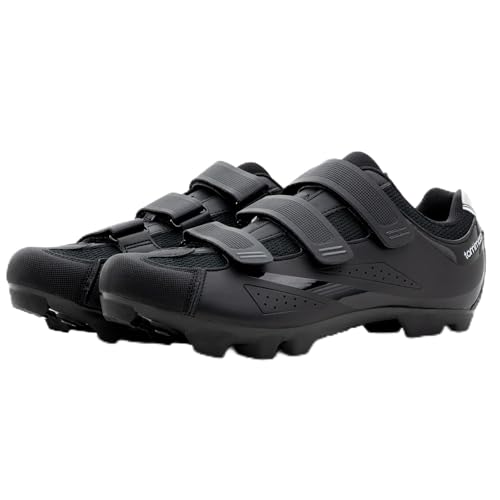
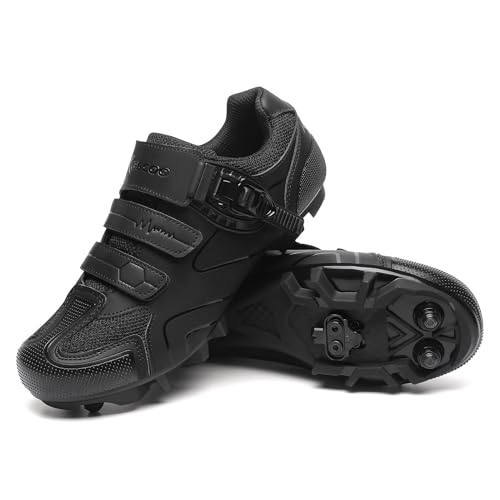
Clip in shoes carry a recessed cleat in the sole that locks into a matching pedal, so your foot stays planted through the whole pedal stroke. That connection helps experienced riders sprint harder, manual with control, and keep their feet in place over rough rhythm sections. The downside is a learning curve, because you must twist a heel outward to release, and a slow release at the gate can cost you a start.
These shoes run stiffer than flat pedal pairs, with soles built to transfer power rather than flex. Expect to pay about $100 to $220, plus the pedals and cleats if you do not own them yet. Practice clipping out in a quiet parking area before your first race, and check cleat bolts weekly, because a loose cleat can move at the worst moment.
Lightweight Race Shoes
Lightweight race shoes trim every gram they can from the upper and sole, and they exist in both flat and clip in versions. Less weight on your feet matters late in a long day of motos, when heavy shoes start to feel slow during repeated sprints. Breathable mesh panels and thin synthetic uppers help here, and a low heel to toe drop keeps your foot close to the pedal for a direct feel.
The compromise is durability and protection. Thin uppers scuff faster, offer less warmth on cold mornings, and give your toes less armor against pedal strikes. Prices usually run about $90 to $180. Choose this type if you race often, ride in warm weather, and accept replacing shoes a bit sooner in exchange for a fast, airy feel on the track.
Stability and Support Shoes
Support focused shoes add a firmer heel cup, a sturdier midsole, and more arch support for riders whose feet roll inward or ache after long practice days. A secure midfoot hold and a structured upper keep your foot centered on the pedal, which can calm knee wobble during hard efforts. They weigh a little more than minimalist race shoes, and that extra structure is the point.
Riders coming back from foot or ankle niggles often do well here, as do heavier riders who compress soft soles quickly. If you have ongoing foot pain, numbness, or a history of ankle sprains, talk with a clinician or a qualified bike fitter before racing, because shoe support cannot fix a medical problem. Expect about $80 to $170 for this type.
Flat Pedal Shoes vs Clip In Shoes: Which Should You Choose?
This is the decision that shapes everything else, so compare the two head to head. For control, clip in shoes win once you master the release, while flat pedals win while you are still learning basic balance. For starts, a practiced clip in rider launches with no lost motion, but a nervous one can fumble, while flat pedals reward a simple, confident push. For cost, flat pedals need no extra hardware, while clip in setups add pedals and replacement cleats.
For skills growth, flat pedals teach honest technique, because your feet must stay on through good pressure rather than a mechanical lock. For racing rules, check your local track, since some beginner classes expect flat pedals. If you also read about shoes for the road, our guide to the best racing shoes shows how road designs chase the same stiffness in a very different shape. Most riders progress fastest by starting flat, then clipping in when starts and sprint power become the limit.
How to Choose the Right BMX Racing Shoe
Durability and Expected Lifespan
A race shoe lives a hard life of gate slams, dirt, and pedal pins, so judge durability by the outsole bond, the stitching at the toe, and how the upper handles flex at the same crease every lap. A pair used three or four times a week often lasts one to two seasons before the sole loses its bite or the upper loosens. Rotate two pairs if you train daily, because foam and rubber recover better with a rest day, and a dry spare saves a muddy race weekend.
Outsole Traction and Terrain
On flat pedals, traction comes from soft rubber and a pattern of small blocks or hex shapes that wrap around pedal pins. On clip in shoes, traction matters mostly at the start and in the pits, where lugs beside the cleat grip loose dirt. Tracks vary from slick hard pack to sandy corners, so a sole that sheds dirt beats deep running style lugs. Riders who train on rough ground sometimes compare notes with our guide to the best trail racing shoes, but remember that BMX soles stay flatter for pedal contact.
Fit, Sizing, and Toe Box
Measure your feet in the afternoon, when they are at their largest, and try race shoes with the socks you actually race in. Your heel should sit locked with no lift, your midfoot should feel held but not pinched, and your toes need a small gap in front, about the width of a thumbnail. A toe box that is too narrow crowds your forefoot during sprints, while a sloppy one lets your foot slide and blister. Sizes vary between brands, so trust the fit in the shop more than the number on the box, and walk, squat, and rock onto your toes before you buy.
Weight and Flexibility
Every gram counts less than fit, but weight still shapes how a shoe feels over a full race day. A stiff sole transfers sprint power and supports your arch, yet a sole with no flex at all can tire your feet while you walk the staging area. Flex the shoe by hand at the shop: the bend should happen near the ball of the foot, not in the middle of the arch. Riders who want one shoe for the track and light training often pick a middle ground, while dedicated racers accept a rigid sole they only wear on the bike. If you are new to the sport, our guide to the best bmx shoes covers the freestyle side, where softer soles suit tricks more than gate starts.
Care and Maintenance Tips
Knock dirt off after every ride and pull the insoles out so the shoes dry fully between sessions. Air dry wet shoes away from direct heat, because hot air can warp soles and crack synthetic uppers. Stuff damp shoes loosely with newspaper overnight to draw out moisture, and brush dried mud from cleat pockets so the mechanism stays clean. Replace cleats when the edges round off or release starts to feel vague, and replace the shoes when the outsole feels slick on the pins, the heel cup collapses, or your feet ache in a way they did not before. A quick wipe of pedal pins keeps grip honest, too.
BMX Racing Shoes: Your Questions Answered
Are expensive bmx racing shoes worth it?
They can be, but only after fit and pedal type are right. Higher prices usually buy a stiffer sole, a lighter upper, and a more precise closure, which help racers who sprint at full effort many times a week. A newer rider gains more from a well fitting mid priced pair and money left for a helmet and track fees. If your current shoes fit perfectly and grip well, an upgrade is a want, not a need.
How often should I replace my bmx racing shoes?
Replace them when grip, support, or fit declines rather than on a fixed schedule. For most riders that lands between one and two seasons of regular racing. Watch for a polished outsole that slips on the pins, a heel counter you can fold with one hand, frayed closure straps, or cleats that release too easily. Growing junior riders usually outgrow a pair before they wear it out, so check toe room every few months.
Can I wear them all day?
You can wear flat pedal pairs around the pits all day, since their soles walk almost like skate shoes. Clip in race shoes are poor all day footwear, because the stiff sole and exposed cleat area make hard floors awkward and slippery. Many racers bring casual shoes for staging and save the race pair for the track. If your feet swell during a long event, loosen the closure between motos rather than enduring numb toes.
How should bmx racing shoes fit?
They should fit snugly through the heel and midfoot with a small space in front of your longest toe. Your foot should not slide forward when you push off, and no seam should press on a toe joint. Try both feet, because most people have one foot slightly larger, and fit to the larger one. A good test is ten hard stomps in the shop: if your heel lifts or your toes jam the front, try another size or shape.
How long is the break in period?
Most pairs need two to four rides before the upper softens and the sole molds to your pedaling. Wear new shoes for short practice sessions first, not a full race day, and check for hot spots after each ride. Clip in riders should also recheck cleat position after the first week, because small shifts in the shoe can change how the cleat sits. If pain or blisters persist past a few sessions, the shape is wrong for your foot, and more time will not fix it.
Our Verdict
Start with your pedal system, then fit, then sole stiffness, in that order. Flat pedal shoes suit new and younger riders, clip in shoes reward experienced racers, lightweight pairs favor warm weather speed, and support shoes help riders who need a firmer hold. Keep the product table open while you compare, check your track rules, and choose the best bmx racing shoes for the way you actually ride, not the way the fastest rider at your track rides.