Best BMX Mountain Bike: A Buyer Checklist for 2026
Disclosure: We may earn a commission when you buy through links on this page, at no extra cost to you. As an Amazon Associate I earn from qualifying purchases. Learn more

Use this checklist to choose the best bmx mountain bike with the right frame size, gears, brakes, and suspension for your trails, budget, and riding style.
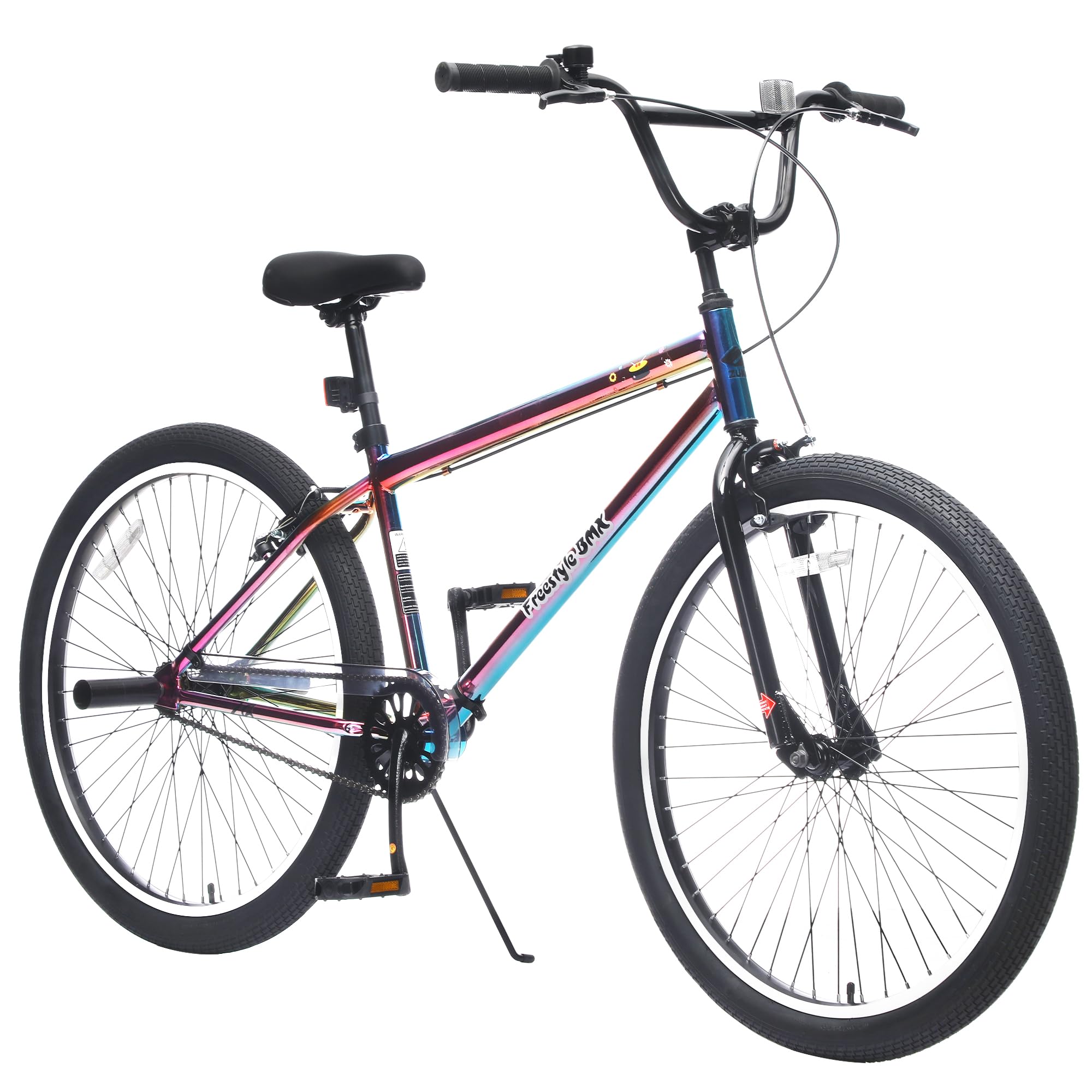
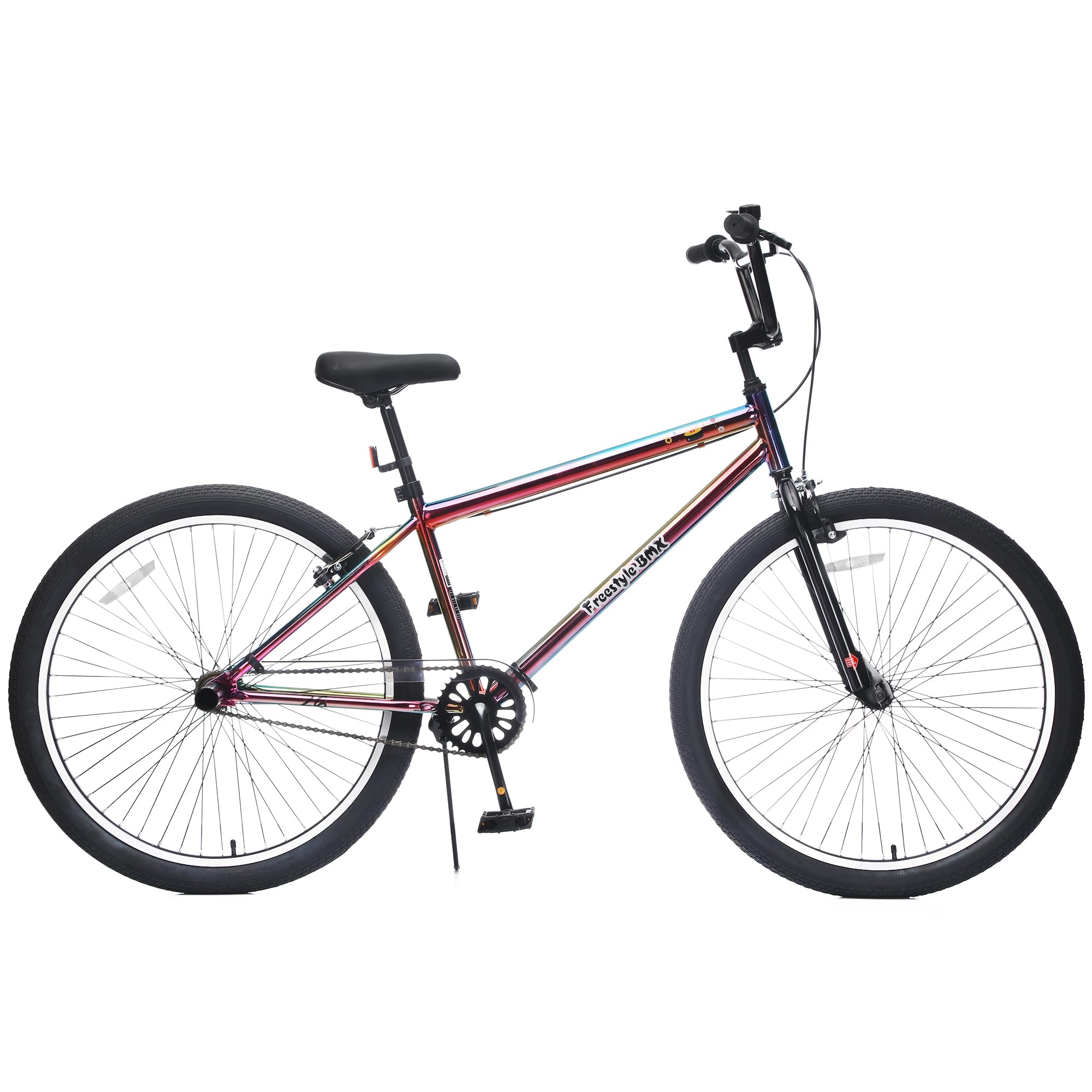
A BMX inspired mountain bike promises sturdy construction, simple controls, and enough toughness for jumps, pump tracks, and rough trails. The trouble is that listings use the label loosely, so two bikes with similar photos can differ hugely in frame strength, brakes, and fit. This checklist for finding the best bmx mountain bike for your riding walks through the exact points to verify before you pay: type, sizing, gears, brakes, suspension, and wheels. Work through each item, compare your shortlist with the product table below, and weak candidates usually remove themselves.


How to Evaluate BMX Mountain Bikes
Bike Type and Riding Style
Start by naming where you will actually ride. Dirt jumps and skate parks reward a compact frame, short rear end, and simple gearing that tolerates hard landings. Light trails reward a longer wheelbase, wider tires, and more gears for climbing. If most miles are pavement between spots, a versatile trail setup makes more sense than a pure jump build. Be honest here, because type decides almost every later choice on this checklist.
Sizing and Fit
Fit is a safety item, not a comfort extra. Check the maker sizing chart against your height and inseam, and confirm you have clear standover room when standing flat footed over the frame. Jump oriented frames run small on purpose, but your knees should not hit the bars when you turn sharply. If you fall between sizes, the smaller size usually feels easier to move around, while the larger size feels calmer at speed on trails.
Drivetrain and Gearing
A single front chainring with a wide range cassette is the simplest durable setup, and it removes the front derailleur that often takes damage in falls. For jump riding, some riders prefer a true single speed setup, which is quiet and almost maintenance free but hard work on hills. Count the gear range rather than the gear count: a low gear you can spin uphill matters more than extra top end. Check that replacement chains and cassettes for the fitted groupset are easy to source.
Brakes (Hydraulic vs Mechanical Disc)
Hydraulic disc brakes give stronger stopping with less hand effort and adjust themselves as pads wear, which suits heavier riders and longer descents. Mechanical disc brakes cost less and are simple to adjust at home, but they need more frequent cable attention. Either way, insist on disc brakes rather than rim brakes for dirt use, and check rotor size: larger rotors, around 180 mm at the front, handle heat better. If you are comparing broader trail categories, see our guide to the best all mountain mountain bike for how brake specs change as terrain gets steeper.
Suspension (Hardtail vs Full Suspension) and Travel
Most BMX inspired mountain bikes are hardtails or fully rigid, because a simple rear end survives repeated landings and keeps weight and cost down. A suspension fork with about 100 to 140 mm of travel softens trail riding and protects your wrists, but it adds maintenance and flex under hard cornering. Full suspension rarely suits jump focused riding at this price level. Match travel to terrain: smooth parks need little, rocky trails reward more.
Motor, Battery, and Range (for E Bikes)
Most bikes in this category are pedal only, so treat any electric claim with care. If a listing does offer assist, check whether the motor sits in the hub or at the cranks, since mid drive motors climb better and keep weight centered. Battery size in watt hours predicts range better than marketing claims, and local rules may limit which e bike classes can use your trails and parks. If assist is not essential, the simpler pedal bike is lighter, cheaper, and easier to repair.
Wheel Size and Tires
Wheel size shapes the whole feel of the bike. Smaller 26 inch wheels accelerate fast and are easy to move in the air, which is why jump riders favor them. Larger 27.5 and 29 inch wheels roll over roots and rocks more smoothly on trails. Tire tread should match your surface: low, tight knobs for hardpack and parks, taller knobs for loose dirt. Tubeless ready rims and tires are worth having because they resist pinch flats and let you run slightly lower pressure for grip.
What a Bike That Passes the Checklist Looks Like
What an Overall Choice Should Offer
A strong all round choice balances jump toughness with real trail ability. Look for a frame with reinforced joints, hydraulic brakes, a single chainring drivetrain, and a fork you can lock or firm up for smooth surfaces. Nothing on the spec sheet should be an obvious weak point, because one failing part can end a ride. This is the profile to choose if you ride a bit of everything each week. For a wider view of conventional trail models, compare with the best mtb mountain bike guide.
What a Value Choice Should Offer
A good value choice, often around $250 to $700, spends money on the frame, brakes, and wheels first and saves on finishing parts you can upgrade later. Mechanical disc brakes are acceptable at this level if the frame and fork are sound. Avoid value models that advertise many gears but fit unbranded brakes, since stopping power is not the place to save. A clear warranty and available spare parts matter more than a flashy paint scheme.
What a Compact Choice Should Offer
A compact choice suits shorter riders, younger riders, and anyone whose riding centers on tight pump tracks and parks. Expect 26 inch wheels, a low standover height, and a short cockpit that makes the bike easy to lift and turn. Confirm the cranks and bars are proportionate, not just adult parts on a small frame. If the rider is still growing, ask about resale demand and whether the brand sells replacement parts, because outgrowing the bike is likely within a few seasons. Newer riders may also want to read about the best starter mountain bike category before deciding how compact to go.
Quick Buyer Checklist
- Does the frame size match your height and inseam on the maker chart?
- Can you stand over the frame with clear room to spare?
- Are the brakes disc brakes, and are replacement pads easy to find?
- Does the gearing give you a low enough gear for your local climbs?
- Is the wheel size right for your mix of parks and trails?
- Are tires suited to your usual surface, with tubeless ready rims if possible?
- Is the warranty at least two years on the frame?
- Can a local shop service the fork, brakes, and drivetrain fitted?
Red Flags to Watch For
Walk away from listings with vague frame material claims, no rider weight limit, and no published geometry or sizing chart. Be cautious when a very low price promises long travel suspension and many gears, because something important was cut to reach it. Missing brake brand details, unusually glowing reviews with little detail, and a warranty measured in months rather than years are all warning signs. Finally, distrust any seller who cannot tell you the total bike weight, since weight affects jumping, climbing, and carrying the bike up stairs. If you are still deciding which category fits your trails, our guide to the best bike for mountain biking explains the trade offs in plain terms.
Care and Maintenance Tips
Check tire pressure before every ride, because jump landings on soft tires can damage rims. Clean and lube the chain every 100 to 200 miles, and wipe it down after wet or dusty rides. Inspect brake pads and spoke tension monthly if you ride parks often, since repeated impacts loosen hardware gradually. Book a professional tune up once a year, and always wear a properly fitted helmet, checking it for cracks after any hard fall.
FAQs
What e bike class is legal where I live?
It depends on your state and on the land manager for each trail or park. Class 1 pedal assist bikes are accepted in the most places, while throttle equipped and faster classes face more limits. Most bikes in this category are not electric at all, so confirm the class on the spec sheet and check your local rules before riding an assisted model anywhere off road.
How far can an e bike go on one charge?
Range depends mainly on battery size, rider weight, terrain, and assist level. A mid sized battery may cover about 25 to 50 miles on gentle ground, but steep climbs and high assist can cut that sharply. Pedal only models have no range limit beyond your legs. Treat maker range claims as best case figures and plan rides with margin to spare.
Hardtail or full suspension for beginners?
A hardtail is usually the better first choice because it costs less, weighs less, and teaches clean line choice. It is also simpler to maintain, and the money saved can go toward a helmet and good tires. Full suspension helps on very rough trails, but at starter budgets the parts are often heavy and less durable. Most riders in this category land jumps more confidently on a simple, sturdy hardtail.
How much should I spend on my first bike?
Around $300 to $800 usually buys a frame worth keeping, disc brakes, and parts a shop can service. Below that range, brakes and wheels are often weak points that cost more to fix than the savings. Above it, you gain lighter parts and better forks rather than basic safety. Set aside extra for a helmet, a pump, and basic tools.
What size bike do I need?
Start with the maker chart for your height, then confirm with inseam and standover clearance. Jump focused frames are sized smaller than trail frames, so the same rider may take a size down for park riding. If possible, sit on the bike and check that you can reach the brake levers comfortably and turn the bars without your knees striking them. Fit beats any single measurement.
Our Verdict
Judge every candidate by fit, braking, and frame strength first, then by gearing and wheels. A bike that passes those checks will serve you on parks and trails alike, while a flashy spec with weak brakes will not. Compare your finalists in the product table, and choose the best bmx mountain bike for the riding you honestly do most weeks.