
Best Bluetooth Webcams: Which Type Is Right for You in 2026
Disclosure: We may earn a commission when you buy through links on this page, at no extra cost to you. As an Amazon Associate I earn from qualifying purchases. Learn more
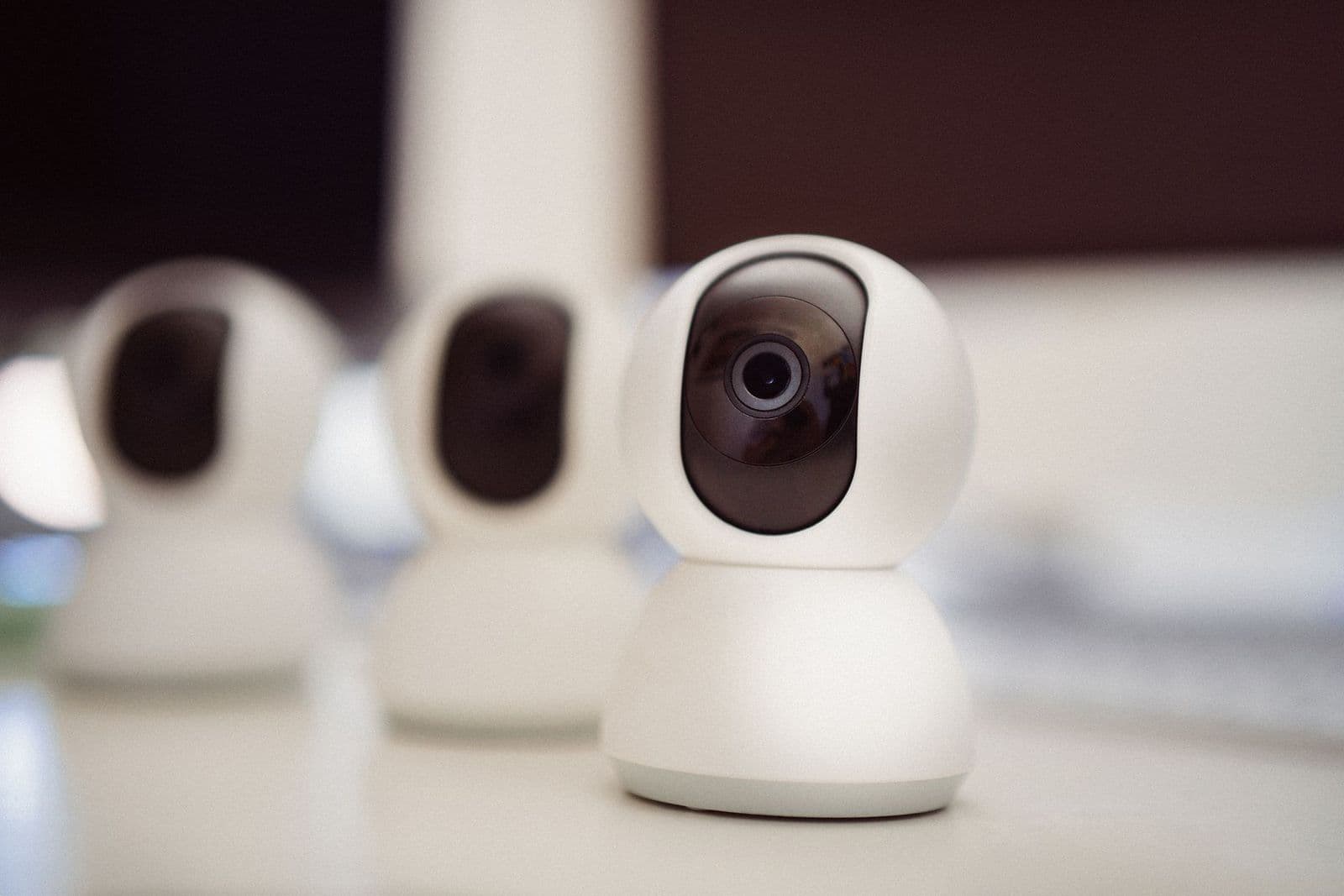
Compare clip on, travel, and wide angle Bluetooth webcams by type, with clear guidance on resolution, battery life, range, and mounts before you buy.
Shopping for a camera that connects without a cable can feel confusing, because the listings mix small travel models, wide angle room cameras, and standard desk cameras under one label. The models sold as the best bluetooth webcams differ in how they mount, how far they can sit from your computer, and how much battery they carry. This guide compares the main types side by side so you can match a style to your desk, your calls, and your budget.
Start with the type, then check the details that shape daily use, such as resolution, microphone pickup, and charging. The sections below explain what those facts mean in practice.
Types of Bluetooth Webcams Compared
Most wireless cameras fall into four broad types, and each type suits a different setup. The descriptions below focus on how each type behaves in real calls. Simple travel models often cost under $50. Advanced conference models run about $150 to $250.
Clip On Monitor Models
This is the standard desk shape, with a clamp that grips the top edge of your monitor or laptop screen and holds the lens at eye level. Because the camera stays in one place, makers can fit a larger lens and a bigger microphone array than in travel models, so picture and sound tend to be steadier. You give up portability, since the clamp is bulky in a bag. Choose this type if your calls happen at one desk and you want a camera that is always aimed and ready.
Compact Travel Models
Travel models fold flat or shrink down to a small bar that slips into a laptop sleeve. They weigh very little and often include a tiny stand for a hotel desk or a kitchen table. The trade off is a narrower view, a smaller battery, and microphones that pick up more room noise. Pick this type if you present from different places each week and your laptop camera is the weak point you keep apologizing for on calls.
Wide Angle Conference Models
Conference models use a much wider field of view, often 90 to 120 degrees, so two or three people can share one camera around a small table. Many add auto framing, which crops and pans the image to keep faces centered as people shift in their seats. The wide lens can bend straight lines near the edges and makes a solo user look small and distant. Choose this type for team huddles and shared rooms rather than one person calls at a desk.
Flexible Mount Models
These cameras sit on a small tripod, a swivel base, or a short arm instead of a screen clamp, which frees you to aim them almost anywhere. Presenters use them for a side angle during product demos, and teachers aim them down at a desk to show handwriting or parts. The freedom cuts both ways, because a tripod on a crowded desk is easy to knock out of line. Choose this type if you show objects, documents, or a whiteboard as often as you show your face.
Bluetooth Connection vs a Wired USB Camera
A wired USB camera draws power from the computer, never needs charging, and sends an uncompressed signal with no pairing steps. A Bluetooth model trades that simplicity for placement freedom, since you can put the camera on a shelf or across a small room where a cable cannot reach. The wireless link also adds a small delay and depends on battery charge, so a long recording day is less predictable.
Your choice comes down to how fixed your setup is. If your camera never moves, a wired model removes charging and pairing from your routine entirely. If you present standing up, share the camera between rooms, or hate cables across the desk, the wireless route earns its keep. Creators who record long sessions should weigh stability heavily, and our guide to the best webcam for streaming explains how frame rate stability affects recorded video.
How to Choose the Right Bluetooth Webcam
Once you know your type, compare the models on the specs that change daily use rather than the numbers that only look good on a box. The five factors below matter most.
Resolution and Frame Rate
Resolution sets how much detail the sensor captures, with 1080p as the comfortable standard for meetings and 4K useful when you crop the image or record for later editing. Frame rate sets smoothness, with 30 frames per second fine for calls and 60 frames per second better for fast movement. Check the spec sheet for the wireless mode rating, because some cameras drop resolution when no cable is attached. If image quality is your top priority across all camera types, see our guide to the best quality webcams for a deeper look at sensors and lenses.
Bluetooth Range, Latency, and Compatibility
Bluetooth range is usually about 33 feet in open space, and walls, metal desks, and other electronics shrink that distance quickly. Latency is the small delay between your movement and the picture your viewers see, and it stays low enough for conversation on current Bluetooth versions. Compatibility matters just as much, so confirm the camera works with your operating system and shows up as a standard camera inside Zoom, Teams, and Google Meet without extra software. If you use a less common system such as ChromeOS or Linux, check the maker listing before you order.
Battery Life and Charging
Battery ratings are given in hours of active call time, and real results run shorter when the camera uses features such as auto framing or a built in light. Look for USB C charging, which lets you share a cable with your phone or laptop, and check whether the camera can keep working while it charges. A model that dies mid call and cannot run on cable power is a poor fit for back to back meeting days.
Microphones and Sound Pickup
Your viewers forgive a soft picture faster than muddy sound, so microphone quality deserves real attention. Dual microphone arrays with noise reduction focus on your voice and push keyboard clatter and room echo into the background. Pickup range is the detail to check, because a camera placed across a room needs a stronger array than one sitting two feet away. If you often present while moving around, plan on a separate headset or a desk microphone for the parts of the call where you step back from the camera.
Mounting Options and Privacy Shutter
The mount decides where the camera can live, so match it to your screen and your space. A deep clamp suits thick monitors, a slim fold out foot suits laptop lids, and a standard tripod thread opens up shelves and stands. A physical privacy shutter that slides over the lens gives you certainty that no app can override, which a software toggle cannot match. If your real need is watching a room while you are away, that is a different job, and our guide to the best security webcams covers cameras built for it.
Common Mistakes to Avoid
- Buying on headline resolution alone, so the softer wireless mode rating surprises you on your first recorded call.
- Placing the camera at the far edge of its wireless range, so walls and furniture cause dropouts during meetings.
- Skipping the compatibility check, so the camera pairs with your computer but your meeting app cannot select it.
- Choosing a wide angle conference model for solo desk calls, so your face looks small and the room edges bend.
- Letting the battery run flat before a long call, so the camera shuts down in the middle of a presentation.
- Mounting the camera well above eye level, so you appear to look down at viewers and eye contact feels off.
Setup and Care Tips
Charge the camera fully before the first pairing, then open the Bluetooth settings on your computer and pair it like any other wireless device. Open your meeting app afterward and select the camera and its microphone in the app settings, since pairing with the computer alone does not switch your apps over. Do a short test call with a friend or a recording of yourself to check framing, focus, and sound before a call that matters.
If you are building a tidy wireless desk, pair your camera alongside your other devices one at a time so the computer saves each connection cleanly. Our guide to the best bluetooth sets shows how a camera, keyboard, and mouse can share one setup, and our guide to the best bluetooth keyboards covers pairing order and switching between devices.
For care, wipe the lens with a clean microfiber cloth and never with a paper towel, which can leave fine scratches on the coating. Update the firmware through the companion app when the maker releases one, since updates often improve focus behavior and connection stability. Store the camera with the shutter closed, keep it away from heat sources such as radiators, and recharge it before long storage so the battery does not sit empty for months.
Frequently Asked Questions
How far can a Bluetooth webcam be placed from a computer?
A Bluetooth webcam works best within about 33 feet of the computer, with a clear line of sight between the two. You can stretch a weak connection by moving the computer closer, clearing metal objects from the path, or placing the camera on the desk edge nearest the computer. A small receiver plugged into a front facing port on a desktop tower often holds a steadier link than a rear port hidden behind the case.
Does a Bluetooth webcam work with Zoom and Microsoft Teams?
Yes, a Bluetooth webcam appears as a standard camera in Zoom, Microsoft Teams, and Google Meet once it is paired with your computer. If the camera does not show up, open the video settings inside the app and select it manually, then check your system privacy settings to confirm the app has permission to use cameras. Restarting the meeting app after pairing solves most first time selection problems.
Can a Bluetooth webcam send 1080p video without a cable?
Yes, many Bluetooth webcams send 1080p video wirelessly, though the picture is compressed more than a wired signal at the same rating. That compression softens fine detail such as text on a shared document, so a wired connection still wins for screen sharing heavy work. Good lighting closes much of the gap, because a bright, even light lets the camera use a cleaner, sharper image at any connection type.
How long does a Bluetooth webcam battery last between charges?
Most Bluetooth webcam batteries last about 3 to 6 hours of active calling, depending on resolution, frame rate, and extra features. Using a built in light or constant auto framing can cut that time sharply, so turn those features off when you do not need them. Watch the charge indicator in the companion app rather than guessing, and plug in during lunch on heavy meeting days to stay ahead of the battery.
What should you do when a Bluetooth webcam keeps disconnecting?
Start by removing the camera from your computer Bluetooth list and pairing it again from scratch, which clears most corrupted connections. Move other wireless devices a little farther away, since crowded signals in a small space can interrupt the link. If dropouts continue, update the camera firmware and your computer Bluetooth driver, then test the camera with a second computer to learn whether the fault sits with the camera or the machine.
Final Thoughts
The right choice starts with type, so pick the shape that fits your desk or your travel bag before you compare specs. After that, wireless range, battery life, and microphone pickup shape your daily experience far more than a headline resolution number. When you are ready to choose among the best bluetooth webcams for your setup, weigh your finalists on these points and pick the one that matches how you actually work.


