
Best Bluetooth Turntable Speakers: Buying Guide for 2026
Disclosure: We may earn a commission when you buy through links on this page, at no extra cost to you. As an Amazon Associate I earn from qualifying purchases. Learn more

Learn about phono stages, Bluetooth direction and speaker placement to choose the best bluetooth turntable speakers for your records.
Vinyl is simple at heart, but connecting a turntable to modern speakers confuses many buyers. Some turntables send Bluetooth out, some speakers accept Bluetooth in, and many setups still need a phono stage that listings mention only in fine print. This guide untangles those paths so you can choose with confidence. If you want the best bluetooth turntable speakers for your records, the product table below is your starting point, and the sections after it explain every decision in plain language.
You will learn which Bluetooth direction your setup needs, when a wired connection serves vinyl better, and how speaker size and placement shape the warm, detailed sound people want from records.

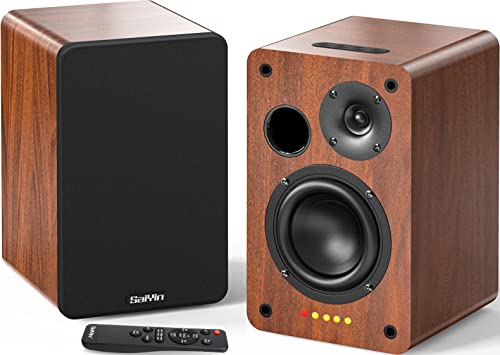


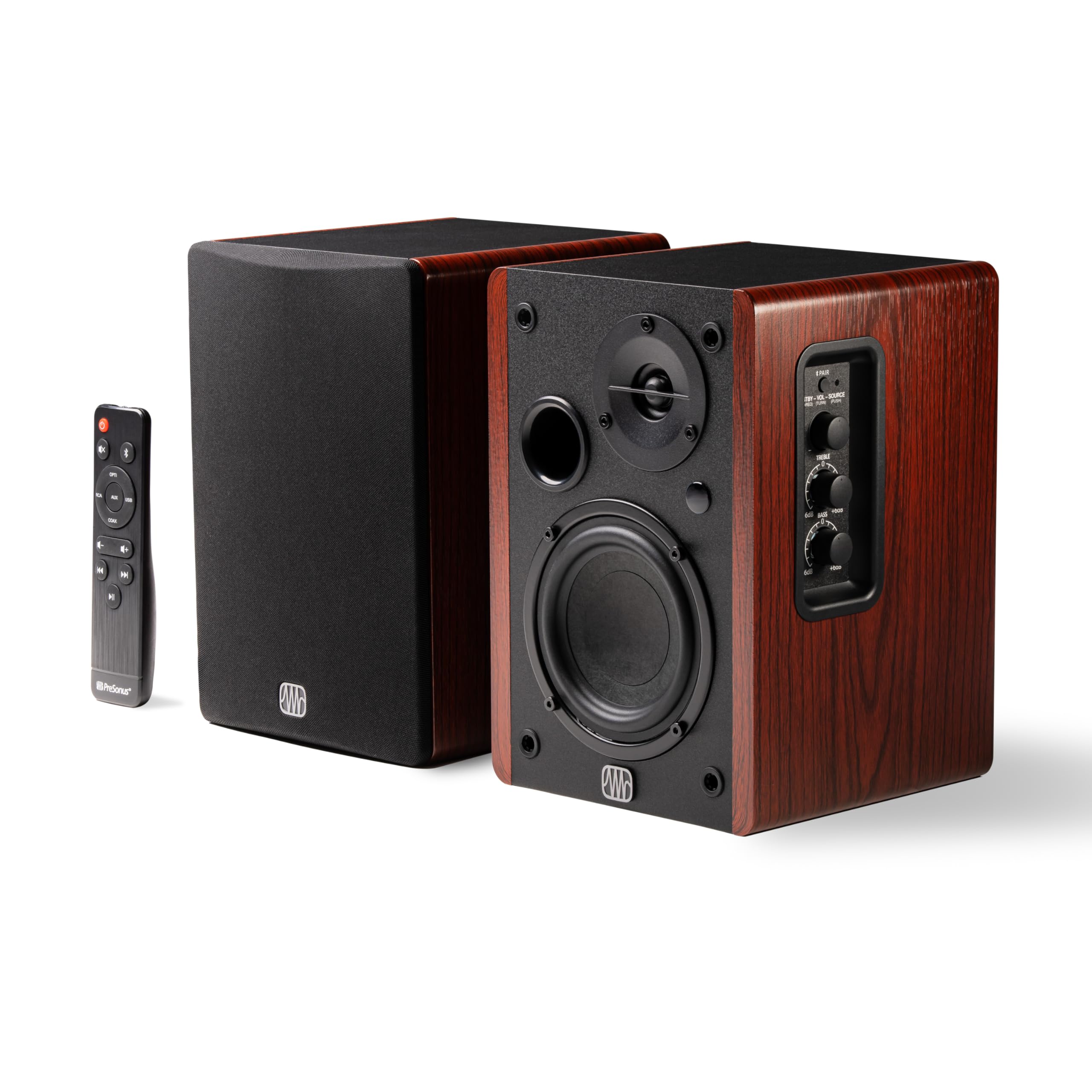


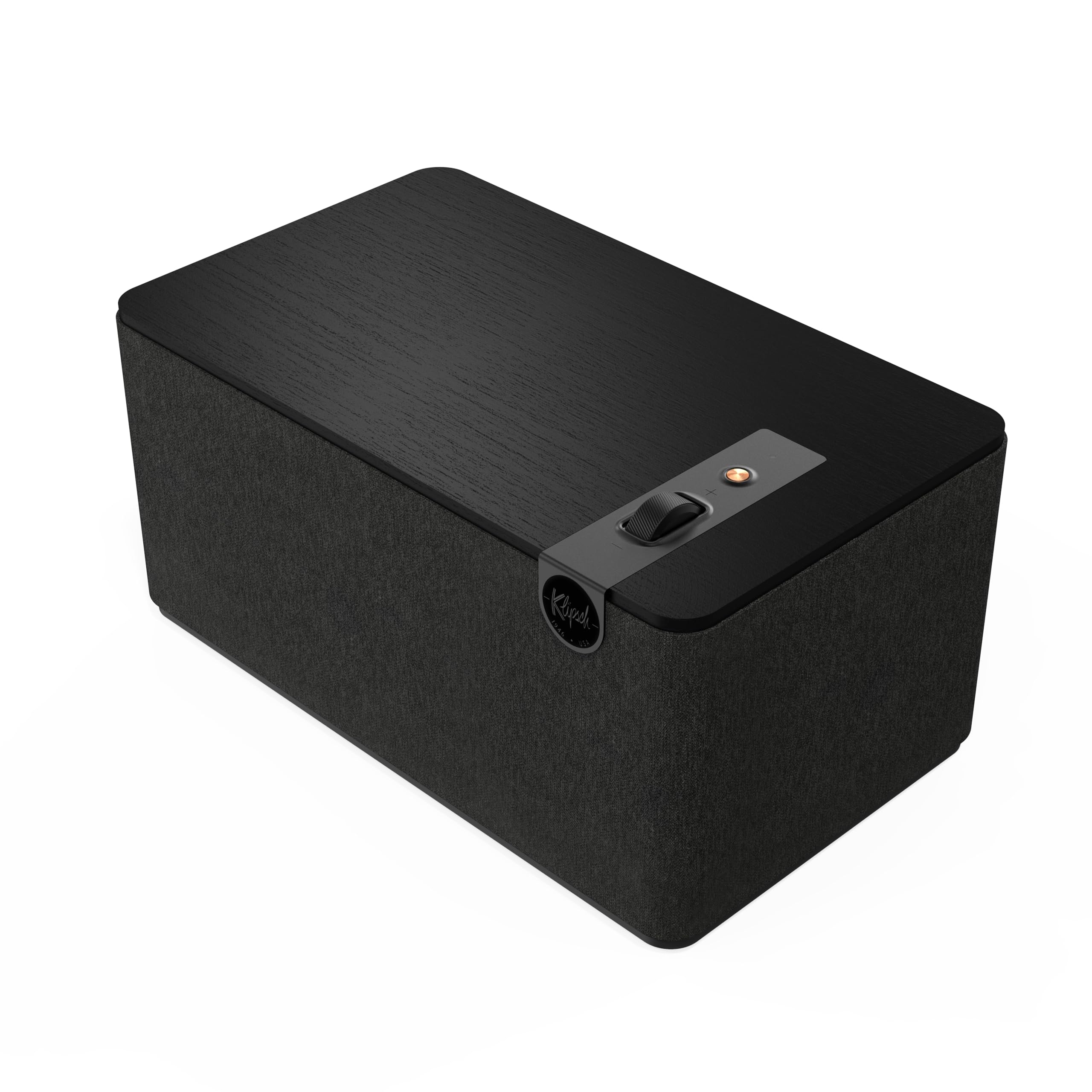
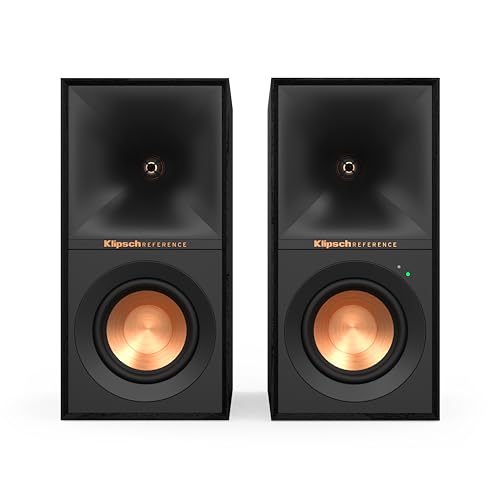
Three Buying Profiles at a Glance
Use these profiles instead of chasing individual models. Each one describes who it fits, the traits to demand, and the compromise you accept at that level.
The Full Living Room Profile
This profile fits most record listeners: powered bookshelf speakers with a built in phono input, Bluetooth for phone streaming, and enough driver size to fill a living room. Expect about $300 to $600 for the pair. Strengths include one tidy system that plays records and phone music equally well, plus simple volume control from one remote. The compromise is upgrade limits, since powered speakers combine amplifier and speaker in one cabinet.
The Small Room Profile
This profile fits smaller rooms and first vinyl setups: compact powered speakers with Bluetooth input and a phono ready input or a turntable that already includes a phono stage. Expect about $150 to $300. Strengths are low total cost, small footprint, and setup that takes minutes. The compromise is bass depth and maximum volume, which stay modest. Listeners in this group often sit close to the speakers, and near field listening hides many of those limits well.
The First Vinyl Setup Profile
This profile favors freedom from mistakes: a matched setup where the connection path is simple, the phono question is already solved, and Bluetooth pairing is automatic and stable. Expect about $200 to $400 for speakers that suit a starter turntable. Strengths are confidence and speed, because every part is designed to work together. The compromise is flexibility, since simple systems offer fewer inputs for future gear such as a CD player or a TV.
How to Choose the Best Bluetooth Turntable Speakers: Buying Guide
Sound Quality and Tuning
Records reward speakers with clear midrange and controlled bass. Vocals, guitars, and piano live in the midrange, while loose bass muddies the detail that makes vinyl enjoyable. Driver size around four to five inches suits most rooms, with a separate bass unit as an option for larger spaces. Frequency response figures help only when paired with honest driver information, so weigh both.
Listen for tuning that stays balanced at low volume, because much home listening happens quietly in the evening. Speakers that only sound lively when loud will disappoint daily. If a model offers simple bass and treble controls, you gain an easy way to adjust for your room without extra gear.
Connectivity, Bluetooth Version, Codecs, and Wired Options
Sort out direction first. If your turntable has Bluetooth output, it sends sound to speakers that receive Bluetooth. If your turntable lacks Bluetooth, you can still use speakers with Bluetooth input for your phone, and connect the turntable by cable, which is often the better sounding plan anyway. Many buyers need Bluetooth only for casual phone listening, not for records at all.
A recent Bluetooth version gives steadier pairing and better range in the same room. Codec support matters modestly for phone music and little for a wired record connection. Count the wired inputs as well: a phono input, a line input, and an optical input for a TV make one pair of speakers serve the whole room. Our guide to the best turntable and speakers explains matched system planning in more detail.
The Phono Stage Question
A turntable signal is very quiet and needs a phono stage to raise it to normal level and apply the equalization records are cut with. That stage can live inside the turntable, inside the speakers, or in a separate small box. If neither your turntable nor your speakers include one, records will sound thin and faint no matter how good the speakers are.
Check this before you buy anything else, because it is the most common cause of a disappointing first setup. A switch marked phono and line on either device usually signals a built in stage. Owners of one popular brand can also read our guide to the best bluetooth speakers for audio technica turntable for brand specific connection notes.
App Features and Everyday Controls
Some powered speakers add an app with an equalizer, input naming, and firmware updates. These extras help, but a physical remote and front controls matter more, because you will change volume and inputs daily. Auto wake is a quiet star feature: speakers that wake when the turntable starts playing remove a small daily friction you will appreciate for years.
Firmware updates can fix Bluetooth pairing faults, so favor makers with a clear support page. Avoid speakers that require an app for basic volume, since a lost phone or a changed account should never silence your records. Simple, dependable controls age better than clever features.
Power, Battery, and Portability
Most turntable speakers plug into the wall, and that is a strength, because records are a sit down activity at home. Battery powered portable speakers can receive a Bluetooth signal from a turntable across the room, which suits renters who cannot run cables, but small portables give up bass and stereo separation. Treat portables as a second listening option, not the main vinyl system.
If you do choose a portable for records, check playtime at realistic volume, often far below the rated figure, and confirm it can play while charging. For the main system, spend on powered bookshelf speakers and enjoy stable power with no charging routine at all.
Size, Weight, and Placement
Speaker size must match your furniture and your listening distance. Bookshelf speakers need stands or a solid shelf, some space from the wall behind them, and height near your ears when seated. Heavy, well built cabinets vibrate less and sound cleaner, so solid weight in this category is usually a good sign rather than a flaw.
Practical tip: keep the turntable and the speakers on separate surfaces. Speakers on the same shelf as the turntable can feed vibration back into the needle, which blurs sound and can cause skipping at higher volume. A sturdy separate stand or a different shelf solves it. Also keep speakers away from room corners unless you want extra bass boom.
Reducing Noise and Vibration
Vinyl has no noise cancelling, so your defense against muddy sound is setup care. Route audio cables away from power cables to reduce hum, and confirm the turntable ground wire is connected when your gear provides one, since a missing ground is a classic cause of buzz. A firm, level surface under the turntable protects both sound and records.
Room noise matters too. Listening in a quiet room at moderate volume reveals more detail than louder listening over household noise. Soft furnishings, a rug, and curtains calm reflections in hard rooms and often improve a modest system more than an upgrade would. Treat the room as part of the system.
Types of Bluetooth Turntable Speakers
Powered Bookshelf Speakers
Powered bookshelf speakers contain their own amplifier, so the turntable connects directly without a receiver. They are the most popular type for vinyl because they balance sound, size, and simple setup. Most include Bluetooth for phone use. They suit living rooms, dens, and bedrooms where one pair of speakers should handle records and everyday listening without a stack of equipment.
Passive Speakers With an Amplifier
Passive speakers need a separate amplifier or receiver, which adds cost and boxes but gives the most upgrade freedom. You can improve the amplifier later, add more sources, and choose speakers purely for sound. This type suits committed listeners building a system over time. The downside is complexity and more cables, so beginners should weigh patience honestly before choosing this path.
Portable Bluetooth Speakers
Portable speakers receive a wireless signal from a Bluetooth turntable and play anywhere in the home. They offer freedom and low cost, and they double as everyday speakers for phones. Their limits are real for vinyl: small drivers, mono or narrow stereo on many models, and battery management. Choose them as a flexible extra or a starter step, not as the final word in record sound.
Tips to Get the Most From Your Bluetooth Turntable Speaker
- Solve the phono stage first. Confirm where the phono stage lives before judging any other feature.
- Separate the surfaces. Keep speakers off the turntable shelf to stop vibration reaching the needle.
- Use the cable for records when you can. A wired turntable connection avoids Bluetooth delay and compression entirely.
- Level and aim the speakers. Tweeters near ear height and a slight angle toward your seat sharpen detail.
- Keep firmware updated. Updates often repair pairing problems between speakers and phones.
- Clean records and the stylus gently. Dust is the main source of pops, and a clean record protects both sound and gear. Listeners who also enjoy outdoor listening can see our guide to the best quality bluetooth speakers for portable options.
Bluetooth Turntable Speakers: Your Questions Answered
How long does the battery last?
Wall powered turntable speakers have no battery, which is one of their conveniences. Portable Bluetooth speakers used with a turntable typically play about eight to twenty hours per charge at moderate volume, and less when loud. If records are your main use, a powered pair removes charging from your routine entirely, so weigh that daily ease when comparing a portable against bookshelf speakers.
What IP rating do I need for outdoor use?
Turntable listening belongs indoors, and most suitable speakers carry no water resistance rating at all. Keep them dry and away from open windows in rain. If you want music outside as well, use a separate rated portable for the patio rather than moving your vinyl speakers. Moisture and dust are both enemies of records, cartridges, and speaker finishes, so indoor storage is part of good care.
Do I need a phono preamp with Bluetooth speakers?
You need a phono stage somewhere in the chain, in the turntable, in the speakers, or in a separate box. Bluetooth does not replace it, because Bluetooth only carries the signal after it has been raised to normal level. Check for a phono and line switch on your turntable or speakers. If neither device offers one, budget for a small separate phono stage before anything else.
Do I need a special codec?
No special codec is required. When the turntable connects by cable, codecs play no role at all. When a turntable sends Bluetooth to speakers, matching standard support on both ends is enough for enjoyable listening, and connection stability matters more than codec names. Listeners who want the finest detail from records usually choose the cable and skip wireless questions entirely.
Wired or wireless: which sounds better?
Wired sounds better for records in most setups, with no compression, no delay, and no pairing faults. Wireless wins on freedom, letting a turntable sit away from the speakers or feed a portable in another room. Many owners use both: cable for serious listening, Bluetooth for casual sessions and phone music. That mix gives you quality when you sit down and convenience the rest of the day.
The Bottom Line
Decide the phono stage question, choose powered bookshelf speakers sized for your room, and keep the turntable on its own surface. Those three choices shape your vinyl sound more than any codec or app feature. Check the product table against your turntable outputs before you order. With the basics right, the best bluetooth turntable speakers will make records warm and clear, and phone listening effortless, in one tidy system.


