
Best Bluetooth Transmitter for Speakers: A First Time Buyer's Guide for 2026
Disclosure: We may earn a commission when you buy through links on this page, at no extra cost to you. As an Amazon Associate I earn from qualifying purchases. Learn more

Shopping for the best bluetooth transmitter for speakers for the first time? Learn the terms, compare options, and avoid rookie mistakes with this easy guide.
You have speakers you like, maybe a sturdy old stereo or a powered speaker with no wireless input, and you want music from your phone to play through them without a cable across the room. A small adapter can make that happen, but the listings are full of unfamiliar words. If you are shopping for the best bluetooth transmitter for speakers for the first time, this guide starts with the basics, explains each key term in plain language, and ends with the mistakes to avoid. The product table below shows the options in one place.
One warning before we start: the word transmitter causes real confusion, and buying the wrong direction of device is the most common beginner error. The basics section clears that up first, so the rest of the guide makes sense.

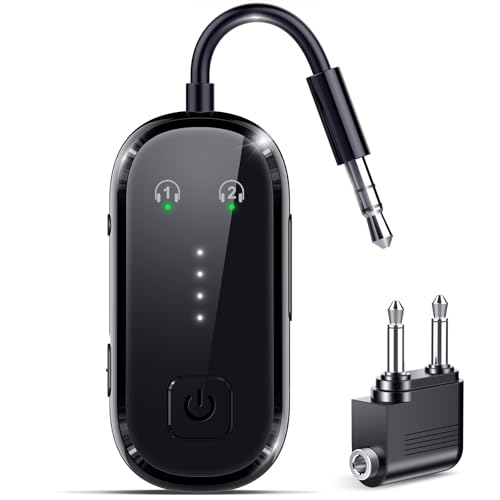
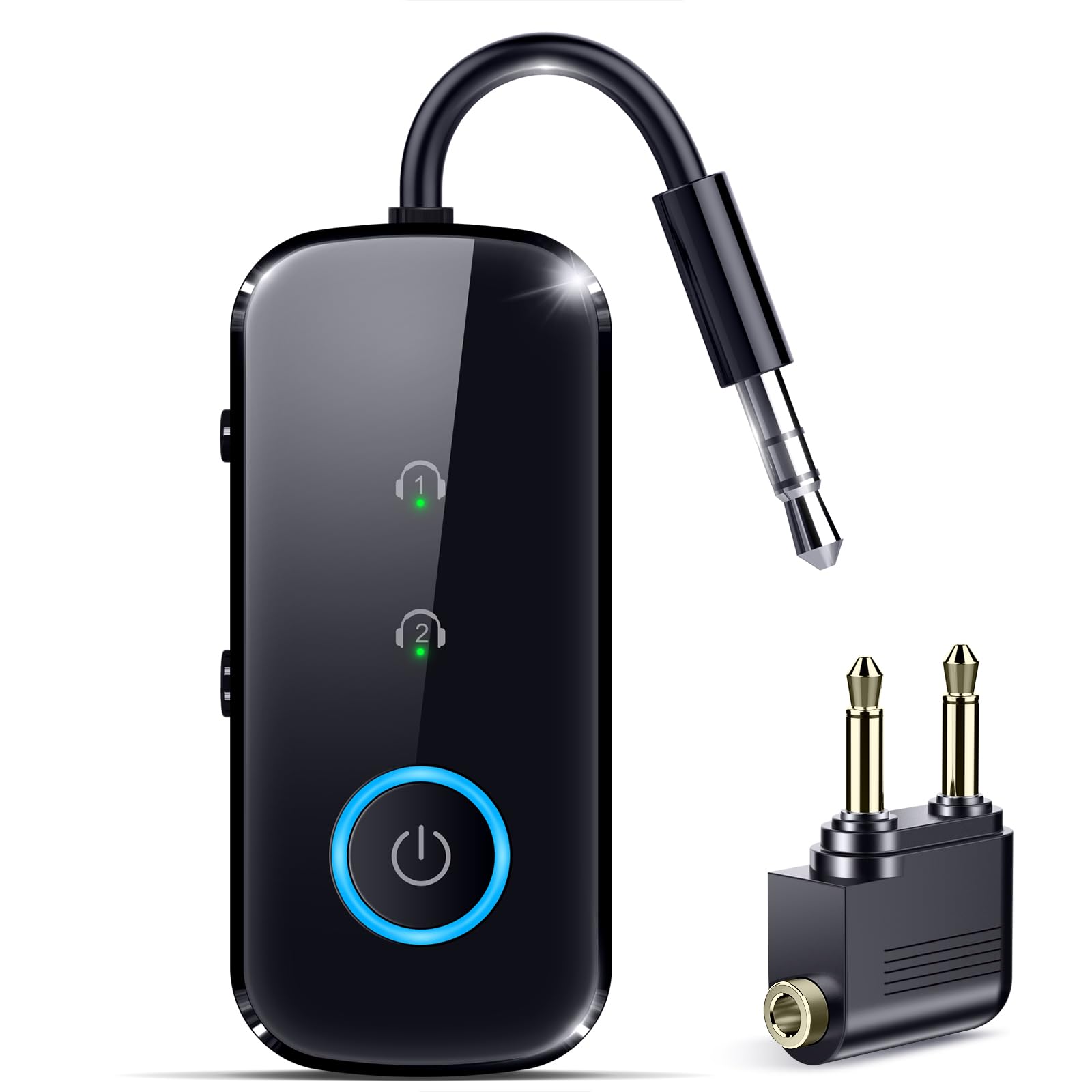
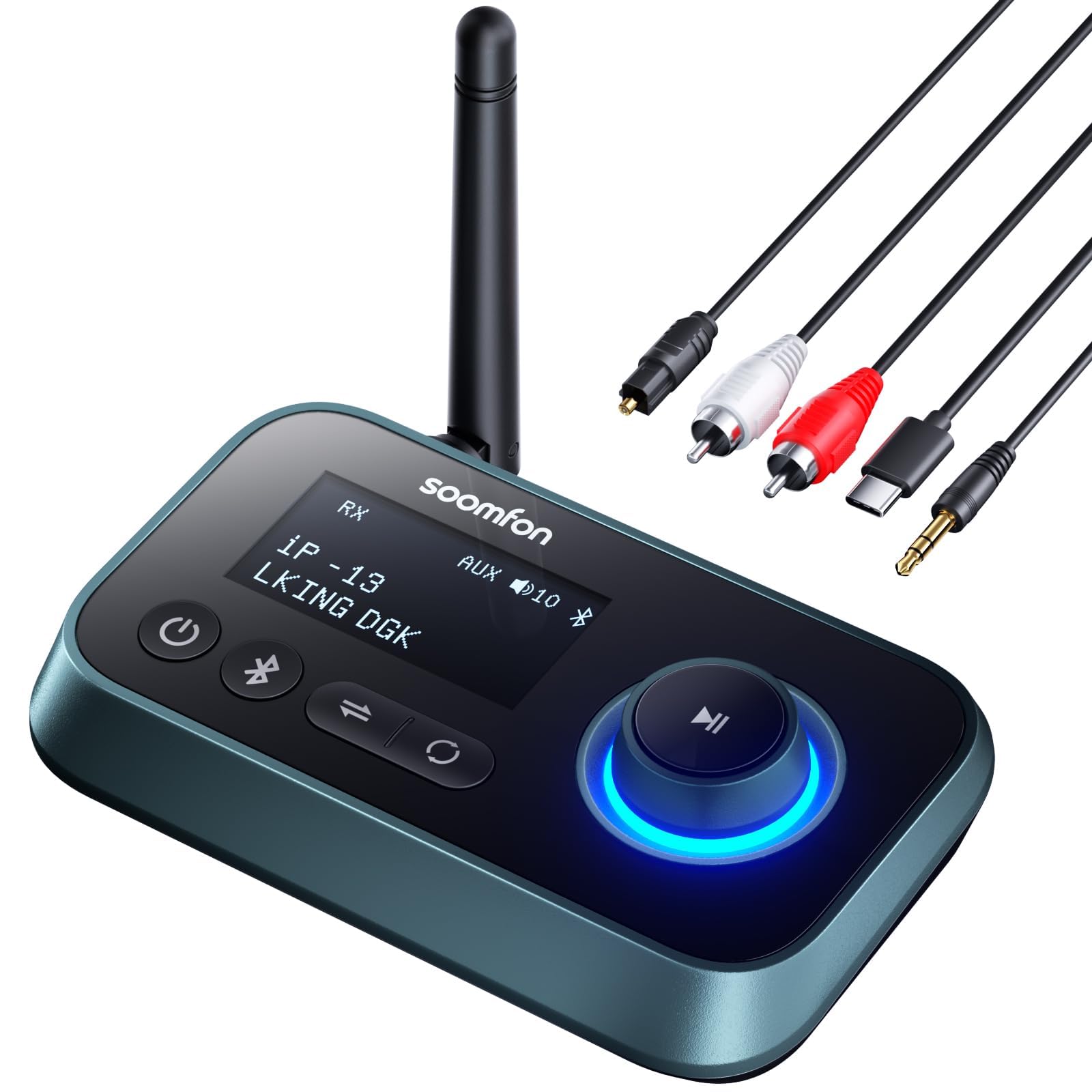
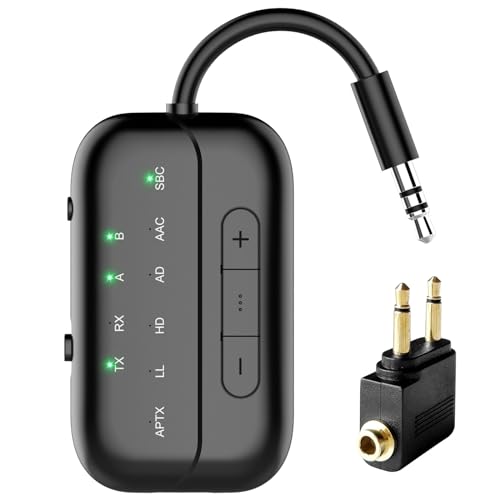


Bluetooth Transmitters 101: The Basics
A Bluetooth receiver accepts a wireless signal and plays it through wired speakers. Your phone sends, the adapter receives, and a short cable carries the sound into your speaker or stereo input. Despite the common search term, most people who want to add Bluetooth to existing speakers need a receiver, or a unit that can switch between sending and receiving modes.
A true transmitter does the opposite job. It takes sound from a wired source, such as a TV or a turntable, and sends it out by Bluetooth to wireless headphones or a wireless speaker. Some adapters offer both modes with a small switch. Sound flows one way in each mode, so check the direction you need before anything else. If your goal is phone to old speakers, you need the receiving direction. If your goal is TV to wireless speaker, you need the transmitting direction. Many flexible units do both, and they cost only a little more.
Key Specs Explained in Plain English
Features That Matter for Speakers
Speakers place specific demands on an adapter. First, the output must match your speaker input, usually a standard audio cable connection or an optical digital input on newer gear. Second, output level matters, because a weak output forces you to raise speaker volume and hear more background hiss. Third, the adapter should stay powered and ready, since a unit that sleeps and disconnects will frustrate you daily.
Look for clear mode labeling, a pairing button you can reach, and an indicator light that shows connection state at a glance. If the adapter will feed a stereo for the whole home, range through walls matters too. Speaker focused features beat generic gadget extras every time, so skip adapters that advertise many functions but hide basic input and output details.
Sound Quality and Tuning
An adapter should pass sound cleanly without adding hiss, hum, or distortion. A good signal to noise figure and support for common quality codecs help, but honest basics matter more at this price level. Expect prices from under $30 for simple units to about $80 to $120 for units with digital outputs and stronger wireless parts.
Practical tip: a ground loop hum, heard as a steady buzz, often comes from powering the adapter and the stereo from outlets on different circuits or from a noisy USB port. Power the adapter from the same outlet strip as the stereo, or use a clean separate USB supply, and the hum often vanishes. This one check saves many needless returns. If you care deeply about fidelity, our guide to the best quality sound bluetooth speakers explains what clean wireless sound involves.
Connectivity, Bluetooth Version, Codecs, and Wired Options
A recent Bluetooth version, such as 5.3, gives better range and a steadier link than older versions. Codecs are the methods used to pack music for wireless travel. Standard support works for everyone, while advanced options can improve quality with matching phones. Latency, the small delay in the link, barely matters for music, but it matters if the same adapter will serve TV sound.
Multipoint pairing lets two phones stay connected and take turns, which suits shared homes. Listeners comparing complete wireless speakers rather than adapters can see our guide to the best quality bluetooth speakers as well. Check which wired outputs the unit offers before buying: analog audio out suits almost every speaker, while optical out suits newer soundbars and amplifiers and can sound cleaner. A unit with both outputs covers future gear changes. Range claims assume open space, so expect less through walls and floors.
Placement and Room Size for Speakers
Where the adapter sits shapes how well it works. Bluetooth passes through wood and drywall fairly well but struggles with metal cabinets, thick masonry, and aquariums full of water. Place the adapter on top of the stereo or beside the speaker rather than hidden behind it, and keep it away from WiFi routers when possible, since crowded wireless space can cause dropouts.
In a large room or across two rooms, choose a unit with a stronger antenna design or plan to keep your phone in the same room while music plays. For outdoor speakers on a patio, an adapter near a window often links better than one deep inside the house. Buyers setting up patio sound may also find our guide to the best bluetooth speakers for outside useful for the speaker side of the system.
Size, Power, and Controls
Most adapters are small boxes that hide behind gear, so controls must stay reachable for pairing new phones. A unit powered by USB needs a supply that stays on, because a TV USB port that powers down with the screen will cut your music setup each time. Battery powered units suit portable speakers but add charging chores for a fixed home setup, so mains power is usually the smarter pick at home.
Check what the package includes. A missing cable or power supply can double the real cost of a cheap adapter. Clear printed labels for mode, input, and output sound minor, yet they decide how painless setup feels at the back of a dark stereo cabinet. Favor units with a physical mode switch over units that change modes through long button presses you must memorize.
Rookie Mistakes to Avoid
- Buying the wrong direction. A transmitter alone cannot receive music from your phone. Confirm the unit receives, or offers both modes, before ordering.
- Ignoring the speaker input. Check whether your speaker takes analog audio, optical, or both, and match the adapter outputs to it.
- Trusting range claims. Advertised range assumes open air with no walls. Plan for far less indoors and place the unit with care.
- Powering from a sleepy USB port. If the port turns off with the TV, your adapter vanishes from your phone list. Use an always on supply.
- Paying for codecs your phone lacks. Advanced codec support only helps when the sending phone uses the same codec. Check your phone first.
Getting Started: Setup and First Use
Setup takes about ten minutes. Connect the adapter output to your speaker input, connect power, and select the correct mode if the unit offers more than one. Put the adapter into pairing mode, open Bluetooth settings on your phone, and choose the adapter name. Play a song and set the speaker volume to a healthy level, then control daily volume from your phone.
Practical tip: name a sensible volume balance once and stick to it. Keep the phone volume near the top and the speaker volume moderate, which gives clean sound with room to adjust. Test the link from your usual listening seat and from the next room before you tidy cables away. If the signal drops, move the adapter a short distance and test again, because small moves often fix wireless shadows. Update firmware if the maker offers an app or a simple update tool.
Bluetooth Transmitters: Your Questions Answered
What features matter most in bluetooth transmitters for speakers?
The receiving mode matters most, followed by an output that matches your speaker input and a power supply that stays on. A clear pairing button and a visible connection light save repeated frustration. One feature beginners overlook is auto reconnect: a good unit reconnects to your phone when you come home, without a trip into settings. That daily convenience is worth more than exotic codec support.
Do I need a special codec?
No, you do not need a special codec for normal listening. Standard Bluetooth audio sounds good through most home speakers, especially with background listening and everyday playlists. Advanced codecs can help critical listeners when the phone supports them too. Spend first on correct outputs, stable range, and clean power, because those decide whether the system works happily at all.
How long does the battery last?
Battery life only applies to portable units, which typically run about eight to twenty hours per charge depending on volume and mode. For a fixed home setup, choose a mains powered unit and skip battery concerns entirely. If you do pick a battery unit for a portable speaker, check whether it can play while charging, since that turns it into a flexible home unit as well.
Wired or wireless: which sounds better?
A direct cable still gives the most stable and detailed sound, with no delay and no dropouts. A good Bluetooth adapter comes close enough that most listeners enjoy music without noticing a gap, especially through modest speakers. Choose wireless for convenience and cable free rooms, and keep a cable handy for critical listening or for troubleshooting hum and dropout problems.
Is noise cancelling relevant for a speaker adapter?
No, noise cancelling is a headphone feature and does not apply to feeding speakers. What you may hear called noise in this category is hiss or hum from poor power or grounding, which good setup solves. If a listing for a speaker adapter leads with noise cancelling claims, treat it as a sign the seller is copying headphone text, and check the real specifications with extra care.
What IP rating do I need for outdoor use?
Most adapters have no water resistance rating and belong indoors. If your speakers live on a covered patio, keep the adapter under cover, dry, and away from direct rain, or choose a unit clearly rated for outdoor use. Moisture in connectors causes corrosion over time, so bring portable units inside after events. When in doubt, protect the electronics and let the speakers face the weather.
The Bottom Line
Confirm the direction first, match the output to your speaker, and power the unit from a supply that stays on. Those three decisions prevent nearly every beginner problem. Compare the options in the product table with your speaker inputs in front of you, and keep the setup tips nearby on day one. Chosen well, the best bluetooth transmitter for speakers setup quietly turns speakers you already love into wireless speakers you will use every day.


