
Best Bluetooth Tailgate Speakers: Every Type Explained Side by Side for 2026
Disclosure: We may earn a commission when you buy through links on this page, at no extra cost to you. As an Amazon Associate I earn from qualifying purchases. Learn more

Compare party box, rugged portable and PA style speakers to choose the best bluetooth tailgate speakers for your group size and parking spot.
A tailgate speaker has a hard job. It must carry over crowd noise, engine sounds, and open air, survive a ride in a truck bed, and still have battery left when the game ends. Listings blur together because every brand claims huge power and long playtime. This guide sorts the best bluetooth tailgate speakers into clear types, explains what each type does well, and shows where each one falls short. Start with the comparison table below, then read the type that matches your game day.
Your real decision is about size and stamina. A speaker that is perfect for four friends around one truck can vanish in a lot with two hundred people, while a giant party box can be miserable to haul for a small gathering.

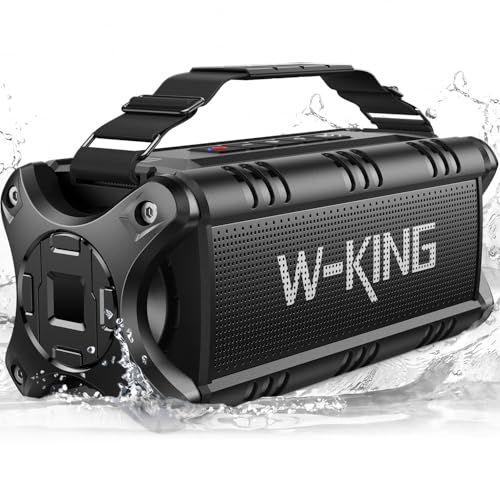
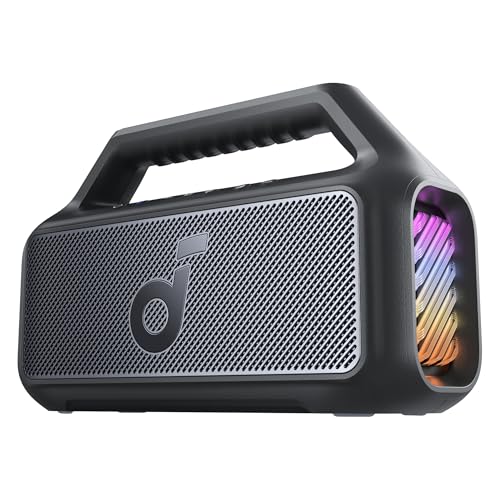
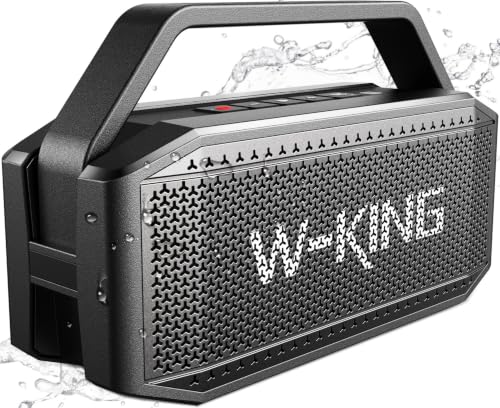


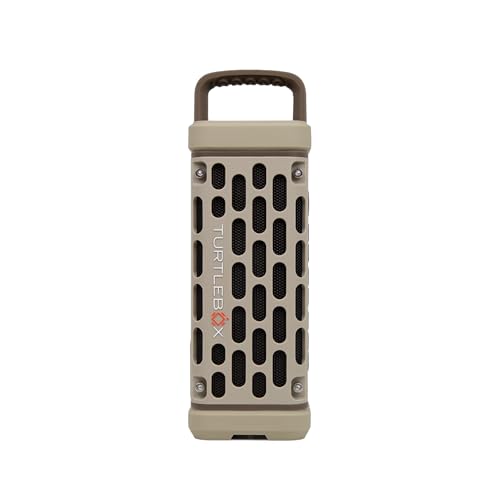


Types of Bluetooth Tailgate Speakers Compared
Three types cover nearly every pick among the best bluetooth tailgate speakers. All in one party boxes aim for maximum volume and bass. Rugged portable speakers trade some output for easy carrying and weather resistance. PA style speakers add microphone inputs and coverage for announcements, raffles, and large group events. Price rises with size and output, roughly from under $100 for small portables to about $300 to $600 for large party and PA units.
All in One Party Box Speakers
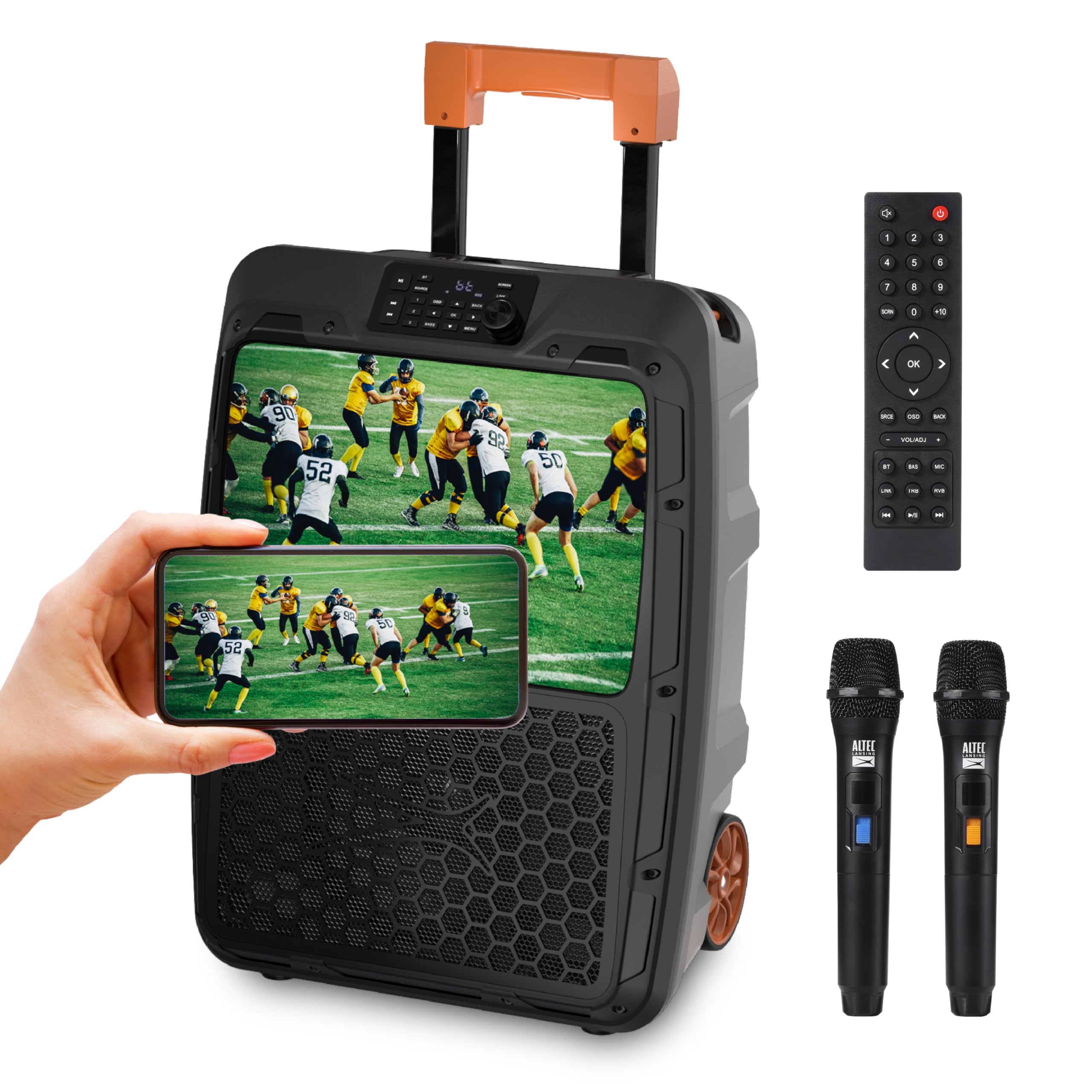
Party boxes pack large drivers, a big battery, and often wheels plus a pull handle into one tall unit. They are built to be the single sound source for a parking lot setup, and many add light effects, a microphone input, and the ability to link a second unit for wider coverage. Bass output is their calling card, and they hold clarity at volumes that make small speakers strain.
The cost is bulk. A party box can weigh as much as a full cooler, and it eats cargo space fast. Battery ratings also shrink fast at full volume, so a rating earned at moderate listening may halve on game day. Choose this type if your group is large, your spot is fixed for hours, and one person can handle transport with a vehicle close by. Our guide to the best tailgate speakers covers the wider category beyond Bluetooth models.
Rugged Portable Speakers
Rugged portables are smaller units built with sealed bodies, strong grilles, and water resistance for outdoor life. They ride in a tote or a backpack, set up on a cooler or a truck tailgate, and shrug off splashes and dust. For groups of two to eight people, a good portable gives plenty of volume with far less hauling effort.
Their limit is physics. Small drivers move less air, so bass thins out in open spaces and volume runs out in a noisy lot. They suit fans who walk to their spot, move between groups, or tailgate at beaches and campsites as well as games. If your gathering stays close around one vehicle, this type often gives the best balance of sound, size, and price.
PA Style and Microphone Ready Speakers
PA style speakers are built for coverage and voices as much as music. They include microphone inputs, simple tone controls, and designs that project sound across a wide area. Alumni groups, fan clubs, and event organizers like them because one unit can play music, then handle announcements and prize drawings without swapping gear.
They trade some deep bass and polish for that reach and flexibility, and their boxy shapes are less fun to look at. Setup also takes a bit more thought, since a microphone too close to the speaker causes feedback squeal. Choose this type when your tailgate doubles as a small event, or when clear speech across a crowd matters as much as the playlist.
Party Box vs Rugged Portable: Which Should You Choose?
Compare the two most common types on five points. For volume in open air, the party box wins clearly. For carrying comfort, the portable wins, especially if you park far from your spot. For battery at real game day volume, the party box usually lasts longer thanks to its bigger battery, though both drop from their rated hours. For weather and rough handling, rugged portables often carry stronger water resistance ratings. For price, portables start far lower, under $100 to about $250, while party boxes commonly run about $250 to $600.
The deciding question is distance. If the speaker travels from your shoulder to the ground in under a minute, buy the portable. If it rolls from a vehicle parked at your spot, the party box earns its size. Groups that host other fans should lean larger, because guests spread out and talk, and that raises the volume you need.
How to Choose the Right Bluetooth Tailgate Speaker
Volume, Coverage, and Sound in Open Air
Open air eats bass and scatters sound, so outdoor volume is not the same as indoor volume. Look for larger drivers and honest power figures rather than peak numbers with no detail. A speaker that sounds twice as loud needs far more than twice the power, which is why size keeps winning outdoors. Place the speaker on a hard surface and aim it at your group to gain free clarity.
Practical tip: set the speaker at about waist height on a truck bed or a sturdy table instead of on the ground. Height helps sound travel over people and coolers, and you will need less volume for the same clarity, which saves battery. If you often host big groups, a model that can pair with a second identical unit doubles coverage better than one unit pushed to distortion.
Connectivity, Bluetooth Version, and Codecs
Bluetooth 5.3 and similar recent versions hold a steadier link and reach farther across a lot, which matters when the phone owner wanders to a grill two trucks away. Multipoint pairing lets two phones stay connected, so a second person can take over music without a pairing dance. Codec support is a minor point outdoors, where crowd noise hides fine detail, so value stability over codec logos.
Check for a wired input as a backup. A simple cable saves the day when wireless interference hits in a crowded stadium lot full of phones and hotspots. USB playback or a memory card slot also helps at venues with weak cell service, because your music lives on the speaker instead of depending on streaming. For more on outdoor wireless options, see our guide to the best bluetooth speakers for outside.
Sound Quality and Tuning
Tailgate listening favors clear midrange, because voices, lyrics, and sports commentary live there. Very heavy bass tuning can swamp speech outdoors and drain the battery faster. An adjustable equalizer in an app or on the unit lets you cut bass on a windy day and lift voices for a radio broadcast of the game. Frequency response figures mean little without driver size, so judge both together.
If you plan to play the game broadcast itself, test how speech sounds at your usual distance before a big event. Music can hide tuning flaws that commentary exposes in minutes. A speaker with a simple voice or outdoor preset often serves fans better than one with many music only sound modes.
App Features and Linking Options
Useful app features include an equalizer, battery level in plain view, firmware updates, and control of speaker linking. Linking matters at tailgates because two matched speakers spread sound across a wide setup without one unit blasting the nearest listeners. Confirm whether linking needs two identical models, since mixed models often refuse to pair in stereo or party mode.
Keep account demands in mind. An app that forces sign in before basic controls work will annoy you in a lot with weak signal. Physical buttons for volume, play, and pairing are essential, and gloves or wet hands make big simple buttons worth more than touch panels. Readers who care most about fidelity can also see our guide to the best quality bluetooth speakers for home focused listening.
Battery Life and Charging
Rated battery hours are measured at modest volume, so plan on far less at game day levels. As a working rule, expect about half the rated time when the speaker runs loud for hours. Fast charging helps when you forget the night before, and USB power output lets the speaker top up a phone, though that drains music time. Removable batteries are rare, so charging speed matters.
Practical tip: charge fully the night before, then bring the charging cable and use vehicle power during setup while the speaker plays at low volume. That habit tops up the battery during the quiet early hour and leaves you a cushion for the loudest part of the day. In cold weather, keep the speaker in the vehicle until use, because cold batteries deliver less playtime.
How to Make Your Bluetooth Tailgate Speaker Last Longer
Rinse off dust and dried spills with a damp cloth, and let the speaker dry fully before charging, since moisture in a charging port causes damage. Store it indoors at moderate charge rather than empty or full for months. Keep firmware updated for pairing fixes. Transport the speaker secured so it cannot slide around a truck bed, and avoid leaving it in a hot closed vehicle all week, which ages the battery quickly.
Bluetooth Tailgate Speakers: Your Questions Answered
Do I need a special codec?
No, a special codec is not needed for tailgate use. Crowd noise and open air hide the small gains that advanced codecs can offer indoors. A stable connection matters far more, because dropouts annoy everyone at once. Spend your budget on driver size, battery, and build quality first, and treat codec support as a bonus rather than a reason to buy.
How loud does a tailgate speaker need to be?
It needs to stay clear at your listening distance without running at maximum volume. Running at full output causes distortion and drains the battery fast, so choose a speaker that sounds relaxed at the level your group needs. As a guide, small groups within about ten feet need modest output, while large lots call for party box size. Headroom is the real goal.
What IP rating do I need for outdoor use?
An IPX5 rating handles splashes and light rain, which covers most tailgates. IP67 adds protection against dust and brief submersion, useful near coolers, ice melt, and beach trips. Remember that water resistance often drops when a charging port cover is open, so close every cover before the weather turns. Also dry the speaker before storing it in a closed bin.
How long does the battery last?
Real battery life at game day volume is often half the rated figure. A speaker rated at twenty hours may give you about eight to twelve hours of loud outdoor play, which still covers a full event for most fans. Bigger party boxes carry bigger batteries but also drive bigger speakers, so compare ratings within the same size class rather than across all speakers.
Wired or wireless: which sounds better?
A wired connection can sound slightly cleaner and never drops out, but Bluetooth is far more convenient when phones move around the group. Outdoors, most listeners cannot hear a quality gap between a good Bluetooth link and a cable. Keep a cable in your kit anyway, because a wired backup solves interference problems instantly when a crowded lot overwhelms wireless signals.
Final Thoughts
Pick the type first: party box for big fixed setups, rugged portable for easy carrying, PA style when voices and announcements matter. Then judge battery honesty, water resistance, and controls you can use with wet or gloved hands. Compare your finalists with the product table above and think about your walk from parking to your spot. The right best bluetooth tailgate speakers choice is the one that arrives charged, sets up in minutes, and still sounds clear when the lot gets loud.


