Best Bluetooth Studio Speakers 2026: Types, Placement and Features
Disclosure: We may earn a commission when you buy through links on this page, at no extra cost to you. As an Amazon Associate I earn from qualifying purchases. Learn more

Choose the best bluetooth studio speakers by type, inputs, room size and placement for honest, balanced sound.
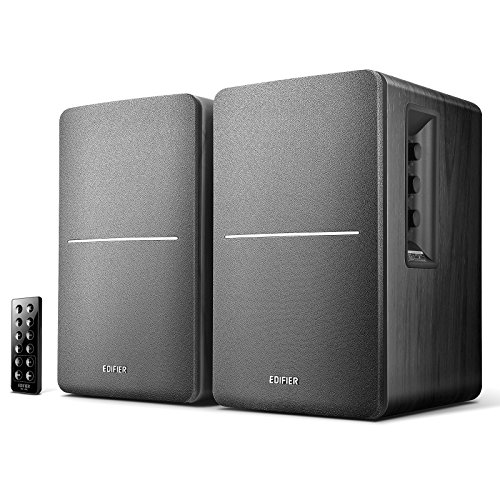
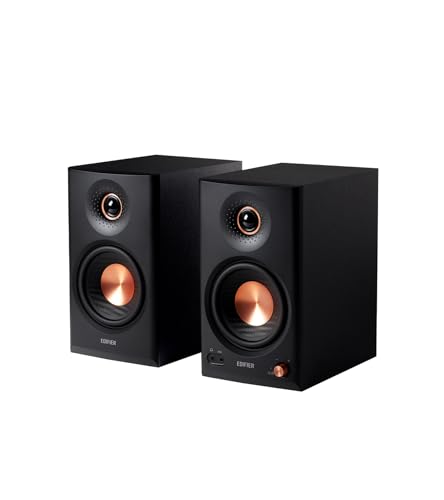
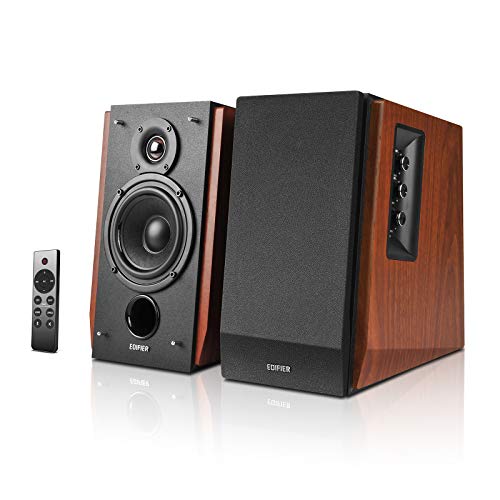
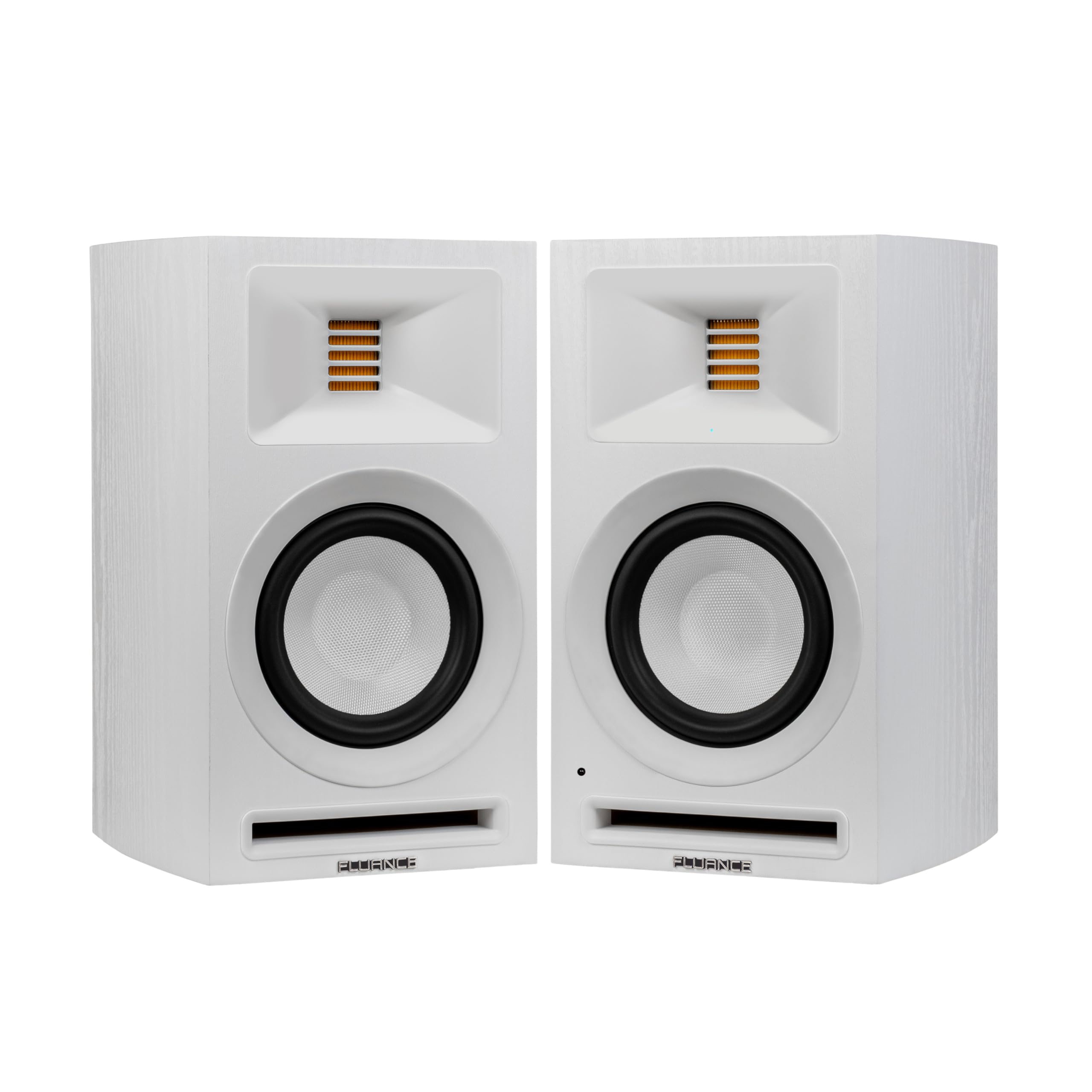
Shopping for best bluetooth studio speakers is easier when you know what matters most. A good pair of bluetooth studio speakers should help you hear a mix honestly, not flatter it. Wireless convenience is welcome, but clarity, balance, and placement matter far more in a small room. The comparison table below brings the main options together, so you can weigh them side by side before you read the detail.
Before you spend anything, think about how you will use best bluetooth studio speakers most days. A choice that suits occasional use may disappoint under daily wear, while a heavy duty option may be more than you need. This guide focuses on practical differences you can check before you buy.
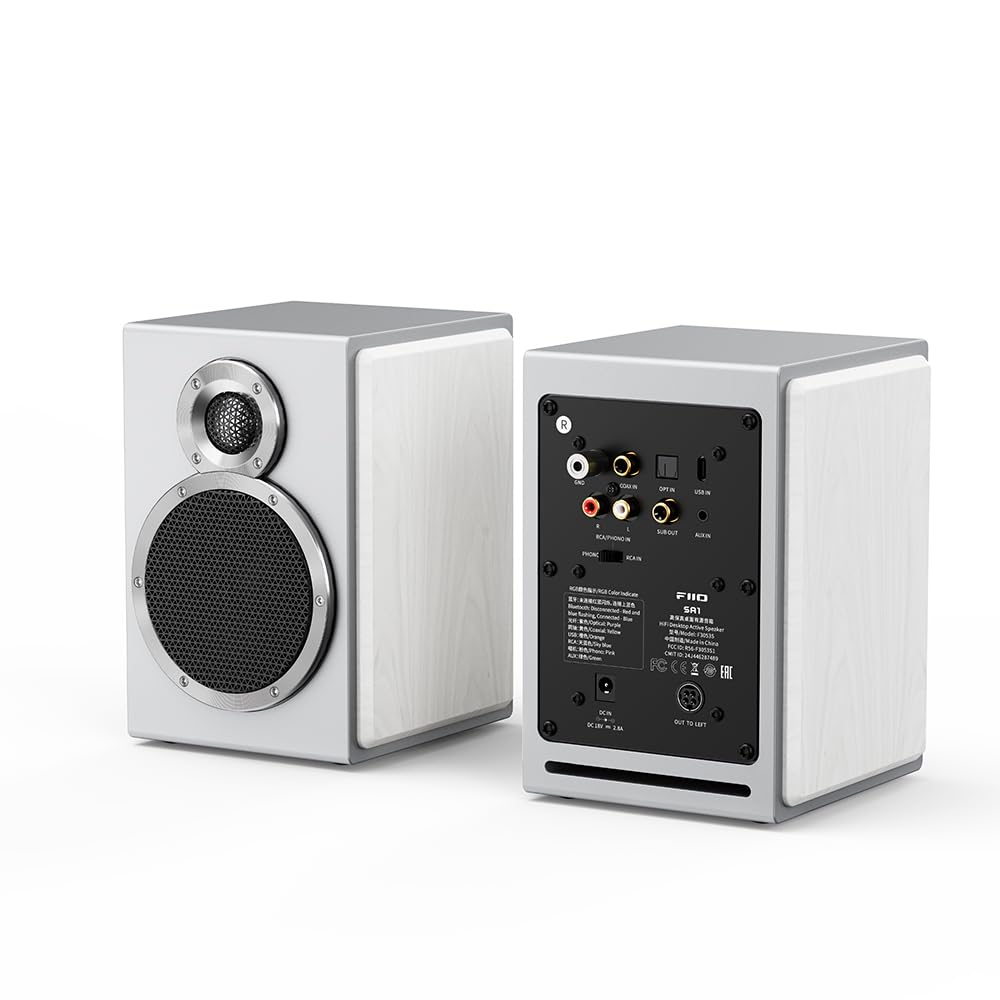

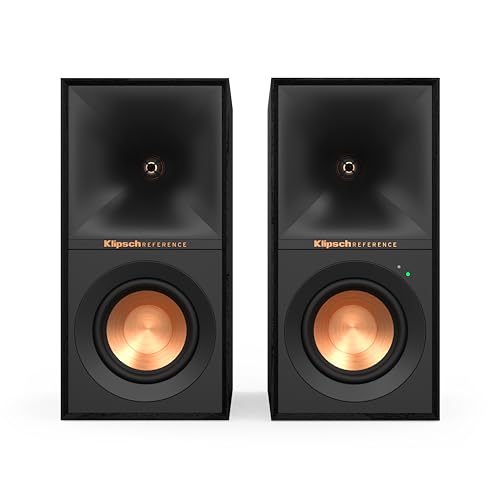

Who Should Buy This Type
This guide suits anyone who wants a thoughtful choice rather than a quick guess. If you use bluetooth studio speakers daily, comfort, durability, and ease of care matter more than a long feature list. If you use them only occasionally, simplicity and value may matter more.
Consider your space, your routine, and your budget together. A larger or more powerful option is not better if it does not fit your room, your hands, or your daily habits. The sections below help you match the product to real use, not to an idealised version of it.
Main Types to Compare
Nearfield monitors with wireless input
These sit close to your desk and reveal detail in vocals, bass, and stereo placement. They suit home studios, editing desks, and small rooms where you listen at modest volume.
Larger midfield style speakers
These fill a bigger room and give bass more weight. They need more space from walls and a sturdier stand, so they suit dedicated studio rooms rather than a crowded desk.
Compact studio style speakers
These trade some low end depth for a smaller footprint. They suit bedroom studios, video editing, and anyone who needs accurate sound without dominating the room.
Comparing types first prevents a common error: buying a good product for the wrong job. Note which type matches your main use, then use the features section to narrow the choice further.
Key Features Worth Checking
- A flat, honest frequency response so mixes translate to other speakers
- Driver and cabinet size matched to your room, not just to your budget
- Stable wireless pairing plus a wired input for critical listening
- Front or rear port placement that works with your wall distance
Work through the list above in order and mark any feature that is a must have for you. A feature that sounds impressive but does not change daily use should not decide the purchase. Focus on two or three features that affect comfort, safety, or long term satisfaction.
Fit, Size, and Everyday Use
Place the speakers at ear height and form a triangle with your listening chair. Keep them away from corners if bass sounds boomy, and try small moves of a few inches before you change any settings. A stable desk or stand prevents vibration from colouring the sound.
Test everyday use in your mind before you buy. Imagine the product in your home, on your commute, or during your normal routine. If a step feels awkward in that mental test, it will probably feel awkward in real life too.
Care and Long Term Value
Dust the drivers gently with a dry cloth and keep drinks away from the cabinets. Check cables and wireless pairing after moving the speakers, and avoid running them at maximum volume for long sessions. Good ventilation around any built in amplifier helps the electronics last longer.
Good care also protects your budget. A product that lasts twice as long with simple maintenance often costs less over time than a cheaper option that needs early replacement. Check spare parts, cleaning needs, and warranty terms before you decide.
Mistakes to Avoid
The most common mistake is judging speakers only by bass weight in a shop or a short demo. Bass that sounds exciting at first can hide vocal detail and make mixes sound muddy elsewhere. Listen to familiar voices, acoustic instruments, and quiet passages, and trust balance over boom.
Take time with the final decision, especially for a product you will use daily. A short pause to recheck size, compatibility, and care needs prevents most returns. The product table above summarises the main options, so revisit it with your shortlist in mind.
Related Guides to Explore
For a closer look at powered monitors, read our guide to best bluetooth studio monitor speakers and the wider best studio speakers guide. For casual listening away from the desk, see best quality bluetooth speakers.
A Final Check Before You Order
Before you order, confirm size, compatibility, and return terms. Check that the product suits your main use, that you understand care needs, and that any required accessories are included or budgeted for. A quick final check now saves time, cost, and frustration later.
Read the product table above once more and compare your top two options side by side. The better choice is usually the one that fits your routine most naturally, not the one with the longest specification list. Trust that practical test over marketing claims.
How to Compare Options Side by Side
Start by listing your top three options for best bluetooth studio speakers and writing down what each one does well. Compare them on the features that affect daily use, not on minor extras that sound appealing in an advert. This simple list often reveals a clear winner, or shows that two options are closer than their prices suggest.
Next, check the details that are easy to overlook: size, weight, compatibility, and care needs. A product that fits your space and routine will usually satisfy you longer than a slightly cheaper option that needs workarounds. Note any deal breakers early, so you do not waste time on options that cannot work for you.
Finally, read the product table above again with your shortlist beside it. Ask which option you would still choose after a month of normal use, not just on the first day. That longer view helps you value durability, comfort, and support over novelty, and it often points to the most sensible purchase.
Setting a Realistic Budget
Set your budget for best bluetooth studio speakers before you fall in love with a particular model. Decide a comfortable price range and a firm upper limit, and include any accessories or care products you will need. A clear budget keeps the search focused and prevents impulse spending on features you do not need.
Within your range, compare value rather than price alone. A mid priced option with good durability and easy care often beats a bargain that wears out quickly or a premium option with extras you never use. Think about cost per year of use, not just the price on the day you buy.
Frequently Asked Questions
How do I choose bluetooth studio speakers for a small room?
Choose a compact nearfield pair and place it at ear height with some space from the wall. Smaller drivers usually control bass better in a small room, and a wired input lets you check mixes without wireless delay. Test with music you know well and listen for clear vocals and a stable stereo image.
Is wireless listening good enough for mixing?
Wireless listening is convenient for checking a mix on the move, but a wired connection is the safer choice for final decisions. Wireless links can add delay and compression, which may hide small timing and detail problems. Use wireless for casual checks and wired listening when balance really matters.
What size driver do I need?
Driver size should match your room and listening distance. A five inch driver often suits a desk in a small room, while a larger driver suits a bigger room and greater distance. Bigger is not automatically better, because an oversized speaker can overload a small space with bass.
Do I need a subwoofer with studio speakers?
Not always. Many nearfield pairs give enough bass for vocals, guitars, and general editing. A subwoofer helps only if your room is treated and you can place it carefully, because a poorly placed subwoofer can make bass uneven. Start without one and add it later if low end detail is truly missing.
How should I position studio speakers?
Place them at ear height, angled slightly toward you, with equal distance from each speaker to your chair. Avoid corners and keep the distance from the back wall similar on both sides. Small adjustments often improve stereo focus more than any new cable or setting.
Final Thoughts
Choosing best bluetooth studio speakers well comes down to matching type, fit, and care to your daily life. Use the guidance above, check the product table above, and give yourself time to compare before you buy. A careful choice now should serve you well for a long time, and if you are unsure, talk with a knowledgeable seller or professional for advice tailored to your situation.