
Best Bluetooth Speakers With Speakerphone: A First-Time Buyer Guide to Call Speakers for 2026
Disclosure: We may earn a commission when you buy through links on this page, at no extra cost to you. As an Amazon Associate I earn from qualifying purchases. Learn more

Best bluetooth speakers with speakerphone: how call speakers work and what first-time buyers should check.
Buying your first speaker that also handles phone calls can feel confusing, because the specification sheets mix music terms with call terms. This guide slows everything down and explains the best bluetooth speakers with speakerphone in plain language, from the basic parts to the settings you will use every day.
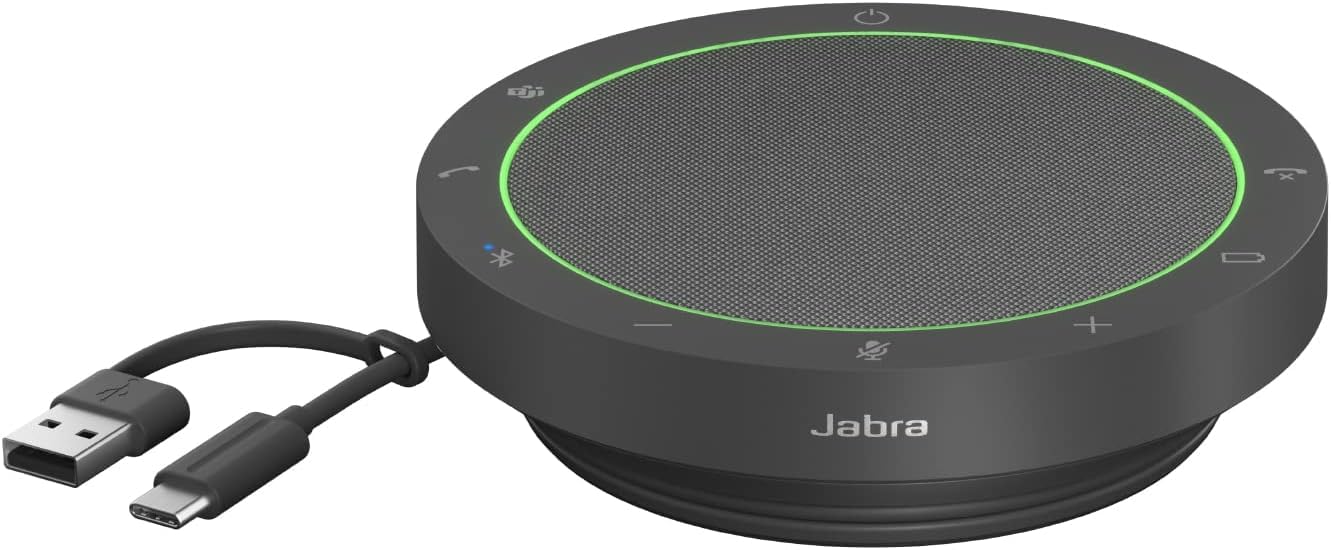
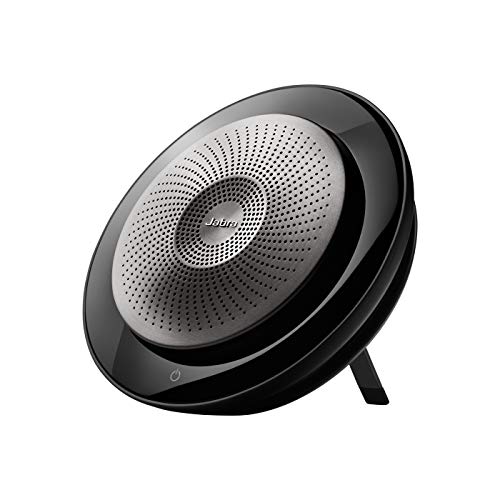
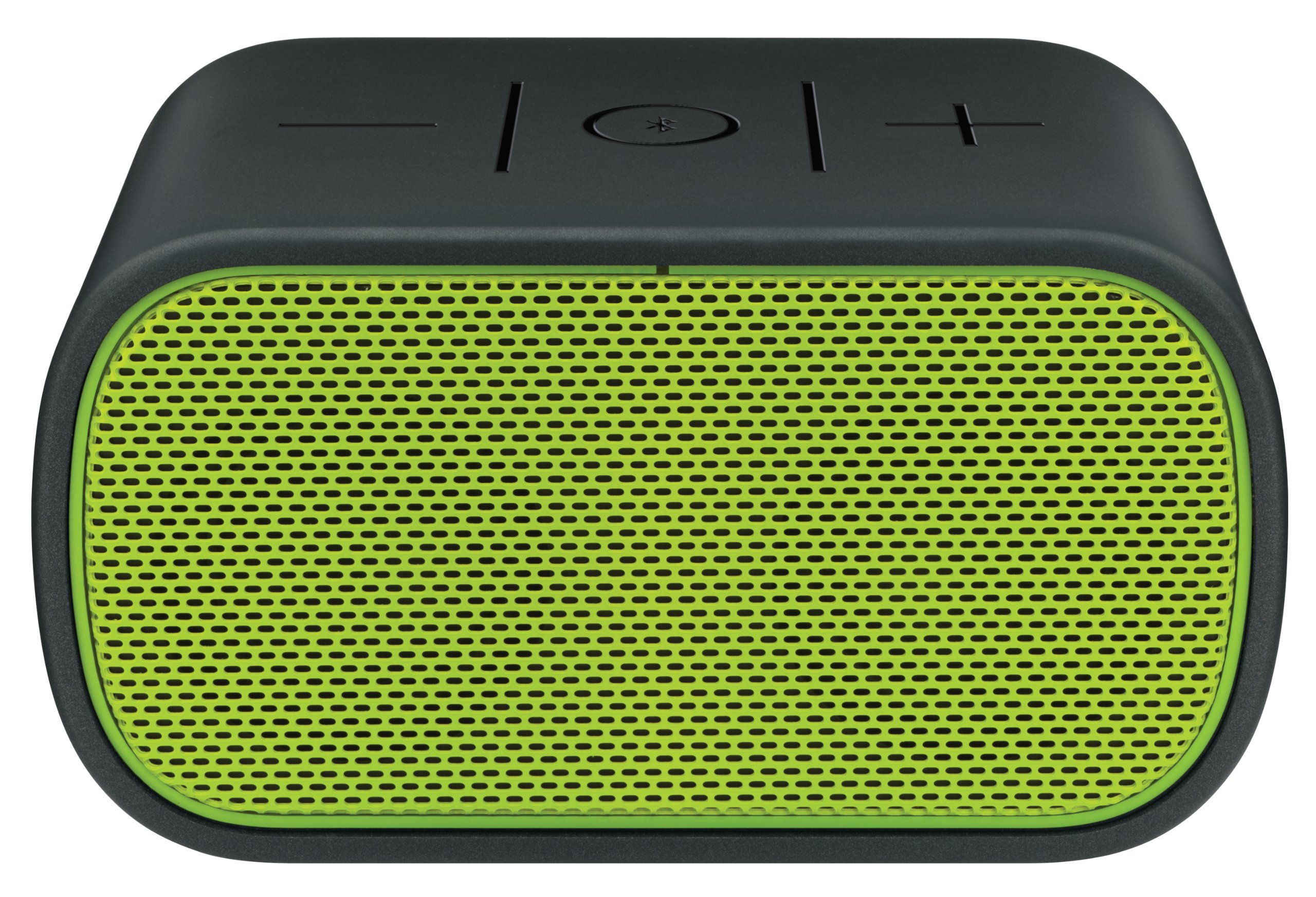
We will walk through how these speakers work, what the key specs really mean, and which mistakes cost new buyers money. Start with the comparison table below, then read each section in order and build a short list that fits your rooms, your calls, and your budget. The sections below help you choose the best bluetooth speakers with speakerphone that suit your space and habits.




Bluetooth Speakers 101: The Basics
A Bluetooth speaker is a small audio system with three main parts: a wireless receiver, an amplifier, and one or more drivers that move air to make sound. Your phone sends music over Bluetooth, the amplifier adds power, and the drivers turn that signal into the songs and voices you hear. A speakerphone model adds a built in microphone and call controls, so the same box can carry a two way conversation.
When a call comes in, the speaker pauses your music and routes your voice back to the phone through its microphone. Good models use echo reduction so the other person does not hear their own voice bouncing back. You answer, end, and sometimes mute calls with buttons on the speaker itself. That is the whole idea: one device for music, podcasts, and clear hands free talking at home or at work.
Key Specs Explained in Plain English
Specs look technical, but each one answers a simple question about your daily use. Here is what to look for, and the level that suits most first time buyers.
Why Choose a Bluetooth Speaker With Speakerphone
A speakerphone earns its place when you take calls away from your desk or phone. Cooks can talk with hands covered in flour, parents can join a call while folding laundry, and small teams can share one device for group calls in a meeting corner. Voice assistants on some models add timers and quick answers without touching your phone.
The limits are privacy and range, since everyone nearby hears the call and the microphone works best within about ten feet. If most of your calls are private, a headset may suit you better, but for shared spaces this feature is genuinely useful.
Sound Quality and Tuning
Sound quality starts with the drivers. Larger drivers usually move more air, which gives fuller sound at the same volume. Frequency response describes the range from deep bass to high treble, and a wider honest range generally sounds more complete. Tuning is the flavor the maker chooses: bass forward tuning feels exciting for pop, while neutral tuning keeps voices natural for calls and podcasts.
For a speakerphone, put voice clarity first. If voices sound clear at half volume in a normal room, music will usually satisfy you too. Readers who want a deeper look at clarity can see our guide to the best quality sound bluetooth speakers for more detail.
Placement and Room Size (for Speakers)
Room size decides how much speaker you need. A small unit fills a bathroom or home office with ease, while a living room or open kitchen calls for more power and a larger driver. Place the speaker on a firm surface at about ear height when seated, and keep it a few inches from walls to avoid boomy bass.
Bookshelf style placement near a corner adds bass for free, sometimes too much. For yards and patios, output and weather sealing matter more, and our guide to the best exterior bluetooth speakers covers outdoor placement in depth. Two paired speakers in stereo mode can also widen the sound for movie nights.
Microphone Quality
The microphone is the heart of the speakerphone feature, so judge it with care. A good microphone keeps your voice full and steady when you sit a normal distance away, and it cuts background noise like a running tap or a fan. Some models use two microphones to locate your voice and soften other sounds.
Ask a friend to rate a trial call before the return window closes, because spec sheets rarely describe microphone quality in useful terms. Simple controls matter too: a clear mute button prevents awkward moments on work calls.
Noise Cancellation and Isolation
On speakers, noise canceling usually describes the microphone system, not silence for the listener. During calls, digital processing reduces steady background noise so your voice stays in front. It helps in offices, kitchens, and shared homes, though it cannot remove sudden sounds like a door slam.
For listening, a closed room and sensible volume do more than any feature badge. Do not pay a premium for canceling claims on a speaker unless call quality in noisy rooms is your top priority.
Best Bluetooth Speakers for Specific Needs
Your routine should shape your choice more than any single spec. The most common special case for first time buyers is portability, covered next.
Best Portable Bluetooth Speakers with Speakerphone: Tips for First Time Buyers
If you shop for the best portable bluetooth speakers with speakerphone, weigh three portable specific points. First, size and grip: the speaker should feel secure in one hand and survive being tossed in a tote bag. Second, battery life: look for about 12 hours or more, since a portable speaker that dies midday loses its point.
Third, sealing: an IP67 rating handles rain and splashes at picnics and pools. Compact models trade away some bass, so if tiny size tempts you, compare notes with our guide to the best tiny bluetooth speakers before you decide.
Rookie Mistakes to Avoid
- Buying on watt numbers alone. Watt claims are measured in many ways, so a higher number does not guarantee louder or clearer sound. Judge voice clarity and volume in your own room instead.
- Ignoring the microphone. Many buyers try music but never try a call. Make a real call in your first week and listen to how you sound.
- Forgetting placement. A good speaker on the floor behind furniture will disappoint you. Give your speaker open space at a sensible height.
- Skipping the return policy check. Sound taste is personal, so buy from a seller whose return terms let you change your mind.
- Paying for features you will never open. Extra lighting, party modes, and app extras add cost. Spend on battery, build, and call quality first. For a broader quality checklist, see our guide to the best quality bluetooth speakers.
Getting Started: Setup and First Use
Setup takes about ten minutes. Charge the speaker fully, turn it on, and open Bluetooth settings on your phone to pair. Play a podcast first, because voices reveal placement problems faster than music does. Move the speaker around the room and settle where voices sound most natural.
Next, make a short trial call and ask how clear you sound at your normal sitting distance. Keep firmware updated through the companion app, since updates often improve call handling and connection stability. Store the speaker in a case or soft bag to protect the drivers when you carry it out of the house.
FAQs
Is ANC worth the extra cost?
On a speaker, usually not for listening, because canceling works in headphones where the sound is sealed to your ears. The microphone version of noise reduction is different and can be worth it if you take calls in noisy rooms. Ask yourself where your calls happen. Quiet home office callers can skip the premium, while shared kitchen and workshop callers may hear a real benefit.
How long does the battery last?
Most models run about 10 to 20 hours per charge at moderate volume. Speakerphone calls, high volume, and strong bass settings all drain the battery faster. A useful habit is charging after long days rather than running the battery flat each week. If you travel often, check whether the speaker charges over USB C, since one cable can then serve your phone and speaker.
Wired or wireless: which sounds better?
A wired input can sound a touch cleaner because it avoids Bluetooth compression. The gap is small with modern Bluetooth, and most listeners cannot hear it with podcasts, calls, or casual music. Wireless wins on convenience for a speaker you move around. If a model offers an auxiliary input, you gain both options and can compare at home with your own music.
What IP rating do I need for outdoor use?
IPX4 handles splashes and light rain, which covers a covered porch. IP67 is the safer pick for open yards, poolside use, and beach trips, because it survives brief immersion in shallow water. Remember that ratings cover fresh water, so rinse off salt and sand after beach days. For more outdoor guidance, see our guide to the best bluetooth speakers for outside.
Do I need a special codec?
No, standard Bluetooth audio is fine for calls and most music. Codecs like AAC and aptX can improve music detail or reduce delay when your phone supports the same codec. Calls use their own voice profiles, so a fancy music codec will not fix a weak microphone. Spend your budget on microphone and driver quality first, and treat codec support as a small bonus.
The Bottom Line on Bluetooth Speakers With Speakerphone
For your first purchase, rank microphone clarity, voice friendly tuning, and honest battery life above every other spec. Match the size to your room, check a real call early, and keep the setup simple. With those basics covered, the best bluetooth speakers with speakerphone will handle your music and your calls from one tidy box, and the product table above can help you confirm the final choice.


