Best Bluetooth Speakers under 30 Dollars: Buyer Checklist for 2026
Disclosure: We may earn a commission when you buy through links on this page, at no extra cost to you. As an Amazon Associate I earn from qualifying purchases. Learn more
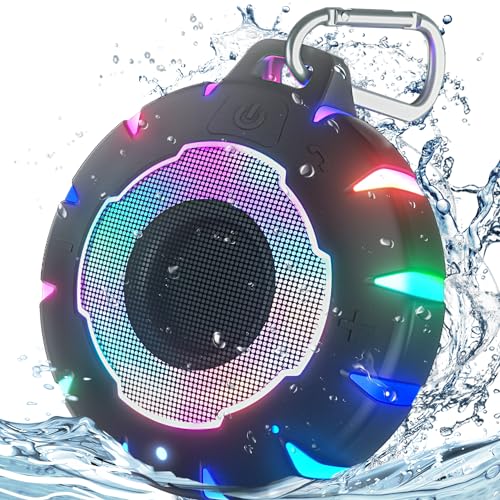
Follow this buyer checklist for the best bluetooth speakers under 30 dollars, with sound, battery, and build checks that protect a small budget.
Thirty dollars does not buy luxury, but it can buy a speaker you enjoy every day if you know which corners may be cut and which ones may not. This checklist for the best bluetooth speakers under 30 dollars focuses on honest sound, a battery that lasts a full day out, and controls that simply work. Use it to judge every option in the comparison table below.
At this price, small details decide everything. A clear midrange, a real water resistance claim, and a charging port that will still be common in three years matter far more than flashy lights or inflated wattage numbers.


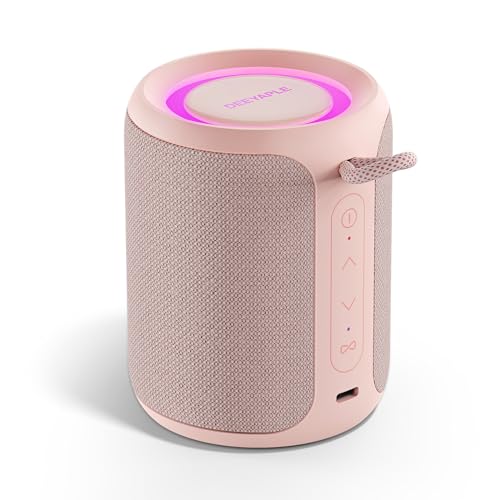
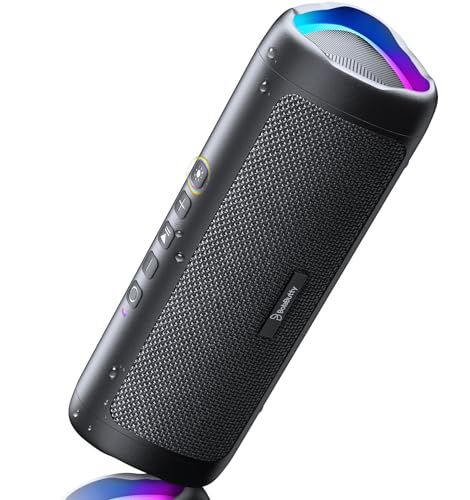
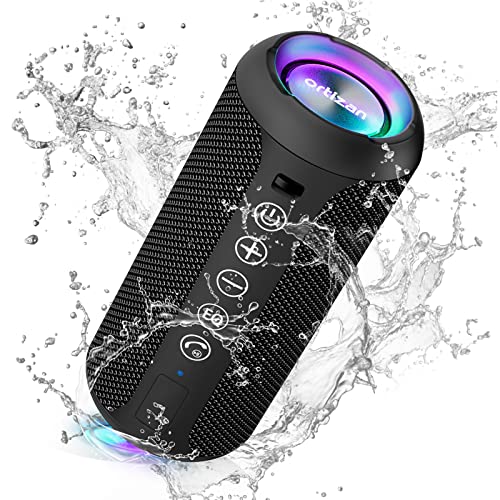
How to Evaluate Bluetooth Speakers Under $30
This checklist puts sound quality and battery life first, because a cheap speaker that sounds harsh or dies by lunch is no bargain at any price. Connectivity comes next, since dropouts ruin the experience faster than modest bass. Build quality, honest specifications, and warranty support complete the checklist, and any speaker that hides its basic specifications loses points before it plays a single note.
What You Can Realistically Get Under $30
Expect a compact single driver or a small driver with a passive radiator, Bluetooth 5.0 or newer, and about 8 to 15 hours of play at moderate volume. You will not get room filling stereo, premium materials, or a companion app with a full equalizer. Do not accept a speaker without a stated battery size, a named Bluetooth version, or a basic splash rating if you plan outdoor use. Shoppers who can stretch slightly should compare the best bluetooth speakers under 50 dollars to see what a little more money adds.
Sound Quality and Tuning
At this size, clear vocals are the realistic goal, because tiny cabinets cannot produce deep bass no matter what the box promises. A frequency response that keeps voices forward and avoids shrill treble will serve podcasts, pop, and acoustic music well. Beware tuning that boosts bass on paper, since it usually turns into distortion and rattling at higher volume. Think of a podcast as the benchmark, because a speaker that handles a podcast cleanly at breakfast will handle most casual music without fatigue.
Battery Life and Charging
Look for at least 10 hours of rated play and treat any claim above 24 hours from a pocket sized speaker with healthy doubt. USB C charging is a strong plus, since cables are easy to replace and shared with most phones. Check whether the speaker plays while charging, which saves a picnic or a workday when the battery runs low. A simple battery indicator, even a basic light pattern, helps you avoid surprises before a trip.
Connectivity (Bluetooth Version, Codecs, Wired)
Bluetooth 5.3 gives better range and more stable pairing than older versions, and it is now common even at this price. Standard codecs are fine for casual listening, so do not pay extra for codec badges you cannot hear on a small driver. Multipoint connections are rare under $30, but quick pairing memory for your phone and laptop is realistic. A 3.5 mm input, when included, is genuinely useful for older devices and for zero delay audio from a handheld game console.
Noise Cancellation and Isolation
Speakers at any price do not provide active noise cancelling for a room, and under $30 the term should be ignored entirely if a listing mentions it. What matters instead is clean output at low volume for a desk or bedside, and enough maximum volume to stay clear over kitchen noise or a shower. Distortion control is the honest version of this criterion, so favor modest, believable volume claims over enormous output numbers with no measurements behind them.
Comfort, Fit, and Weight
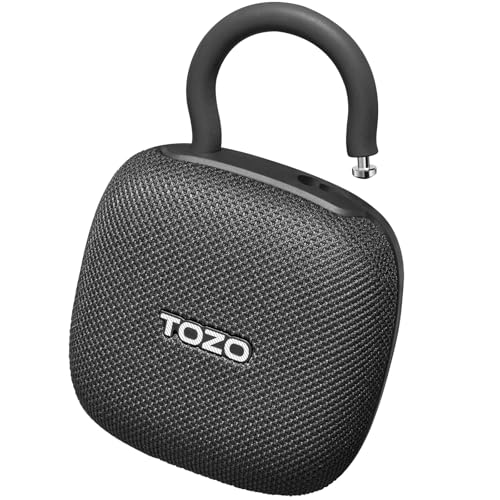
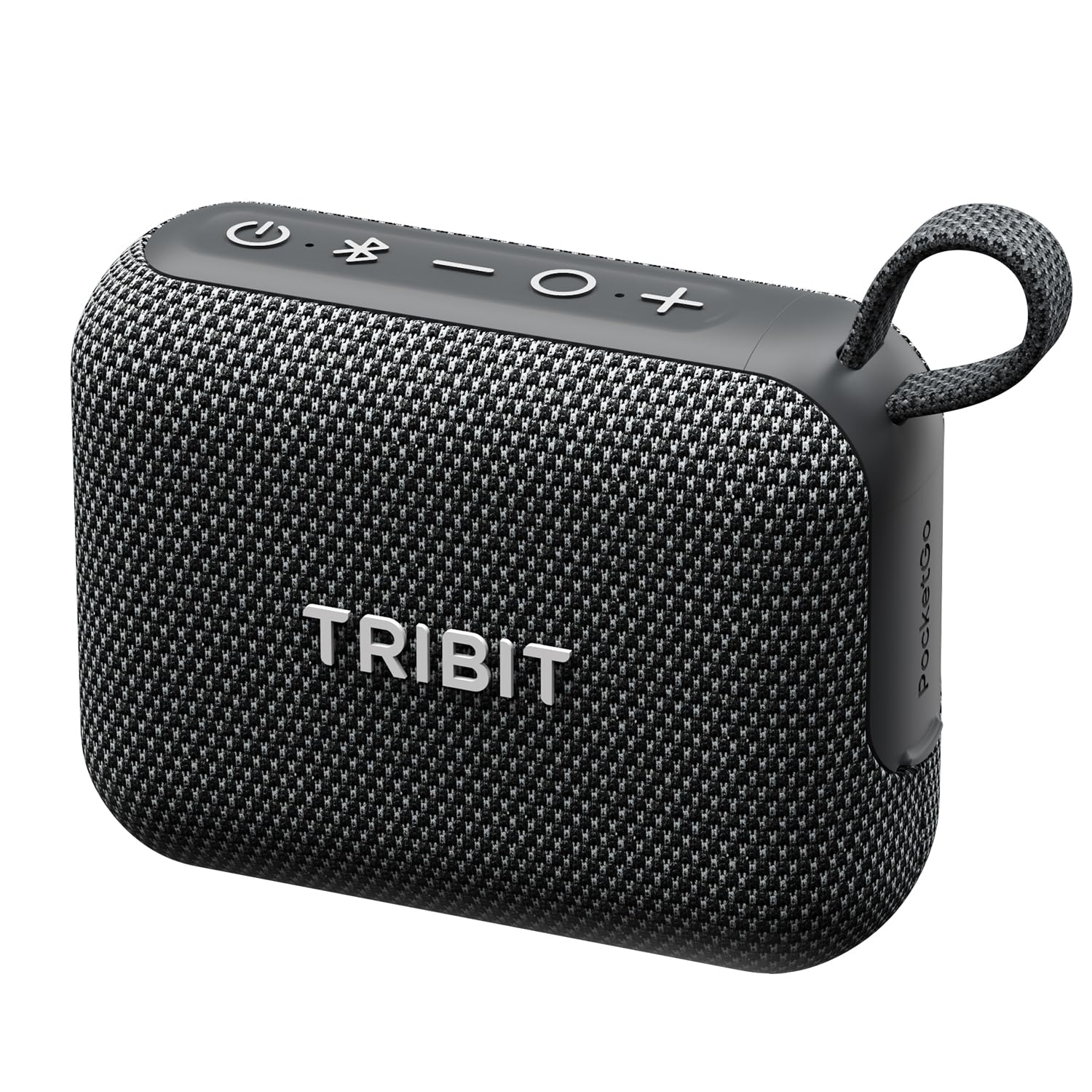
For a speaker, comfort means carry comfort. Weight under about one pound, a shape that fits a bag side pocket, and buttons you can find by touch all shape daily use. A strap or carabiner loop helps for bikes, backpacks, and shower hooks. Rubberized corners protect against the drops that small speakers inevitably suffer, and a flat base keeps the unit steady on a shelf instead of rolling or tipping when the music gets lively.
Three Buyer Profiles Under $30
Instead of chasing a single winner, match your purchase to one of three profiles. Each profile lists the strengths that matter, the price you should expect to pay within this budget, and the compromise that comes with it, so you can read the product table above with clear priorities.
The All-Round Profile
The best all round profile under $30 balances clear vocals, about 12 hours of battery, splash resistance, and USB C charging in a pocket friendly body. It suits bedrooms, desks, and small kitchens where one speaker does a bit of everything. Expect to spend close to the full budget, around $25 to $30, because these balanced models rarely sit at the bottom of the range. The compromise is bass depth, which stays modest no matter how the listing describes it.
The Value Profile
The value profile targets about $15 to $22 and keeps the essentials: stable Bluetooth, honest battery life, and buttons that feel solid. You give up water resistance beyond light splashes and accept a plainer finish. This is the right tier for a first speaker, a spare for the garage, or a gift for a student. If your needs are even simpler, the options in our guide to the best speakers under 30 dollars include wired models that trade portability for sound per dollar.
The Durability Profile
Premium within this budget means the top of the range, around $28 to $30, spent on durability and battery rather than decoration. Look for an IP67 rating, a larger battery, and a cabinet that survives drops onto tile or concrete. This profile suits outdoor workers, beach regulars, and anyone tired of replacing fragile speakers yearly. You still will not get stereo separation or app control, but you gain a speaker that shrugs off the conditions that kill cheaper units.
Quick Buyer Checklist
Answer these questions before you order, and let any no push you back to the comparison table above for another look.
- Is the Bluetooth version 5.0 or newer and clearly stated?
- Does the battery rating reach at least 10 hours?
- Does it charge over USB C rather than an older port?
- Is the water resistance rating named and believable?
- Are the controls usable without opening an app?
- Does the weight suit how you plan to carry it?
- Is there a warranty of at least six months to one year?
Red Flags to Watch For
Huge wattage claims from a speaker the size of a soda can are the clearest warning sign at this price. Listings that never state battery capacity, Bluetooth version, or water resistance in the specification section are hiding weak hardware. Watch for listings where every comment uses similar wording and mentions nothing specific, since genuine buyers talk about their kitchen, their bike rides, and their complaints. A missing warranty, a seller with no support page, and photos showing a charging port that current phones no longer use all suggest old stock being cleared rather than a current model worth your money.
How to Make a Budget Speaker Last Longer
Charge the battery before it sits empty for weeks, because deep discharge shortens the life of small lithium cells. Keep the speaker out of prolonged direct sun on hot dashboards, and dry the charging port fully after beach or pool days before plugging in. Clean the grille gently with a soft brush so dust and sand do not muffle the driver. Store it in a drawer or a simple pouch rather than loose in a bag with keys and tools that scratch and dent the cabinet.
Budget shoppers comparing nearby tiers may also find the best bluetooth speakers under 100 dollars useful for a main room upgrade later, while the closely priced best bluetooth speakers under 30 guide covers similar ground with a slightly different mix of priorities.
FAQs
Can you get a good bluetooth speaker under $30?
Yes, you can get a genuinely enjoyable speaker under $30 for personal listening in small spaces. Voices will sound clear, battery life can cover a full day, and splash resistance is common. What you give up is deep bass, stereo width, and premium materials. Set those expectations, choose honest specifications over bold claims, and this budget delivers far more than it did a few years ago.
How long does the battery last?
Most speakers in this range play for about 8 to 15 hours at moderate volume, with smaller pocket models near the bottom of that range. Loud outdoor use drains the battery much faster, sometimes in half the rated time. A useful habit is charging after long sessions rather than waiting for a shutdown warning, and models with USB C top up noticeably faster than older designs.
Do I need a special codec?
No, standard Bluetooth audio is entirely adequate for a small speaker in this price range. Your phone and the speaker will agree on a shared codec automatically, and the driver size and tuning shape the sound far more. Spend your attention on battery ratings and build quality instead. If you later move to large speakers or quality headphones, codec support becomes a more meaningful detail to compare.
Wired or wireless: which sounds better?
A wired input can sound slightly cleaner and removes delay, which helps with video and games on older devices. For music and podcasts, wireless convenience wins for nearly everyone at this price, and the difference through a small driver is hard to notice. If a model includes an auxiliary input, treat it as a handy bonus for laptops and older players rather than a reason to choose that model alone.
What IP rating do I need for outdoor use?
IPX4 or IPX5 covers splashes, light rain, and shower use, which is enough for most patios and bathrooms. IP67 adds protection against dust and brief immersion, making it the better pick for beaches, pools, and muddy work sites. Whatever the rating, keep the charging port cover closed outdoors and let the speaker dry fully before charging, since water in the port causes most outdoor failures.
Is ANC worth the extra cost?
No, active noise cancelling is not a real speaker feature at this price, and listings that advertise it for a speaker deserve extra skepticism. Cancellation belongs in headphones and earbuds, where seals and microphones can work at your ear. For a speaker, judge clarity at low volume and control at high volume instead. Those two qualities decide whether music stays pleasant in a noisy kitchen or a quiet bedroom.
Our Verdict
Prioritize clear vocals, an honest 10 hour or better battery, and a build that matches where you will actually use the speaker. The best bluetooth speakers under 30 dollars for you will be the one that passes those simple checks without bold, unverifiable claims. Review the product table above with this checklist beside you, and a small budget will still buy daily enjoyment.