Best Bluetooth Speakers under 50 Dollars: A First Time Buyer's Guide for 2026
Disclosure: We may earn a commission when you buy through links on this page, at no extra cost to you. As an Amazon Associate I earn from qualifying purchases. Learn more

Shopping for the best bluetooth speakers under 50 dollars for the first time? Learn the terms, compare options, and avoid rookie mistakes with this easy guide.
Buying your first portable speaker can feel confusing because every box lists numbers that mean little on their own. This guide explains the best bluetooth speakers under 50 dollars in plain language, starting with the basics and ending with a simple way to choose. You will learn what each spec actually changes in daily use.
The comparison table below gives you a quick view of sizes, battery claims, and water ratings side by side. Read the sections that follow first if you are new, then return to that table with a clear sense of what matters for your room, your yard, or your travel bag.

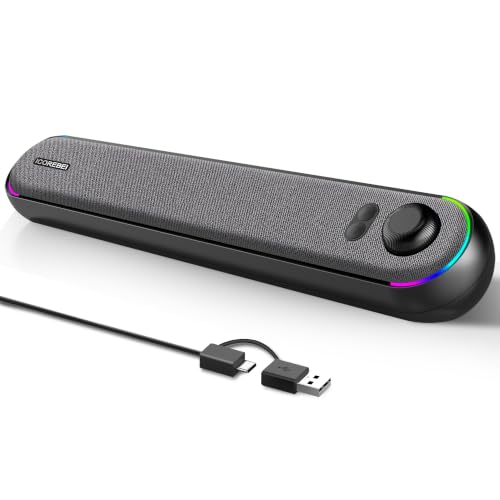
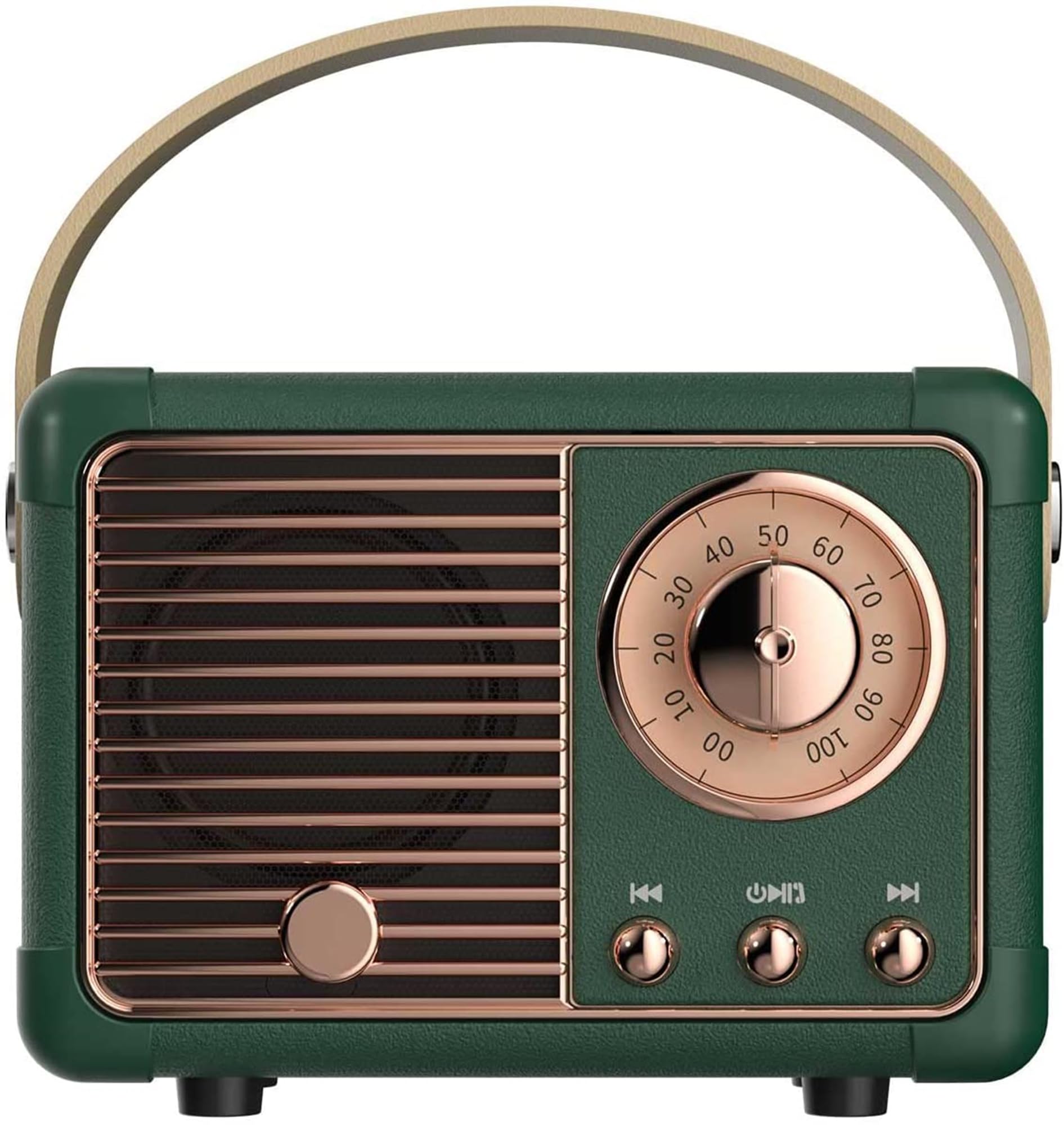

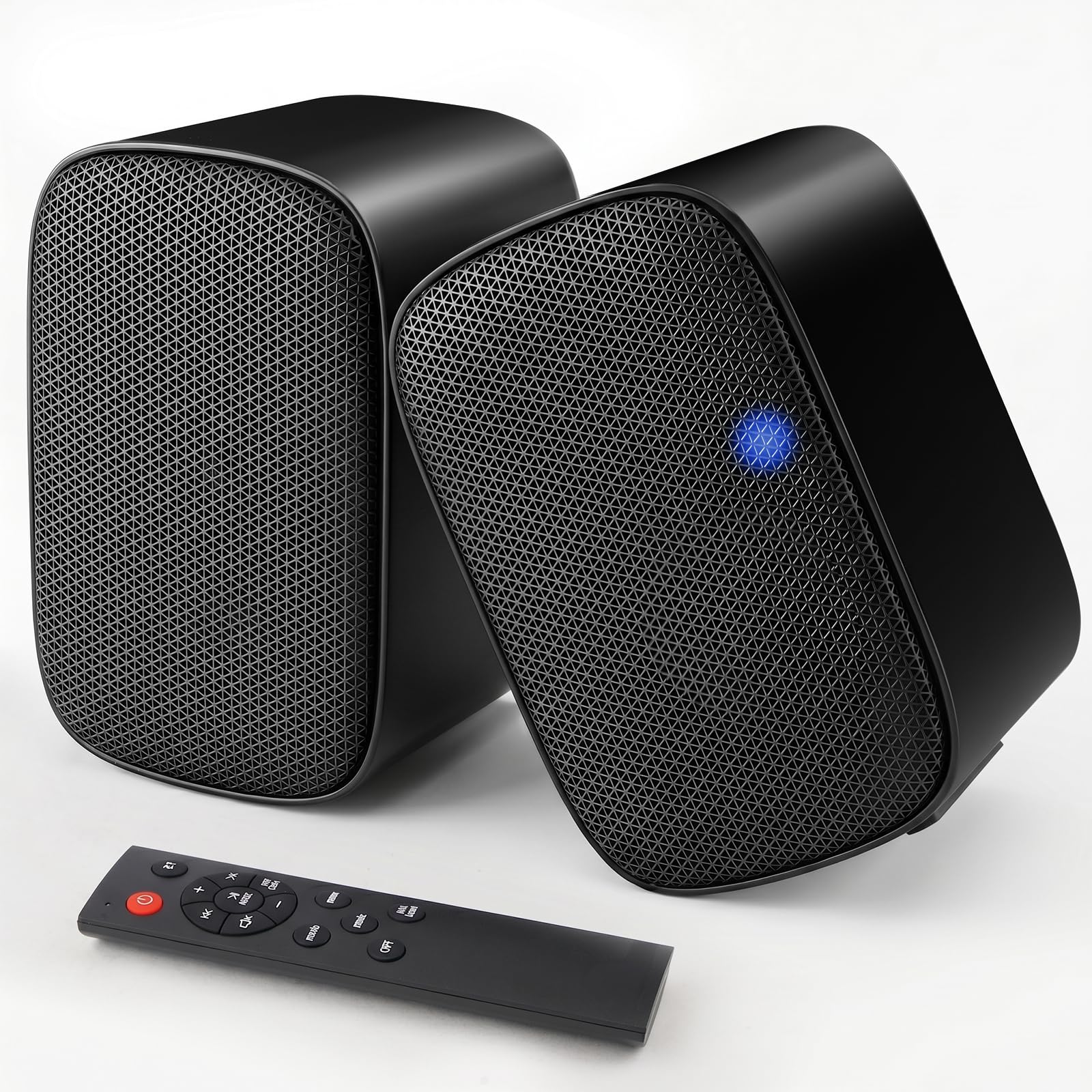
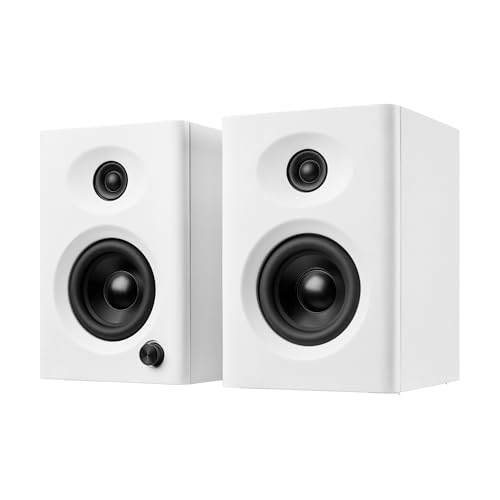

Bluetooth Speakers Under $50: The Basics
A Bluetooth speaker is a small powered speaker that receives audio from your phone, tablet, or laptop without a cable. Inside the case sit one or more drivers, a small amplifier, a rechargeable battery, and a radio that maintains the wireless link. Your phone sends a coded audio stream, the speaker decodes it, and the drivers move air to create sound.
Size shapes almost everything else. A compact case can travel easily and fill a desk or a bathroom with clear sound, but physics limits how much deep bass it can produce. A larger case holds bigger drivers and a bigger battery, so it usually plays louder and longer, at the cost of weight and bag space.
Most buyers in this price range use a speaker in one main place, such as a kitchen, a dorm room, a workshop, or a patio. Start by naming that place and how loud you really need playback to be. That single decision makes later spec comparisons much easier and prevents you from paying for size or power you will never use.
Key Specs Explained in Plain English
What You Can Realistically Get Under $50
At around $50 or less, you can expect clear voices, pleasant music at moderate volume, and battery life that covers a full day of casual listening. Many models in this range include simple water resistance, a strap or handle, and the option to pair two units for stereo sound. What you usually give up is very deep bass, premium metal build, and advanced app control.
Do not save money by accepting weak basics. A stable wireless link, honest battery claims, and solid buttons matter more than decorative lights or novelty shapes. If a listing promises huge output from a tiny case with no driver size or weight listed, treat that claim with caution and look for complete specifications instead.
If your budget can stretch a little for a larger room, readers often compare this tier with our guide to the best bluetooth speakers under 100 dollars to see what the next price step generally adds in driver size and battery capacity.
Sound Quality and Tuning
Drivers are the parts that move to create sound, and their size and count shape tone. A single small driver can sound clear for podcasts and acoustic music, while two drivers or an added passive radiator usually give fuller low notes. Frequency response describes the range from low bass to high treble, but a wide range on paper does not guarantee balanced sound in your room.
Tuning is the voicing the maker chooses. Some speakers push bass forward, which feels exciting for pop and dance music but can blur voices. Others aim for a neutral balance that suits speech, jazz, and mixed playlists. Think about what you play most, and favor clarity in the midrange, because that is where voices and most instruments live.
Placement changes what you hear more than many buyers expect. A speaker on a wooden table near a wall will sound warmer and louder than the same speaker in the middle of a lawn. Try a few spots at home before you judge tone, and keep the volume below the point where notes start to sound harsh or strained.
Connectivity (Bluetooth Version, Codecs, Wired)
Bluetooth 5.3 is common in this range and offers a stable link, good range through open space, and modest power use. Older versions can still work well for music at short range, but newer versions tend to reconnect faster and handle crowded radio environments better. Walls, metal shelves, and distance will always reduce range more than a version number alone suggests.
Codecs are the formats used to send audio. Standard SBC works with nearly every phone, AAC often suits Apple devices, and aptX can reduce delay on supported Android devices. For casual music, codec choice rarely changes enjoyment as much as driver quality does. For video, lower delay matters more, so check whether the speaker and your phone share a suitable codec.
Multipoint lets a speaker stay connected to two devices at once, such as a laptop and a phone, which helps if you switch between work calls and music. A wired input, when present, is useful for a television, a game console, or a backup plan when the battery runs low. If portability is your top priority, see our guide to the best portable bluetooth speakers under 50 dollars for size and weight points to weigh.
Comfort, Fit, and Weight
Comfort for a speaker means how easily it fits your hand, your bag, and your shelf. Weight under about two pounds feels easy to carry room to room, while heavier models tend to stay in one place. A flat base keeps a speaker steady on a table, and raised buttons you can feel without looking make outdoor use simpler.
Shape matters in small spaces. A tall narrow design fits a crowded counter, while a wide low design resists tipping on a picnic table. Check the footprint against the spot you plan to use, and allow a little room behind the speaker if it has a rear facing radiator that needs air to move freely.
Carry features deserve a quick test in your mind. A short strap helps for hanging from a hook or a backpack loop, but a thin strap can dig into your hand on a long walk. Rubber feet, rounded corners, and a grippy finish all help a speaker survive daily handling without looking worn within a few months.
Ecosystem and App Features
Some speakers work with a companion app that offers an equalizer, firmware updates, and controls for pairing two units. An equalizer lets you trim bass on a small table or lift voices for podcasts, which can be genuinely useful. App support varies, so check that the app works with your phone system and that basic controls still work on the speaker itself.
Firmware updates can fix connection bugs and improve battery handling, so a maker with a track record of updates is a plus. Still, avoid buying a speaker mainly for app extras you may use once. Core sound, battery life, and build quality affect every listening session, while most app features affect only setup and occasional tweaks.
Voice assistant access and speakerphone calls appear on some models. A built in microphone lets you take a call without reaching for your phone, though wind and room echo can limit clarity outdoors. If calls matter, place the speaker close and speak toward it, and expect phone quality rather than studio quality from any small unit.
Rookie Mistakes to Avoid
- Chasing watt numbers alone. Watt claims are measured in different ways, so a higher number does not always mean louder or clearer sound in your room.
- Ignoring water rating. A speaker for a pool deck or a shower shelf needs real protection, while a desk speaker may not need it at all.
- Forgetting battery habits. Playing at full volume drains a battery far faster than the rated hours, which usually reflect moderate volume.
- Buying too small for the space. A tiny speaker forced to fill a large yard will sound thin and strained, even if it sounds great on a desk.
- Skipping the return policy. Tone is personal, so a fair return window protects you if the voicing does not suit your music.
Shoppers who mainly need sound for one room sometimes compare these portable options with our guide to the best speakers under 50 dollars, which covers simpler home focused choices at a similar spend.
Getting Started: Setup and First Use
Charge the speaker fully before your first long session, using the cable supplied and a standard power adapter. Turn it on, open Bluetooth settings on your phone, and select the speaker name when it appears. Play a familiar song at moderate volume and walk around your space to learn where the connection stays stable and where walls weaken it.
Keep firmware updated through the companion app if one is offered, and check for an update after your first charge. Store the speaker in a case or a padded bag when you travel, because drops can damage drivers and loosen internal parts. Wipe the exterior with a soft dry cloth, and keep charging ports free of sand and lint.
A useful first week habit is to note how many hours you actually get at your normal volume. That real world number helps you plan for trips and tells you when to charge before a gathering. Avoid leaving the battery empty for long stretches, and avoid storing the speaker in a hot car, since heat shortens battery life over time.
For a closely related budget, our guide to the best bluetooth speakers under 50 explains similar trade offs with a focus on core value.
FAQs
Can you get a good bluetooth speaker under $50?
Yes, you can get clear and enjoyable sound under $50 for a desk, a bedroom, or a small patio. Expect strong value in voices and everyday music rather than deep bass or very high volume. Choose honest battery claims, a recent Bluetooth version, and a size that matches your space, and most first time buyers will feel well served.
How long does the battery last on a speaker under $50?
Most models in this range play for about ten to twenty hours at moderate volume on a full charge. Loud playback, heavy bass, and cold weather can cut that time in noticeable ways. A larger case usually holds a larger battery, so if runtime matters most, favor size and a clear hour rating over extra lights or novelty features.
Is ANC worth the extra cost on a small speaker?
ANC is rarely the priority on an open speaker because the sound plays into the room rather than into sealed ear cups. Active noise cancelling helps headphones far more than it helps a portable speaker. Spend your budget on driver quality and battery life instead, and use placement and volume to manage a noisy space.
Do I need a special codec for good sound?
No, you do not need a special codec to enjoy music from a speaker in this price range. The standard codec on your phone will sound fine for casual listening, and driver quality matters much more. A codec such as aptX or AAC becomes useful mainly when you watch video and want voices to stay in sync with lips on screen.
What IP rating do I need for outdoor use?
For light rain and splashes near a pool, look for IPX5 or higher so jets of water do not cause damage. IP67 means the unit can handle dust and brief immersion, which suits beach and boat use better. Even with a strong rating, rinse off salt water, dry the charging port, and never charge a wet speaker.
The Bottom Line
Focus on three things: a size that suits your main space, clear midrange sound for voices and music, and battery life that matches your longest typical day. Use the product table above to compare those points quickly, and let water rating and multipoint act as tie breakers rather than headline reasons to buy.
Chosen with those priorities, the best bluetooth speakers under 50 dollars can sound far better than their price suggests. Start simple, place the speaker well, and enjoy how much easier everyday listening becomes.