
Best Bluetooth Speakers Under 10: What a Few Dollars Really Buys for 2026
Disclosure: We may earn a commission when you buy through links on this page, at no extra cost to you. As an Amazon Associate I earn from qualifying purchases. Learn more

Best bluetooth speakers under 10: what a very low budget buys and which limits to expect.
Shopping at this price can feel confusing because listings use big claims for very small hardware. This guide sorts best bluetooth speakers under 10 options by type, so you can see what each style does well and where it falls short. Use the comparison table below to scan the main differences, then read the sections that match how you actually listen.
At around $10, you are buying basic portable sound, not room filling power. The right choice is the one whose limits fit your routine, whether that is a desk, a shower shelf, or a picnic blanket.


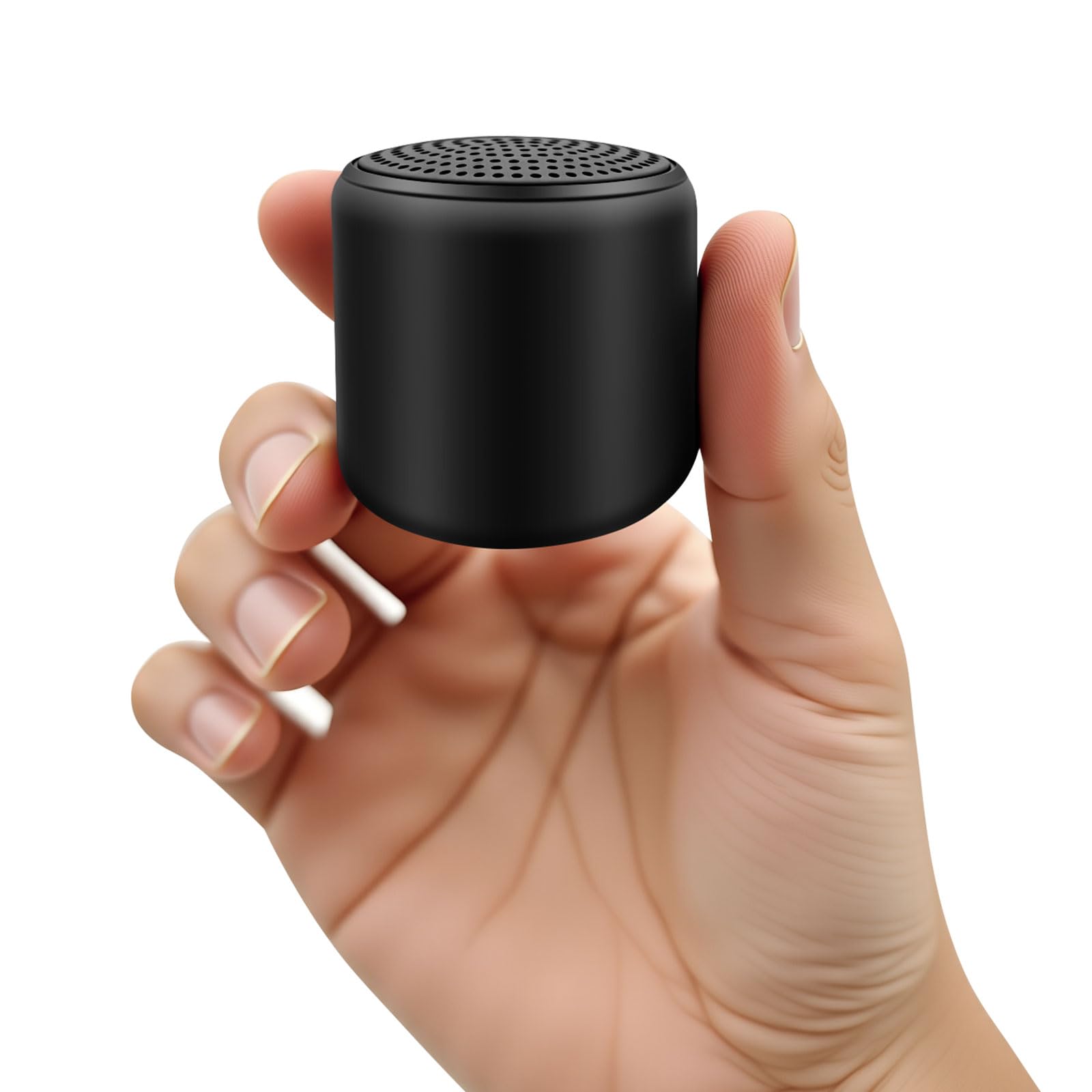
Types of Bluetooth Speakers Compared
The product table above groups speakers by style, and the style matters more than any single spec at this price. A tiny rugged model and a small home model may cost the same, yet they suit very different rooms and habits. Start with where you will listen most, then check battery life, water resistance, and driver size in that order. Chasing a long feature list at around $10 usually means thinner sound and weaker build quality.
Noise Cancelling Models
True active noise cancelling is rare in speakers at this price, and most listings that mention it mean passive reduction or a microphone feature for calls. A speaker plays sound into a room, so it cannot seal out noise the way earbuds can. If a listing promises strong ANC at around $10, treat that claim with care and look instead for clear volume and steady Bluetooth connection.
These models suit quiet indoor use, such as podcasts at a desk, where you do not need to fight traffic or wind. They are a poor fit for loud outdoor spaces. Choose this type only if call clarity and low background hiss matter more to you than bass or durability.
Outdoor and Rugged Models
Rugged models focus on surviving drops, dust, and splashes rather than on rich sound. Look for a sealed body, covered ports, and an IP rating such as IP67, which signals strong protection against dust and brief immersion in water. A rubber outer shell and a loop or strap also help when you carry the speaker to a park or job site.
Sound from these small rugged units is usually focused on voices and midrange, which helps speech stay clear outside. Bass will be light because the cabinet and driver are small. Pick this type if your speaker will live in a bag, by a pool, or on a patio, and accept modest volume in wide open spaces.
Home and Bookshelf Models
Home models at this price are small desktop speakers meant for near field listening in a bedroom, kitchen, or dorm room. Without the heavy armor of rugged designs, more of the budget can go to the driver and cabinet, so tone can sound a bit fuller at low volume. Many also offer a wired input or a memory card slot, which helps if your phone battery is low.
These speakers rarely promise serious water resistance, so keep them away from sinks and showers. They work best when they stay in one spot, close to where you sit. If you mostly listen indoors at moderate volume, this type often gives the most pleasant sound for the money.
Wireless and Bluetooth Models
This is the standard portable category, built around Bluetooth pairing, a rechargeable battery, and simple controls. Bluetooth 5.3 support, when present, can give a steadier connection and better range than older versions, often around 30 feet indoors without walls blocking the signal. Multipoint pairing is uncommon at around $10, so expect to connect one device at a time in most cases.
These models balance size, battery life, and convenience for everyday use at home and on short trips. Play time often falls between about 4 and 10 hours at moderate volume, and less at full volume. Choose this type if you want one small speaker to move from room to room without a fixed plan.
Noise Cancelling Models vs Outdoor and Rugged Models: Which Should You Choose?
Pick based on your listening space first. Noise cancelling style models suit quiet rooms where low volume clarity and call use matter, while rugged models suit wet, dusty, or crowded places where damage is likely. Rugged designs win on IP rating and drop protection. Indoor focused designs may sound slightly cleaner at a desk, but they rarely survive a fall or a soaking.
Battery claims are similar in both groups, so judge by build and use, not by a one hour difference on a listing. If you listen in both settings, a rugged model is usually the safer single purchase at this price. Its sound limits are easier to live with than a cracked case or a water damaged driver.
How to Choose the Right Bluetooth Speaker
Microphone Quality
A built in microphone lets you take calls and use voice assistants, but quality varies widely at this price. In a quiet room, most small speakers handle short calls well enough for the other person to follow you. Wind, traffic, and distance from the speaker quickly reduce clarity, so keep the unit within a few feet when you talk.
If you plan to join calls or chat while gaming on Discord, check the microphone soon after purchase during your return window. Speak at a normal level and ask the listener about echo and muffling. A speaker with clear speech at low volume is more useful day to day than one that only plays loud.
Placement and Room Size for Speakers
Small speakers sound best close to you and close to a wall or corner, where reflected sound adds a little body. In a small bedroom or bathroom, a compact unit at moderate volume can feel ample. In a large living room or an open yard, the same speaker will sound thin and strained if you push the volume to its limit.
Place the speaker on a firm surface rather than a bed or towel, which can muffle the driver and block bass ports. Keep it at ear level when you can, and avoid sealing it inside a bag or box. If you need stereo, note that pairing two units only works when both are the same model with that feature, which is uncommon under $10.
If your room is large and you listen from across it often, see our guide to the best bluetooth speakers under 100 to understand what a bigger budget adds in driver size and volume.
Durability and Water Resistance With IP Ratings
An IP rating tells you how well the sealed body resists dust and water. IPX4 means splash resistance for light rain or bathroom steam. IP67 means dust tight construction and protection during brief immersion, which suits pool and beach use far better. A rating only helps if port covers are closed and the speaker has not cracked from a drop.
Check what the rating covers before you trust a speaker near water. Rinse mud or sand off with clean water and let the unit dry fully before charging. Never charge a wet speaker, because moisture in the port can damage the battery and electronics. A simple habit of drying the speaker after outdoor use adds years to its working life.
Sound Quality and Tuning
Driver size and cabinet volume set the limits of bass at this price, and no tuning trick changes that physics. Expect clear voices, podcasts, and acoustic music to sound better than bass heavy tracks. Listings that quote a wide frequency response without context tell you little, so focus on driver size, rated power in honest terms, and whether owners describe distortion at high volume.
Turn the volume to about 70 percent for the cleanest sound, since small drivers often distort near their maximum. An equalizer in your music app can tame harsh treble or lift voices slightly. If a speaker sounds boomy on a table, move it a few inches from the wall. Small placement changes often improve tone more than any setting in an app.
What You Can Realistically Get Under $10
Around $10 buys a single small driver, a modest battery, basic Bluetooth, and simple controls. You should expect clear speech, light bass, and a plastic body. Features that are usually cut include multipoint pairing, app support, advanced codecs, USB C fast charging, and long warranties. Battery life claims often assume low volume, so real play time will be shorter.
Do not save money by accepting a speaker with no clear IP rating if you need outdoor use, or one with an old Bluetooth version if range matters. If your needs include strong bass or all day play time, see our guide to the best bluetooth speakers under 50 for a sense of the next step up. At around $10, value means honest basics done reliably, not a long list of extras.
For larger rooms and longer sessions, you can also see our guide to the best bluetooth speakers under 200 to compare how driver count and cabinet size change the listening experience.
Setup and Care Tips
Charge the speaker fully before first use, pair it in your phone Bluetooth settings, and keep firmware updated if the maker offers an app. Store the speaker in a case or padded pouch to protect the driver grille in a bag. Wipe the grille and body with a dry or slightly damp cloth, and clear dust from ports with a soft brush.
Avoid leaving the battery empty for months, because deep discharge shortens its life. Charge it every few months during storage, and keep it away from high heat in a closed car. These simple steps help a very low cost speaker stay reliable far longer.
Frequently Asked Questions
Can you get a good bluetooth speaker under $10?
Yes, if your expectations match the price and your space is small. A good unit at around $10 plays voices and light music clearly for a desk, shower, or small room, with a steady connection and a battery that lasts a work session. It will not fill a yard or deliver deep bass. Judging it against larger speakers leads to disappointment, while judging it as a personal near field speaker is fair.
Do I need a special codec?
No, a special codec is not essential at this price. Most low cost speakers use the standard SBC codec, which handles music and video well for casual listening. Advanced options such as AAC can help on some phones, but driver size and placement affect sound far more here. Spend your attention on battery life, build quality, and return terms instead of codec badges on a listing.
Wired or wireless: which sounds better?
A wired connection can sound slightly cleaner because it avoids Bluetooth compression and dropouts. In practice, at around $10, the small driver limits quality more than the connection does, so most listeners notice little difference with everyday music. Wireless use wins on convenience and placement freedom. If a speaker offers a wired input, it is a useful backup when the battery runs low or pairing fails.
How long does the battery last?
Most speakers at this price play for about 4 to 10 hours, depending on volume and battery size. Loud outdoor listening can cut that time nearly in half, while quiet indoor use at half volume extends it. Cold weather also reduces play time. A practical tip is to lower the volume a notch and keep the speaker close to you, which saves power and still sounds clear in a small space.
What IP rating do I need for outdoor use?
For light rain and splashes, IPX4 is a sensible minimum for outdoor use. For beach, pool, or dusty work areas, IP67 gives stronger protection against dust and brief immersion. Remember that a rating assumes intact seals and closed port covers. If you drop the speaker and crack the case, treat the rating as gone and keep the unit dry from then on.
The Bottom Line on Bluetooth Speakers Under 10
Choose by type first, then by battery life and IP rating, and keep your volume and room size expectations realistic. Rugged models suit travel and wet places, while home models suit a desk or bedside table. Use the product table above to compare the styles side by side before you decide.
If you need more volume for bigger spaces, see our guide to the best bluetooth speakers under 150 as a reference point. For a small, simple speaker that fits a tight budget, the best bluetooth speakers under 10 category can still meet everyday listening needs well.


