
Best Bluetooth Speakers That Connect to Each Other 2026
Disclosure: We may earn a commission when you buy through links on this page, at no extra cost to you. As an Amazon Associate I earn from qualifying purchases. Learn more
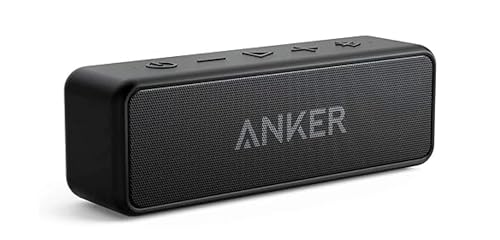
Learn how speakers that connect to each other work, from stereo pairing and party modes to range, sync, and setup steps for whole home sound.
Connecting several Bluetooth speakers together fills a home or garden with music far better than one speaker working alone. The comparison table below compares the main pairing systems, so start with how many speakers you plan to link. Best bluetooth speakers that connect to each other systems use stereo pairing, party modes, or app based grouping, and each approach suits different rooms and gatherings.
Compatibility is the catch: most systems only link speakers from the same brand or product family. Decide on a system before buying your second speaker, since a mismatched pair may refuse to link at all. Check pairing limits, range, and sync behaviour early, when returns are still easy.


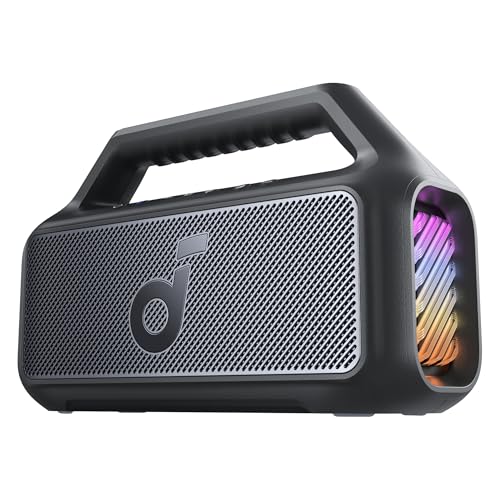


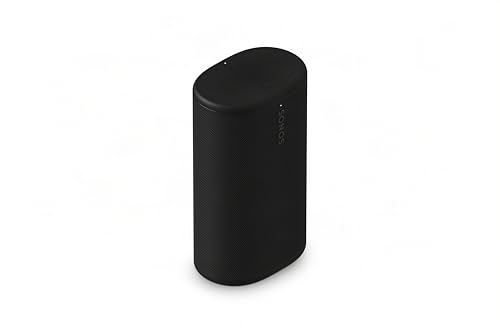
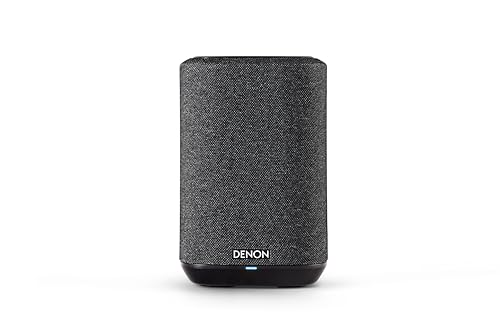
Stereo Pairing Versus Party Mode
Stereo pairing links two speakers as left and right channels, creating a wider, more detailed soundstage for seated listening. Party mode links several speakers playing the same mono or stereo mix, which suits gatherings spread across rooms or a garden. Choose stereo for focused listening and party mode for coverage and atmosphere.
Some systems switch between modes in an app, while others need button sequences on the speakers. App switching feels easier for frequent changes, while button pairing suits guests without app access. Test mode switching before a party, since fumbling with pairing during an event spoils the mood.
Compatibility and System Limits
Most multi speaker systems work only within one brand family, and sometimes only within one product line. Check the maker compatibility list for your exact models before buying a second speaker. Firmware versions matter too: update all speakers before pairing, since mismatched firmware causes many linking failures.
Count limits vary: some systems link two speakers, others link dozens. Think about future expansion now, since a two speaker system cannot grow into whole home audio later. If whole home sound is the goal, choose a system designed for many speakers from the start, even if you buy only two initially.
Range, Sync, and Dropouts
Range between linked speakers is shorter than phone to speaker range in practice, because walls and interference affect speaker to speaker links too. Place linked speakers with reasonable line of sight or in adjacent rooms, and test from your usual layout. If sync drifts or dropouts occur, move speakers closer or reduce competing wireless traffic.
Sync problems show as echo between rooms, which ruins multi room listening. Some systems handle sync well, others struggle across larger homes. Test multi room playback in your actual rooms before expanding, and consider Wi Fi based multi room systems if Bluetooth sync proves unreliable in your home.
Apps, Controls, and Guest Use
Companion apps control grouping, volume balance, and mode switching, but app quality varies widely. A good app groups speakers quickly and remembers groups between sessions. A poor app forces repeated setup and frustrates households, so read app reviews alongside speaker reviews before committing to a system.
Guest use matters for parties: can visitors play music through the group without installing an app or joining your account? Bluetooth guest pairing suits parties, while account based systems suit households. Decide which pattern fits your gatherings, and set up guest access before guests arrive.
Setup Steps and Troubleshooting
Setup usually follows a pattern: power on speakers, put them in pairing mode, link them through buttons or the app, then connect your phone to the main speaker. Test stereo balance and sync with familiar music before tidying cables or moving speakers. Note which speaker acts as the main unit, since phone range relates to that speaker.
If linking fails, update firmware, reset speakers, and pair from close range in a quiet wireless environment. Remove old groups before creating new ones, since stale groups confuse many systems. If one speaker consistently fails to link, test it alone first to rule out a hardware fault.
Getting the Most From Linked Speakers
Name speaker groups clearly in the app, such as living room pair, garden party, and whole home, so household members can select groups without confusion. Clear names prevent music playing in the wrong rooms, a common multi speaker frustration. Review groups quarterly and remove unused ones that clutter the app and slow selection.
Balance volume across linked speakers rather than maximising one, since even coverage sounds better than a loud centre with quiet edges. Walk through each room during playback and adjust individual speaker volumes until sound feels consistent. Balanced groups let conversation continue everywhere without shouting over a single loud speaker.
Keep all speakers on the same firmware version, updating together before parties or gatherings where reliability matters most. Mixed firmware causes many linking failures, and updates during events waste time and patience. A pre event update and test run keeps multi speaker setups dependable.
A Final Check Before You Order
Before ordering a second speaker, verify exact compatibility with your existing model, including product line and firmware requirements. Check the maker compatibility list rather than assuming same brand means linkable, since product families differ. Compatibility confirmation prevents the most expensive multi speaker mistake.
Finally, test linking, sync, and range in your actual rooms during the return period, walking between rooms while music plays. Listen for echo or dropouts at room boundaries, and test group creation and removal repeatedly. Real home testing reveals sync problems that shop demonstrations hide.
Related guides include best bluetooth speakers that pair together, best bluetooth speakers that link together, best app to connect multiple bluetooth speakers, best quality bluetooth speakers, and best portable bluetooth wireless speakers. They cover pairing apps and portable options for linked audio.
Frequently Asked Questions
Can any Bluetooth speakers connect to each other?
No, most Bluetooth speakers connect only to speakers from the same brand and product family that support the same pairing system. Check the maker compatibility list before buying a second speaker, since mismatched models usually refuse to link. Choosing a system first and expanding within it avoids wasted purchases. If you already own speakers from different brands, use them in separate rooms rather than forcing an incompatible link.
What is the difference between stereo and party mode?
Stereo mode splits left and right channels between two speakers for a wider soundstage in seated listening. Party mode plays the same sound through several speakers for even coverage across rooms or gardens. Use stereo for focused music sessions and party mode for gatherings and whole home background music. Some apps let you save both setups, so switching between focused listening and party coverage takes only a few taps.
How many speakers can I link together?
Linking limits vary by system, from two speakers for stereo pairing to dozens for party and multi room systems. Check the maker limit for your exact models and app version before planning a large setup. Buying into a system with room to grow saves replacing speakers if you later want whole home audio.
Why do linked speakers go out of sync?
Linked speakers go out of sync from distance, walls, interference, or mismatched firmware between speakers. Move speakers closer, update firmware on all units, and reduce competing wireless traffic. If sync problems persist across rooms, a Wi Fi multi room system may handle timing better than Bluetooth linking in your home.
Can guests play music on linked speakers?
Guests can usually play music on linked speakers by pairing with the main speaker by Bluetooth, without needing the companion app. Check guest pairing behaviour before a party, since some systems need app approval or account access. Set up the group in advance and test guest playback so the event runs smoothly.
Final Thoughts
Speakers that link together reward planning: choose one compatible system, test pairing and sync in your rooms, and expand within that system. Stereo suits focused listening, party mode suits gatherings, and both beat a single speaker for coverage. The product table above compares the main systems.
Set groups up before guests arrive, test from every room, and keep firmware updated across all speakers. When linking works smoothly, whole home music feels effortless. That smooth experience is the goal of a best bluetooth speakers that connect to each other purchase.


