
Best Bluetooth Speakers Online 2026: How to Choose Before You Buy
Disclosure: We may earn a commission when you buy through links on this page, at no extra cost to you. As an Amazon Associate I earn from qualifying purchases. Learn more

Ordering a speaker without hearing it? Compare the best bluetooth speakers online by type, battery, water rating and size, and check returns first.
Buying a speaker online means no chance to listen first, so type, specs and seller terms matter more than brand fame. The best bluetooth speakers online shoppers can order fit three jobs: a portable speaker for travel, a rugged one for outdoors, or a larger one for a room. The product table below lists well reviewed options, and this guide shows how to check a listing before you pay.
A few simple checks on size, battery and returns turn a risky listing into a safe purchase.

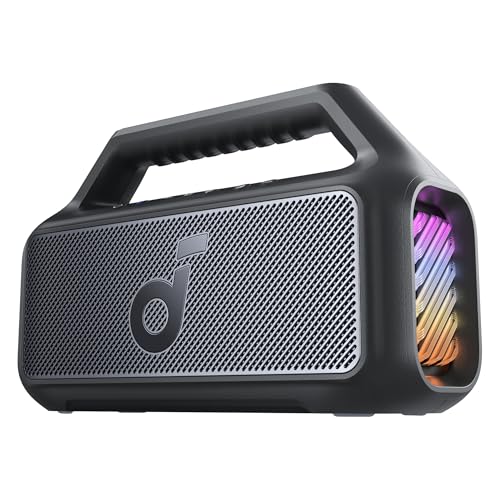





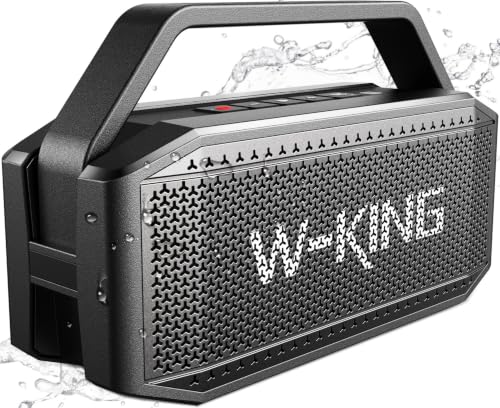

Types of Bluetooth Speakers You Can Order Online
Compact Portable Speakers
Compact models fit a bag or a desk. They usually cost about $25 to $100, run 10 to 24 hours per charge and favor clear voices over deep bass. They suit travel, bedrooms and offices.
Rugged Outdoor Speakers
Sealed shells, covered ports and ratings such as IPX7 suit patios, pools and campsites. They play louder, last longer on a charge and cost about $70 to $250. For fixed outdoor spots, see our guide to the best exterior bluetooth speakers.
Home and Bookshelf Speakers
Larger home models use bigger drivers for fuller bass and wider stereo, and many plug into the wall and offer extra inputs for a television or turntable. They are heavy, so they suit one room. Prices run from about $150 to $500.
How to Choose the Best Bluetooth Speakers Online
Read the Dimensions
Photos hide scale. Compare the listed size and weight with a book or a water bottle you own, and check the footprint against your shelf.
Look Past Watt Claims
Watt numbers vary by brand and say little about sound. Driver size, cabinet volume and tuning tell you more. If a listing shouts watts but hides driver details, look for a clearer spec sheet. Our guide to the best quality bluetooth speakers explains what to compare.
Battery and Charging
Quoted hours assume moderate volume. Look for USB C charging and check whether a charger is included, as many speakers ship with only a cable.
Water Rating and Variants
IPX4 covers splashes, and IP67 covers dust and brief immersion. Confirm the rating on the exact model page, since one listing can group several variants.
Seller and Returns
Check the return window, the warranty and who ships the item. Test pairing, volume and every input in the first days while a return is still easy.
Common Mistakes to Avoid
- Choosing by watt claims instead of driver size and reviews.
- Skipping the dimensions and getting a speaker that is too big or too small.
- Ignoring the water rating before taking a speaker outside.
- Assuming two speakers from the same brand will pair in stereo.
- Buying without checking the return policy.
Setup and Care
Charge fully before first use, update firmware through the maker app and place the speaker on a firm surface away from corners. Wipe the grille with a dry cloth, keep ports dry and store the speaker out of hot cars. Keep the box until you are sure about size and sound.
Buying Checklist for Online Orders
Before You Click Buy
Write down your room size, budget and main use, then filter listings by those facts. Check the exact model name, because sellers often list several versions on one page. Read recent buyer comments for repeat problems such as pairing drops, short battery life or rattling bass. Comments about customer service and replacements tell you how the maker treats problems.
When the Box Arrives
Charge the speaker fully, update it through the maker app and play music you know well at low, medium and high volume. Listen for distortion or rattles at high volume, check that every button works and walk around the room to check the Bluetooth range. If anything is wrong, start the return right away.
Sound Differences You Can Predict From a Listing
You cannot hear a speaker online, but the listing tells you a lot. Two drivers in stereo give wider sound than one. A passive radiator adds bass without a large powered woofer. Heavier speakers usually have bigger cabinets and fuller bass. Frequency response numbers are only a hint. Reviews that describe the sound in plain words, such as clear voices or boomy bass, help more than numbers.
Budget Guide
Under about $40, expect a small speaker with decent clarity and moderate battery life. Between $50 and $120 you find rugged builds, better drivers and longer battery life. Between $120 and $250 you gain bigger sound, premium materials and better apps. Above that, you are mostly paying for home audio quality, Wi-Fi features and finish. Spend more only if you will use the extra power or sound quality every week.
Pairing Two Speakers
Many shoppers plan to add a second speaker later. Check which pairing mode the first speaker supports and whether it needs the exact same model. Stereo pairing gives a wider soundstage, while party mode plays the same sound on both. If you might expand, buy into a family with a clear pairing list so the second speaker will definitely link.
Reading Reviews Wisely
Reviews help most when you read them for patterns. Look for the same complaint repeated, such as a battery that fades after months, a speaker that disconnects or a charging port that fails. Ignore comments about shipping or packaging that have nothing to do with the speaker. Pay attention to reviews from people with a similar use, such as a small apartment or a camping trip, and to comments that describe the sound in plain words. A few bad reviews are normal for any popular speaker, so judge the overall pattern.
Warranty and Support
A longer warranty signals confidence. Check what it covers: battery wear is often excluded, while defects in the first year are usually covered. Look for a maker with a clear support page, firmware updates and spare parts. If a speaker uses a proprietary charger, make sure a replacement is easy to buy. Register the product when you receive it, and keep proof of purchase in a folder or email.
Sizing Up the Room
A bedroom of 120 square feet needs far less power than a 400 square foot living room. As a rough guide, a compact speaker suits one person nearby, a midsize speaker suits a room of a few people and a large speaker suits open spaces or groups. Outdoors, plan for roughly double the power you would use indoors, because walls are not there to reflect sound. If you are unsure, choose the next size up and keep the volume moderate, which usually sounds cleaner than a small speaker pushed to its limit.
Frequently Asked Questions
Is it safe to buy a speaker without hearing it?
Yes, if you rely on specs, buyer feedback and a clear return window. Match the type to your room and keep the box until you are happy.
What IP rating do I need for outdoor use?
IPX4 handles splashes and light rain. IP67 is safer near pools, beaches and dusty trails.
How long does the battery last?
Portable models commonly last about 10 to 24 hours at moderate volume. Loud play cuts that figure.
Do I need a special codec?
No. A standard codec sounds good, and a fancier one only helps if both your phone and speaker support it.
Final Thoughts
Choose the type for your main use, check dimensions and the water rating, and buy where returns are simple. Use the product table above to compare options and pick the best bluetooth speakers online for your room and budget.


