
Best Bluetooth Speakers For Workshop 2026: Rugged Picks and Buying Tips
Disclosure: We may earn a commission when you buy through links on this page, at no extra cost to you. As an Amazon Associate I earn from qualifying purchases. Learn more

Rugged, loud and dust ready: how to choose the best bluetooth speakers for workshop use, with battery, sealing and mounting tips.
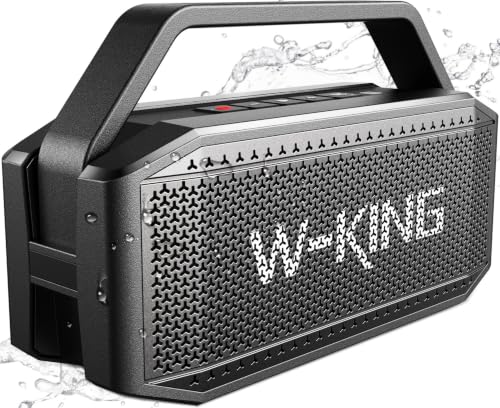
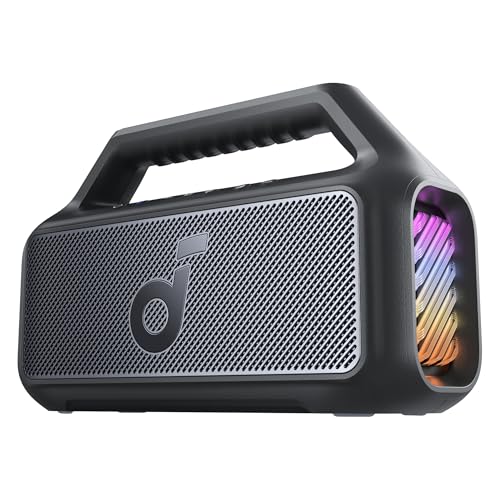
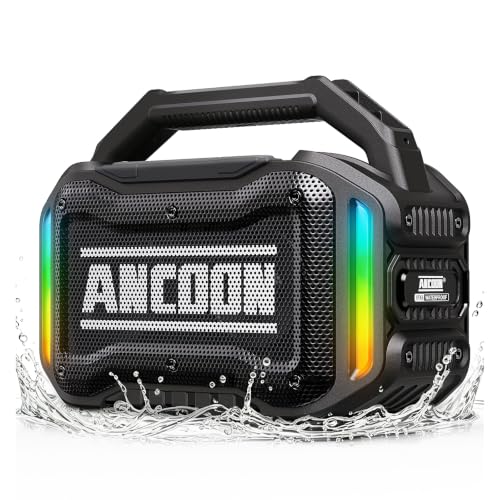
Sawdust, metal shavings, power tools and a long project do not mix well with a delicate speaker. The best bluetooth speakers for workshop use are tough, loud enough to cut through machine noise and easy to wipe clean, and they keep playing for a full day without a plug. The product table below lists rugged picks, and the sections that follow explain what to look for.
A garage bench, a woodshop and a basement lab each have their own noise level and dust, so the right speaker depends on where you work and how long you stay.





What a Workshop Speaker Has to Handle
A workshop speaker earns its keep in three ways. It must be loud enough to hear over a table saw or compressor, it must survive dust and the occasional splash, and it must stay put when you move around the bench. Fine sound quality is a bonus, but clear voices and steady volume matter more than deep bass when tools are running.
Dust and Water Resistance
Look at the IP rating. The first digit covers dust and the second covers water. IP67 means dust tight and able to survive brief immersion, which suits a messy shop. IPX5 or IPX6 handles hose splashes and spilled drinks but says nothing about dust, so fine sawdust can still work into ports over time. Rubber port covers that close fully are worth checking.
Volume and Sound Character
Machines can reach 90 decibels or more, so a small pocket speaker will vanish. Midsize and large portable models with two drivers and passive radiators carry better in a garage. Treat watt figures as a rough guide only, since brands measure them differently. Clear midrange helps podcasts and radio talk stay understandable.
Battery and Power
Battery life of 15 to 24 hours covers a full working day, and USB C charging means one cable serves your phone and speaker. Some models double as a power bank, which helps when you are far from an outlet. Loud play shortens the quoted hours, so leave some margin.
How to Choose the Best Bluetooth Speakers for Workshop Use
Build and Mounting
A rubber shell, metal grille and reinforced corners survive drops from a workbench. Magnetic mounts let a speaker cling to a steel tool chest or a lift, and a hanging loop or strap lets you hook it on a pegboard. Keep the speaker off the work surface where tools and chips land.
Range and Connection
Metal cabinets, concrete walls and big machines can weaken a Bluetooth signal. Keep your phone within about 30 feet and in line of sight where possible. Multipoint pairing lets the speaker stay linked to a phone and a tablet at once, and an auxiliary input gives a wired backup when interference gets in the way.
Hearing and Safety
Loud music over loud tools adds up. Keep the volume moderate, wear hearing protection when machines run, and never let music hide warning sounds such as alarms or a shout from another person in the shop.
Common Mistakes to Avoid
- Buying an indoor speaker with open ports, which clog with dust within months.
- Judging volume in a quiet room, then finding it too soft with tools running.
- Placing the speaker directly under a sander or saw where debris settles on it.
- Relying on the quoted battery hours without allowing for loud use.
- Skipping the IP rating and splashing a speaker that was never sealed.
Care Tips for a Dusty Space
Brush dust from the grille and ports with a soft brush after messy jobs, then wipe the shell with a slightly damp cloth. Let the speaker dry fully before plugging in a charger. Store it in a cabinet or a case overnight, and keep it out of a freezing or very hot garage when you can, since extreme temperatures shorten battery life.
Matching the Speaker to the Kind of Shop
Woodworking and Sanding
Wood dust is fine and drifts everywhere, so sealed ports and a tight grille weave matter most here. Machines such as planers and dust collectors are loud for short bursts, which makes a speaker with strong midrange better than one with only heavy bass. Hang it on a wall hook away from the cutting line, and wipe the grille at the end of each session so dust does not cake into the mesh.
Garage and Auto Work
Garages bring oil, brake cleaner, cold mornings and concrete floors that bounce sound around. A rubberized shell wipes clean, and a magnetic base lets the speaker sit on a steel toolbox or a car panel without sliding. Cold weather cuts battery life, so a model that can play while plugged in is useful in winter. Keep it off the floor, where it can be kicked or splashed.
Metalwork and Welding
Sparks, grinding dust and heat are hard on plastic and fabric grilles. A metal grille and a speaker you can place well away from the sparks give it a longer life. Grinders and cut off saws are very loud, so music will often be background only, and hearing protection with built in audio may suit you better during the loudest jobs.
Hobby Benches and Craft Rooms
Electronics, model building and crafts are quieter, so a compact speaker with clear sound and a decent battery is usually enough. Dust is lighter, but spilled glue, paint and drinks are the risk, so a splash rating is still worth having. A small footprint leaves room on a crowded bench.
Sound Placement in a Hard Surface Room
Workshops are full of hard walls, concrete and metal shelving, which reflect sound and can make music harsh or echoey. Place the speaker at ear height or higher, facing the area where you stand most, and keep it away from the corner of a room where bass swells. A speaker on a shelf behind you often sounds better than one directly on the bench, because the bench acts as a reflecting surface. If one speaker does not cover a long shop, a pair that links wirelessly can spread sound evenly, and the second unit can sit near a far bench so you do not keep turning the volume up as you walk around.
Power Planning for Long Days
A full workday can run 8 to 10 hours, and loud play drains batteries faster than the quoted figure. Plan to charge the speaker overnight, keep a short USB C cable near the bench and consider a small power bank for days when you are working away from an outlet. Models that can charge a phone are handy but drain the speaker faster, so use that feature only when needed. If you work in a very dusty space, charge the speaker somewhere clean, because dust in the charging port can stop a cable from seating properly.
Frequently Asked Questions
What IP rating should a workshop speaker have?
IP67 is the safest choice because it covers both fine dust and water. IPX5 or IPX6 is acceptable for a clean garage where splashes are the main risk.
Can a Bluetooth speaker hang on a wall?
Yes, when it has a strap loop, a keyhole slot or a magnetic back. Use fixings rated for its weight and keep the charging port easy to reach.
Is battery or mains power better in a shop?
A battery speaker is easier to move between benches, while a mains powered model suits a fixed spot. Many portables can play while charging, which gives you both.
How loud should I play music?
Loud enough to enjoy, but low enough to hear warning sounds and conversation. Use hearing protection around loud machines.
Will a rugged speaker survive a drop?
Most rubberized models survive a fall from bench height onto a hard floor, but a cracked seam can let water and dust in, so check the shell after any hard knock.
Final Thoughts
Match the speaker to your shop: a sealed shell, strong volume and a long battery. Use the product table above to compare rugged options, then choose the best bluetooth speakers for workshop work that fits your bench, your noise level and your budget.


