Best Bluetooth Speakers for Vinyl Record Player for 2026: What Actually Matters Before You Buy
Disclosure: We may earn a commission when you buy through links on this page, at no extra cost to you. As an Amazon Associate I earn from qualifying purchases. Learn more

Use this checklist to choose the best bluetooth speakers for vinyl record player, covering sound, inputs, delay and placement for your record collection.
Vinyl playback adds steps that phone listening does not have, from the phono stage to the way a turntable sends its signal. A speaker that sounds great with a phone can hum, lag, or sound thin with records if the connection is wrong. This checklist for the best bluetooth speakers for vinyl record player use starts with compatibility, then moves to sound and placement.
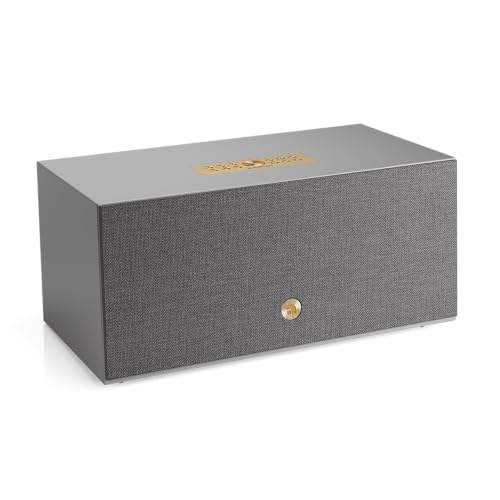
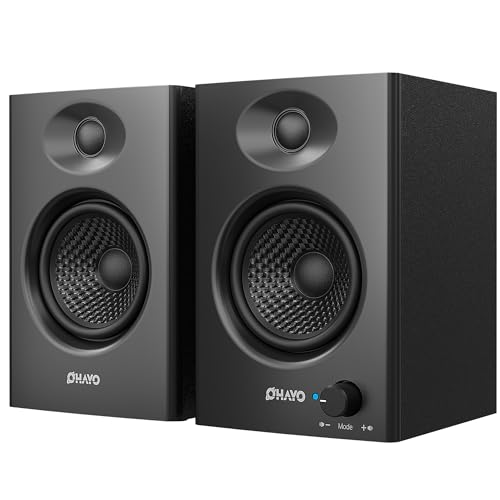
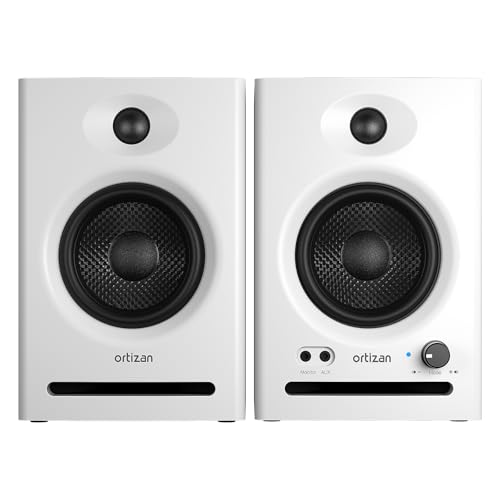
You will see clear thresholds for each criterion, what good looks like, and what should make you pause. Use the comparison table below for a quick overview, then work through the checklist before you spend money on a mismatch.




How to Evaluate Bluetooth Speakers
This section states the criteria in plain terms so you can apply them to any model you consider. Each criterion has a practical test you can do with product pages and manuals alone. A speaker does not need to excel at every point, but it must pass the connection and sound points without exception.
Features That Matter for Vinyl Record Player
Vinyl use requires a correct signal path above all. Your turntable must either send Bluetooth itself or connect through a transmitter or an amplifier, and the speaker must receive that signal without a phono stage mismatch. Look for a speaker with an auxiliary input as a wired fallback, because records reveal hum and dropouts more clearly than streamed music. Volume control that works from the speaker itself also matters, since many turntables have fixed output.
Sound Quality and Tuning
Good vinyl sound needs an even midrange, controlled bass, and treble that reveals detail without harshness. Records already have warmth, so a heavily bass boosted speaker can turn vocals muddy and hide the separation between instruments. Prefer neutral or adjustable tuning with at least bass and treble controls. Driver size matters for full sound at low volume, because many listeners play records in the evening and need clarity without loudness.
Durability and Water Resistance (IP Rating)
Most vinyl listening happens indoors, so water resistance is a low priority for this use. A sturdy cabinet, a solid grille, and stable feet matter more than an immersion rating. If the speaker will also travel outdoors, IPX4 covers splashes and IP67 covers brief immersion, but do not trade cabinet quality or input options for a rating you will rarely use. Keep the speaker away from drinks and cleaning sprays near your records regardless of any rating.
Noise Cancellation and Isolation
Noise cancelling in a loudspeaker does not remove room noise the way headphones do, so do not pay extra for that label here. Isolation for vinyl means something different and more useful: keeping speaker vibration away from the turntable. Bass vibration through a shared shelf can reach the needle and create rumble or feedback. A good result comes from separate surfaces, solid stands, and isolation pads, not from an electronic cancelling feature.
Battery Life and Charging
Battery life matters only if you need portability away from the turntable, because a record setup stays in one place. For a fixed listening room, wall power is simpler and avoids a dead battery in the middle of a side. If you do choose a battery model, look for at least twelve hours at moderate volume and the option to play while charging. Confirm that charging noise does not enter the audio path, a flaw that shows up as a faint buzz with some models.
Ecosystem and App Features
An app can help with equalizer adjustments, firmware updates, and stereo pairing. For vinyl, the most valuable app feature is a saved custom equalizer setting, because records and streamed music often need different tone balance. Check that basic playback and volume work without the app, so a future app change does not strand your setup. Stereo pairing deserves attention if you want a wider stage, but a single well placed speaker still suits many small rooms.
For a broader view of wired and powered options, see our guide to the best speakers for vinyl record player alongside this Bluetooth focused checklist.
Three Budget Tiers That Can Pass the Checklist
Instead of naming models, this section describes what each price tier should deliver for vinyl use. Use it to set expectations and to spot a tier that charges for extras while missing a basic input or control. Prices are approximate and vary by sale and region.
Premium Range
Around $150 to $300, expect a larger cabinet, clear midrange, adjustable tone controls, and both Bluetooth and auxiliary inputs. This tier should also offer stereo pairing or a true stereo cabinet and stable feet that limit vibration. It suits listeners who play records daily and want one setup for streamed music as well. If a model in this tier lacks a wired input or forces all control through an app, it does not pass the checklist despite its price.
Value Range
Around $80 to $150, expect honest sound with slightly less bass depth and fewer extras. Look for neutral tuning, a wired input, and a cabinet large enough for a small or medium room. This tier often gives the best balance for a first record setup, because money goes to drivers rather than lights or novelty features. You may give up app based equalizer tools, but manual tone controls cover the main need.
Compact Range
Around $50 to $100, expect a small cabinet for a desk, bedroom, or apartment corner. Compact models can sound clear at close distance, but they cannot fill a large room or reproduce deep bass from records. Choose this tier only if space is tight and you sit near the speaker. Keep the turntable on a separate surface even in a compact setup, because vibration problems grow when space shrinks and gear shares one shelf.
Shoppers comparing near identical search terms may also find our guide to the best bluetooth speakers for record player useful for connection diagrams and transmitter notes.
Quick Buyer Checklist
- Does your turntable send Bluetooth, or do you have a transmitter or amplifier that will send it?
- Does the speaker have an auxiliary input for a wired fallback if wireless sound disappoints?
- Can you place the speaker on a different surface from the turntable to avoid vibration?
- Does the tuning favor clear midrange over heavy bass boost?
- Can you control volume and tone without opening an app?
- Does the power option suit a fixed room, either wall power or long battery life with play while charging?
- Is the cabinet large enough for your room and seating distance?
Red Flags to Watch For
- Vague input details. If a listing will not state its inputs clearly, assume the wired option you need may not exist.
- Bass claims without size context. Very small cabinets cannot move much air, no matter how bold the claim sounds.
- No mention of delay. For records delay matters less than for television, but a seller that hides basic specs may hide other limits.
- Very short warranty. A brief warranty on electronics that should last years signals low confidence in build quality.
- Unusual review patterns. Many similar glowing comments with no mention of setup or inputs tell you little about vinyl use.
Care and Maintenance Tips
Keep firmware updated if your speaker offers updates, and test playback after each update before a long listening session. Store a portable model in a case to protect its drivers when you move it, and keep dust off grilles with a soft dry cloth. Near a turntable, also keep the area clean, because dust that settles on records and needles shortens their life and adds surface noise you might blame on the speaker.
If you are building a combined setup from scratch, our guide to the best record player and speakers covers matched systems and separate components.
FAQs
What features matter most in bluetooth speakers for vinyl record player?
A correct signal path, a wired fallback input, and neutral tuning matter most. Confirm how the turntable will send audio before you judge sound features, because the best tuning cannot fix a missing transmitter or a phono mismatch. Next, plan separate placement for speaker and turntable. That order, connection first, sound second, placement third, prevents the most expensive mistakes.
What IP rating do I need for outdoor use?
For indoor vinyl listening you need no IP rating at all. If the same speaker will go outdoors, IPX4 covers splashes and light rain for patio use. IP67 is only worth paying for if immersion or heavy dust is likely. Do not let a high rating distract you from inputs and tuning, which decide vinyl performance every day.
How long does the battery last?
Battery models for home use typically offer about ten to twenty hours at moderate volume. Bass heavy records and high volume shorten that range. For a fixed turntable setup, the smarter question is whether the speaker can play while plugged in without buzz. If it can, battery size becomes a minor point and you can leave it connected like a home speaker.
Is ANC worth the extra cost?
No, active noise cancelling in a loudspeaker adds little for vinyl listening at home. Your money works harder when spent on cabinet size, tone controls, or a better transmitter with low delay. If household noise bothers you, closing a door and lowering background appliances will help more than a cancelling label. Save the cancelling budget for headphones you use in transit.
Do I need a special codec?
A special codec helps but is not required for enjoyable vinyl playback. Support for aptX or LDAC can improve detail and delay when your transmitter also supports the same codec. The chain uses the best codec both ends share, so check the transmitter first. A stable standard connection with correct placement will sound better than an advanced codec in a poor setup.
Wired or wireless: which sounds better?
Wired playback usually sounds cleaner for vinyl, because it avoids wireless compression and removes pairing and delay concerns. A cable from the turntable or its amplifier to the auxiliary input also makes hum easier to diagnose. Wireless wins on convenience and clean layout when the turntable sits across the room. Many listeners use wired for records and wireless for phones, getting both benefits from one speaker.
For additional placement ideas for small collections, see our guide to the best vinyl player speakers and the companion guide to the best bluetooth speakers for vinyl player.
Final Thoughts
Confirm the signal path first, choose neutral tuning second, and plan separate placement third. Those three steps will guide you to a setup that honors your records without hum, rumble, or muddy bass. Compare the options in the product table above against the checklist, and select the best bluetooth speakers for vinyl record player configuration that fits your room, your turntable, and your listening habits.