Best Bluetooth Speakers for Vinyl Player: Budget, Midrange, and Premium Guide for 2026
Disclosure: We may earn a commission when you buy through links on this page, at no extra cost to you. As an Amazon Associate I earn from qualifying purchases. Learn more
Learn how to choose the best bluetooth speakers for vinyl player with clear notes on sound tuning, codecs, setup needs, and what each price tier delivers.
Prices for Bluetooth speakers stretch from under $50 to well over $500, and the price alone tells you very little about how a speaker will handle records. Choosing best bluetooth speakers for vinyl player setups starts with one practical question most listings skip: can your player actually send a Bluetooth signal out? Work through the connection first, then use the comparison table below to match sound, size, and budget to your room.
This guide breaks the market into three clear tiers. For each tier you get a simple checklist of who it suits, what it should deliver, and what it will not do well.


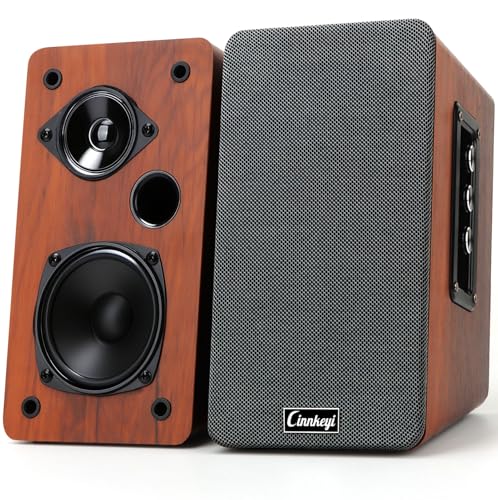
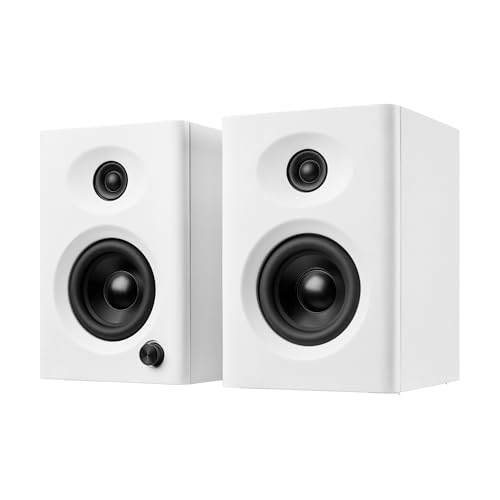

Choosing by Budget: A Checklist for Each Tier
Forget model names for a moment and shop by profile instead. If a speaker matches the checklist for your tier and your room, it is a far safer buy than a famous name that misses a basic need like a wired input.
Budget Tier Checklist
Choose this tier, usually around $50 to $100, if you listen in one small room and your player sits within a few feet of the speaker. Your checklist is short: a stable Bluetooth connection, a 3.5 mm auxiliary input as a backup, clear vocals at low to moderate volume, and simple physical controls you can use without an app. Expect modest bass and a single driver doing most of the work. Skip this tier if you want stereo separation, because one small box cannot create a real soundstage for records.
Midrange Tier Checklist
Choose this tier, usually around $100 to $250, if vinyl is your main way of listening at home. Look for two drivers or a separate tweeter, a wired input plus Bluetooth, tone controls or a simple equalizer in an app, and the option to pair two units for true stereo. This is also where build quality improves, with sturdier cabinets that vibrate less at higher volume. The main limit is still room size. A midrange speaker fills a bedroom or small living room well, but it will strain in a large open plan space.
Premium Tier Checklist
Choose this tier, usually around $250 to $500 or more, if you listen critically and keep records playing for hours. Your checklist should include a larger cabinet with separate bass and treble drivers, low distortion at high volume, support for higher quality codecs, and both Bluetooth and wired inputs including optical on some models. Many premium options also support a wired subwoofer output later. What you are paying for is headroom and refinement, not loudness alone. If you mostly play records as background music, this tier is more than you need.
What Your Money Gets You at Each Price Tier
The tiers above describe who should buy. This section describes what the hardware itself changes as you spend more, so you can tell whether a higher price buys you anything you will actually hear with vinyl.
Budget Tier: What to Expect
At around $50 to $100 you get a compact portable speaker first and a vinyl speaker second. Battery power and water resistance often take priority over cabinet size, which limits bass depth and stereo width. Sound is usually tuned bright and punchy for pop played from a phone. That tuning can make older records sound thin. The smart move at this level is to value a wired input and honest midrange clarity over extra features like light shows or voice assistants you will rarely use with a record player.
Midrange Tier: The Sweet Spot for Most Buyers
At around $100 to $250 the cabinet grows, and that physical change matters more than any spec sheet number. A larger enclosure moves more air, so bass sounds fuller without being boosted and fake. You also gain better driver separation, so vocals sit apart from guitars and piano instead of blurring together. Most buyers hear the biggest jump here, because records reward midrange detail above all else. For a deeper look at wired and wireless options in this range, see our guide to the best vinyl player speakers for a useful comparison of formats.
Premium Tier: When Spending More Pays Off
Above around $250, gains become smaller but real for careful listeners. Distortion drops, so loud passages in classical and jazz records stay clean. Frequency response usually extends lower, which helps with the warmth people expect from vinyl, and better digital processing keeps Bluetooth sound closer to a wired feed. You also get stronger cabinets, better finishes, and longer warranty support. Spending more pays off when your record collection and your room are both good enough to reveal the difference. In a noisy kitchen, it will not.
Features Worth Paying For (and Ones to Skip)
Feature lists are long, but only a handful change how records sound. Use this section to decide where your money should go and which extras you can safely ignore.
Sound Quality and Tuning
Prioritize a balanced tuning over heavy bass boost. Vinyl already carries warmth, and a bass heavy speaker can turn that warmth into mud, especially on rock and soul records. Look for a published frequency response that reaches reasonably low without wild peaks, and for separate drivers rather than one small driver handling everything. If an app equalizer is offered, use it gently. Cut an overpowering bass setting by a small step before you boost treble, because boosting adds distortion faster than cutting does.
Size, Weight, and Placement
Size decides both sound and where the speaker can live. A heavy bookshelf style speaker belongs on a firm stand or shelf, never on the same surface as your player if you can avoid it, because vibration can travel back into the needle and cause feedback or muddy sound. Keep at least a small gap between the speaker and the turntable, and place the speaker near ear height when seated. Portable models win on flexibility, but you trade away cabinet volume and bass every time you shrink the box.
Connectivity (Bluetooth Version, Codecs, Wired)
Bluetooth 5.0 or newer gives you a more stable connection and better range through a room than older versions. Codec support matters less than many listings suggest. Standard SBC and AAC sound fine for most records, while aptX and similar options can help if your sending device supports them too. The wired input is your safety net. An auxiliary or RCA input lets you bypass Bluetooth compression entirely and solves pairing problems in seconds. If you are comparing close relatives of this setup, our guide to the best bluetooth speakers for vinyl record player covers similar connection choices.
Features That Matter for Vinyl Player Use
Your player decides what you need. Many record players have no Bluetooth transmitter at all, even when they have a Bluetooth receiver for streaming from a phone. Check your manual for Bluetooth output, not just Bluetooth. If your player cannot send, you need a separate transmitter or a wired connection, and no speaker can fix that on its own. Also check whether your player has a built in phono preamp. Without one, a wired setup may sound very quiet and thin unless the speaker or an external preamp provides that stage.
Microphone Quality and Speakerphone Use
This is the feature to skip for vinyl listening. A built in microphone only helps for phone calls or voice assistants, and it adds nothing to record playback. Some speakers even lower sound quality when the microphone path is active. If you love a speaker for its drivers, cabinet, and inputs, a mediocre microphone should not stop you. If calls matter in the same room, take them on your phone and let the speaker do the one job you bought it for, which is music.
Long Term Costs to Factor In
The purchase price is not the full cost. Portable models need a battery replacement after a few years of heavy use, and some batteries cannot be replaced at all, which shortens the life of the whole speaker. Budget for a decent shelf or stands, a good auxiliary or RCA cable if you use the wired input, and possibly a small Bluetooth transmitter if your player lacks one. Powered bookshelf style models avoid battery costs but tie you to a wall outlet. A longer warranty is worth real money here, because amplifiers and batteries are the parts most likely to fail first. For a wider view of wired first setups, see our guide to the best speakers for vinyl record player before you commit to a format.
FAQs
What features matter most in a Bluetooth speaker for a vinyl player?
A wired backup input, balanced tuning, and a confirmed Bluetooth output from your player matter most. Start by checking that your player can send a signal, then look for separate drivers and a cabinet large enough for your room. Codecs and apps help at the margins. Connection reliability and midrange clarity decide whether records sound engaging every day, not just impressive for one loud demo track.
How long does the battery last on a Bluetooth speaker for a vinyl player?
Most portable models run about 10 to 24 hours per charge at moderate volume, and less when you play loudly. Vinyl sessions are usually short, so even a modest battery covers several evenings of records. Keep one habit in mind: store the speaker partly charged if you will not use it for weeks, because sitting fully empty for long periods shortens battery life faster than normal listening use does.
Is ANC worth the extra cost on a Bluetooth speaker for a vinyl player?
No, because active noise cancellation is a headphone feature, not a speaker feature. A speaker plays into the room, so there is no sealed space around your ear to cancel noise in. If a listing promotes cancellation on a speaker, read it as marketing for a companion app or microphone system. Spend that money on a larger cabinet or better drivers instead, which will improve record playback in a direct and audible way.
What IP rating does a Bluetooth speaker for a vinyl player need for outdoor use?
For indoor vinyl listening you need no IP rating at all, because the speaker lives near your records and should stay dry. If you also take the speaker outside, IPX4 handles light splashes, while IP67 handles dust and brief immersion. Keep the record player itself indoors regardless. Records, needles, and outdoor moisture do not mix, so treat outdoor use as a bonus for phone streaming rather than a reason to move your vinyl setup outside.
Do I need a special codec for a Bluetooth speaker for a vinyl player?
No special codec is required, because standard Bluetooth audio already carries the full range of a record well enough for casual and most serious listening. A higher quality codec can reduce compression slightly when both the sender and the speaker support it. The bigger limit is usually the Bluetooth transmitter in or attached to your player. If ultimate fidelity is your goal, use the wired input and keep Bluetooth for convenience listening.
Wired or wireless: which sounds better for a vinyl player?
Wired sounds better in most setups, because it avoids Bluetooth compression and pairing delay entirely. A short auxiliary or RCA run from player to speaker is simple, stable, and cheap. Wireless wins on placement freedom, since you can put the speaker across the room without a cable path. Many owners use both: wired for focused listening, Bluetooth for casual sessions. Our guide to the best bluetooth speakers for record player explains that same trade off for similar players.
Our Verdict
Start with the connection, then buy the largest well tuned cabinet your room and budget allow, and keep a wired input as your safety net. Midrange money serves most record listeners best, while premium spending only pays off in a quiet room with focused listening. Whichever tier you choose, the right best bluetooth speakers for vinyl player setup should make you forget the gear and listen to full sides again, so compare your shortlist against the product table above before you order.