
Best Bluetooth Speakers for Living Room 2026: Size, Wi-Fi and Placement
Disclosure: We may earn a commission when you buy through links on this page, at no extra cost to you. As an Amazon Associate I earn from qualifying purchases. Learn more

How to pick the best bluetooth speakers for living room: room size, Wi-Fi and Bluetooth, placement and finish.
A living room asks more of a speaker than any other space in the house. It has to fill a large, open area, sound natural for a podcast on Sunday morning and punchy for a film on Friday night, and look acceptable next to the TV. The best bluetooth speakers for living room balance clean midrange, enough bass for a room of this size and a shape that fits a shelf or a console.
This guide explains how to size a speaker for your room, how Wi-Fi and Bluetooth differ, where to place a speaker for the best sound, and what to check before buying. Use the product table to compare options once you know your room and your listening habits.


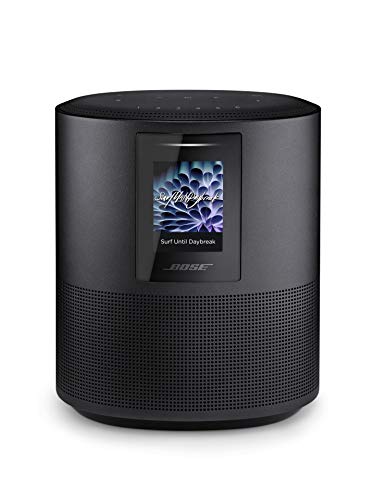


Size the Speaker to the Room
A small living room of around 150 square feet is well served by a mid size speaker with two drivers. A larger or open plan space needs a bigger cabinet, a passive radiator or a pair of speakers to keep the sound even at a distance. If the speaker has to reach the kitchen or dining area as well, look for models with wide dispersion rather than a narrow forward beam.
Power figures on the box are not reliable guides. Driver size, cabinet volume and reviews that describe loudness without distortion tell you more than watts do.
Wi-Fi, Bluetooth and Smart Control
Bluetooth is the easy option and works with any phone, but it ties the speaker to one device and drops when you leave the room. Wi-Fi speakers stream directly from your network, so calls and notifications do not interrupt the music, and many join multi room groups. A speaker with both gives you daily convenience and a backup.
Voice control is a nice extra for changing tracks from the sofa, but check which assistant is supported and whether you will actually use it. Simple remote buttons or a clear phone app are enough for many households.
Placement for the Best Sound
Speakers sound best when they sit at ear height when you are seated, not on the floor. Keep them a few inches from the wall to prevent boomy bass, and avoid hiding them inside a cabinet. Angle the speaker slightly toward the main seating spot so voices come across clearly.
If you use a speaker with a TV, place it beside the screen rather than behind it. A speaker on one side of the room and a TV on the other makes dialogue seem to come from the wrong place. For more TV focused advice, see our guide to the best bluetooth speakers for tv.
Stereo Pairs and Multi Room Options
Two matching speakers placed on either side of the TV or seating area give a wider, more natural sound than one speaker ever can. They also allow a lower volume, because the sound spreads more evenly. The cost is double the price and a little more cable or power management.
If you plan to add speakers over time, choose a family that supports grouping. You can start with one speaker in the living room and add one to the kitchen or bedroom later without replacing the first.
Design, Finish and Practicalities
Living room speakers are visible every day, so finish matters. Fabric grilles, wood effect cabinets and neutral colours blend in with furniture, while bright plastic belongs in a kids room. Check the footprint against the shelf you have in mind, and leave room for ventilation behind the speaker.
If you have children or pets, consider a cabinet with a sturdy grille and a stable base. A speaker that tips easily is a risk on a coffee table.
Care and Daily Use
Dust the grille with a soft brush, wipe the cabinet with a dry cloth and keep drinks away from the speaker. Update the firmware when updates appear, since they often improve connection stability. If sound becomes distorted at moderate volume, check the source volume as well as the speaker volume, and look for a loose cable or a dirty connector.
Related guides cover neighbouring needs, including the best home bluetooth speakers and best bluetooth speakers for home multiple rooms.
Choosing for How You Actually Listen
Think about the three most common things you will play. If it is mostly podcasts, radio and background music, clarity at low volume and a stable connection matter more than bass depth. If it is films and sport, you want a wider sound, dialogue modes and an input that avoids delay. If it is parties, you want output and a battery or power supply that never runs out.
It also helps to think about who uses the room. A household with children needs sturdy buttons and a simple pairing routine, while a quiet couple may value a refined sound and a discreet design. Write down your top three needs before you shop, and compare each speaker against that list rather than against a long feature table that includes things you will never use. The best bluetooth speakers for living room you buy should match the room you have, not the room in the photo.
Budget Ranges
A capable living room speaker starts around $80 to $150, with better drivers and Wi-Fi features around $150 to $300. Premium models with high end build and room tuning run higher. A mid range model with clear sound at low volume is a better buy than a loud, bass heavy speaker that tires you out.
Read return terms before you buy. A speaker that sounds good in a listing can behave differently in your room, and a clear return window gives you the chance to swap it.
Frequently Asked Questions
How loud should a living room speaker be?
It should reach comfortable volume across the room without distortion at about two thirds of its range. If you must run it at full power, the speaker is too small for the space.
Is one speaker enough?
For casual listening, yes. A single mid size speaker handles music and podcasts well. For films and a larger room, a pair or a speaker with stereo drivers sounds better.
Can I use a living room speaker with my TV?
Often yes, using Bluetooth, an optical or aux input, or a Wi-Fi link. Check for lip sync delay and use a wired input if dialogue lags behind the picture.
Do I need Wi-Fi?
Not necessarily, but Wi-Fi gives better range, multi room groups and uninterrupted playback during phone calls. If you stream a lot, it is worth having.
Where is the worst place for a speaker?
Inside a closed cabinet, directly against a wall, or on the floor behind a sofa. Each of these muffles the sound or makes the bass boomy.
Best Bluetooth Speakers for Living Room: Final Thoughts
Choosing the best bluetooth speakers for living room starts with room size, then connection style, placement and finish. A mid size speaker with clean midrange suits most rooms, while larger spaces reward stereo pairs or bigger cabinets. Use the product table to shortlist speakers that fit your shelf and your budget, and keep return terms in mind. A speaker that sounds clear at moderate volume and looks right in the room will be used every day.


