
Best Bike Speakers 2026: A Practical Buying Guide
Disclosure: We may earn a commission when you buy through links on this page, at no extra cost to you. As an Amazon Associate I earn from qualifying purchases. Learn more

Choosing best bike speakers made simple. Compare key features and price, avoid common mistakes, and pick an option that suits your daily needs.
Music on a ride makes commutes shorter and trail laps more fun, but a speaker on a bicycle has to cope with wind, vibration and rain that a living room speaker never meets. The best bike speakers clamp firmly to the handlebar, stay loud enough at cycling speed and survive a wet commute. This guide explains how mounting, sound, battery life and water resistance differ, so you can pick a model that suits your routes and your local rules.
Most riders overpay for wattage and underpay for the mount. A strong clamp that keeps the speaker pointed at your ears matters more than a bigger number on the box, and a rattling bracket ruins good sound faster than a modest driver does.




Who Should Buy a Bike Speaker
A handlebar speaker suits solo commuters, casual weekend riders and people who ride on quiet paths or trails and like background music. It also suits riders who run a podcast or navigation voice and want it audible without earbuds, which can block traffic noise. It is a poor fit if you often ride in dense traffic where you need every sound around you, or in places where amplified audio is not welcome. Keep the volume low enough to hear horns, bells and engines, and follow local rules about playing audio on shared paths.
Types of Bike Speakers
Handlebar clamp speakers
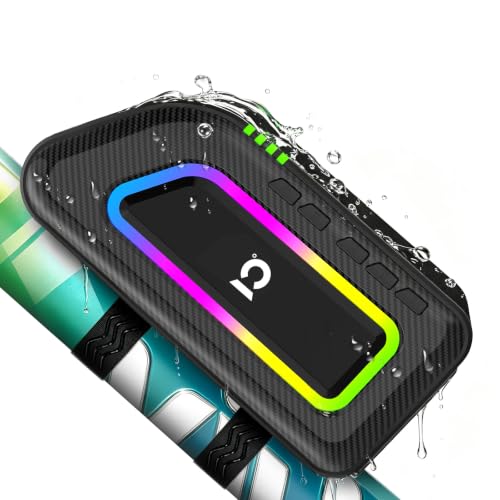
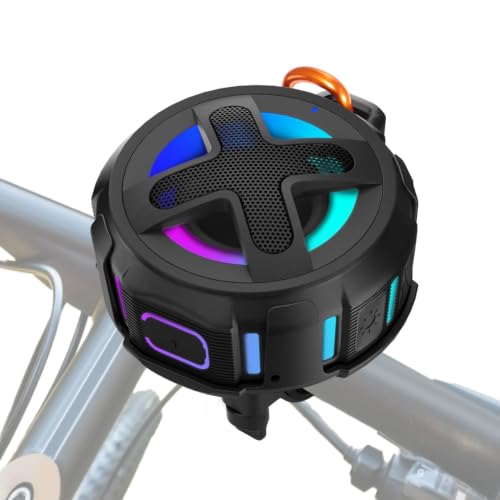
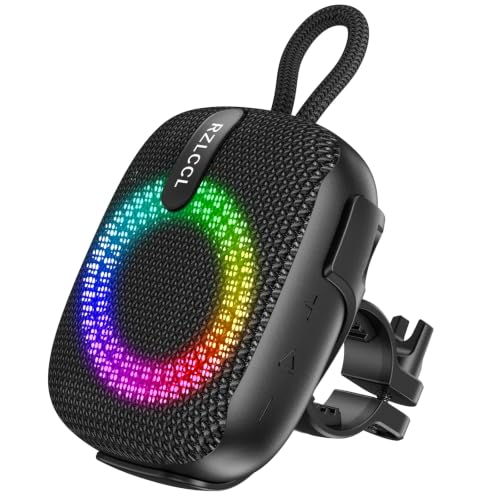
These are small cylinders or bars that clamp straight onto the handlebar or stem. They are the most popular type because they aim sound at the rider and come off in seconds when you park. Look for a rubber lined clamp that fits both thin road bars and thicker mountain bike bars.
Speakers with a light or phone holder
Some models combine a speaker with a front light, a bell or a phone cradle. They save space on the bars and suit commuters, though a combined unit means one failure can cost you several functions, and the light on a speaker rarely replaces a proper bike light.
Universal portable speakers with a strap mount
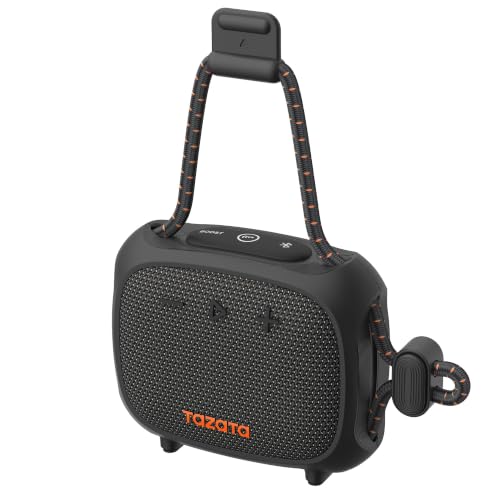
A regular waterproof Bluetooth speaker plus a bike strap or bracket also works. This route lets you use the same speaker at the beach or in the garden, but the strap can slip over bumps, so check how the speaker is held before a long ride.
Helmet and backpack audio
Smart helmets and backpacks with built in speakers keep the sound closer to your head and leave the bars free. They cost more and tie the speaker to one piece of gear, so they suit riders who already wear that helmet or pack every day.
Key Features to Compare
Mounting and security
The clamp should grip firmly without damaging paint or carbon, and the speaker should not swivel when you hit a pothole. A quick release design helps if you leave the bike locked outside, because a loose speaker invites theft.
Water and dust resistance
Look for an IPX rating of at least IPX5 for rain and splashes. IPX7 or higher gives margin for muddy rides and wash downs. Check that the charging port has a tight cover, since open ports are the usual way water gets in.
Volume and sound at speed
Wind noise swallows quiet speakers once you pass walking pace. A louder driver, or a model that points toward the rider, helps. Bass is hard to hear on a moving bike, so clear mids matter more than deep bass.
Battery life and charging
Plan for the length of your longest ride with margin. Many small speakers last 8 to 15 hours, which covers a week of short commutes between charges. USB C charging is handy because it matches the cable most riders already carry.
Bluetooth pairing
Modern Bluetooth connects quickly and holds a steady link, but check that the speaker reconnects on its own when you switch it on. Some models also take calls, which is convenient at traffic lights and unsafe while moving, so wait until you stop.
How to Choose the Best Bike Speakers for Your Rides
Start with where you ride. City commuters need a loud, water resistant model with a secure mount and a light that flashes, while trail riders should favour a rugged body and a mount that survives vibration. Next, check your handlebar diameter, because most clamps fit standard road and flat bars but some oversized bars need a different bracket. Finally, compare battery life against your usual trip, and leave a margin for cold weather, which drains small batteries faster.
Budget matters less than fit. Simple clamp speakers cost little and work well for casual use. Spending more usually buys a louder driver, better water sealing, a sturdier clamp and longer battery life. The product table above lets you compare current options by price and features.
Common Mistakes to Avoid
- Buying on wattage alone and ignoring the mount, which is the part that fails first.
- Choosing a splash resistant speaker for year round commuting in rain.
- Playing music so loud that you cannot hear traffic, horns or other riders.
- Mounting the speaker where it blocks a brake lever, shifter or bell.
- Leaving the speaker on the bike in a public rack, where it is easy to take.
Setup and Care
Fit the clamp snugly, then shake the bars by hand to confirm nothing rattles. Pair the speaker before you leave home, and set the volume at a stop rather than while riding. After wet rides, wipe the speaker and the clamp, let it dry with the port cover closed, and store it indoors when you can. Charge it before long trips, and check the clamp bolt every few weeks, since vibration loosens fasteners over time.
Related Guides
If you want to compare close alternatives, read our guides to best Bluetooth speakers for bikes, best speakers for bike riding and best portable speakers for bike. Mountain bikers may also like our guide to the best mountain bike speaker.
Frequently Asked Questions
Are bike speakers legal to use?
Rules differ by city and by path. Many places allow music at a modest volume but ask you to stay aware of traffic, and some shared paths and parks limit amplified sound. Check local rules, and keep the volume low enough to hear what is around you.
How loud should a bike speaker be?
Loud enough to hear over wind at your normal speed, but not so loud that you miss horns or approaching riders. If you cannot hear a conversation next to you, the volume is too high for road riding.
Will a bike speaker fit my handlebar?
Most clamps fit standard 22 to 32 mm bars, which covers most road, hybrid and mountain bikes. Measure the bar where you want to mount it, and check whether the maker lists a range.
Is IPX5 enough for rain?
IPX5 handles rain and splashes, which suits most commutes. If you ride in heavy rain often, or wash the bike with a hose, choose IPX7 and keep the port cover closed.
Can I use a normal Bluetooth speaker on my bike?
Yes, with a bike mount or strap. Pick a speaker with a rugged, water resistant body, and make sure the mount holds it firmly, because a speaker that drops on the road can break or cause a crash.
Final Thoughts
Choose a speaker with a secure mount, real water resistance and enough battery for your longest ride, and keep the volume sensible. Compare the product table above, then pick the best bike speakers for the way you ride rather than the biggest number on the box. A solid mount and a sensible volume do more for your ride than extra watts.


