
Best Bluetooth Speakers for a Motorcycle in 2026: Which Type Is Right for You?
Disclosure: We may earn a commission when you buy through links on this page, at no extra cost to you. As an Amazon Associate I earn from qualifying purchases. Learn more

Compare the best bluetooth speakers for a motorcycle by type, wind clarity, weather rating, battery life, and safe mounting with this buying guide.
Riding with music sounds simple until you compare the options. A speaker that sounds rich in a garage can vanish under wind and engine noise at highway speed, and a unit built for a patio may not survive one rainy commute. This guide compares the best bluetooth speakers for a motorcycle by type, so you can match the design to your bike, your helmet, and the way you actually ride.
The comparison table below gives you a fast way to scan battery life, weather ratings, and mounting styles side by side. After that, the sections below explain what each type does well, where it falls short, and which details matter most once you are moving.

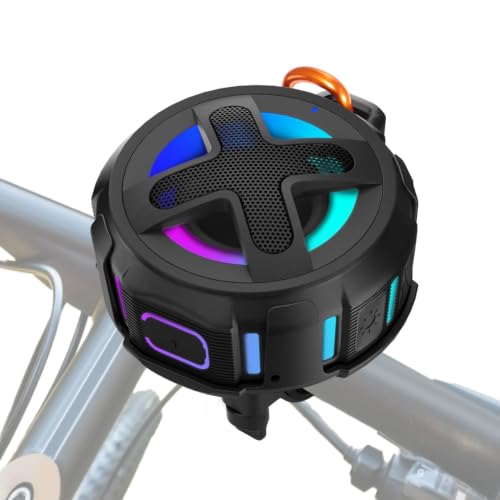
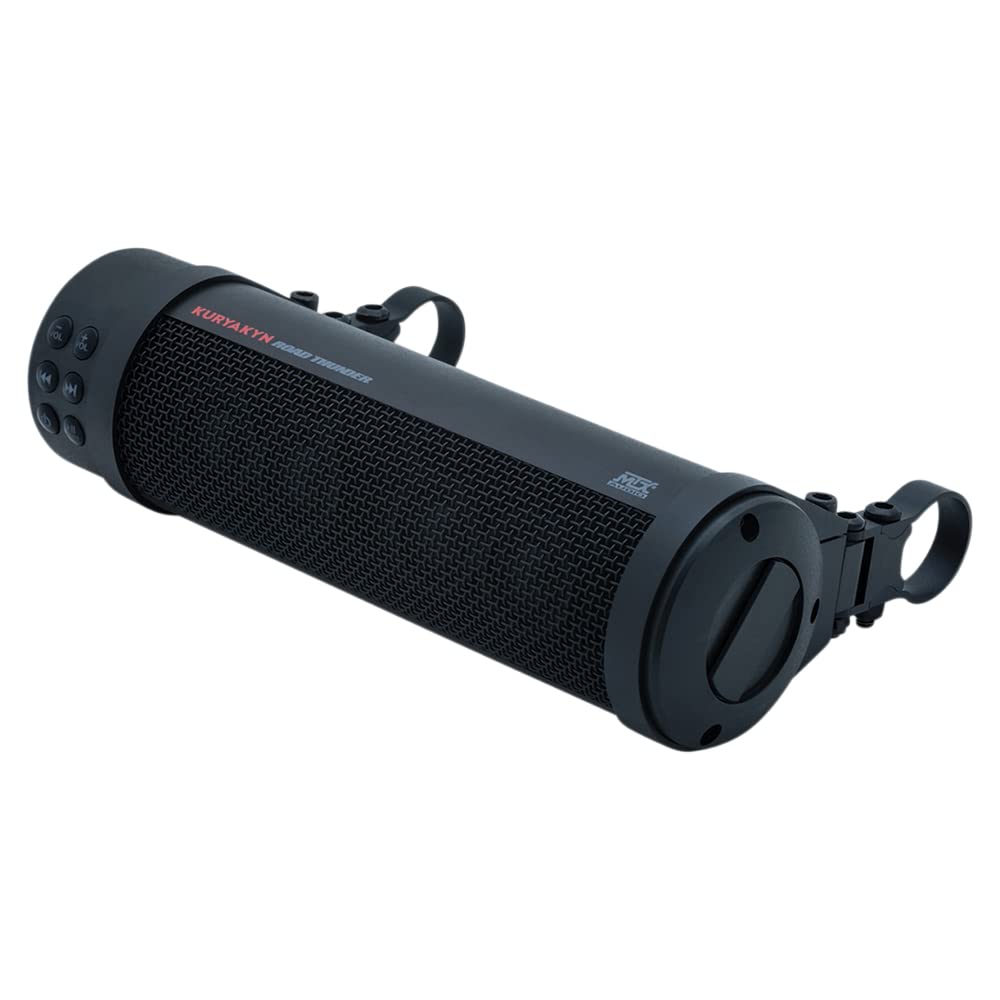
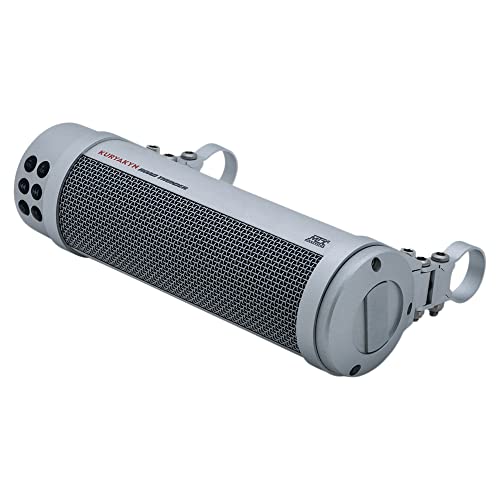


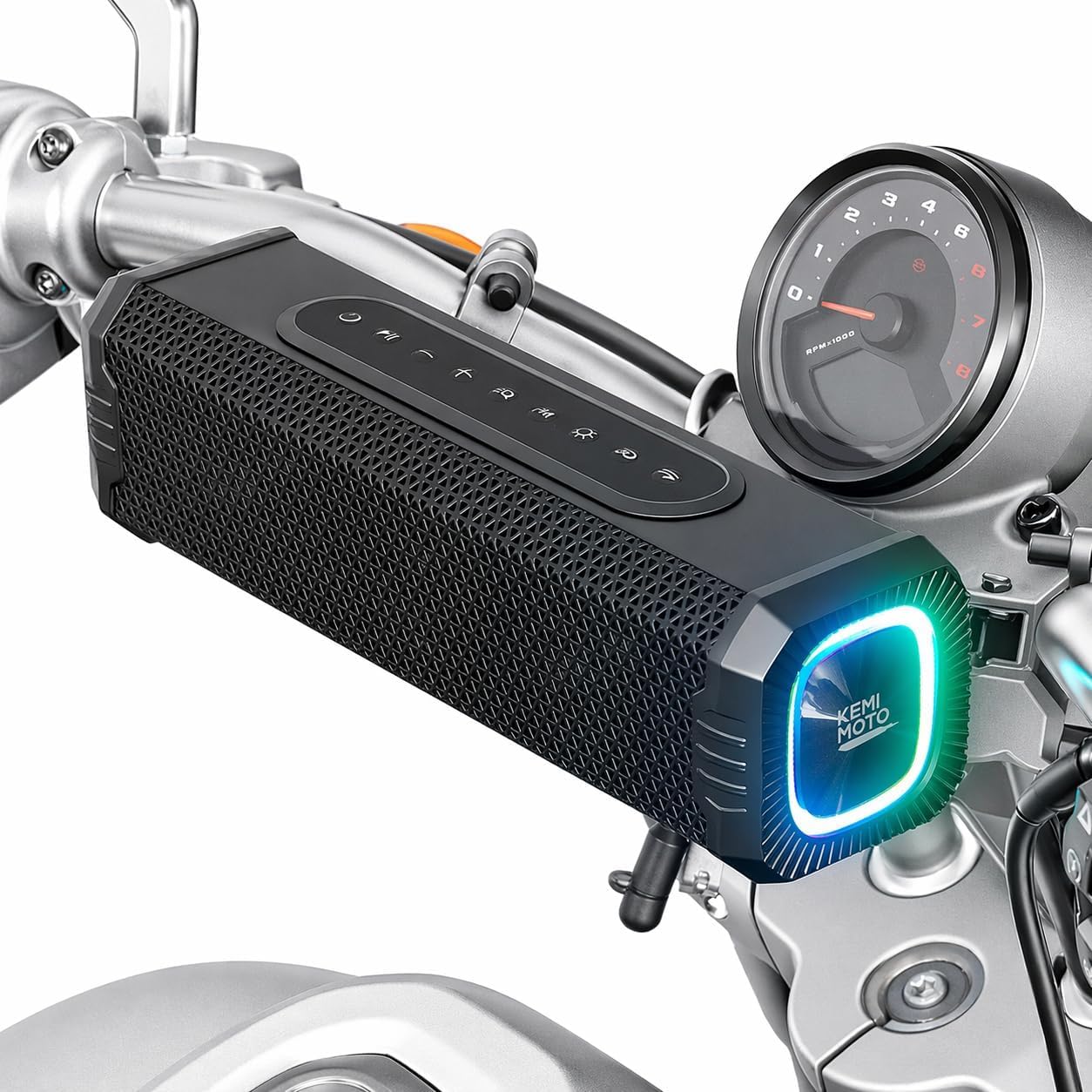


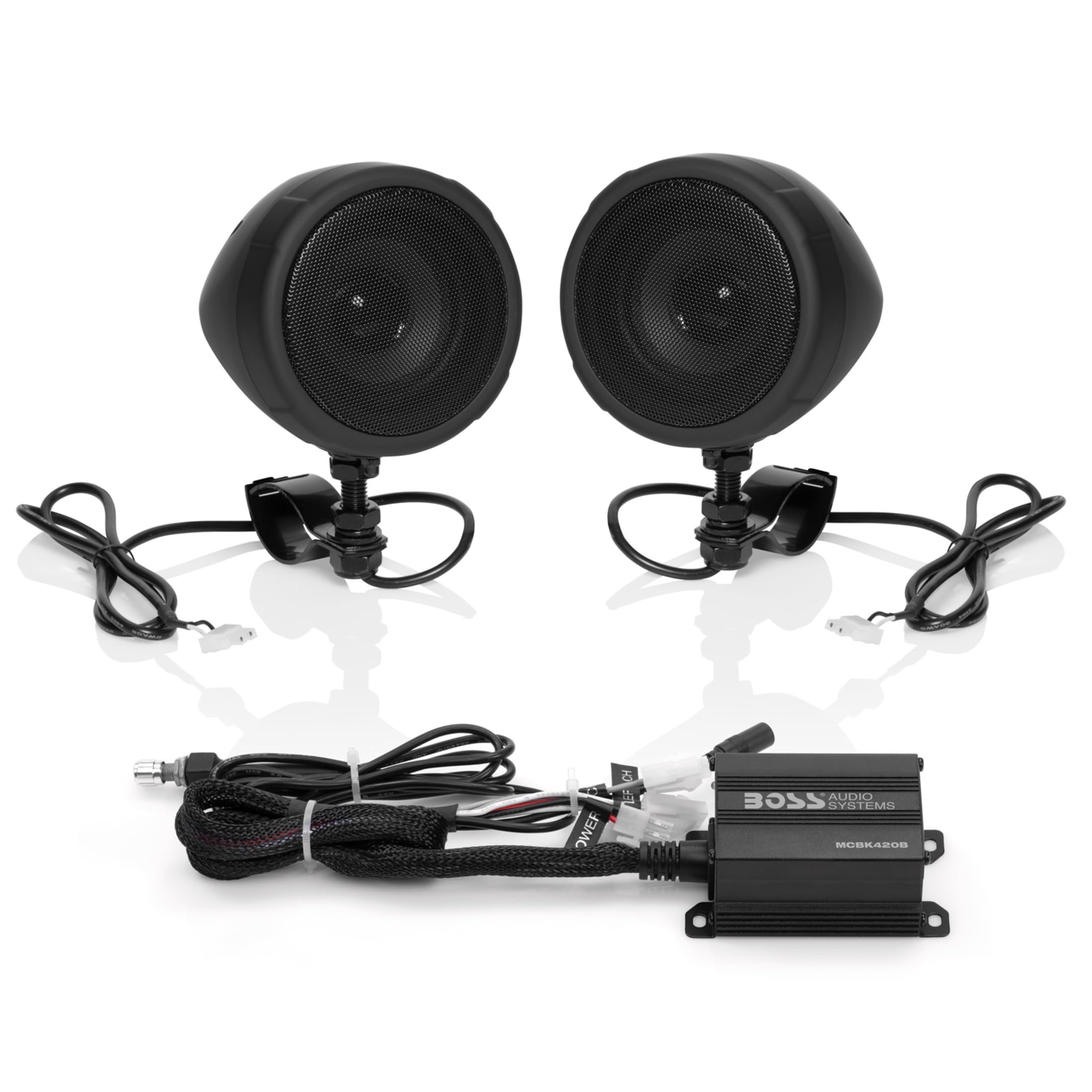
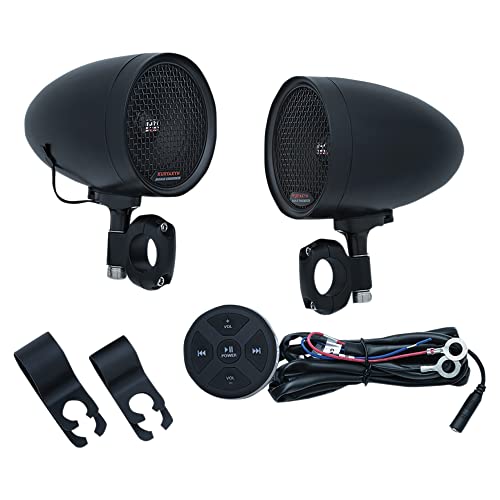
Types of Bluetooth Speakers Compared
Motorcycle audio falls into a few broad types, and the right choice depends less on raw volume and more on where the sound sits in relation to your ears. Sound that starts close to your ears needs far less power than sound that has to cross open air, fight wind, and reach you through a helmet. Keep that distance in mind as you read each type below, because it explains most of the price and size differences you will see.
Outdoor and Rugged Models
Rugged portable speakers are the units many riders try first. They are sealed boxes with tough shells, simple controls, and batteries that often run for a full day of riding. You can strap one to a bag, clamp it near the bars, or set it on a table at camp, which makes it the most flexible type if you want one speaker for riding and for stops along the way.
The trade off is clarity at speed. Because the speaker sits out in the wind stream, much of its output gets pushed aside before it reaches you, and turning it up mostly adds distortion. These models work best at town speeds, on quiet back roads, and for riders who mainly want music during breaks rather than during fast highway miles.
Noise Cancelling Models
Noise cancelling in this category usually means ear level systems that reduce steady low sounds, such as engine drone, while letting music and calls come through. By lowering the background level, they let you listen at a lower volume, which protects your hearing on long rides and makes voices easier to follow. They pair well with full face helmets that already block some wind.
The limits matter too. Cancellation works poorly on gusty wind, which changes too fast for the system to track, and it should never be used to block out traffic awareness. If a system seals your ears completely, skip it for riding. You need to hear horns, sirens, and the vehicle beside you at all times.
Wired Models
Wired models connect with a cable instead of a radio link, and some riders still prefer them for one simple reason. A cable never drops the connection, never needs pairing, and adds no delay between the source and your ears. Sound quality also stays consistent, because there is no compression step in the path from your phone to the drivers.
The downside is the cable itself. It can snag on a jacket zipper, pull loose when you turn your head, and make it awkward to step off the bike quickly. Wired setups suit short rides and riders who value steady sound over freedom of movement, but most riders who tour prefer a wireless link for daily comfort.
Home and Bookshelf Models
Home and bookshelf speakers appear in search results for this topic, but they belong in a garage, not on a moving bike. They are built for still indoor air, stable power, and careful placement, and they offer the fullest sound of any type here when you are parked and working on the bike. Think of them as a companion purchase for the workshop rather than a riding solution.
If your goal is music while you ride, use the product table above to focus on types made for helmets and handlebars instead. A bookshelf unit has no safe mount for a moving motorcycle, no weather sealing for rain, and controls that are far too small to use with gloves. Buying one for the road leads to a return almost every time.
Outdoor and Rugged Models vs Noise Cancelling Models: Which Should You Choose?
Choose a rugged bar or bag mounted speaker if you ride at moderate speeds, wear an open face helmet, and want sound you can also use at camp or in the garage. Choose an ear level system with noise reduction if you cover long highway miles, wear a full face helmet, and need clear voices at a safe listening level. Rugged models cost less and share easily with a passenger or a friend at a stop. Ear level systems cost more but deliver far more clarity per watt, because the drivers sit close to your ears.
Comfort breaks the tie for many riders. A speaker you can hear without strain for three hours beats a louder speaker that leaves your ears ringing after one. If you often ride with a passenger who wants separate volume control, look at helmet systems that support rider to passenger links, since a single bar mounted speaker forces you both to accept the same level and the same playlist.
How to Choose the Right Bluetooth Speaker
Microphone Quality
A good microphone matters if you take calls or use voice commands while riding. Wind is the enemy here, so look for systems that place the mic close to your mouth inside the helmet and use wind reduction processing. Test any system at low speed first and ask the person on the call to rate your clarity honestly. If they hear mostly rushing air, reposition the mic closer to your chin bar before you blame the hardware. A mic that works well also makes voice navigation prompts safer, because you can request a change without touching your phone.
Connectivity (Bluetooth Version, Codecs, Wired)
Bluetooth 5.3 or newer gives you a steadier link, better range from a phone in your pocket, and lower power use than older versions. Multipoint pairing lets the speaker stay connected to your phone and a second device, such as a dedicated navigation unit, without constant re pairing. Codec support matters less at speed than many buyers expect, because wind noise masks fine detail. A stable connection and simple pairing matter more. If you compare options, see our guide to the best motorcycle speakers for a wider look at how bike audio systems connect.
Sound Quality and Tuning
On a motorcycle, midrange clarity beats deep bass every time. Voices, guitar, and most melody lines live in the midrange, and that is the range that survives wind noise best. Look for tuning that favors clear vocals over heavy low end, and be wary of speakers that boast about bass output measured indoors. Frequency response figures only help if they are stated with a tolerance, so treat a bare range claim with doubt. Larger drivers move more air, but placement near your ears does more for real clarity than driver size alone.
Durability and Water Resistance (IP Rating)
Rain will find your speaker eventually, so weather sealing is not optional. An IP67 rating means the unit can handle full immersion for a short time and will shrug off heavy rain, dust, and road spray. IPX4 covers splashes only and suits fair weather riders. Check that port covers close firmly and that mounts use metal or reinforced parts where they clamp to the bike. Vibration is the slow killer of bike gear, so a solid mount with rubber isolation protects both the speaker and your handlebar finish over thousands of miles.
Features That Matter for A Motorcycle
Motorcycle use demands controls you can work with gloves, automatic volume that rises with speed on some helmet systems, and a mount that stays put over rough pavement. Battery life should cover your longest riding day with margin, so look for at least ten hours of real playback for touring. Riders who want sound inside the helmet should compare the best motorcycle helmet bluetooth speakers, while riders who prefer open air sound should look at the best bluetooth motorcycle handlebar speakers to see how bar mounted designs differ. Safety comes first in every case. Keep volume low enough to hear traffic, and never adjust settings by looking down at a screen while moving. Set your playlist and volume before you roll.
How to Make Your Bluetooth Speaker Last Longer
Keep firmware updated, because updates often improve connection stability and battery handling. Store the speaker in a padded case off the bike to protect the drivers from drops and garage dust. Wipe road grime off seals and charging ports after wet rides so grit does not wear the gaskets. Charge the battery before it sits empty for weeks, and avoid leaving the unit baking on a hot bike in direct sun. Once a season, check mount bolts and cable ties for cracks, since a five minute check prevents a lost speaker on the highway.
FAQs
What features matter most in bluetooth speakers for a motorcycle?
Clear midrange sound, glove friendly controls, and a secure mount matter most. Weather sealing of IP67 or close to it protects against rain, and battery life should cover your longest ride with hours to spare. A stable Bluetooth link that reconnects on its own after fuel stops saves daily frustration. Treat maximum volume claims with care, since placement near your ears matters more than raw output figures.
What IP rating do I need for outdoor use?
IP67 is the safest target for motorcycle use because it covers heavy rain, dust, and brief immersion. IPX5 or IPX6 can work for most riders if mounts keep direct spray off the ports. IPX4 only resists splashes, so it suits dry climates and short rides. Whatever the rating, dry the unit before charging, because a wet port can corrode even when the speaker itself survives the rain.
Wired or wireless: which sounds better?
Wired sounds slightly cleaner in quiet conditions because there is no compression in the signal path. On a moving motorcycle, wind noise hides that small gap for nearly every rider. Wireless wins on comfort, safety, and ease of use, since there is no cable to snag when you turn your head or step off the bike. Choose wired only if you strongly prefer zero delay and ride mostly at low speeds.
How long does the battery last?
Most helmet and bar mounted systems run about eight to fifteen hours per charge at moderate volume. Louder playback in wind drains the battery much faster, so a maker claim based on quiet indoor listening will not match your highway reality. For touring, carry a small power bank and top up during lunch stops. Cold weather also cuts runtime, so expect less on early spring and late fall rides.
Is ANC worth the extra cost?
Active noise cancellation is worth it mainly for long highway rides in a full face helmet, where it lowers steady engine and wind drone. It helps you listen at a safer volume for hours. It is less useful around town, where speeds are low and sounds change too fast for cancellation to track. Never use cancellation that seals out traffic sounds completely, because awareness matters more than quiet on a bike.
Do I need a special codec?
No special codec is required for enjoyable riding audio. Standard modern codecs deliver clear music and calls, and wind noise masks the fine gains that premium codecs add indoors. What matters more is a current Bluetooth version and a connection that stays stable in your pocket or tank bag. If you also use the speaker at home, broader codec support is a nice bonus rather than a deciding factor.
Final Thoughts
Start with placement, because sound near your ears beats sound fighting the wind every time. Then check weather sealing, glove friendly controls, and battery life that covers your longest day. The comparison table above can help you sort types quickly before you commit. For most riders, the best bluetooth speakers for a motorcycle are the ones that stay clear at a safe volume, survive rain without worry, and never distract you from the road ahead. If sound quality at home matters just as much, our guide to the best quality bluetooth speakers shows what indoor focused designs do differently.


