
Best Bluetooth Speakers for Car 2026: Road Sound Guide
Disclosure: We may earn a commission when you buy through links on this page, at no extra cost to you. As an Amazon Associate I earn from qualifying purchases. Learn more

Drivers can compare visor speakerphones and portable speakers by call quality, mounting, battery, and road-noise sound before buying for the car.
A good in-car Bluetooth speaker keeps calls clear, music audible over road noise, and your hands on the wheel. The best bluetooth speakers for car use are usually small visor speakerphones for calls or compact portable speakers for music, and the right one depends on whether you drive an older car without Bluetooth, spend hours on the phone, or travel with family.
The comparison table below gives a quick overview of the main types. This guide explains who each type suits, which features matter in a noisy cabin, and which mistakes to avoid.





Who Should Buy Which Type?
Drivers with older cars
Older cars without built in Bluetooth benefit most from a portable speaker or visor speaker. A speaker that pairs quickly and reconnects automatically saves fumbling at every trip. Check that it mounts securely without blocking your view.
Rideshare and delivery drivers
Drivers who take calls all day need clear microphone quality and easy controls. A speaker with a good noise cancelling microphone helps callers hear you over road noise. Battery life matters on long shifts, so check run time on calls, not only music.
Families on road trips
Families need a speaker loud enough for highway noise yet clear at moderate volume. A speaker that pairs with multiple phones helps passengers share music. Keep volume at a level where navigation prompts remain audible.
Key Features to Compare
Sound in a noisy car
Car cabins are noisy, with engine, tire, and wind sound competing with music. A speaker with clear midrange and enough volume for highway speeds matters more than deep bass. Test at highway volume, not only in a quiet room.
Mounting and placement
Visor clips, dashboard mounts, and cup holder designs each suit different cars. A secure mount prevents the speaker sliding during braking. Avoid mounts that block airbags, mirrors, or controls.
Battery life and charging
Battery life on calls and music differs, so check both if you drive long shifts. USB charging from the car keeps the speaker topped up, but a speaker that dies mid call is frustrating. A low battery warning helps planning.
Call quality
Call quality depends on microphone placement and noise reduction. A microphone near your mouth picks up voice better than one on the dashboard. Test calls with a friend before relying on the speaker for work.
Types Compared
Visor speakers
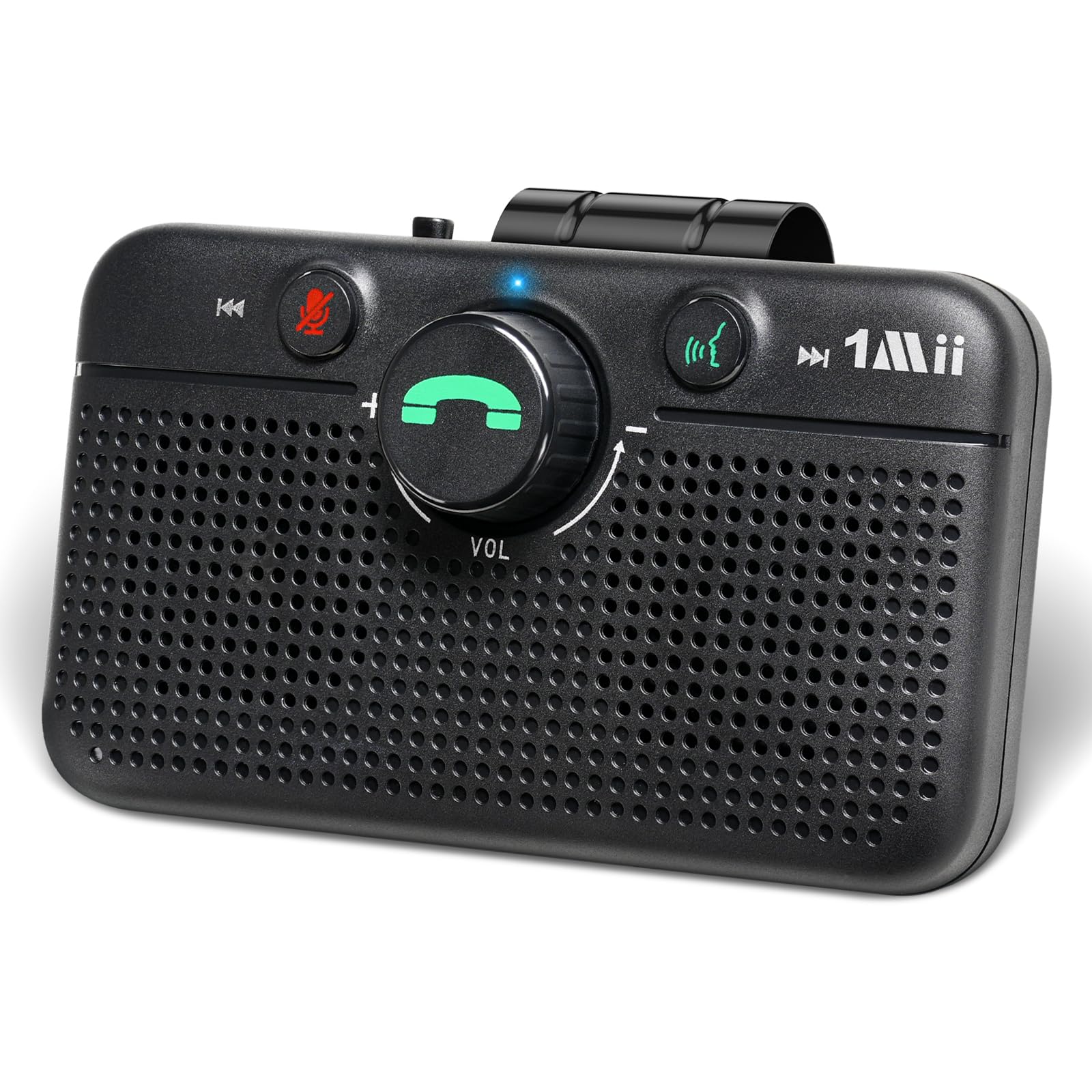
Visor speakers clip to the sun visor and sit near the driver, giving good call quality. They are compact and easy to move between cars. Their music sound is modest compared with larger speakers.
Portable Bluetooth speakers
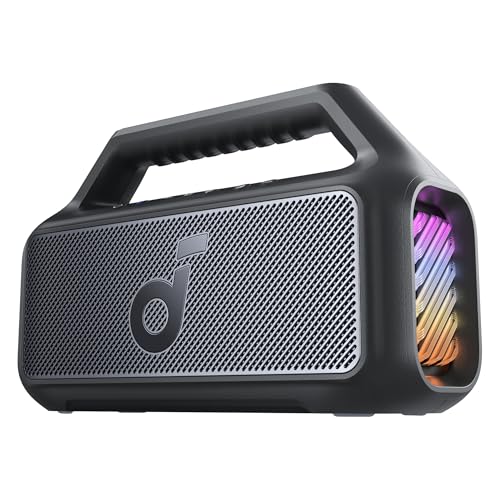
Portable speakers give fuller music sound and work outside the car too. They need a secure spot in the car to avoid sliding. They suit road trips and outdoor use after arrival.
Built in car Bluetooth kits
Built in kits connect to the car stereo for the best integration, with steering wheel controls on some models. They need installation and cost more. They suit drivers who want a permanent solution.
Common Mistakes to Avoid
Many buyers regret rushing a purchase, so it helps to know the traps before you spend. The points below come up again and again across buyer feedback and everyday use.
- Mounting where it blocks view
- A speaker on the windshield or dashboard can block mirrors or road view. Choose a mount that keeps sight lines clear.
- Ignoring call testing
- Music quality does not guarantee call quality. Test calls at highway speed before relying on the speaker for work.
- Letting battery die mid trip
- A flat speaker mid trip leaves you without hands free calls. Charge regularly and keep a car charger handy.
- Playing too loud for navigation
- Music that drowns navigation prompts causes missed turns. Balance volume so prompts remain clear.
Everyday Use and Care
Pair the speaker before driving, and set volume and navigation balance while parked. Clean the speaker grille periodically, since dust affects sound. Charge after long trips, and store the speaker away from extreme heat, which harms batteries. If Bluetooth drops often, forget the pairing on both devices and reconnect fresh.
Power, Mounting, and Safety Basics
Most visor speakers run on a built-in rechargeable battery and switch on automatically when they sense motion, so there is nothing to plug in during the drive. Portable speakers usually need a USB cable from a car charger for long trips. Route any cable away from the gear shift, pedals, and airbags, and never mount a speaker where it can block the view of the road or the airbag deployment area.
Set the volume and pair the phone before you start driving. A speaker that is loud enough to hear at highway speed but not so loud that it masks sirens, horns, and navigation prompts is the right level. If a speaker shifts during braking, fix it with a better mount rather than holding it by hand.
Visor Speakerphone or Portable Speaker?
Choose a visor speakerphone if calls are the main job. It sits close to your face, uses a microphone aimed at the driver, and clips on and off in seconds. Choose a portable speaker if music matters more, if passengers share the playlist, or if you want one speaker for the car and for the campsite or patio. Portable speakers sound fuller but pick up your voice less well on calls, so test a call before relying on one for work.
For related reading, see our guides to the best portable bluetooth speakers for car and the best bluetooth car speakers for iphone, or compare sound across styles in the best quality bluetooth speakers guide.
Frequently Asked Questions
Can a Bluetooth speaker replace car stereo Bluetooth?
For calls and casual music, yes, especially in older cars. For serious music listening, a built in stereo usually sounds better and integrates with controls. A portable speaker is a flexible, low cost bridge.
Why do calls sound bad in my car?
Road noise, microphone distance, and echo all hurt call quality. Move the speaker closer to your mouth, close windows at highway speed, and check microphone settings. A speaker with noise reduction helps, but it cannot remove all road noise.
How long should battery last?
For daily commuting, a few hours of talk time is enough if you charge regularly. For long shifts or road trips, look for 10 hours or more of talk time. Check talk time specifically, since music run time is often longer.
Can passengers use the speaker too?
Many speakers pair with one phone at a time, while some support multipoint pairing for two devices. Check multipoint support if passengers share music duties. Switching pairs while driving is distracting, so set it up parked.
Is it legal to use a Bluetooth speaker while driving?
Hands free calling is generally allowed, but rules vary by location. Use voice commands and avoid handling the phone while driving. Check local laws for your area before relying on any setup.
Final Thoughts
Decide whether calls or music come first, pick the mounting style that suits your car, and test a call at highway speed before you rely on any speaker. The best bluetooth speakers for car drivers are the ones that pair automatically, stay clear over road noise, and never ask you to touch the phone while driving. Use the product table above to compare your shortlist.


