
Best Bluetooth Scan Tool 2026: A Practical Buying Guide
Disclosure: We may earn a commission when you buy through links on this page, at no extra cost to you. As an Amazon Associate I earn from qualifying purchases. Learn more

Drivers and home mechanics can compare the best bluetooth scan tool types by coverage, app quality, live data, and cost before ordering.
A best bluetooth scan tool turns a warning light into a plain answer. You plug a small adapter into the OBD2 port under the dash, pair it with your phone, and read the fault codes in an app instead of paying a shop for the first look. This guide covers what the adapters can and cannot do, which features matter, and how to avoid the common mistakes.
The comparison table below lists adapters that work with common cars and trucks. Use this guide to decide how much capability you need before you look at price.
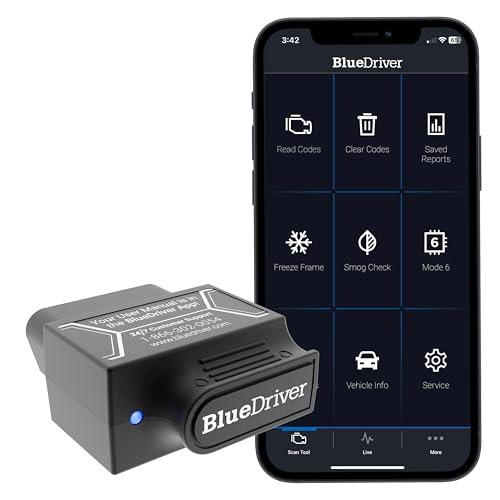
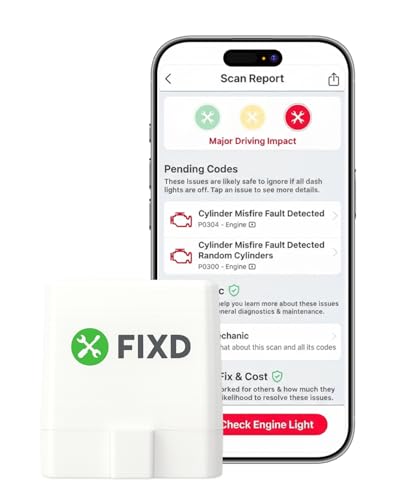


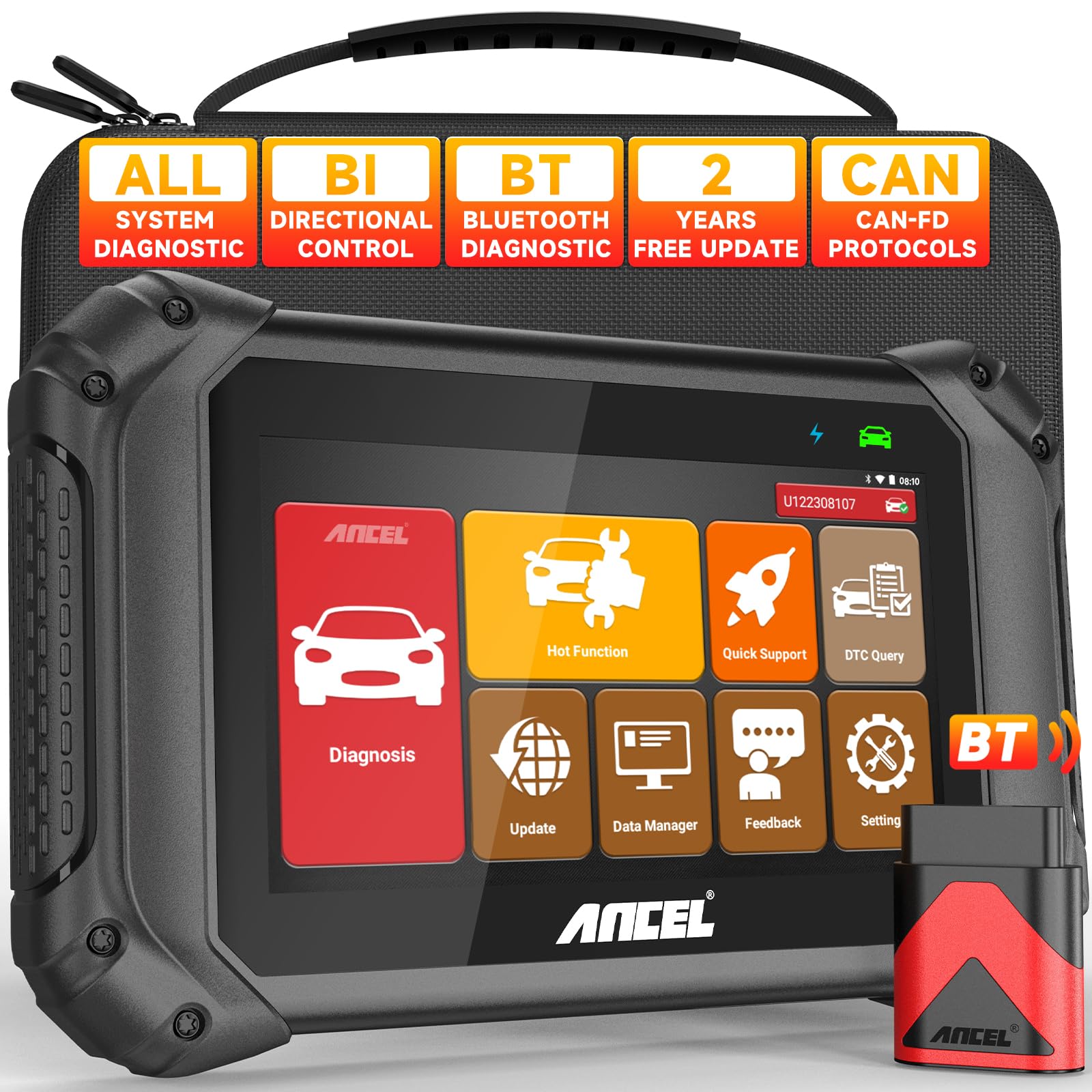
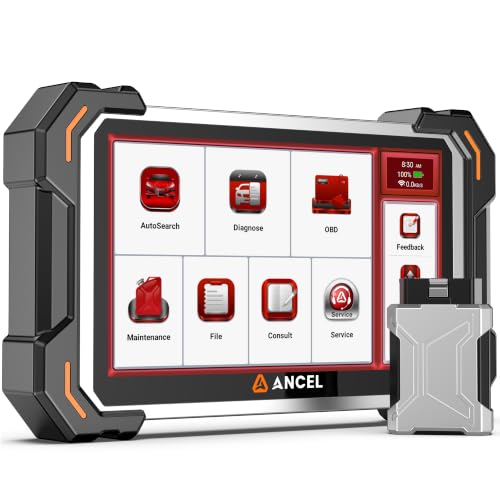
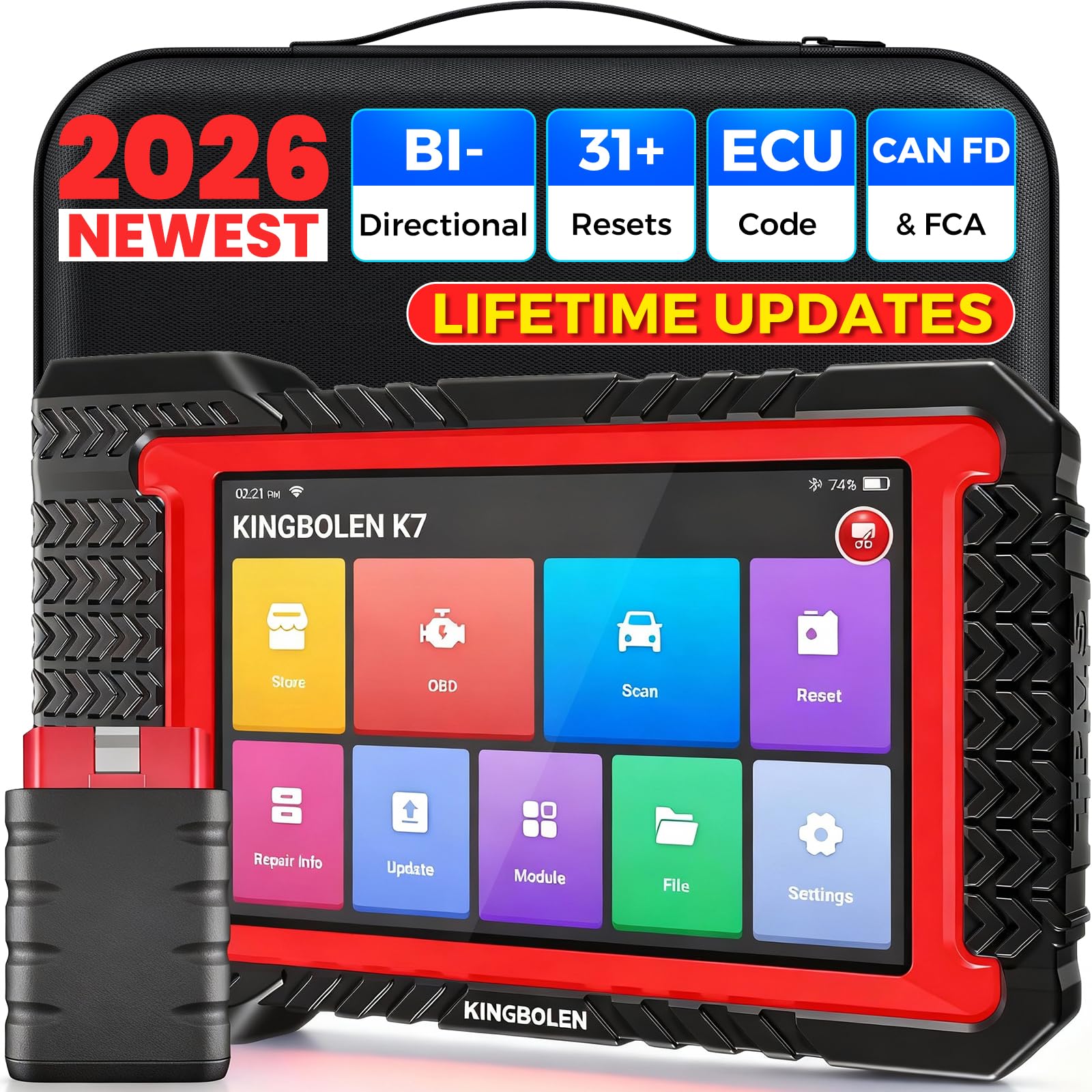
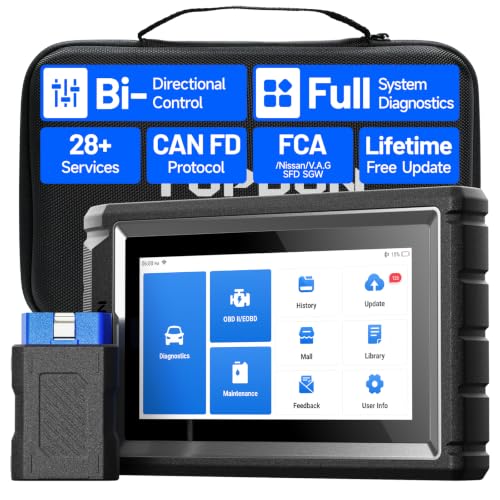
What a Bluetooth Scan Tool Actually Does
Every gasoline car sold in the US since 1996 has an OBD2 port, and a Bluetooth scan tool is a plug-in module that talks to it. The module reads the stored trouble codes, shows live sensor data such as coolant temperature and fuel trim, and reports whether emissions monitors are ready. The phone app supplies the screen and the explanations, which is why app quality matters as much as the hardware.
A basic adapter reads and clears engine codes. Better ones also read ABS, airbag, and transmission modules, which are the systems behind many dash warning lights. The most capable models are bidirectional, meaning they can send commands to the car, such as running an electronic parking brake retract or a battery reset.
Who Should Buy Which Type
If you only want to know why the check engine light came on, a small low-cost adapter with a good app is enough. Drivers who also want to check a used car before buying benefit from emissions readiness and freeze frame data. Home mechanics who do their own brake, battery, or sensor work should look at models that cover ABS and other systems, and at the bidirectional class if they want service resets.
Shops and serious hobbyists who need coding or module programming move up to tablet style scan tools, which cost several hundred dollars. For most households that is more than needed.
Key Features to Compare
Vehicle and System Coverage
Check that the adapter supports your make, model, and year, and note which systems it reads beyond the engine. Generic OBD2 data works on nearly every car, while brand specific data for ABS or airbags depends on the maker list. A wider list helps if the household owns more than one vehicle.
App Quality and Phone Support
The app decides how readable the results are. Look for plain-language code explanations, saved reports, and support for both iPhone and Android. Some adapters use Bluetooth Low Energy, which suits iPhones, while others use classic Bluetooth that works on Android only, so confirm compatibility with your phone.
Live Data and Reports
Live graphs help spot patterns, such as a sensor that drifts when the engine warms up. Freeze frame data shows the conditions at the moment a fault was logged, which is useful when the problem comes and goes. A saved report is handy if you later talk to a mechanic.
Subscriptions and Updates
Some apps are free after purchase, while others lock features behind a yearly fee. Confirm what is included before ordering, and check whether software updates are free for life. Adapters that need a subscription for basic code reading can cost more over time than a pricier unit without one.
Choosing the Best Bluetooth Scan Tool Type
Three types cover most buyers. Simple dongles are small, stay in the port, and work only with a phone. Bidirectional adapters add service functions and wider system coverage, and they usually cost more. Handheld or tablet scanners have their own screens and no phone is needed, but they are bulkier and often wired.
Price usually follows capability. Plan on roughly $30 to $60 for a simple code reading dongle, $80 to $150 for models that read more systems, and $300 or more for full bidirectional tools. Set a budget first, then pick the cheapest type that covers the systems you expect to work on. Paying for functions you will never use is the most common waste in this category.
When you shop for a best bluetooth scan tool, also look at how long the maker has supported its app and how often it adds new vehicles. A scan tool that stops receiving updates can lose support for newer model years, which matters if you plan to keep it through your next car purchase.
For a related choice, see our guide to the best obd scan tool, which also covers wired readers, or the best car scan tool for a broader comparison.
Using a Scan Tool Safely and Well
Plug the adapter in with the ignition off, then turn the key to the on position and pair the phone. Write down every code before clearing anything, because clearing erases the freeze frame data and can hide a problem you still need to fix. A code points to a circuit or system, not always to a failed part, so confirm the cause before replacing anything.
Do not drive with the phone in hand while reading live data, and remove the adapter if the car will sit for weeks, since some models draw a small amount of power. If a warning light involves brakes, airbags, or steering, have a qualified technician inspect the car.
Care and Long Term Use
A good scan tool should last for many years with little care. Keep the adapter dry and store it in the glove box or leave it plugged in if the maker says it is safe to do so. Keep the app updated so new model years are supported. If pairing fails, forget the device in the phone settings, restart both, and pair again.
A Final Check Before You Order
Confirm your car is OBD2 compliant, check that the app supports your phone, read the subscription terms, and compare the return policy. If a model meets your top needs and fits your budget, it is a strong candidate. If it meets only one need, keep looking.
Frequently Asked Questions
Does a Bluetooth scan tool work on every car?
It works on nearly every gasoline car sold in the US since 1996 for basic engine codes. Diesel trucks, electric cars, and some older models can need other tools, and brand specific systems depend on the adapter list.
Can I leave the adapter plugged in all the time?
Many can stay in the port, but some draw a small amount of power and can drain a weak battery over weeks. Check the maker guidance, and unplug it if the car will sit unused.
Will clearing a code fix the problem?
No. Clearing only resets the light, and it returns if the fault is still there. Record the code first, find the cause, repair it, and then clear the code.
Do I need a subscription?
Not always. Some adapters include every feature after purchase, while others charge a yearly fee for extras. Read the app listing before you buy.
What is the difference between a code reader and a bidirectional scan tool?
A code reader only reads and clears codes. A bidirectional tool also sends commands to the car, which allows service resets and component tests. It costs more and suits home mechanics who do their own repairs.
Final Thoughts
The best bluetooth scan tool for you is the one that covers your car, works with your phone, and explains results clearly without hidden fees. Start with the systems you want to read, compare the models in the product table above, and keep the receipt for easy returns.


