
Best Bluetooth Motorcycle Handlebar Speakers for 2026: Which Fit the Way You Ride?
Disclosure: We may earn a commission when you buy through links on this page, at no extra cost to you. As an Amazon Associate I earn from qualifying purchases. Learn more

Choose the best bluetooth motorcycle handlebar speakers by mount fit, volume at speed, weather sealing, power options, and controls you can use with gloves.
There is no single right speaker for every rider, because a slow cruise across town and a long highway day ask for very different things. The best bluetooth motorcycle handlebar speakers for you depend on your bike, your speed, your helmet, and how much wind noise you ride in. This guide sorts riders by use first, then covers the features that decide whether a system still sounds good at speed, with the comparison table below for model details.
Safety comes first in every section. Any speaker system must leave you able to hear traffic, sirens, and your own engine, and it must never demand your eyes or hands at the wrong moment.


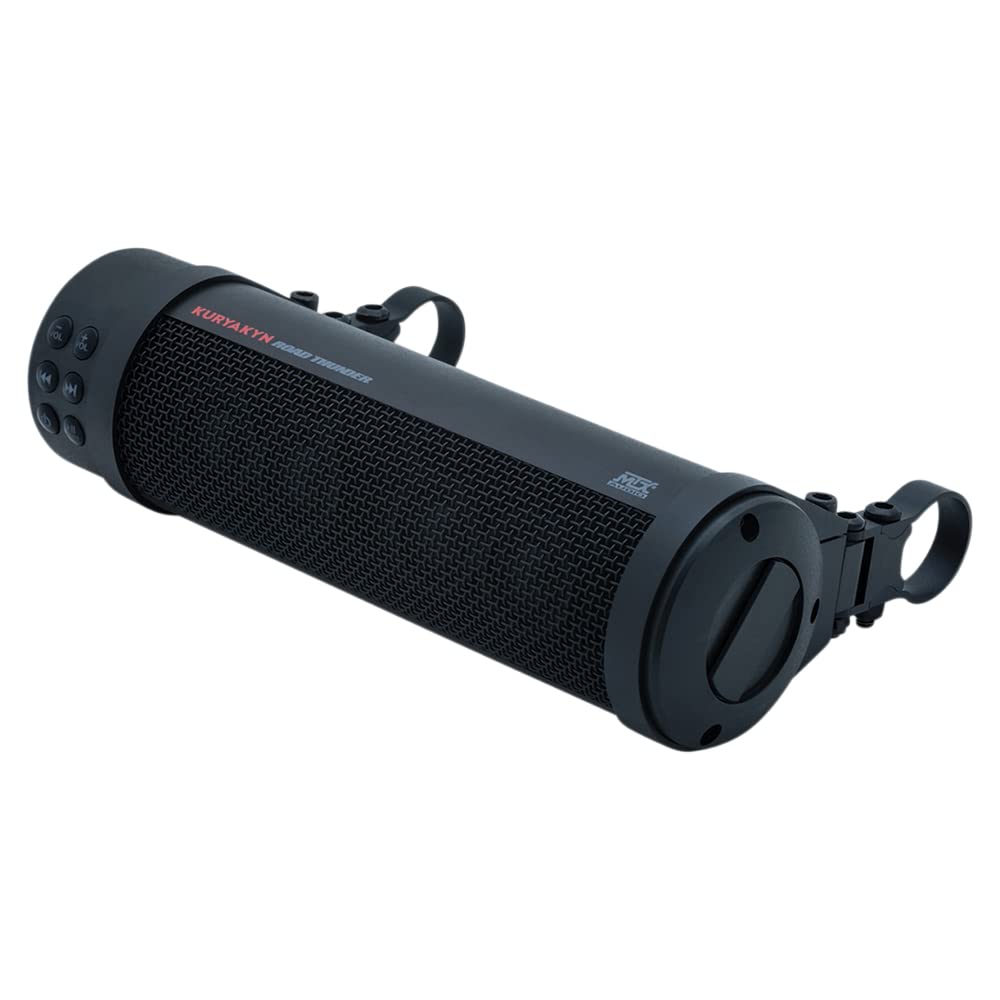

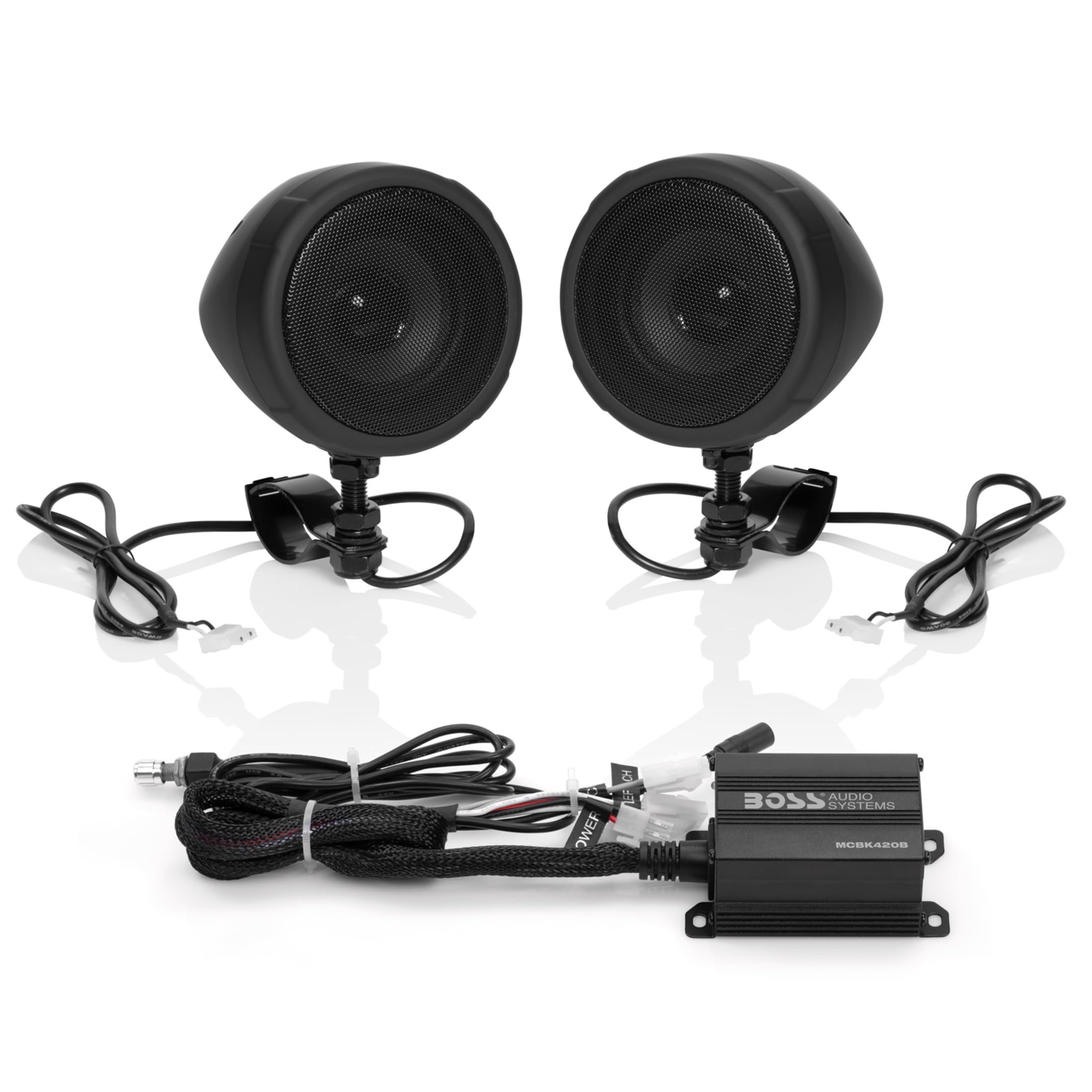

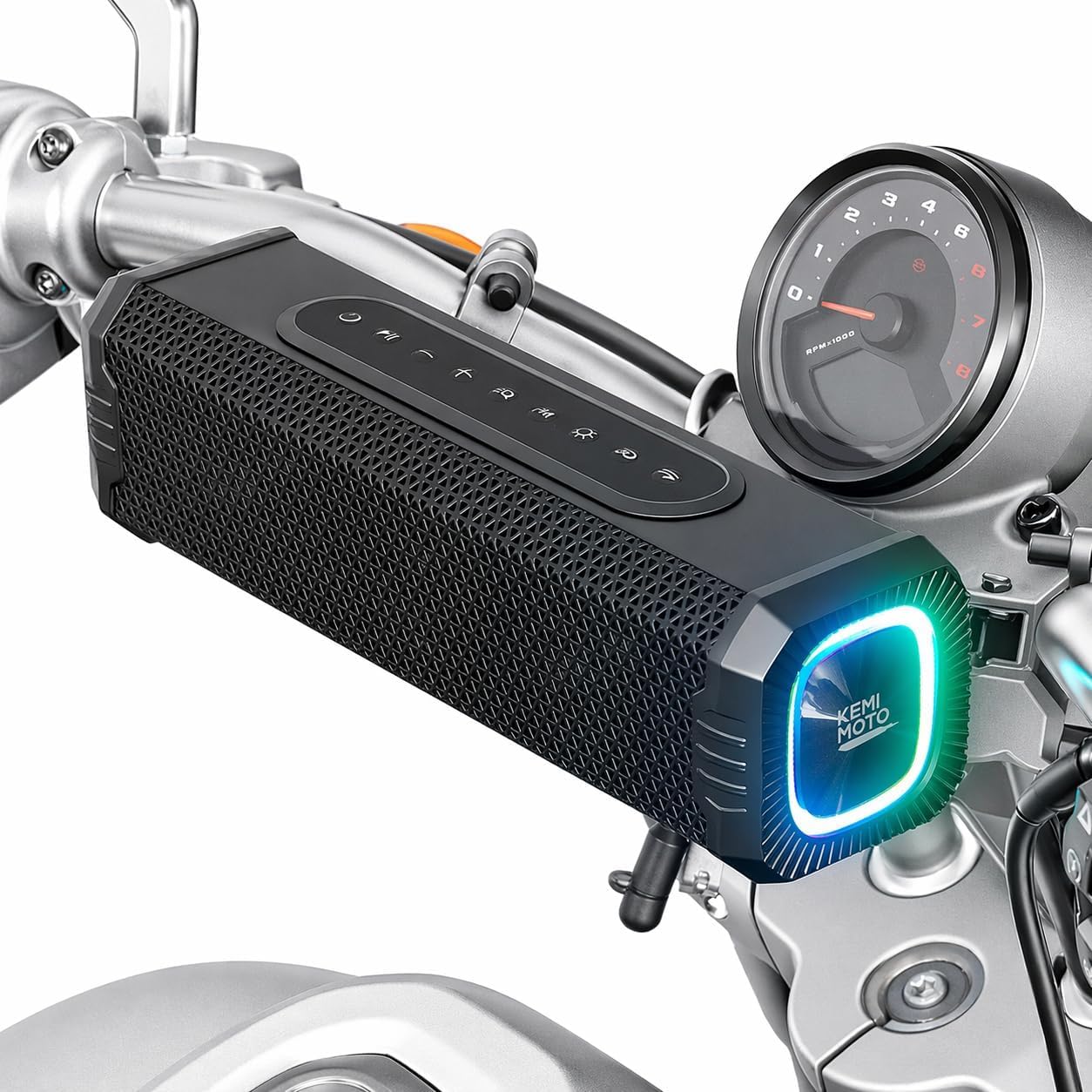
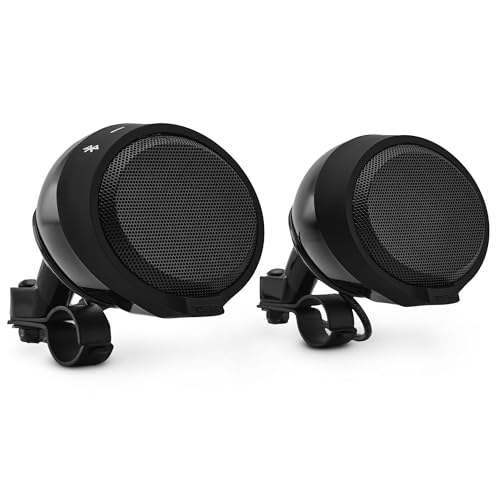
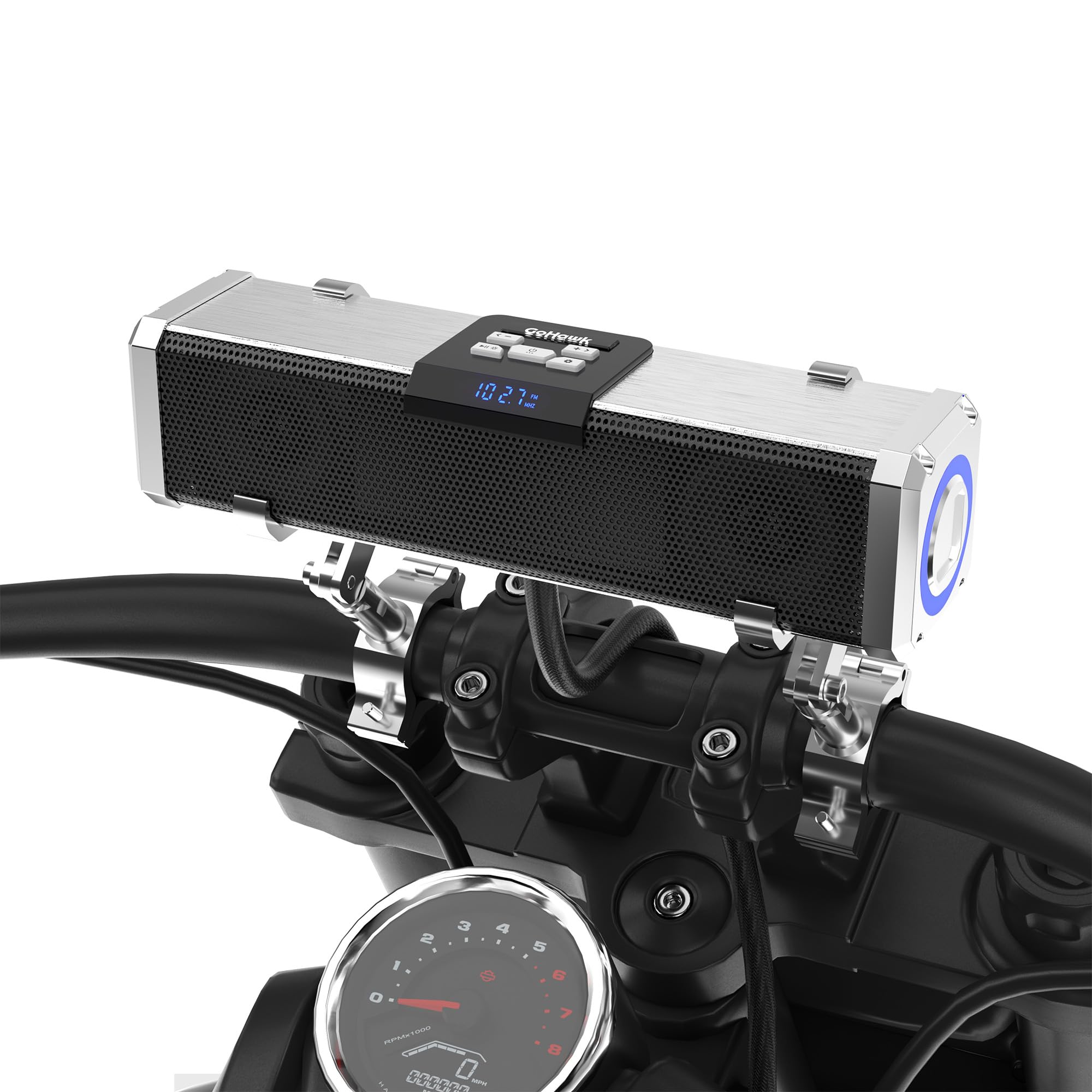

Who Should Buy the Best Bluetooth Motorcycle Handlebar Speakers?
For Cruiser and Around Town Riders
If most of your riding is at town speeds on a cruiser or standard bike, modest output goes a long way because wind noise stays lower. A compact two speaker setup with simple bar mounts and a phone based playlist will cover commuting, errands, and evening rides. Prioritize easy controls and a clean look on the bars. You can spend less here than highway riders, and the money saved is better spent on a secure mount that will not rotate on rough pavement.
For Touring and Highway Riders
Highway riders face the hardest test, because wind noise rises sharply with speed and can swallow a weak system whole. Look for higher clean output, larger drivers, and an amplifier with real headroom, plus fairing or bar placement that points sound at you rather than past you. Wired power from the bike battery suits long days better than a small internal battery. Riders comparing every mounting style can start with our broader guide to the best motorcycle bluetooth speakers.
For Commuters Who Take Calls and Directions
If your ride doubles as your commute, navigation prompts and the odd call matter as much as music. Choose a system with clear voice reproduction at mid volume and a control pod you can work by feel. Automatic volume that rises with speed helps prompts stay audible without blasting you at red lights. Keep expectations modest for call quality, since wind limits any open air microphone, and pull over for any conversation that actually matters.
For Riders Who Prefer Helmet Audio Instead
Some riders try bar speakers and discover they prefer sound inside the helmet, where far less power fights the wind. That is a valid answer, not a failure, especially for fast bikes and full face helmets. If your rides keep getting faster or longer, compare the approach in our guide to the best motorcycle helmet bluetooth speakers before you spend on a louder bar system that still may not satisfy you.
Key Features to Compare
Mount Fit and Bar Compatibility
Measure your handlebar diameter before anything else, because clamps are built for common sizes such as 1 inch and 1.25 inch bars, and a poor fit means vibration, rotation, or a scratched finish. Check clearance against your windshield, mirrors, phone mount, and control cables through the full steering swing. A mount that allows angle adjustment helps you aim the speakers at your ears. Riders who want every clamp and pod style in one place can review our guide to the best motorcycle handlebar speakers.
Sound Quality and Tuning at Speed
Judge a system by clarity at your cruising speed, not by how loud it plays in a quiet garage. Wind strips away bass first, so a system tuned with strong midrange often sounds better on the road than a bass heavy one. Larger drivers and a separate amplifier usually hold together at volume better than small self contained pods. If a listing leads with watt numbers but hides driver size and amplifier details, treat that as a warning sign.
Weather Sealing and Durability
Bar mounted gear lives in rain, dust, sun, and vibration, so sealing is not optional. Look for an IP rating such as IPX5 for rain or IP67 for stronger protection, sealed wire connections, and metal rather than brittle plastic housings. Vibration loosens fasteners over time, so thread locking and a monthly bolt check belong in your routine. A system built for this life costs more, and on a motorcycle that difference is worth paying.
Controls You Can Use With Gloves
Controls decide whether the system is pleasant or dangerous. You want a large volume control you can find by feel, track changes that need one press, and nothing that requires looking down at a tiny screen. Set playlists, volume ranges, and destinations before you roll, and let a handlebar control pod handle the rest. If a feature needs your phone unlocked while riding, that feature does not exist while riding, and the system should be judged without it.
Do a parked fit test with your actual riding gloves on. Sit on the bike, keep your eyes on the road ahead, and work every control by touch. If you cannot change volume and skip a track without looking down in the driveway, you will not manage it safely at speed.
Power Options and Wiring
Bike powered systems tap the battery through a fused connection and never need charging, which suits regular riders. Battery powered pods are simpler to fit and move between bikes, but they add a charging routine and shorter days. Either way, route wires away from steering movement, heat, and pinch points, and add a fuse on any direct battery connection. If wiring feels beyond your comfort, a shop install costs less than electrical damage. For a full view of system styles beyond the bars, see our guide to the best motorcycle speakers.
Common Mistakes to Avoid When Buying
- Buying by watt claims alone, without checking driver size, amplifier quality, or owner reports at highway speed.
- Skipping the bar diameter measurement, then forcing a clamp that slips or damages the finish.
- Mounting speakers where they block mirrors, controls, or the full steering swing.
- Ignoring local rules on audio and hearing, which vary by place and can limit speaker or earplug use.
- Planning to manage playlists and messages by phone while riding, instead of setting everything before departure.
One more mistake deserves plain words: turning the volume up until it masks every other sound. If you cannot hear a siren or a horn, the system is too loud for the setting, whatever its rating says. Riders who run auxiliary gear on the same circuit should also confirm the charging system can carry the added load. Shoppers comparing clamp positions across brands may find the fit notes in our guide to the best handlebar mounted speakers for motorcycle helpful before ordering.
Care and Maintenance Tips
Rinse road grime off housings with a damp cloth and mild soap, and keep high pressure water away from seams and connectors. Check clamp bolts and wire connections every few weeks, because vibration works everything loose in time. Keep firmware updated where the system supports it, and store a battery powered unit with a partial charge during winter. Inspect wire insulation each season for rub marks near the steering head, and reroute anything that chafes.
Frequently Asked Questions
Wired or wireless power: which works better for motorcycle speakers?
Bike powered wiring works better for regular and long distance riders because it never runs flat and supports stronger amplifiers. Battery powered pods suit occasional riders and second bikes where a simple fit matters more. Sound arrives by Bluetooth in both cases, so the choice is about power and permanence. If you ride daily, do the wiring once and enjoy the reliability.
What IP rating do I need for motorcycle handlebar speakers?
IPX5 is a sensible minimum for rain, and IP67 gives stronger protection against heavy rain and dust on long tours. The rating only helps if connectors and control pods are sealed too, so read how the whole system is built, not just the speaker pods. Dry connections before any service work, and never aim a pressure washer at the housings during a wash.
Can handlebar speakers cancel wind noise?
No, open air speakers cannot cancel wind noise, and claims suggesting otherwise should lower your trust in the listing. What helps is honest output, good aiming, and a windshield or fairing that calms the air around you. Ear protection is a separate and important topic: many riders wear rated earplugs to cut wind noise while still hearing traffic, and that habit protects your hearing on long rides.
Do I need a special codec for motorcycle Bluetooth speakers?
No special codec is needed, because wind and road noise hide the small gains that advanced codecs can offer. Connection stability and volume control matter far more on a bike. Choose Bluetooth 5.0 or newer for a steadier link to a phone in your jacket or tank bag. Spend any leftover budget on mounts and sealing instead of audio format support.
How long does the battery last on handlebar speakers?
Battery powered pods commonly run about 6 to 12 hours at moderate volume, and loud highway use shortens that, sometimes a lot. Bike powered systems have no such limit while the engine and charging system are healthy. If your longest ride day runs near the stated figure, choose wired power, because a speaker that dies two hours from home tends to get left behind next season.
Verdict
Measure your bars, match output to your real cruising speed, and demand controls you can work by feel with gloves on. Those three checks, plus honest weather sealing, decide this purchase. Compare the systems in the product table above against your bike and your routes, and you will find the best bluetooth motorcycle handlebar speakers that fit the way you actually ride.


